A Route Through the Picos de Europa: Covadonga, Bulnes and Potes
A Picos de Europa route in four stops: Cangas de Onís, the Basilica of Covadonga, remote Bulnes and Potes, in Liébana. What to see and how to plan it.
In this article
Few mountains on the Iberian Peninsula have as much history clinging to the rock as the Picos de Europa. This limestone range, shared between Asturias, Cantabria and León, witnessed the birth of the Kingdom of Asturias, sheltered villages that lived almost cut off for centuries, and is today one of the most spectacular landscapes in northern Spain. Its three great massifs (western, central and eastern) are divided by deep gorges such as those of the Sella, the Cares and the Deva, and that shapes any route: here you don't cross the mountains, you go round them.
We suggest a journey through four stops from our catalogue that help you understand the Picos through both their history and their landscape: Cangas de Onís, the Basilica of Covadonga, Bulnes and Potes. It can be done over a long weekend, although ideally you should allow three or four days so you're not rushing along mountain roads.
The stops on the route
- Cangas de Onís: the first capital of the Kingdom of Asturias, on the banks of the Sella.
- Basilica of Covadonga: the sanctuary linked to the battle of 722.
- Bulnes: the village of the central massif, at the foot of the Naranjo de Bulnes.
- Potes: the Cantabrian town that serves as the gateway to the Liébana district and the eastern massif.
Cangas de Onís, where it all began
The route starts on the Asturian side, and there's no better starting point than Cangas de Onís. Few towns can boast such a decisive past. This is where King Pelayo settled after the Battle of Covadonga, fought within this very municipality in 722, and from here the Christian resistance against Muslim rule set out once the Visigothic Kingdom had fallen. The town was capital of the Kingdom of Asturias until 774, and its coat of arms sums it up proudly: Minima Urbium Maxima Sedium, "the smallest of cities, the greatest of seats". It was not granted city status until 1908.
The view everyone photographs is the so-called Roman bridge, which is in fact a medieval structure spanning the Sella. The town sits right where the Güeña flows into this river, and strolling along its banks is the best way to get a feel for the place before heading up into the mountains. Cangas is also a convenient base for staying overnight and getting around the whole western massif.
Covadonga: sanctuary and cradle of a kingdom
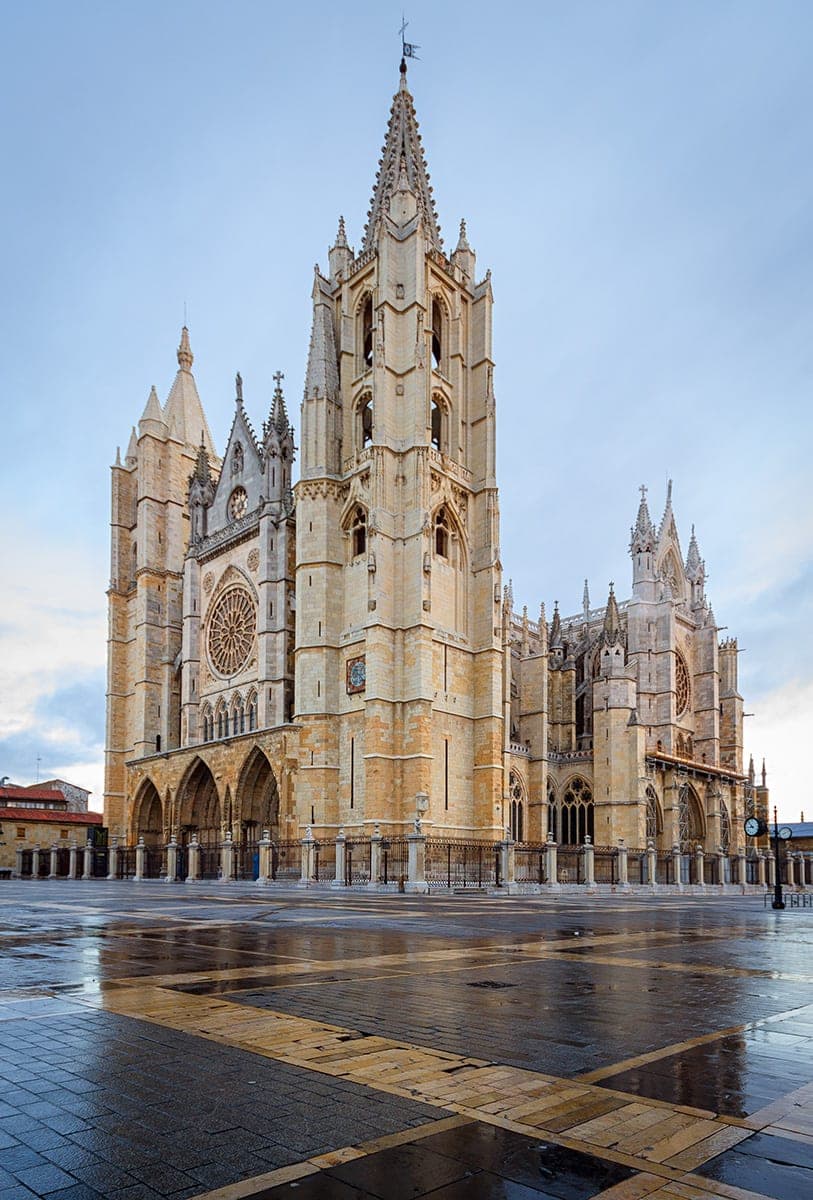
A few kilometres further up the road lies the Basilica of Covadonga. The name says it all: this is the place tradition associates with Pelayo's victory, which gave rise to the Asturian kingdom, and the complex has become one of the great sanctuaries of northern Spain. The basilica, built of pinkish stone, rises in a mountain setting every bit as impressive as the church itself, and beside it is the Holy Cave, venerated for centuries.
From Covadonga, a road climbs up to the mountain lakes, one of the most celebrated landscapes in the Picos. It's a demanding and very busy ascent, so it's worth checking before you go, as in high season and on public holidays access by private vehicle is usually restricted. Arriving early is almost always the best strategy, both for the basilica and for the lakes.
Bulnes, the village that lived in isolation
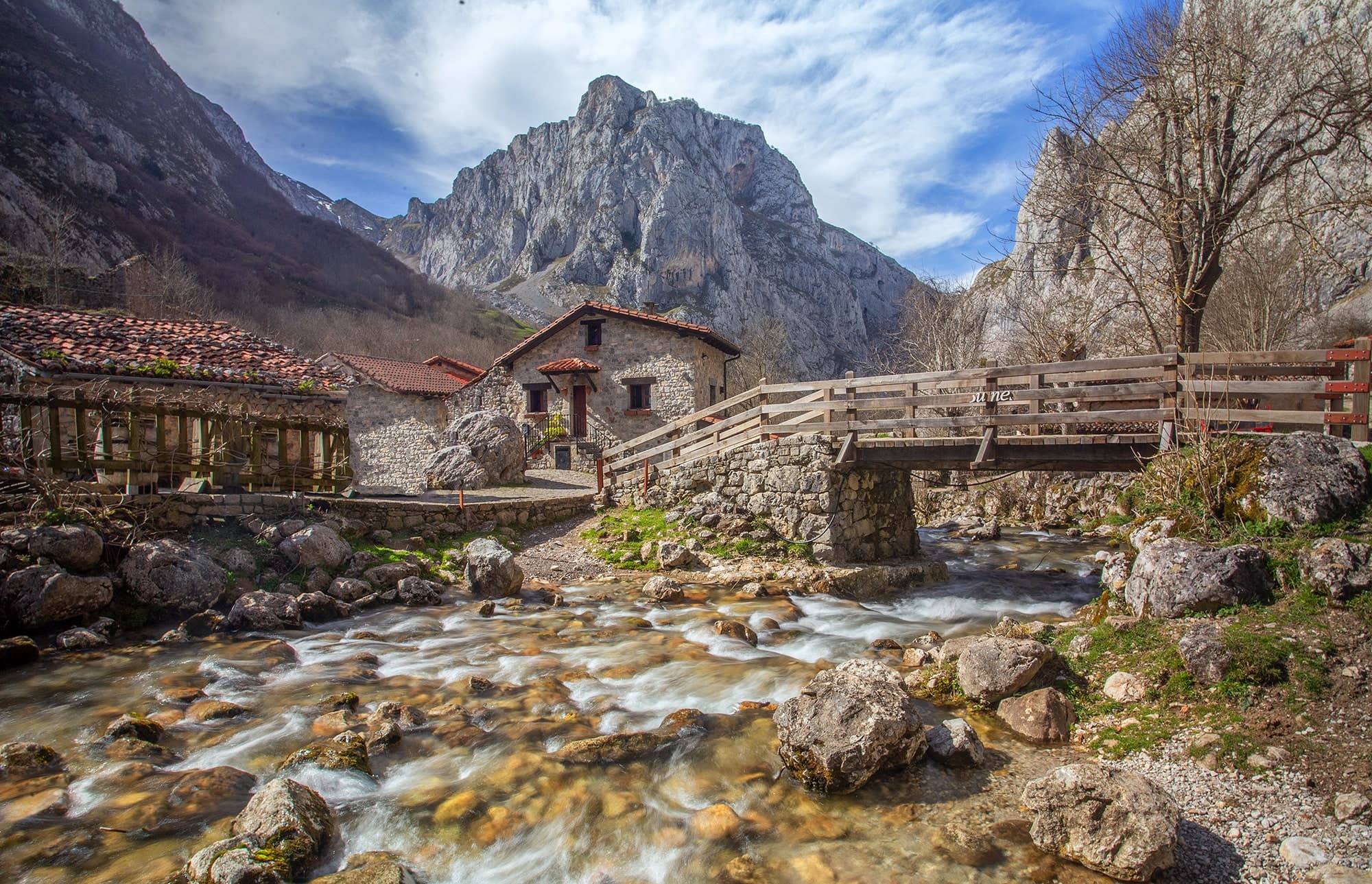
The heart of the central massif hides one of Spain's most unusual villages: Bulnes. For generations it could only be reached on foot, along a path climbing the gully from Poncebos, near the Cares gorge. Today there's also a funicular railway tunnelled through the mountain, but the village retains that remote air, with its stone houses, its separate hamlets and the sound of water as its soundtrack.
Bulnes is also the reference point for the Naranjo de Bulnes, or Picu Urriellu, the most iconic peak in the range for mountaineers. You don't need to climb it to enjoy it: just head to the viewpoints in the area on a clear day. If you decide to walk up to the village, take mountain boots, water and something warm even in summer, because the weather in the Picos changes very quickly.
Poncebos is also the starting point of the famous Cares Trail, a path carved into the rock that runs through the gorge. It's long and you'll need to plan your return carefully, but if you have a full day it's one of the unmissable experiences of the range.
Potes and the Liébana district
To round off the route, it's time to cross to the Cantabrian side. The most direct way runs through the La Hermida gorge, a narrow, sheer ravine following the course of the Deva that is in itself one of the great landscapes of the trip. On the other side opens out the Liébana district and, at its centre, Potes.
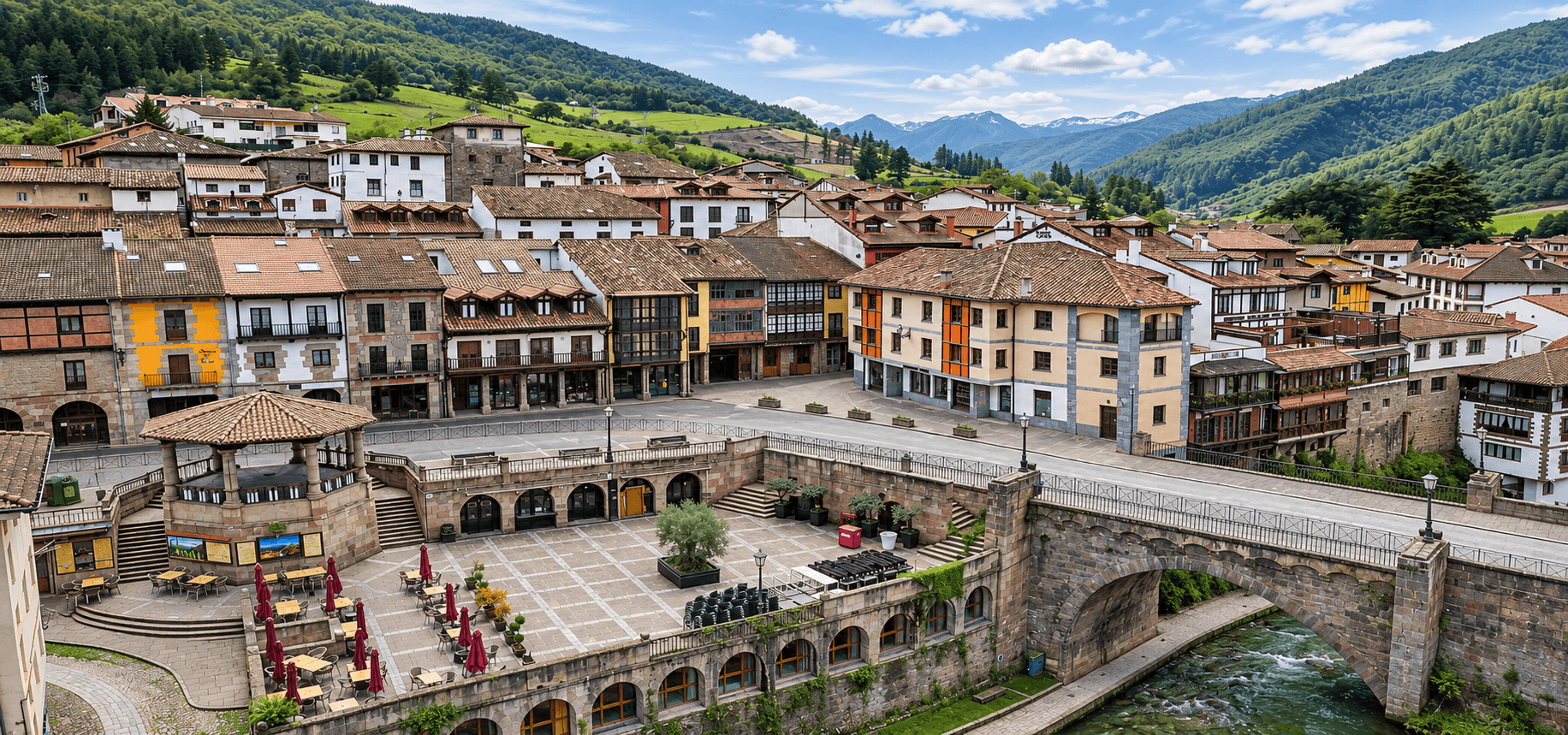
Potes is a town of stone houses, bridges and narrow lanes clustered around the confluence of rivers, overlooked by a sturdy medieval tower. Its lively old quarter invites aimless wandering, and the town acts as the gateway to the eastern massif. Close by stands the Monastery of Santo Toribio de Liébana, one of the great pilgrimage centres of the north, and from the district you can reach Fuente Dé, where a cable car climbs to the top of the central massif with spectacular views.
If you have a day to spare: towards the coast
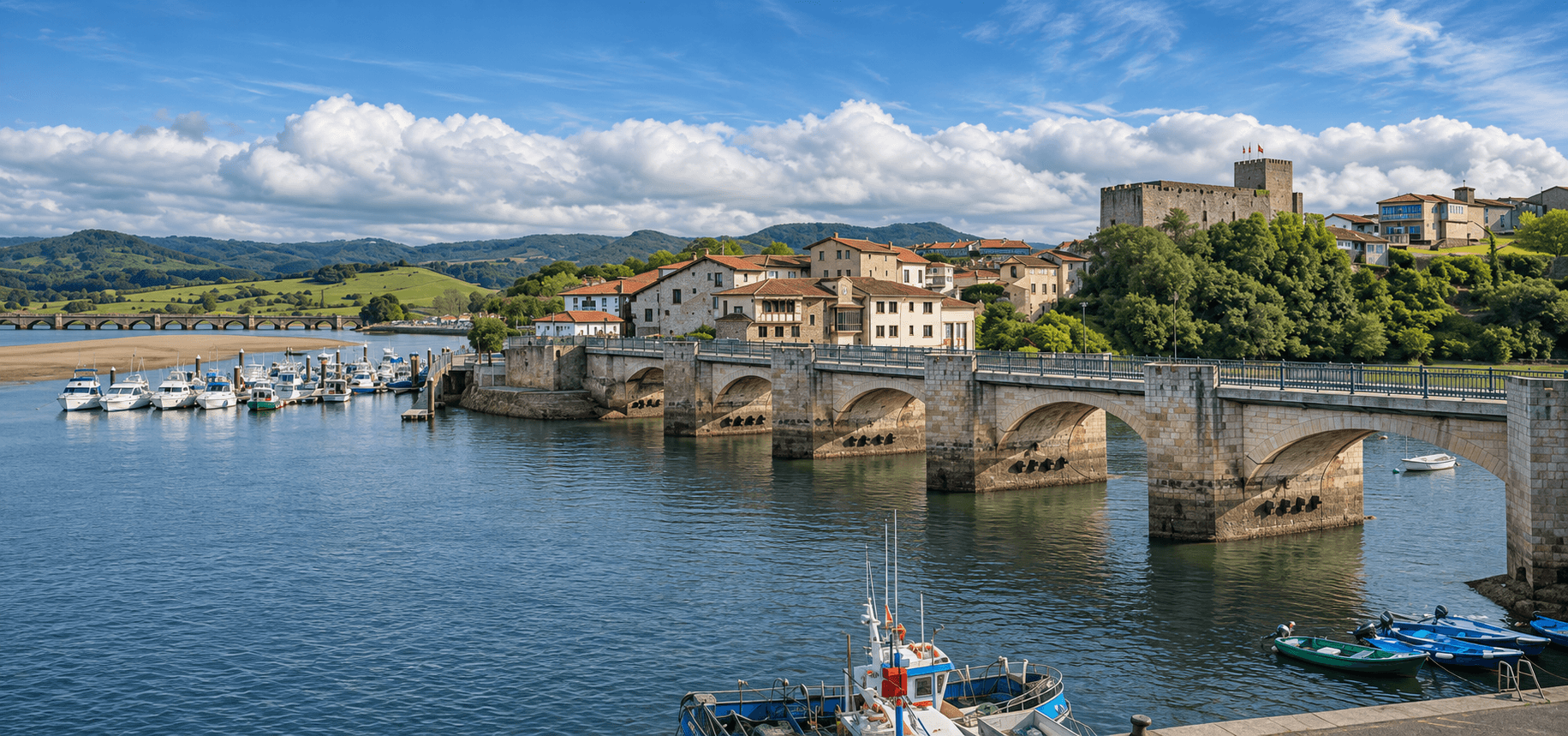
The Picos de Europa are very close to the sea, which means you can round off the trip with some coastal stops. From Potes, following the Deva northwards, you'll soon reach San Vicente de la Barquera, a fishing town whose castle and Church of Santa María de los Ángeles overlook the estuary, offering one of the most famous views of the snow-capped Picos above the sea.
Tips for planning the route
- When to go: spring and autumn offer beautiful scenery and fewer people. Summer is busier, and in winter snow can make some access roads tricky.
- Car and patience: these are mountain roads and distances stretch out; allow plenty of time.
- Dress in layers: mist and rain appear without warning, even in August.
- Trails: don't underestimate the walking routes; wear suitable footwear, carry water and check the forecast before setting off.
- Public holidays: get up early, especially for Covadonga and the most popular access points.
With history in Cangas de Onís and Covadonga, pure mountain scenery in Bulnes and the Liébana flavour of Potes, this route captures the best of the Picos de Europa: an awe-inspiring landscape and a past that explains much of what came afterwards on the Peninsula.
Places in this article
 Village
Cangas de Onís
The first capital of the Kingdom of Asturias, on the banks of the Sella, gateway to Covadonga and the Picos de Europa, with a medieval bridge and centuries of history beneath its feet.
 Church
Basilica of Covadonga
A Neo-Romanesque church of pink limestone in Covadonga, built between 1877 and 1901 and raised to the rank of minor basilica in the same year it was completed.
 Village
Bulnes
Bulnes, in the Asturian municipality of Cabrales, has been one of The Most Beautiful Villages in Spain since 2021, an accolade that invites you to discover it at a leisurely pace.
 Village
Potes
The capital of Liébana, where the Deva and Quiviesa rivers meet, Potes preserves the Torre del Infantado, medieval bridges and grand houses built with fortunes made in the Americas.
 Village
San Vicente de la Barquera
A seafaring town within Oyambre Natural Park, the last of the Four Towns of the Coast to be granted a charter by Alfonso VIII, with centuries of history bound up with the sea.
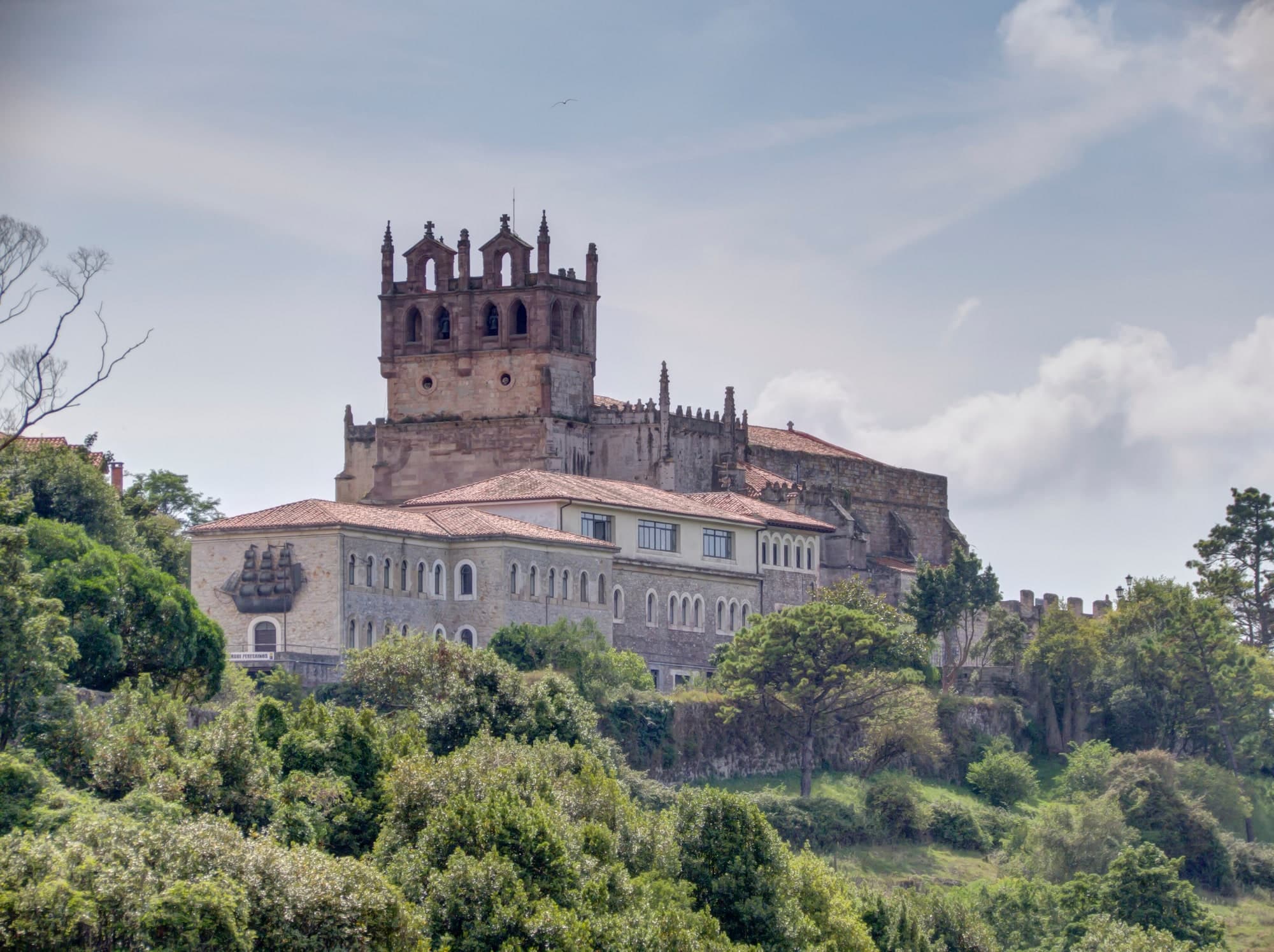 Church
 of Santa María de los Ángeles (San Vicente de la Barquera)
Perched on a rocky outcrop beside the castle, this church towers over San Vicente de la Barquera and greets those walking the Camino del Norte from afar.
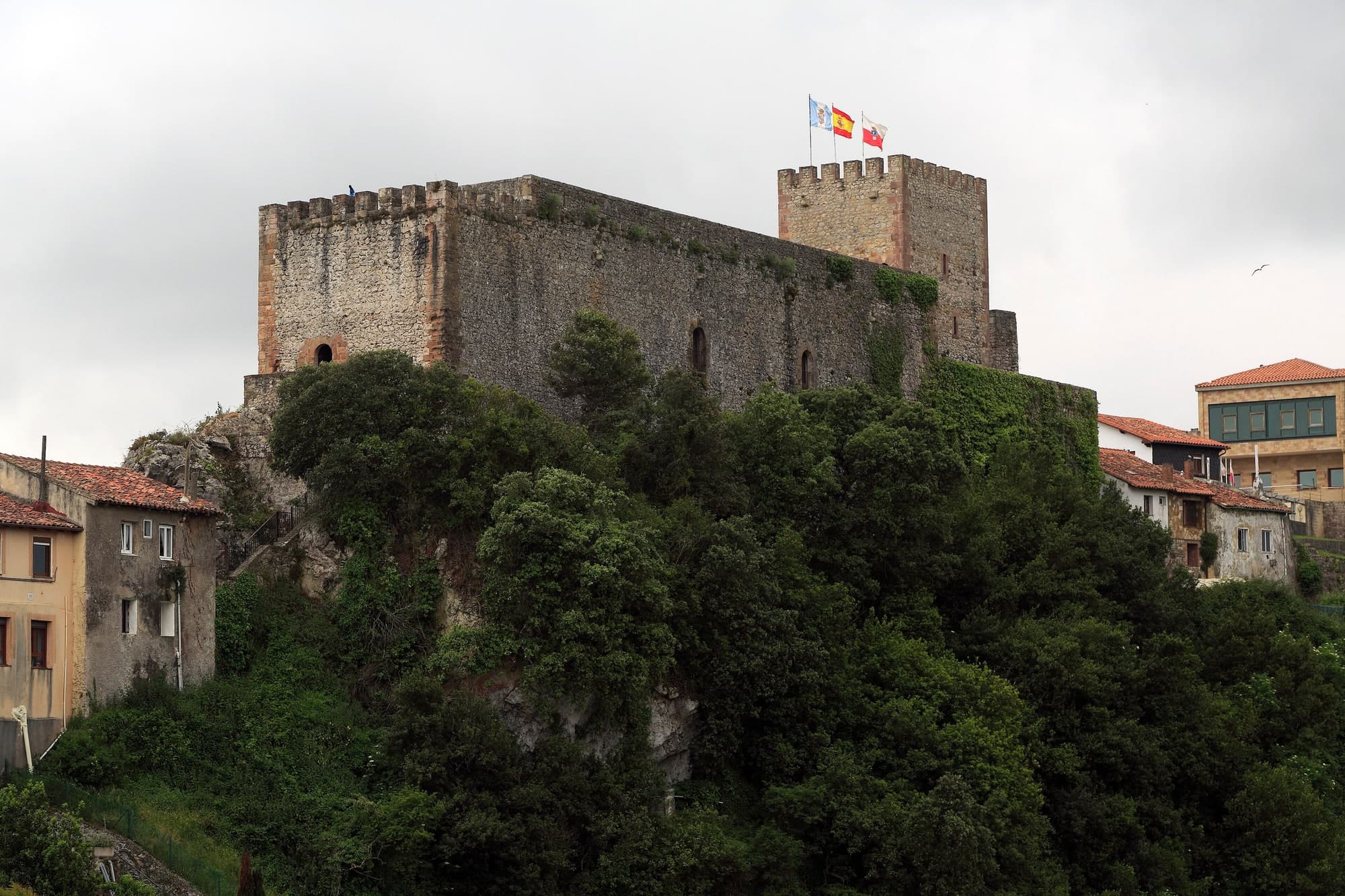 Castle
San Vicente de la Barquera Castle
The King's Castle keeps watch from on high over the Puebla Vieja of San Vicente de la Barquera, a fortress protected as a monument that invites you to explore the historic heart of the town.
Article written with the help of artificial intelligence based on Wikipedia (CC BY-SA 4.0) and our catalogue, and reviewed by the El Trotamundos Curioso team.