
Loarre Castle
Description
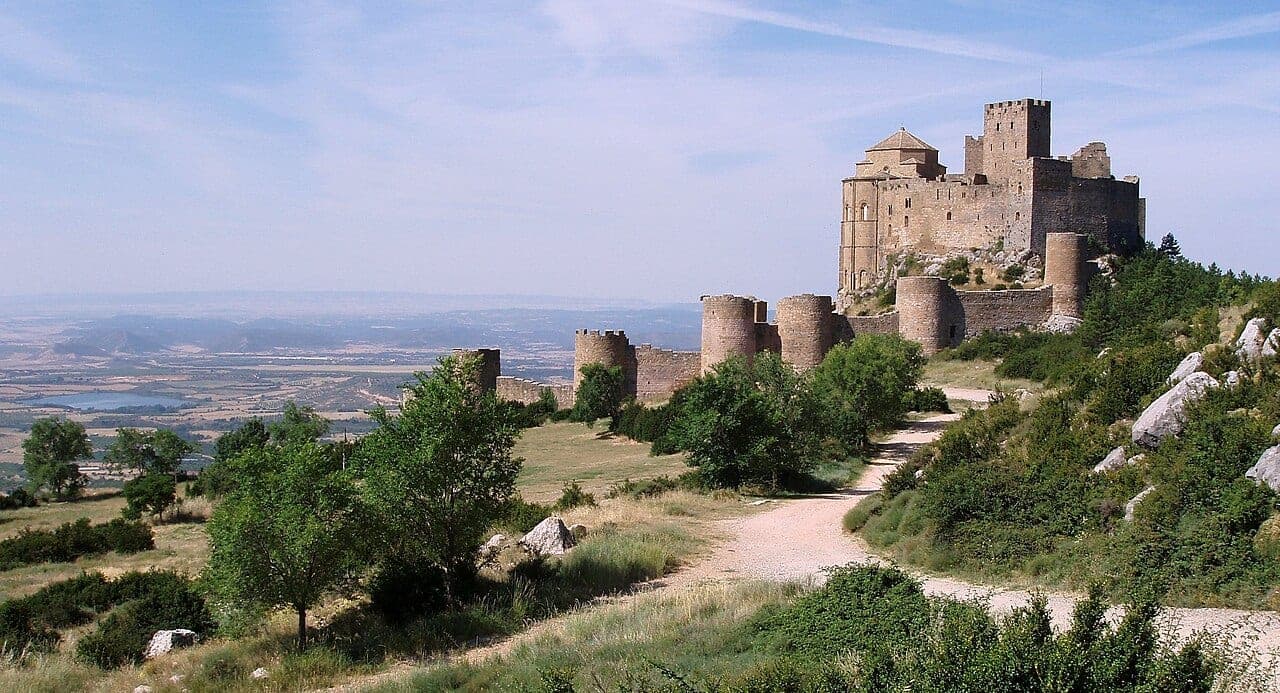
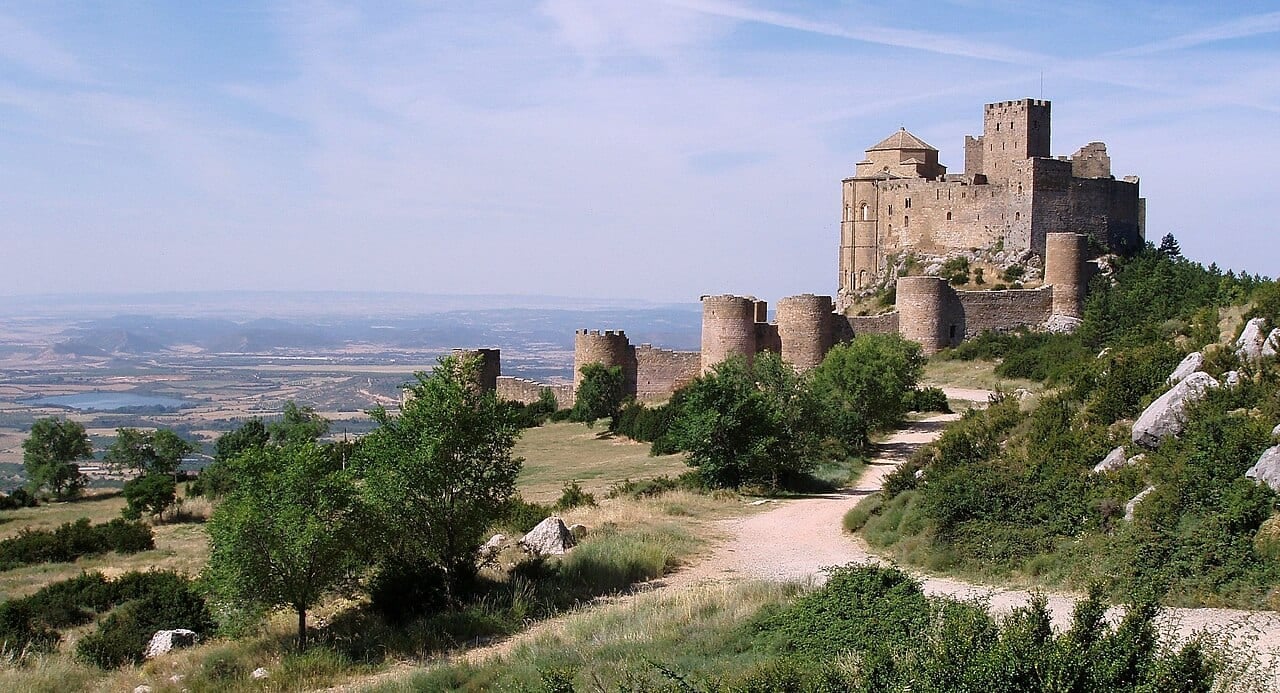
Few fortresses can transport you back to the 11th century as vividly as Loarre. Considered the best-preserved Romanesque fortress in Europe, this castle in the province of Huesca is one of the finest examples of Romanesque military and civil architecture in Spain, and a stroll around its grounds is enough to understand why: its walls, towers and rooms have survived to the present day in remarkable condition, with the exception of the oldest section, associated with Sancho III of Navarre, which is considerably more deteriorated.
Its location goes a long way towards explaining its raison d'être. From the top, it commands the entire plain of the Hoya de Huesca and, above all, Bolea, at the time the main Muslim stronghold in the area and the key to some very rich farmland. The castle stands on a limestone outcrop that serves as its foundations, a decisive defensive advantage: it was impossible to dig tunnels through the bare rock to undermine the walls and breach them, a common siege technique of the period. On top of this, a curtain wall studded with towers encircles the whole complex.
The interior holds some of its best surprises. Just inside the entrance lies the crypt of Saint Quiteria, whose acoustics astonish anyone brave enough to try them out, alongside a small chapel. But the real star is the church, a majestic building crowned by a dome that stands out for how rare such features are in Romanesque architecture. Its Romanesque paintings, on the other hand, remain a mystery: nobody knows what became of them.
Declared a National Monument in 1906 and now listed as a Site of Cultural Interest (Bien de Interés Cultural), Loarre also hopes to be recognised as a UNESCO World Heritage Site, a bid backed by Aragonese and local district institutions. And it certainly has no shortage of reasons.
Routes that include this monument
Community photos
Log in to upload your photos of this monument.
Best time to visit
Spring and autumn (April–June and September–October), as summers are hot and winters cold.
Location
Similar monuments
 Castle
Javier Castle
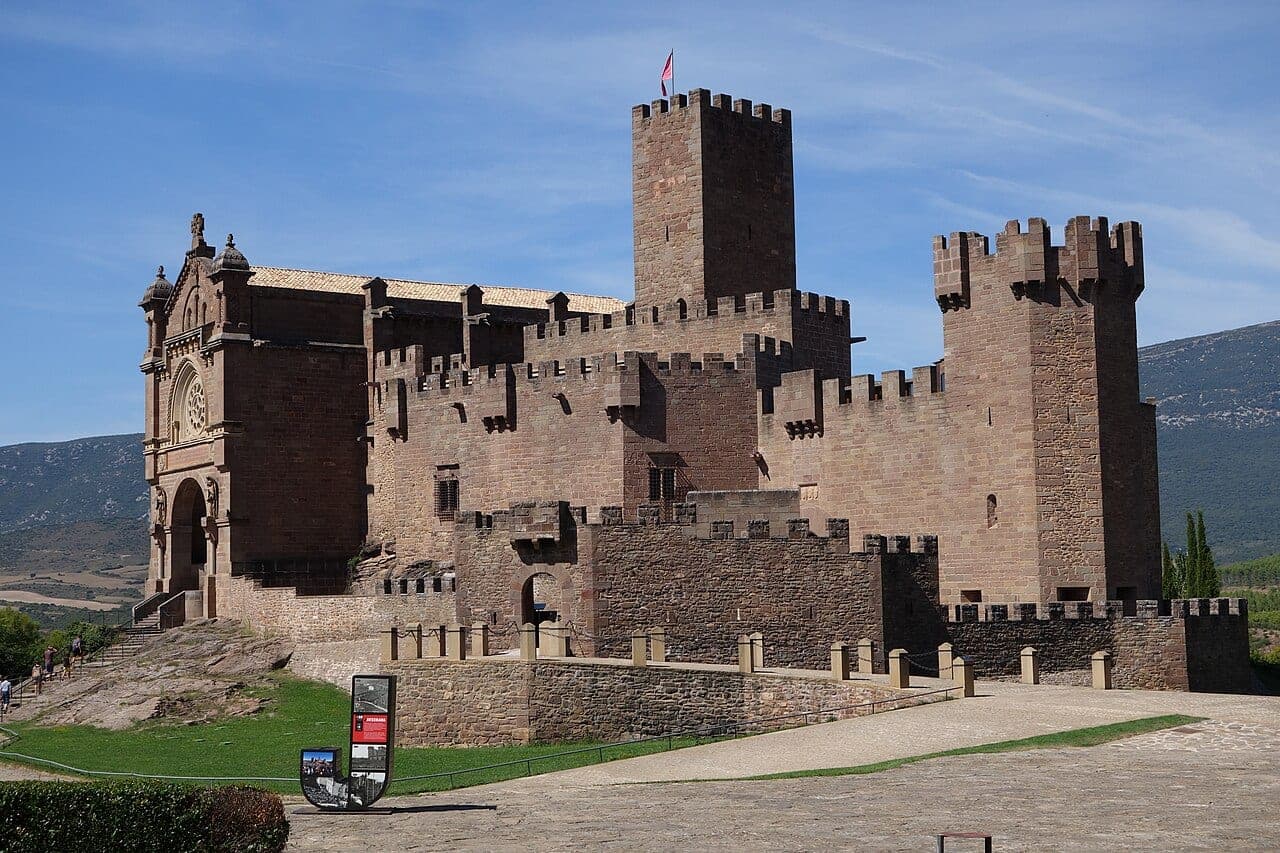
Perched on a Navarrese hillock stands the castle where Saint Francis Xavier was born, a fortress with roots in the 10th century and the destination of the hugely popular Javieradas pilgrimages each March.
 Castle
Aínsa Castle
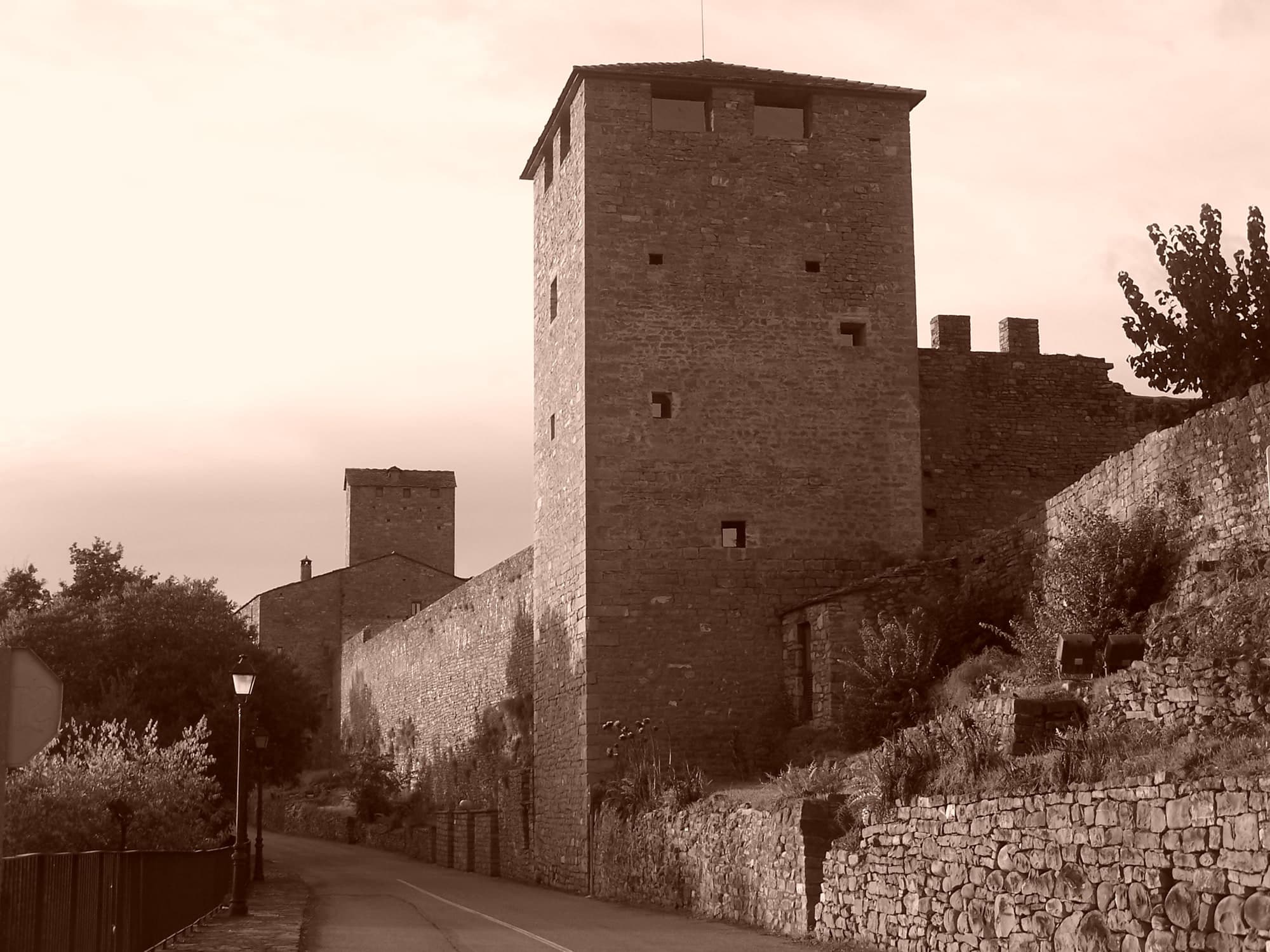
At the western end of Aínsa's main square, this castle, declared a monument in 1931, watches over the meeting of the Ara and Cinca rivers and today comes alive with music and fairs.
 Castle
Aljafería Palace
Pleasure palace of the taifa kings of Saraqusta and later residence of the Aragonese monarchs, the Aljafería is the great jewel of 11th-century Hispano-Muslim art.
 Castle
Royal Palace of Olite
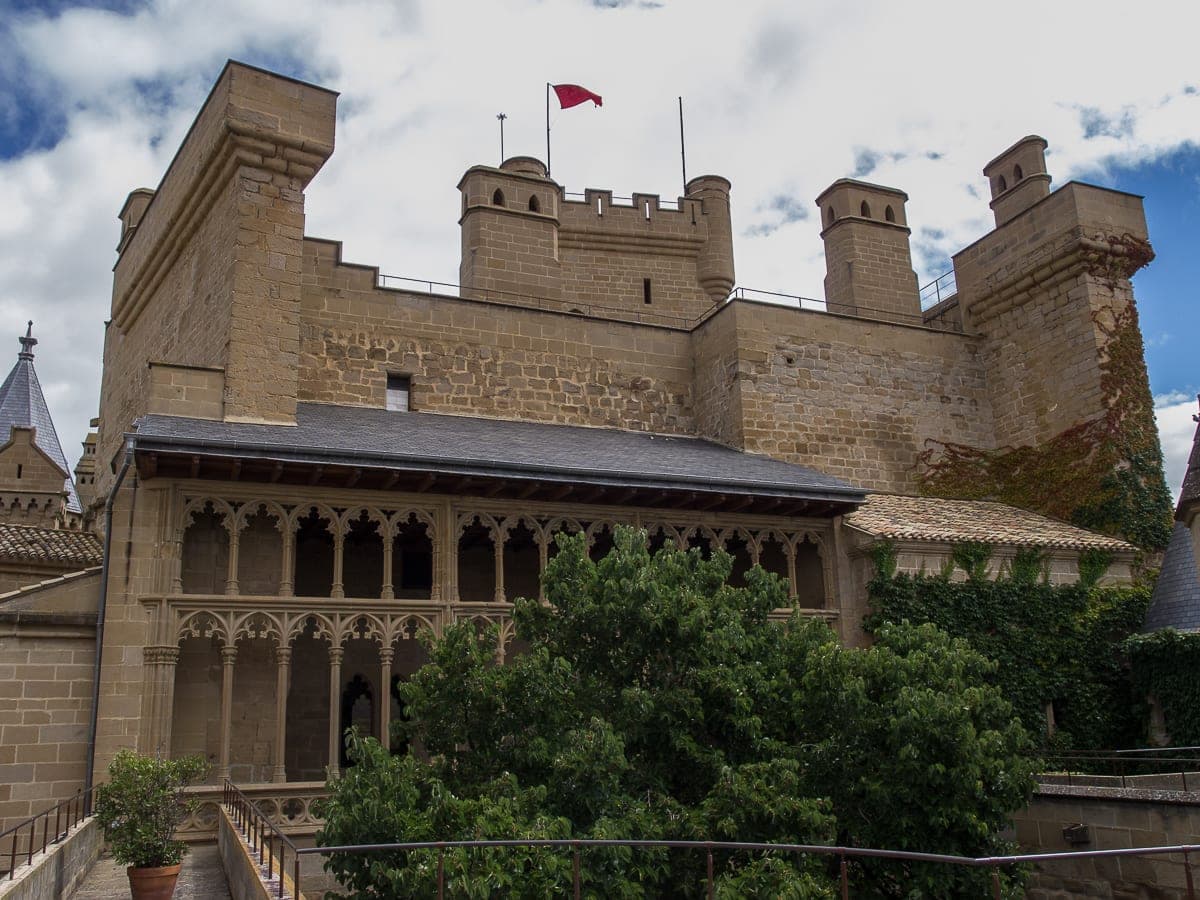
The court seat of Charles III the Noble, the Royal Palace of Olite is one of the great jewels of Gothic civil architecture in Spain and in Europe.