
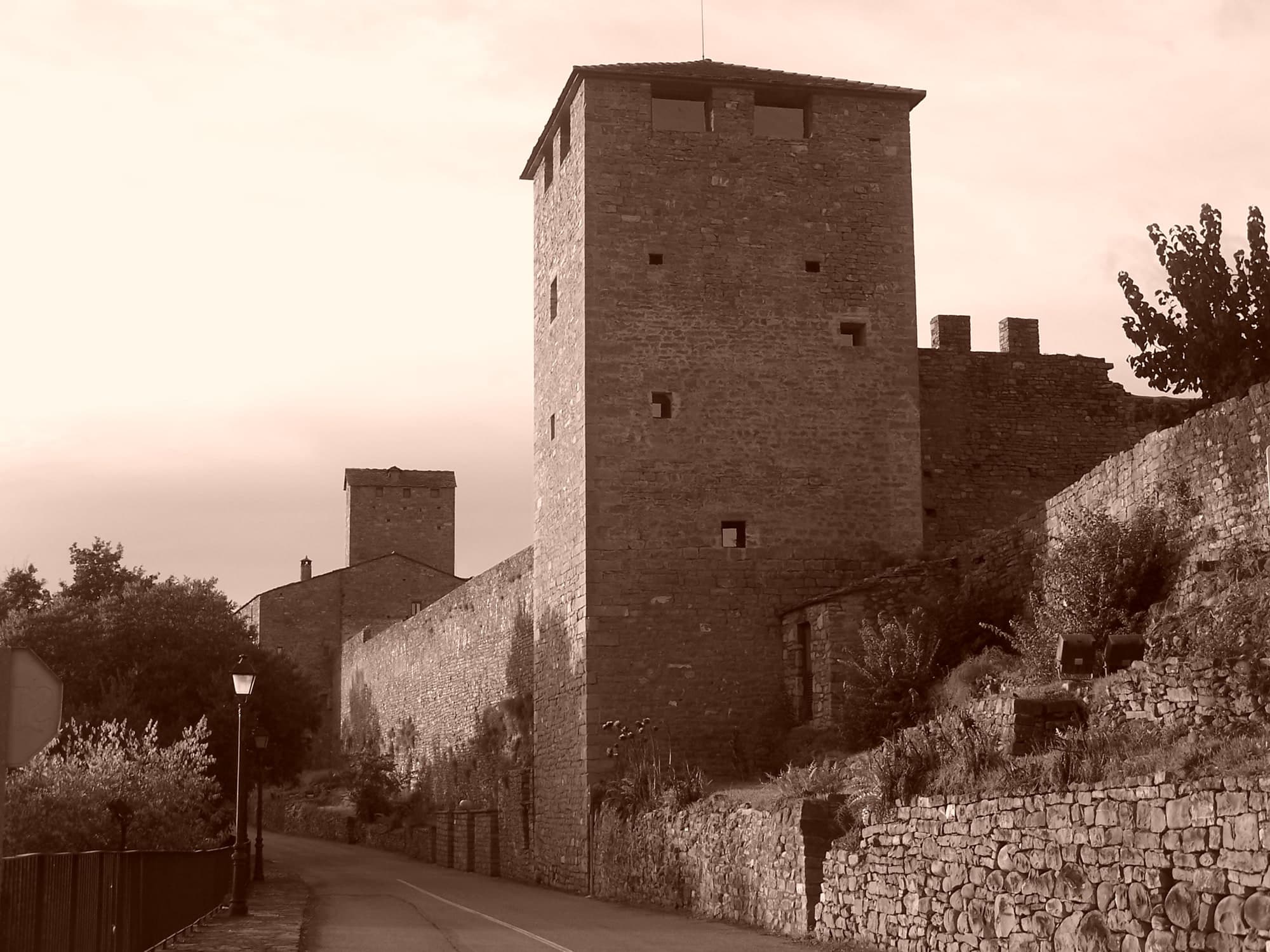
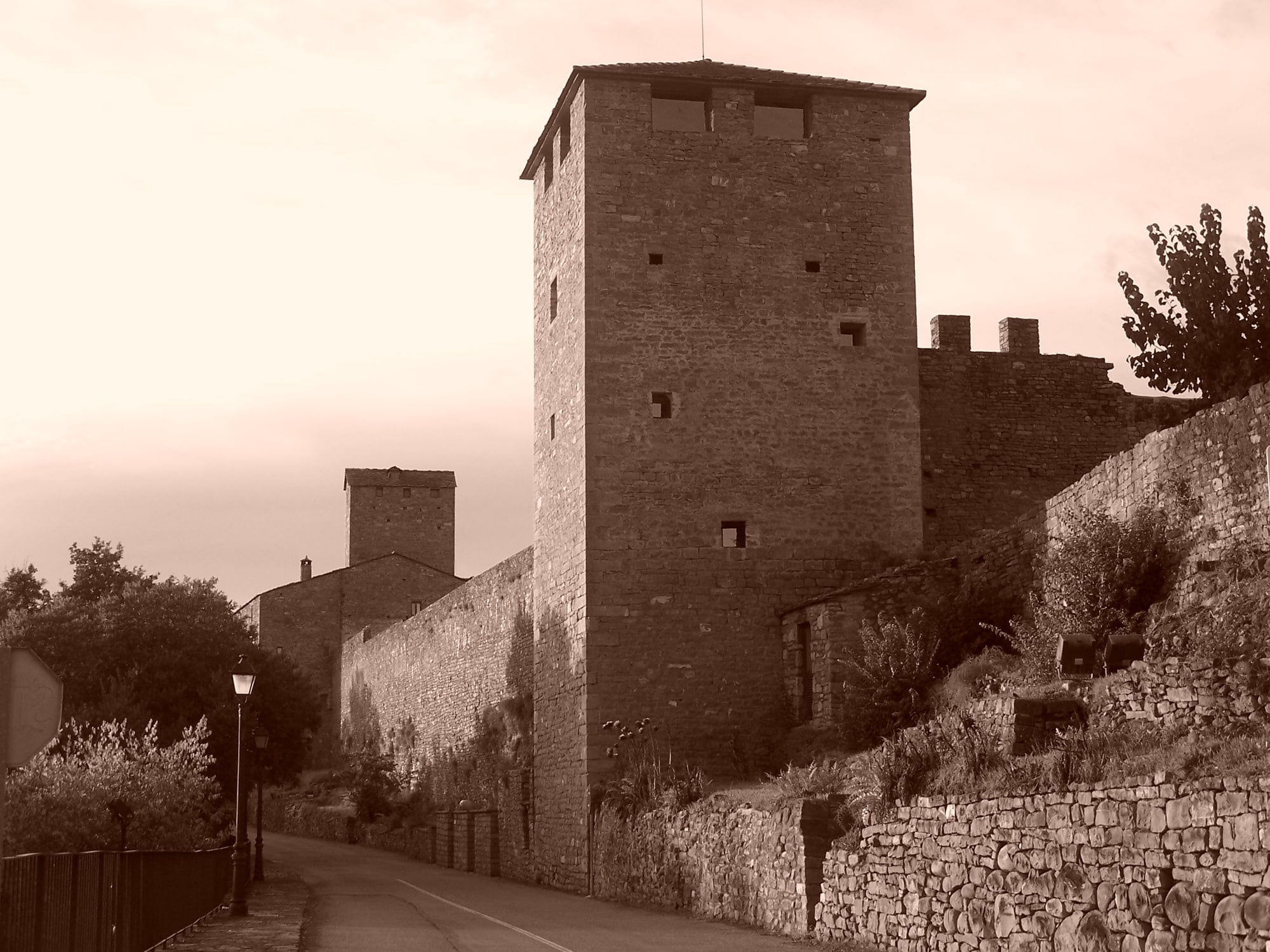
Aínsa Castle
Description
Anyone who reaches Aínsa's main square ends up, almost without meaning to, standing in front of its castle. The fortress closes off the western end of that great arcaded space, giving a stone finishing touch to one of the most recognisable ensembles in the Aragonese Pyrenees. This is no remote monument that requires a dedicated climb: it forms part of the very heart of the town and can be explored as a natural extension of a stroll through the old quarter.
Its location helps explain why it stands there. Aínsa sits at the confluence of the Ara and Cinca rivers, in the heart of the Sobrarbe district, a crossing point between valleys that has always held strategic value. From within the castle grounds you get a clear sense of that commanding position over the meeting of the waters and the mountain landscape surrounding the town.
The value of the complex was recognised early on. By decree of 3 June 1931 it was declared a historic-artistic monument belonging to the National Artistic Treasure, and today it holds the status of a Site of Cultural Interest. It is, therefore, one of those pieces of Aragonese heritage best viewed at a leisurely pace, paying attention both to its walls and to the relationship they share with the square and the rest of the town.
The most striking thing about Aínsa Castle is that it has not been reduced to a mere relic. Its grounds are still very much alive, hosting the concerts of the well-known Aínsa Castle Festival each year, which turns the old defensive enclosure into an open-air stage. It is also where the town's various fairs are held, so depending on when you visit, you may find it silent and monumental or bustling with people, stalls and music. It is well worth checking the calendar before you go: seeing the castle with a concert or fair in full swing is a great way to appreciate how heritage remains part of village life.
Routes that include this monument
Community photos
Log in to upload your photos of this monument.
Best time to visit
Spring and autumn (April–June and September–October), as summers are hot and winters cold.
Location
Similar monuments
 Castle
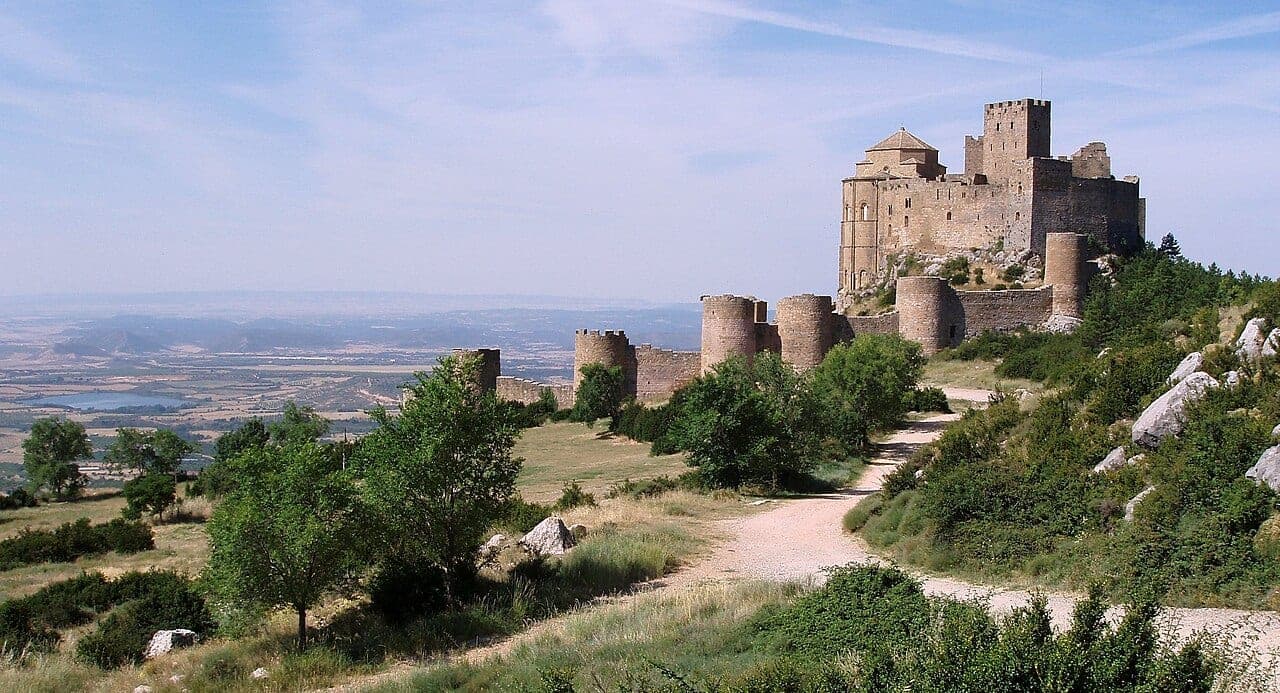
Loarre Castle
Perched on the rock and gazing out over the Hoya de Huesca, Loarre Castle is reputed to be the best-preserved Romanesque fortress in Europe.
 Castle
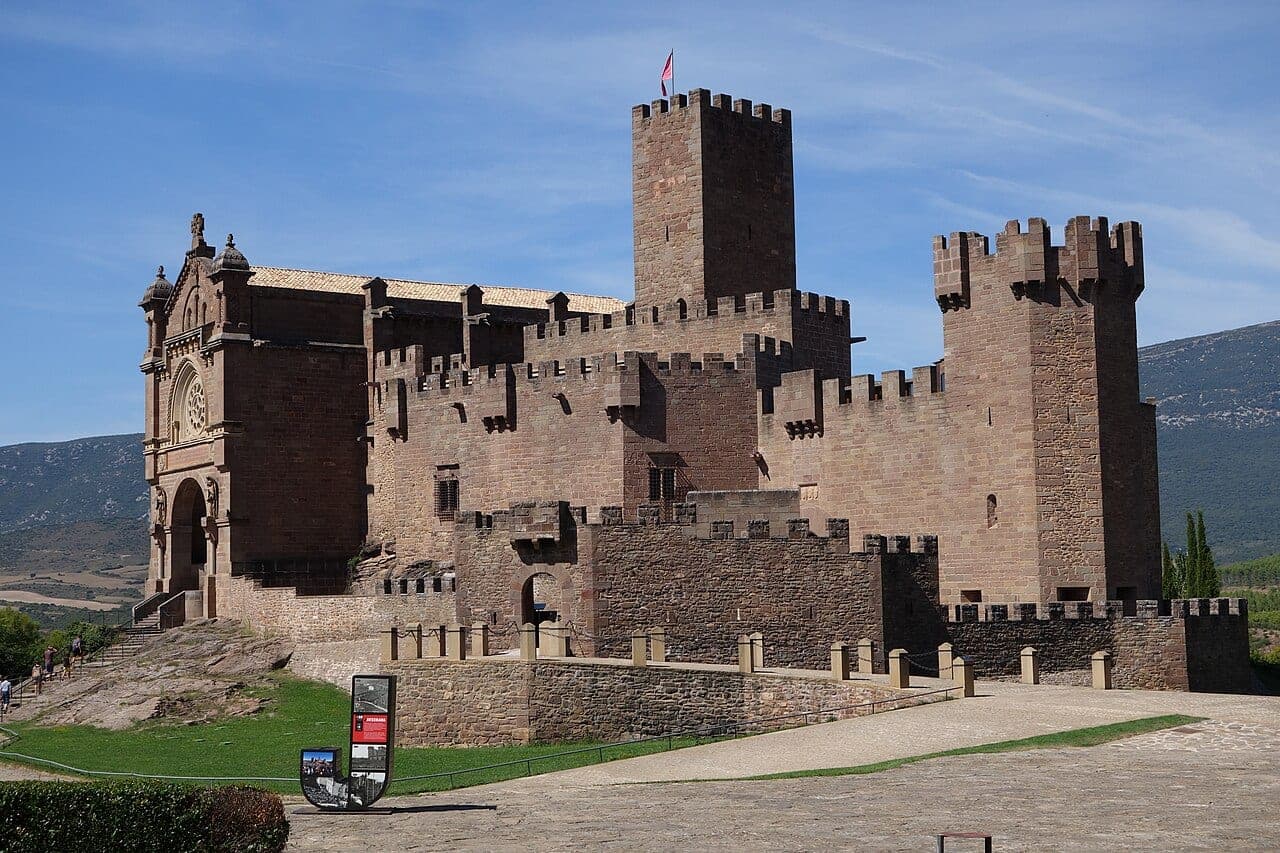
Javier Castle
Perched on a Navarrese hillock stands the castle where Saint Francis Xavier was born, a fortress with roots in the 10th century and the destination of the hugely popular Javieradas pilgrimages each March.
 Castle
Aljafería Palace
Pleasure palace of the taifa kings of Saraqusta and later residence of the Aragonese monarchs, the Aljafería is the great jewel of 11th-century Hispano-Muslim art.
 Castle
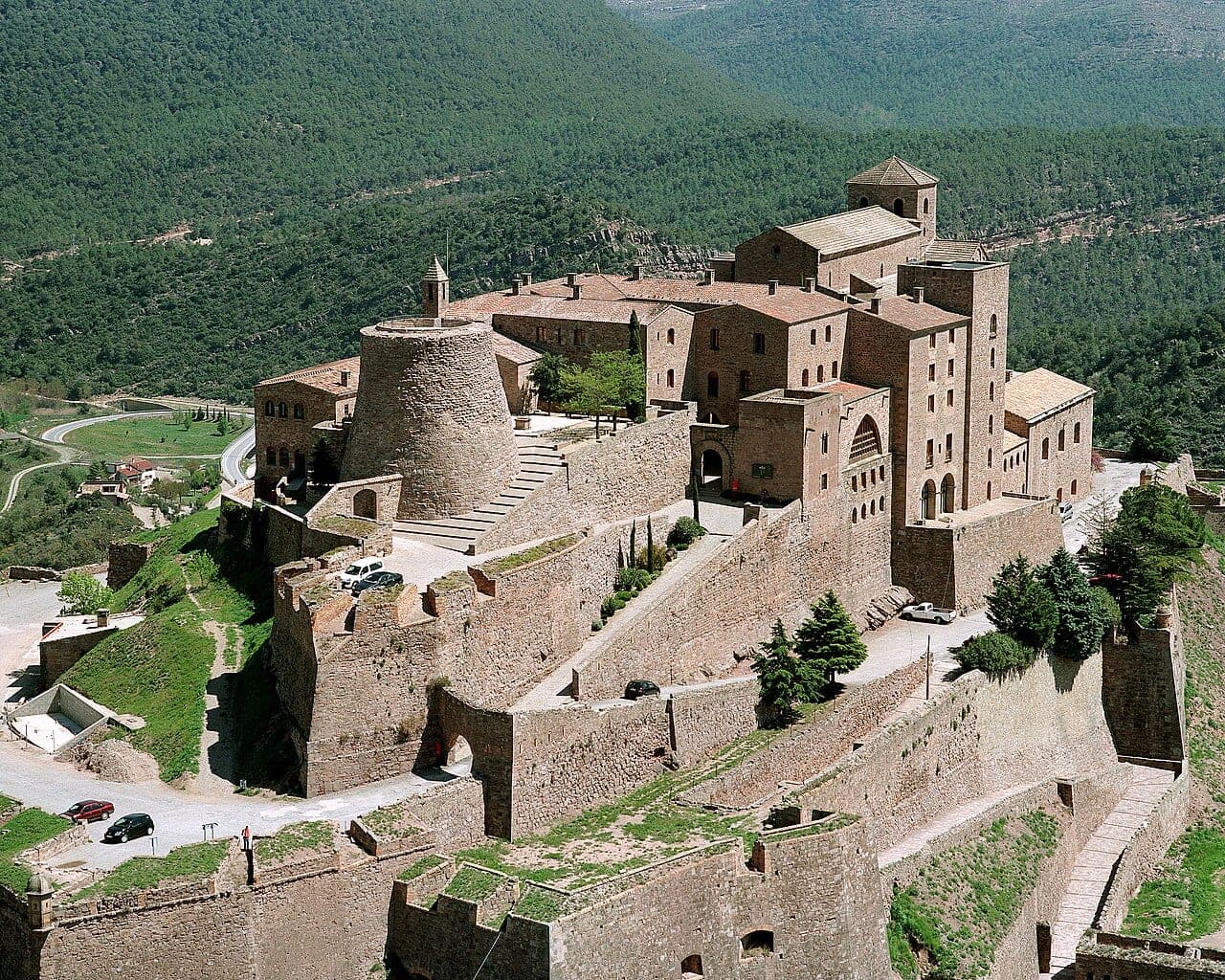
Cardona Castle
Set on a hill overlooking both the salt valley and the Cardener valley, Cardona Castle is probably the most important medieval fortress in Catalonia.