

Aljafería Palace
Description
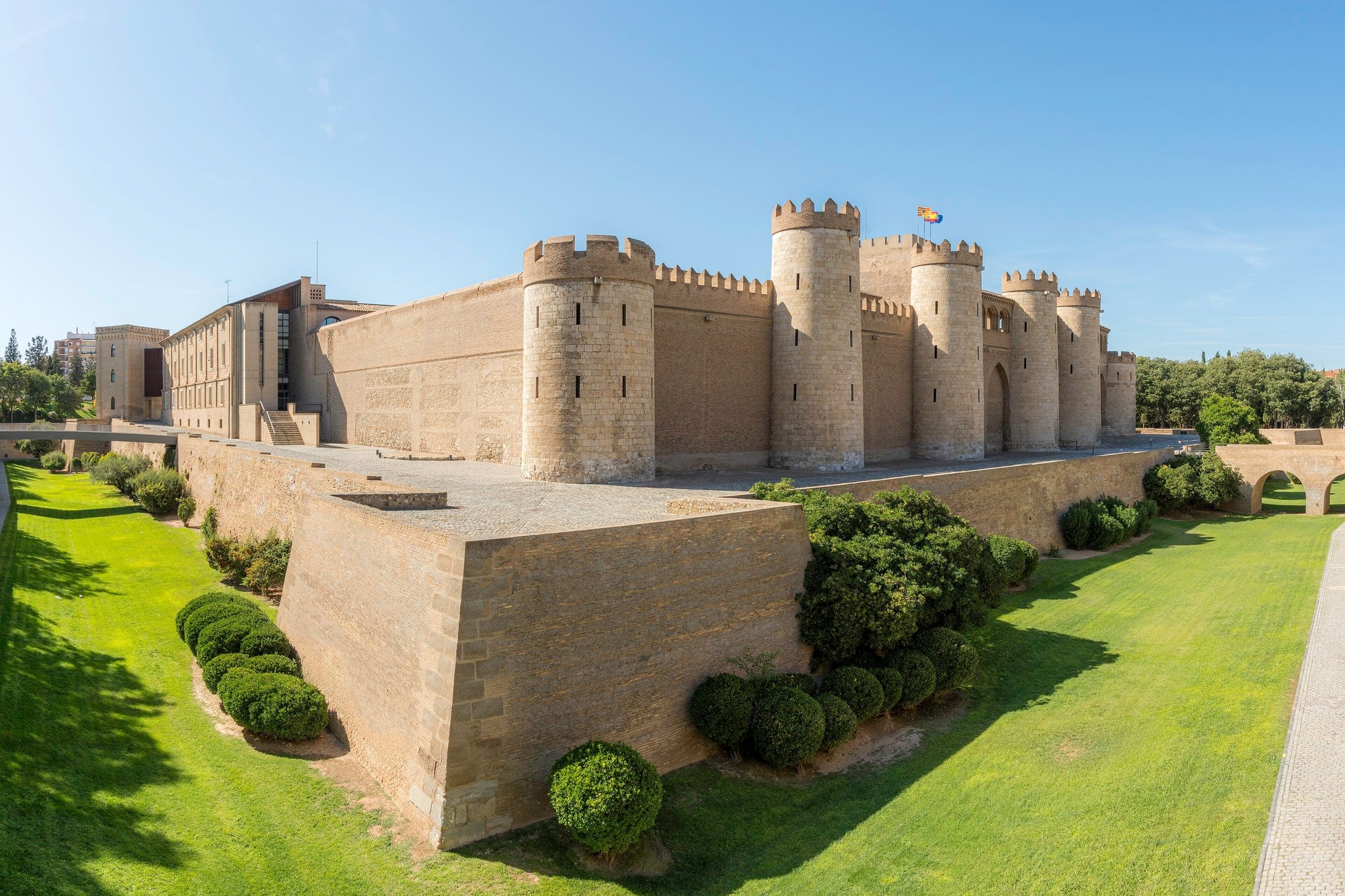
It is not often that you get the chance to pass through a set of walls and step, all at once, from an austere world into a refined one. That was precisely the intention of those who built the Aljafería: behind a rectangular enclosure reinforced by sixteen semicircular towers lay a cultured, delicate interior designed for the enjoyment of the Hudid kings of Saraqusta. Its creator, al-Muqtadir, called it the 'Palace of Joy' in his poems, and the name Aljafería derives, after a long phonetic evolution, from Abu Jafar.
It was built between 1065 and 1081, dates inferred from the inscriptions on some of the capitals, where the monarch appears with the victor's title he adopted after taking Barbastro. It is the only major surviving building of taifa art, which is why, together with the Mosque of Córdoba and the Alhambra in Granada, it forms the essential triad of Hispano-Muslim architecture. Its roots go back to the Umayyad desert palaces of Syria.
The decoration is well worth lingering over: mixtilinear arches, S-shaped springers, broad surfaces of openwork ataurique and plant-motif plasterwork that grows ever more abstract. These solutions left their mark on Almoravid and Almohad art on both sides of the Strait, and their drift towards the geometric anticipates Nasrid art.
After Alfonso I the Battler conquered Saragossa in 1118, the palace passed to the kings of Aragon and became the great centre of Aragonese Mudéjar, whose remains have been a World Heritage Site since 1986. Peter IV the Ceremonious lived here, and in 1492 the main floor was remodelled as a palace for the Catholic Monarchs. From 1593 it was a fortress of Renaissance design, still visible in the moat and gardens, and later a barracks.
The Sieges of Saragossa during the Peninsular War caused it serious damage, but restoration work in the second half of the 20th century returned it to its former splendour. Built outside the Roman walls, on the plain of La Almozara, it now stands within the city, surrounded by a small garden, and is home to the Cortes of Aragon, the regional parliament.
Routes that include this monument
Community photos
Log in to upload your photos of this monument.
Best time to visit
Spring and autumn (April–June and September–October), as summers are hot and winters cold.
Location
Similar monuments
 Castle
 of the Luna Family
Perched on a rocky hillock overlooking Mesones de Isuela stands one of the largest castles in Aragon, once held by the Knights Templar and later by the powerful House of Luna.
 Castle
Loarre Castle
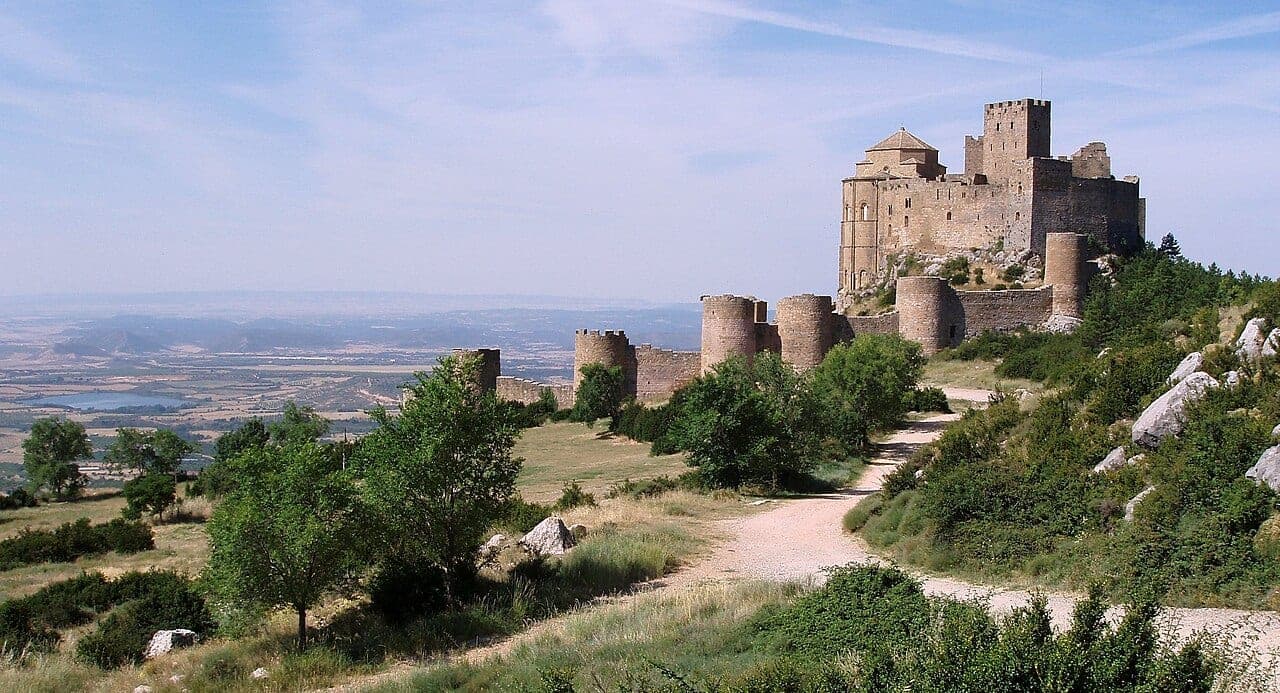
Perched on the rock and gazing out over the Hoya de Huesca, Loarre Castle is reputed to be the best-preserved Romanesque fortress in Europe.
 Castle
Javier Castle
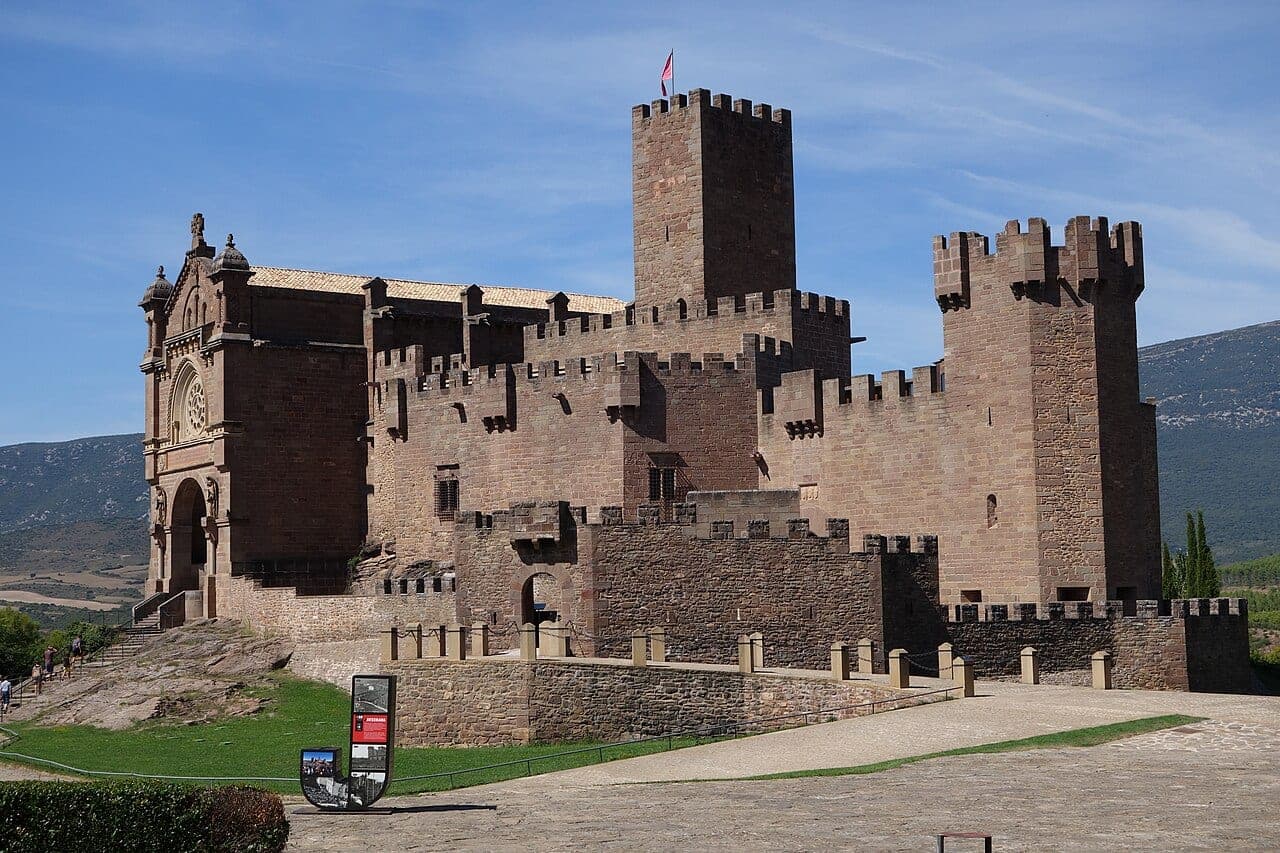
Perched on a Navarrese hillock stands the castle where Saint Francis Xavier was born, a fortress with roots in the 10th century and the destination of the hugely popular Javieradas pilgrimages each March.
 Castle
Royal Palace of Olite
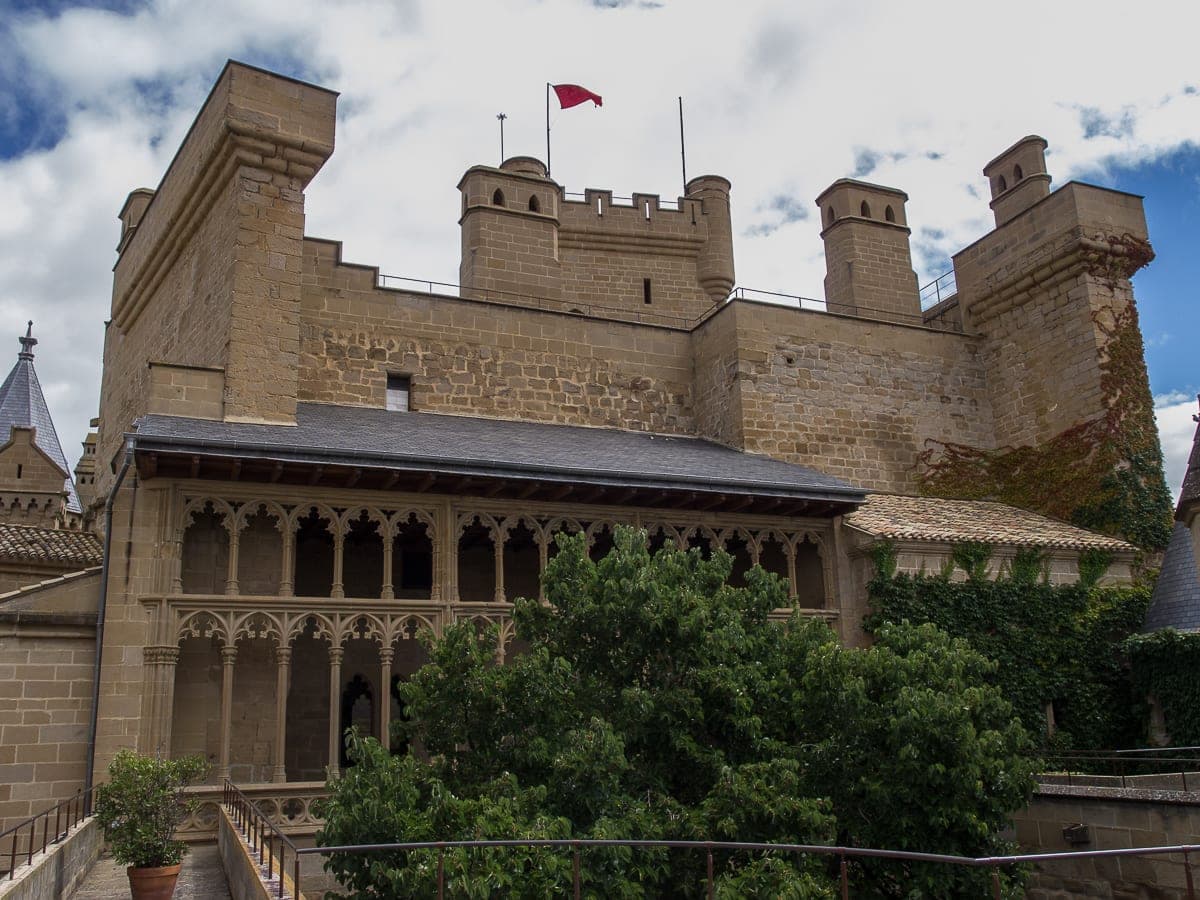
The court seat of Charles III the Noble, the Royal Palace of Olite is one of the great jewels of Gothic civil architecture in Spain and in Europe.