
Royal Palace of Olite
Description
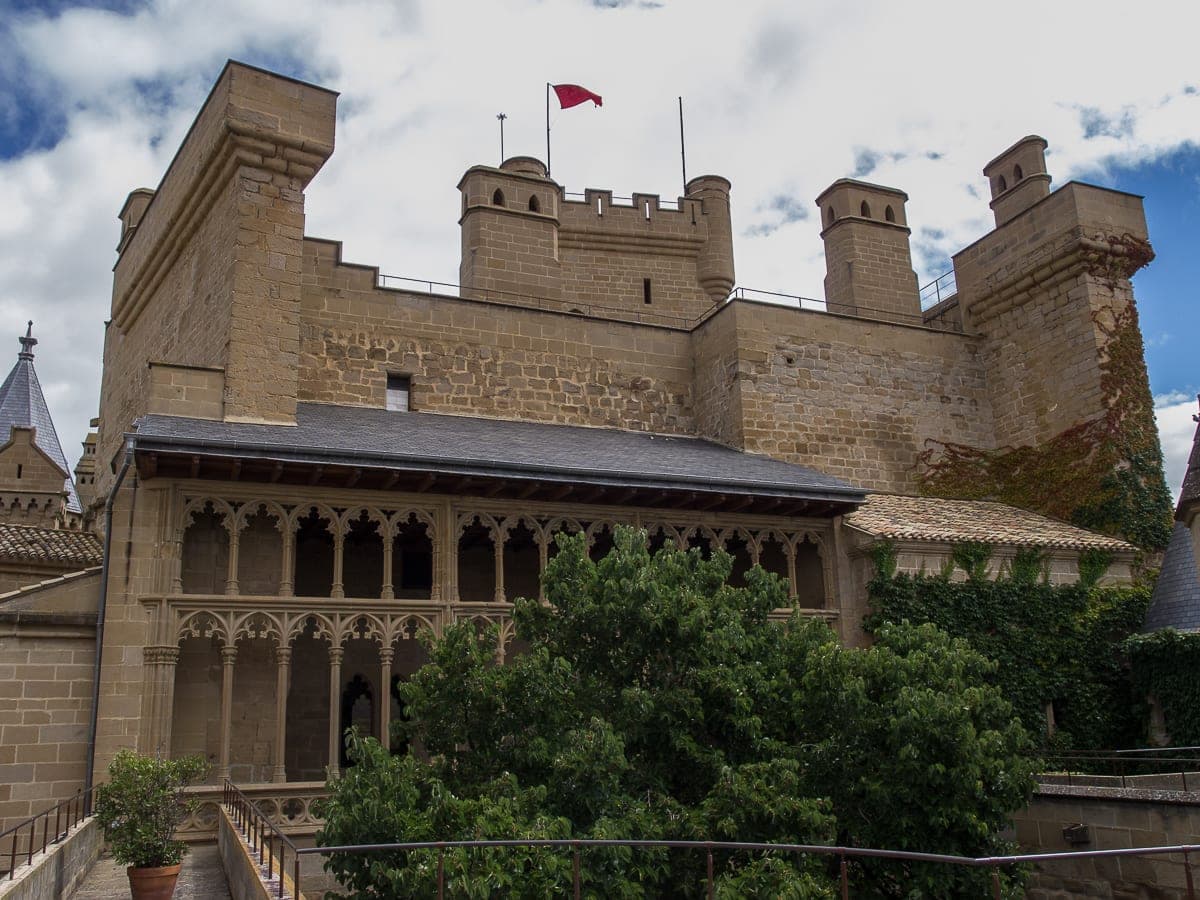
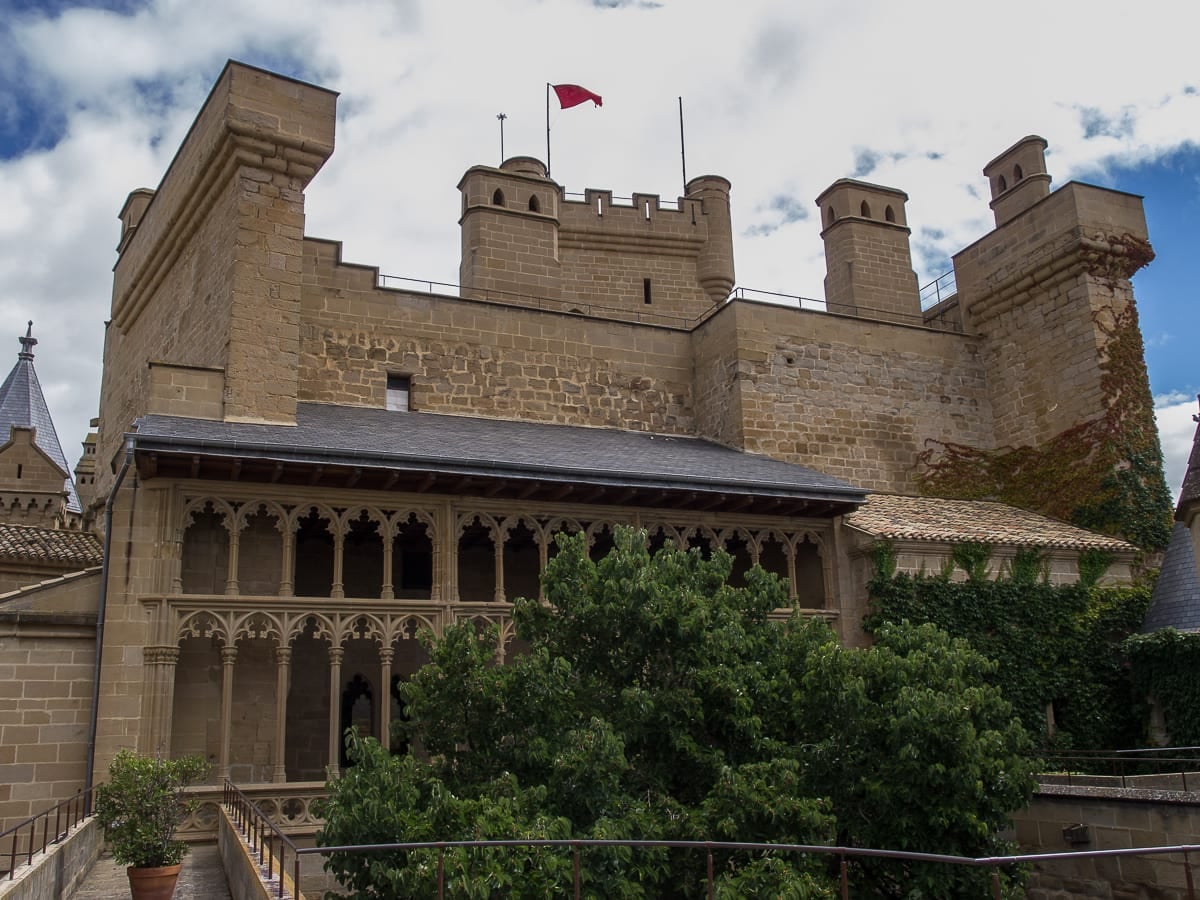
Few silhouettes sum up the history of Navarre as well as that of the Royal Palace of Olite. Its fortress-like appearance has earned it the popular name of castle, but it is in fact a palatial residence, built between the late 14th and early 15th centuries, and today it is regarded as one of the most important examples of Gothic civil architecture in both Spain and Europe. It is also the largest complex of its kind surviving in Navarre and, quite probably, the region's most emblematic civil monument.
Its raison d'être is bound up with Charles III, known as the Noble, who made Olite one of the seats of the court of the Kingdom of Navarre. The new palace did not appear out of nowhere: beside it stands the older Palace of the Theobalds, built in the 13th and 14th centuries, which until then had served as the royal residence. Together with the church of Santa María la Real, the two buildings form a heritage ensemble that is best explored as a whole in order to understand how this seat of power grew over time.
Official recognition came early: in 1925 it was declared a National Monument along with the church of Santa María, and today it is protected as a Site of Cultural Interest and owned by the Government of Navarre. Within its walls lies a surprise for the observant visitor: a black mulberry tree that has been declared a Natural Monument of Navarre, a living detail in conversation with the palace's stonework.
It is hardly surprising that it has become the most visited tourist attraction in the region. Those who come in summer will find the palace in full swing, as it is the main venue of the Olite Classical Theatre Festival, a wonderful opportunity to watch these courtly spaces regain, as evening falls, something of the theatrical life they must have known in the days of the Navarrese kings.
Routes that include this monument
Community photos
Log in to upload your photos of this monument.
Best time to visit
Spring and autumn (April–June and September–October).
Location
Similar monuments
 Castle
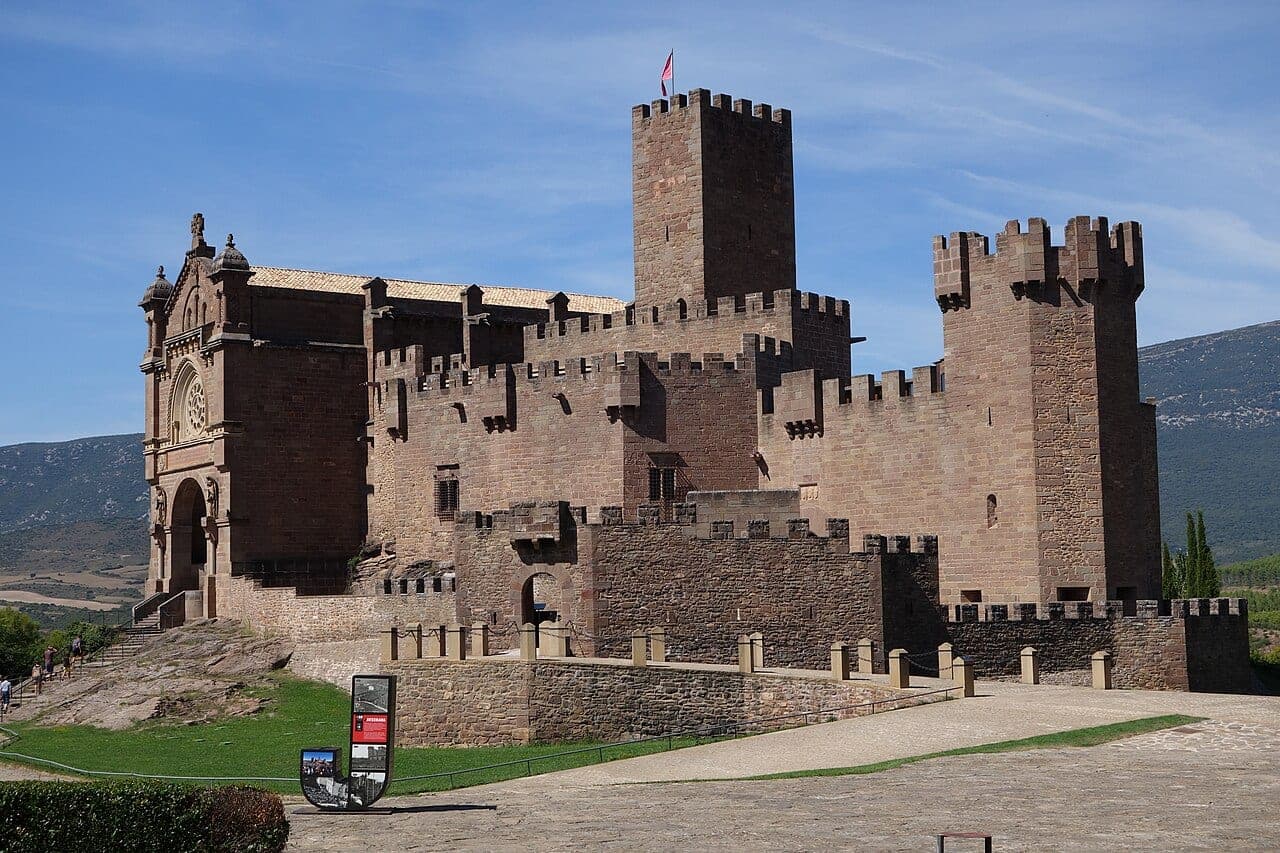
Javier Castle
Perched on a Navarrese hillock stands the castle where Saint Francis Xavier was born, a fortress with roots in the 10th century and the destination of the hugely popular Javieradas pilgrimages each March.
 Castle
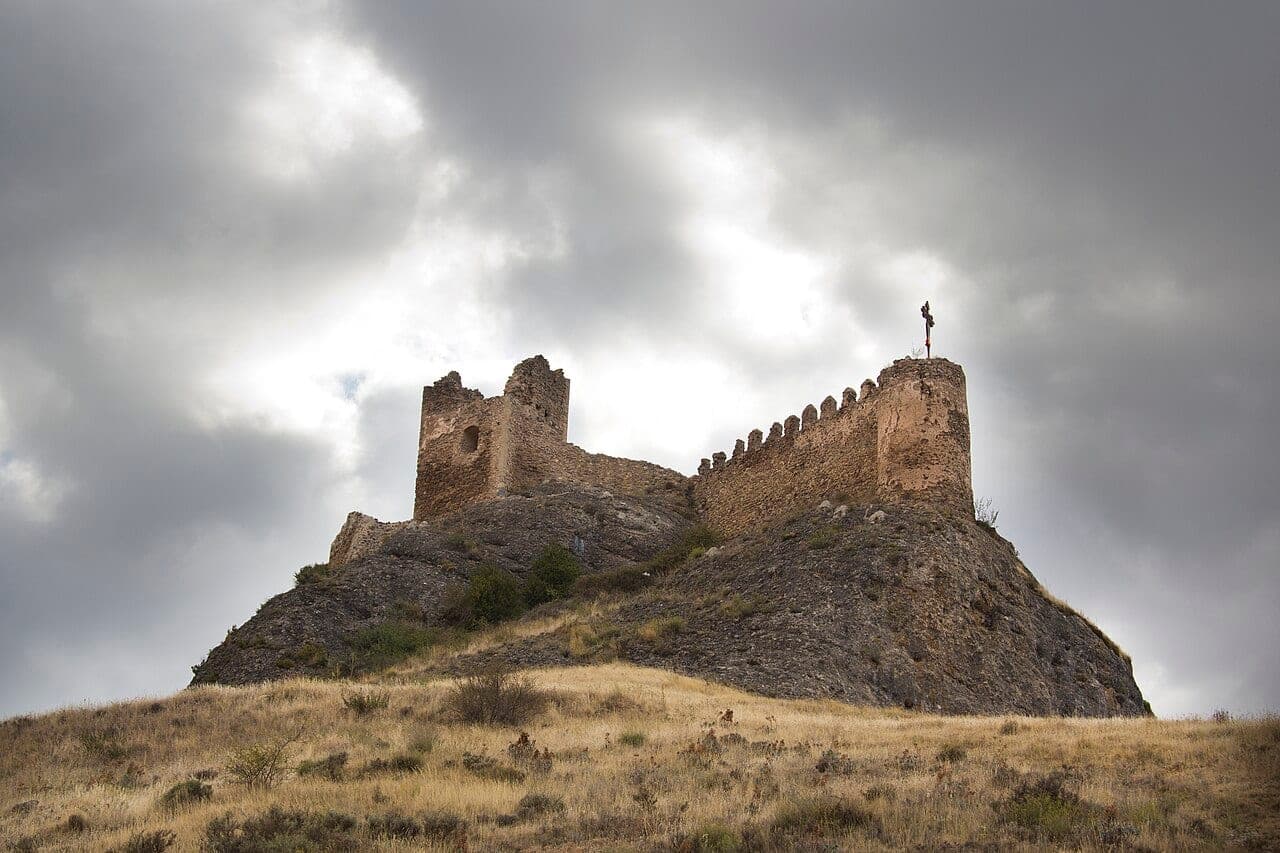
Clavijo Castle
An 11th-century fortress perched on a rocky escarpment above Clavijo, linked to the legendary battle in which, according to tradition, the Apostle St James appeared.
 Castle
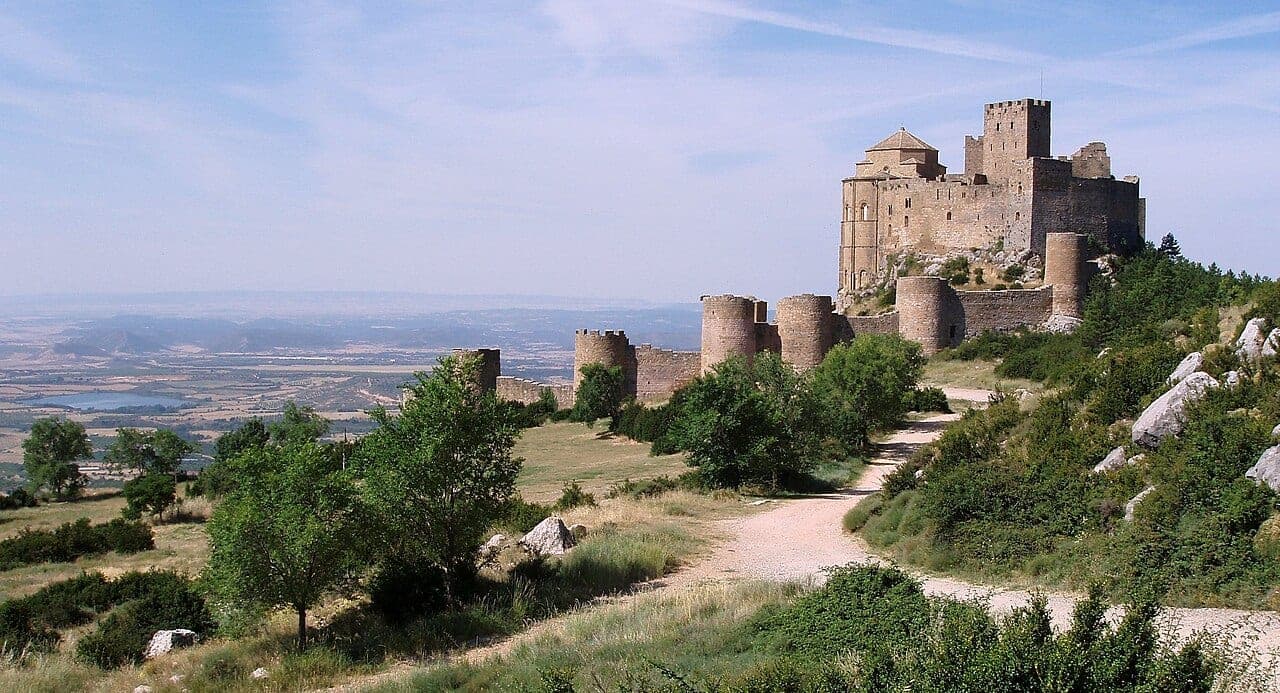
Loarre Castle
Perched on the rock and gazing out over the Hoya de Huesca, Loarre Castle is reputed to be the best-preserved Romanesque fortress in Europe.
 Castle
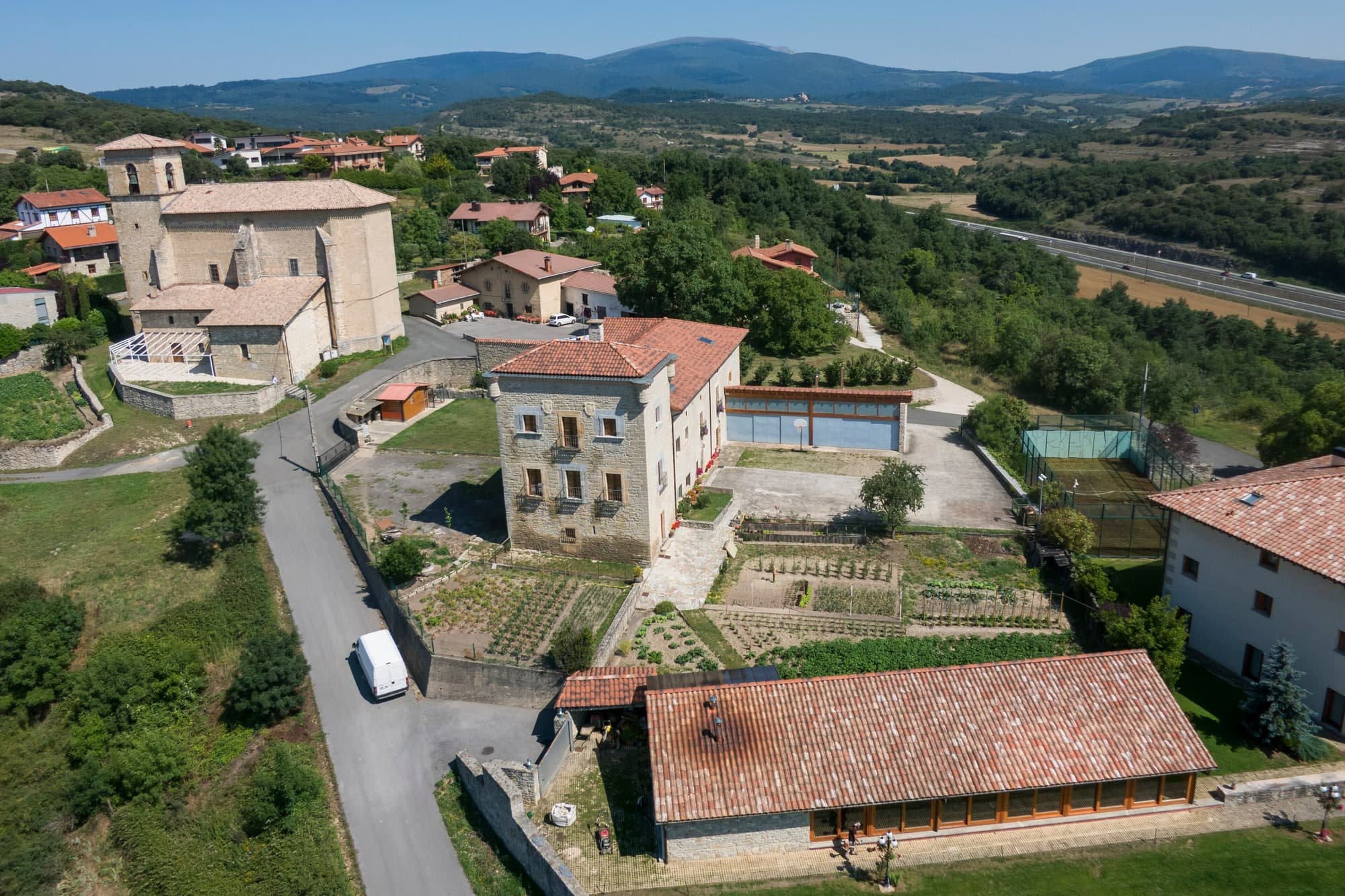
Letona Tower
In the Álava hamlet of Letona, a prestige tower from the late 16th or early 17th century which, together with the palace of the López de Letona family, speaks more of lineage than of warfare.