

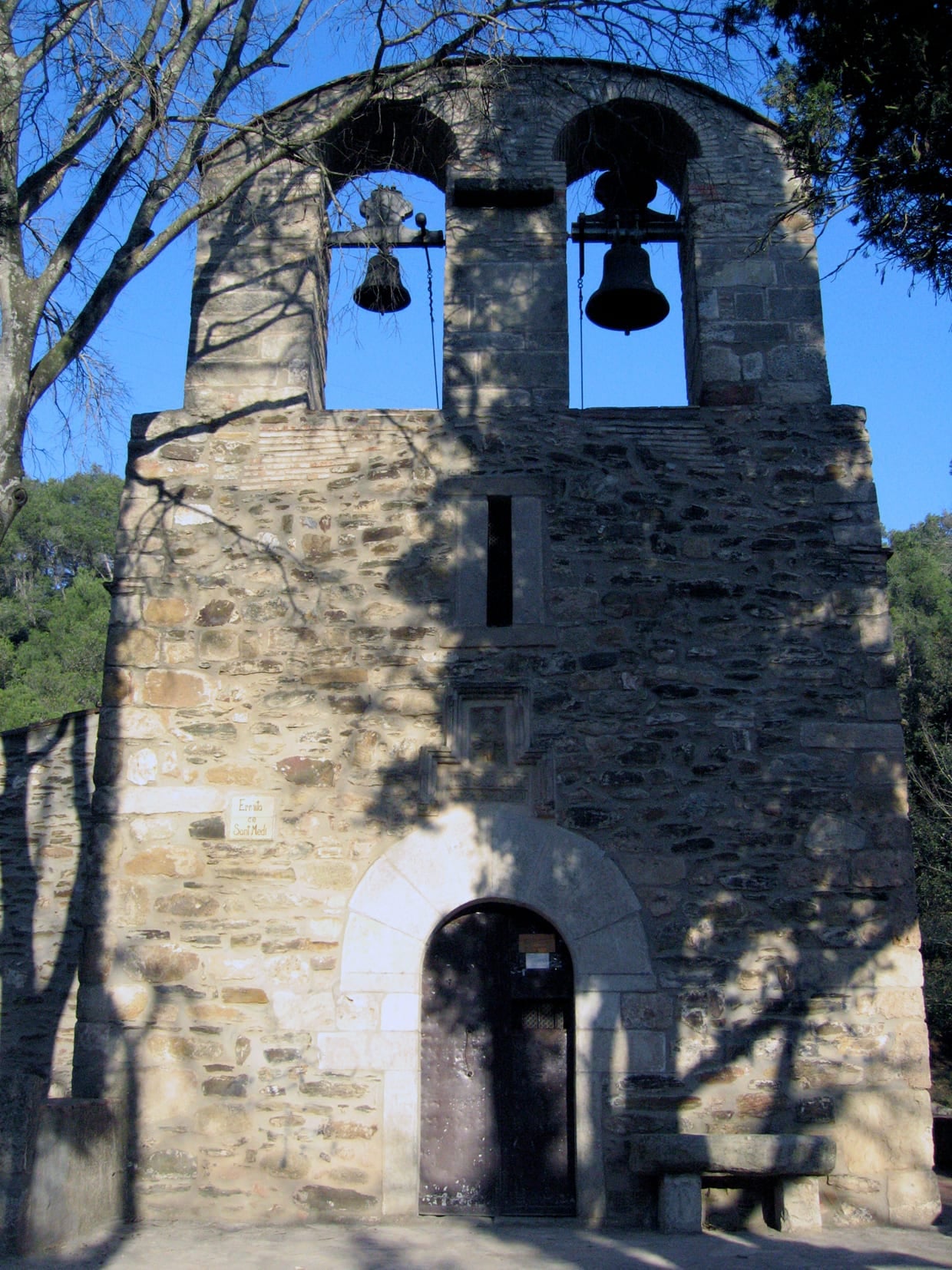
Sant Medir Hermitage
Description
Deep in the heart of the Collserola hills, within the municipality of Sant Cugat del Vallès, stands this simple hermitage, which every 3 March becomes the meeting point for one of the area's most deeply rooted celebrations: the trobada de Sant Medir. Getting there is also a journey through history, as it lies close to the old Roman road that linked Egara, present-day Terrassa, with Barcino and which, after passing through Castrum Octavianum, today's Sant Cugat, headed into the hills along the Gausac valley, also known as the Sant Medir valley.
Its roots go back a very long way. As early as 962 it is recorded as a property of the Monastery of Sant Cugat and as one of the five parishes within its domain, and at that time it was known as San Emeterio. The monks looked after it until 1446. Although its origins are Romanesque, successive alterations have left barely any trace of that first building.
What visitors see today is a rectangular church with a sacristy, topped by a bell gable. It is worth pausing at the round-arched doorway, where a relief dated 1447 depicts the Holy Trinity. Inside are some 1948 sketches by local artist Josep Grau-Garriga, who designed a series of murals that were never carried out: a curious glimpse of what might have been.
As the legend of Saint Medir spread, the site became a destination for pilgrims. The first pilgrimage was held in 1802 and, from 1846, it was joined by pilgrims from the town of Gràcia, then independent from Barcelona. The hermitage suffered a severe blow in July 1936, when it was looted and set on fire, but the tradition has survived and continues to bring this corner of the hills to life.
Routes that include this monument
Community photos
Log in to upload your photos of this monument.
Best time to visit
Spring and autumn, although it can be visited almost all year round on the coast.
Location
Similar monuments
 Castle
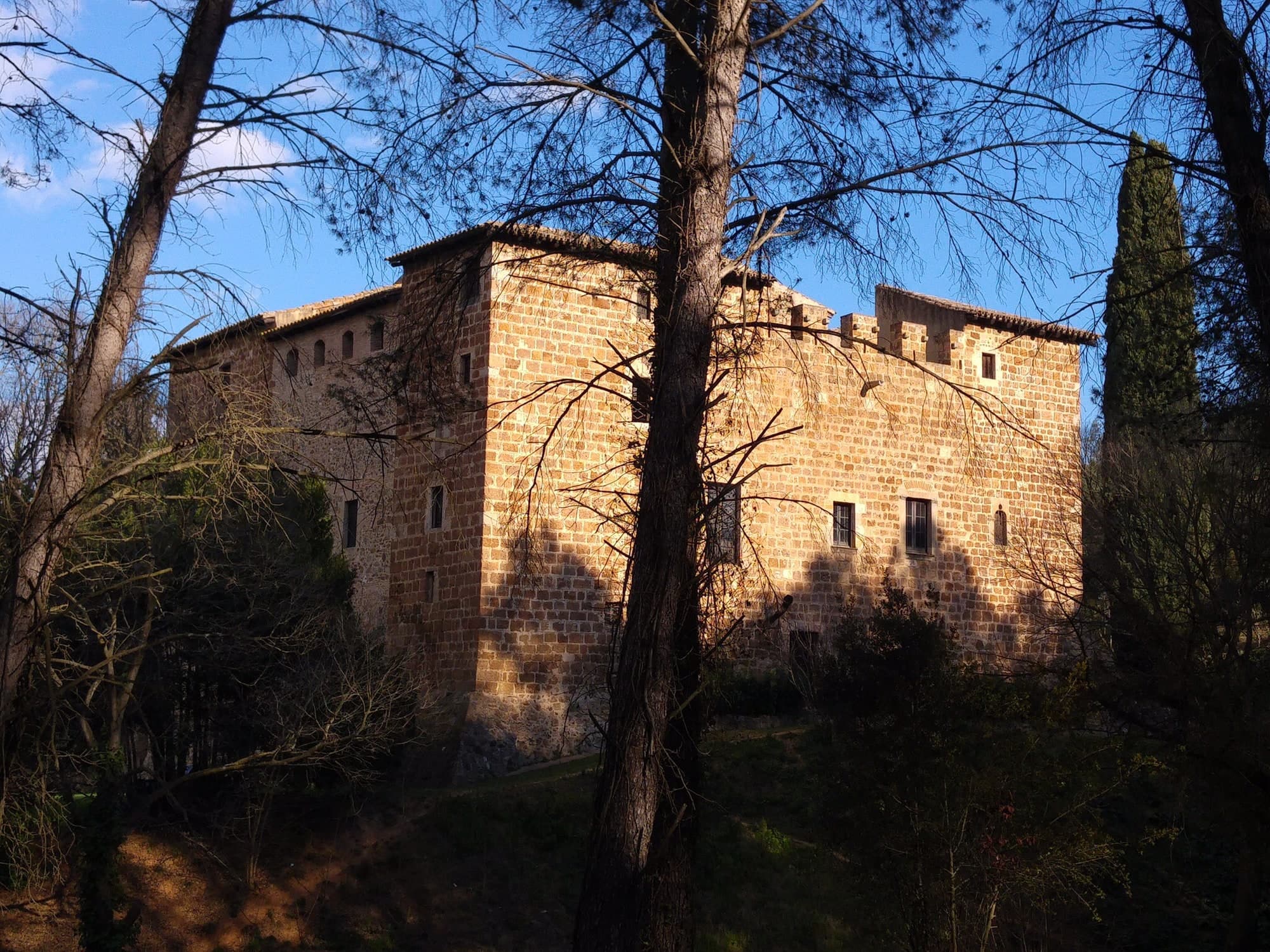
Torre Negra of Sant Cugat
A Romanesque castle of dark stone between Collserola and the Vallès, the source of long-running legal disputes with the monastery of Sant Cugat and today one of the best-preserved in the area.
 Monastery
 of Sant Cugat
A former Benedictine abbey built between the 9th and 14th centuries, once the most important in the County of Barcelona, with a cloister that alone makes the visit worthwhile.
 Monastery
Pedralbes Monastery
The Royal Monastery of Santa Maria de Pedralbes is a Gothic complex in Barcelona that, for eleven years, housed part of the Thyssen-Bornemisza collection.
 Church
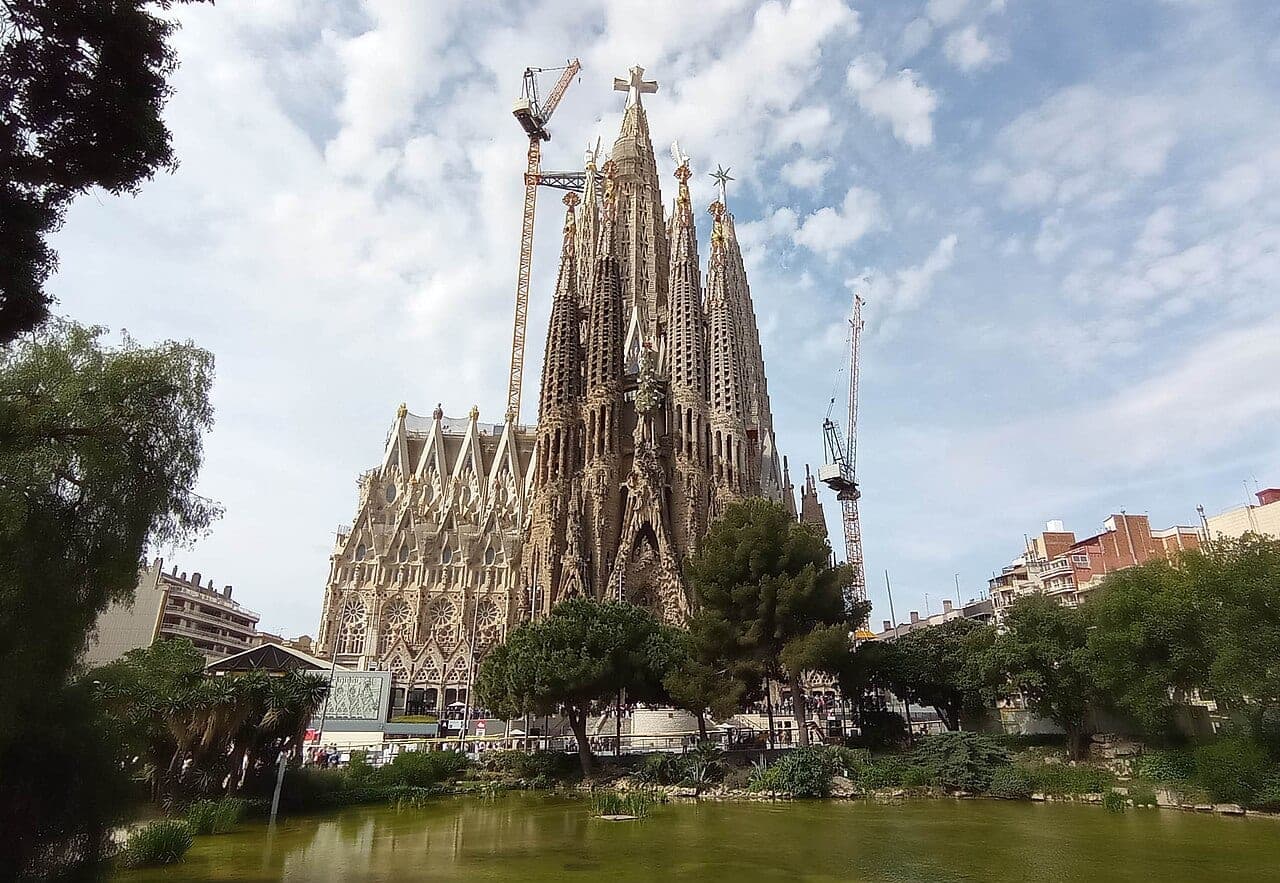
Sagrada Família
Gaudí's unfinished masterpiece, a stone forest of a temple under construction since 1882 that is now the tallest church in the world and the crowning jewel of Catalan Modernisme.