
Torre Negra of Sant Cugat
Description
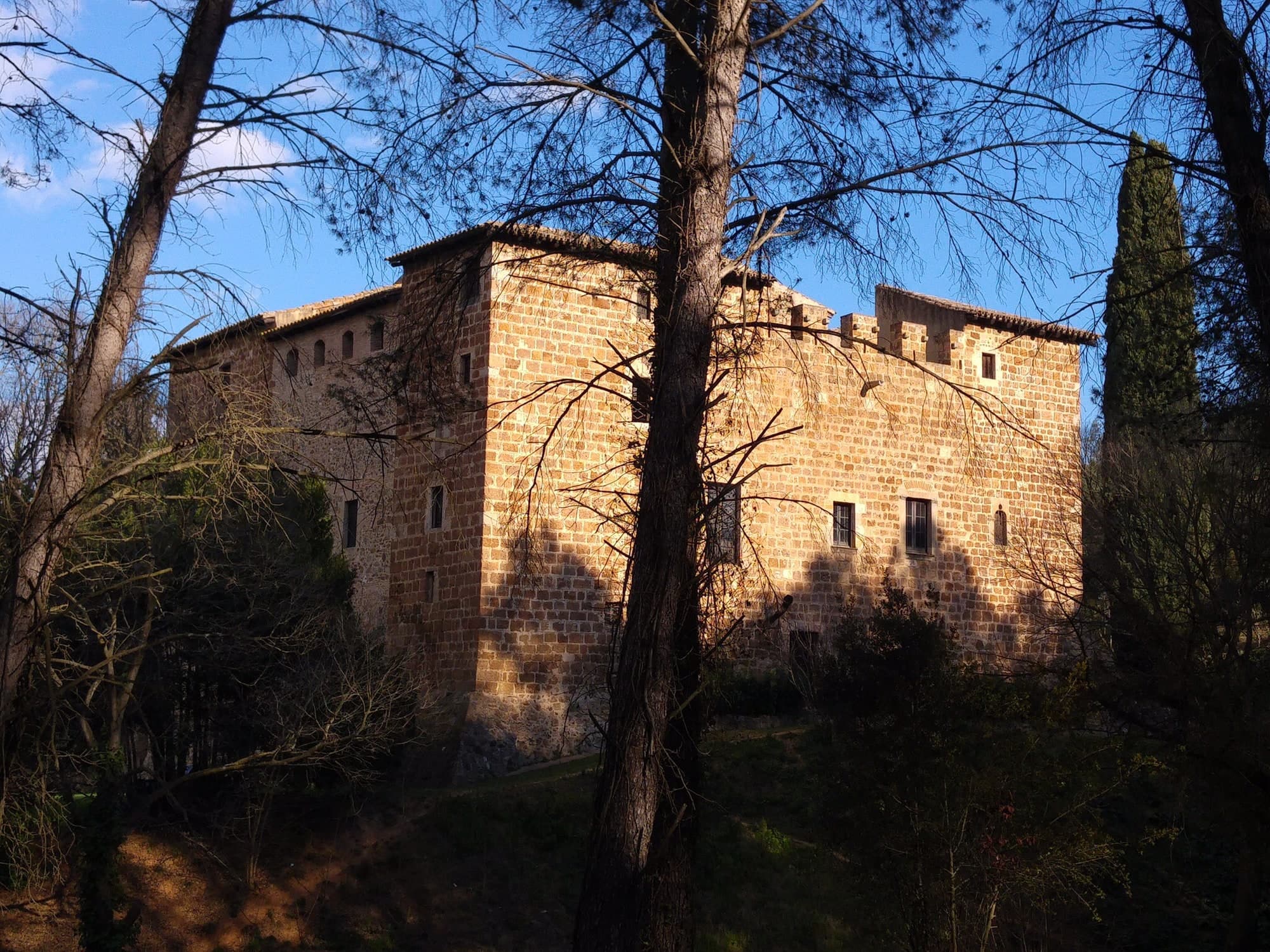
The first thing that strikes you about the Torre Negra is the colour of its walls: a dark stone that has given it the name by which it is known today. It rises in a natural setting between two streams, right at the entrance to the Gausac valley, where the Collserola hills give way to the southern fields of the Vallès plain. From this spot the view takes in the entire horizon to the north, which goes a long way to explaining why someone chose to build a military structure here.
The Romanesque building has survived to the present day in very good condition. It has a square plan and stands three storeys high, with a square tower attached at one of its corners. It is worth taking a close look at the details of the façade: some of the windows are mullioned twin windows, and the entrance door opens beneath a round arch, features that betray its medieval origins.
Its history begins in the 12th century, when a castle called Ricanli or Ricard stood here, built in the time of Abbot Ermengol. Everything suggests that it was later rebuilt, between the 14th and 15th centuries. Its first known inhabitants were the Vilanova family, in that same 12th century, after which the property passed into the hands of the Palou family.
Life was far from peaceful for this fortress. For much of the Middle Ages its owners were locked in legal disputes with the powerful monastery of Sant Cugat, which opposed its construction, an episode that helps shed light on the tensions between lords and abbeys in the medieval Vallès.
Since 1842 the tower has been privately owned and belongs to the Rabadà family, so the sensible thing is to admire it from the outside, making the most of a stroll through this corner between the hills and the plain.
Routes that include this monument
Community photos
Log in to upload your photos of this monument.
Best time to visit
Spring and autumn, although it can be visited almost all year round on the coast.
Location
Similar monuments
 Castle
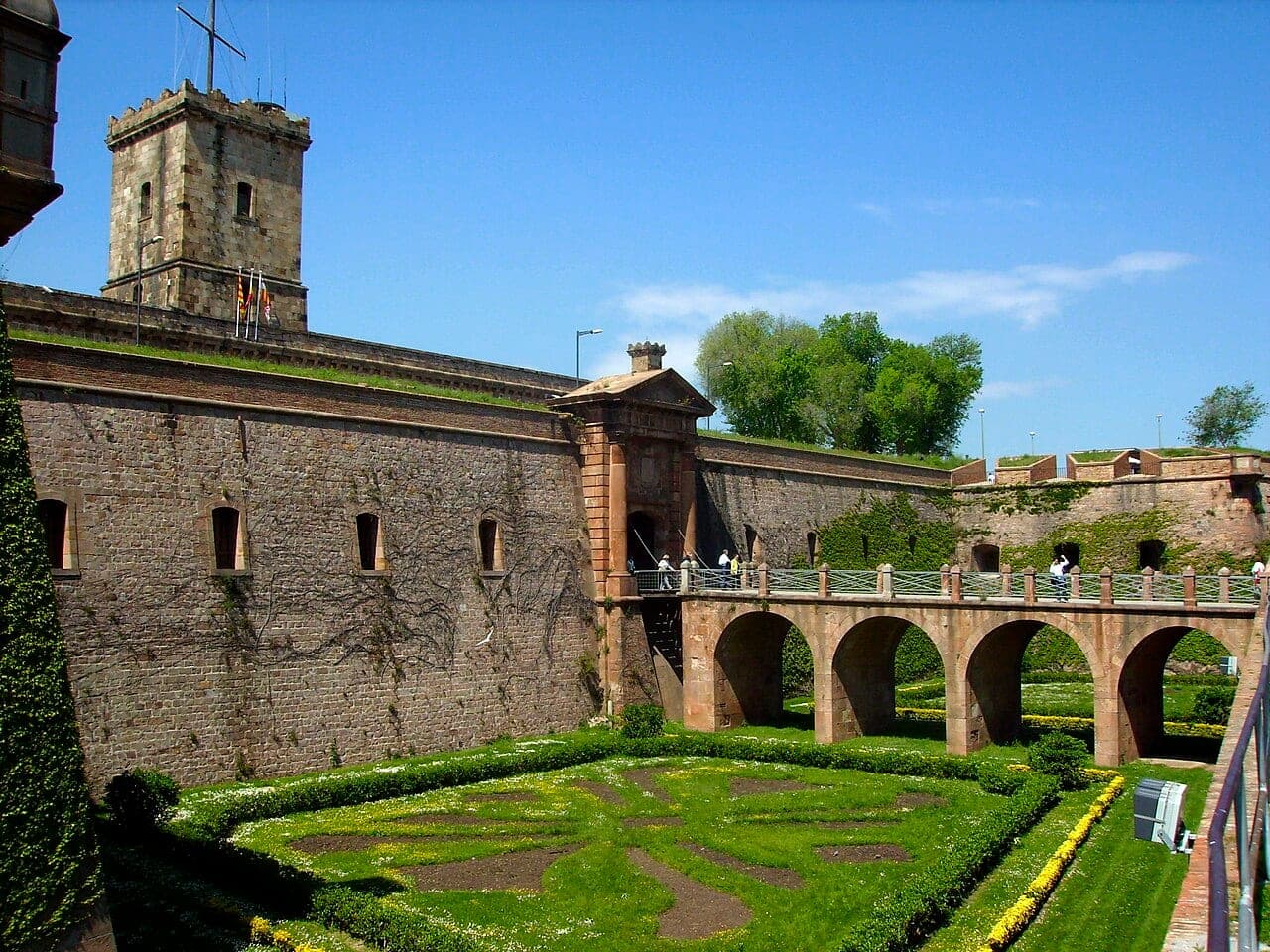
Montjuïc Castle
A former military fortress perched atop Montjuïc hill, witness to many episodes in Barcelona's history and now in the city's hands.
 Castle
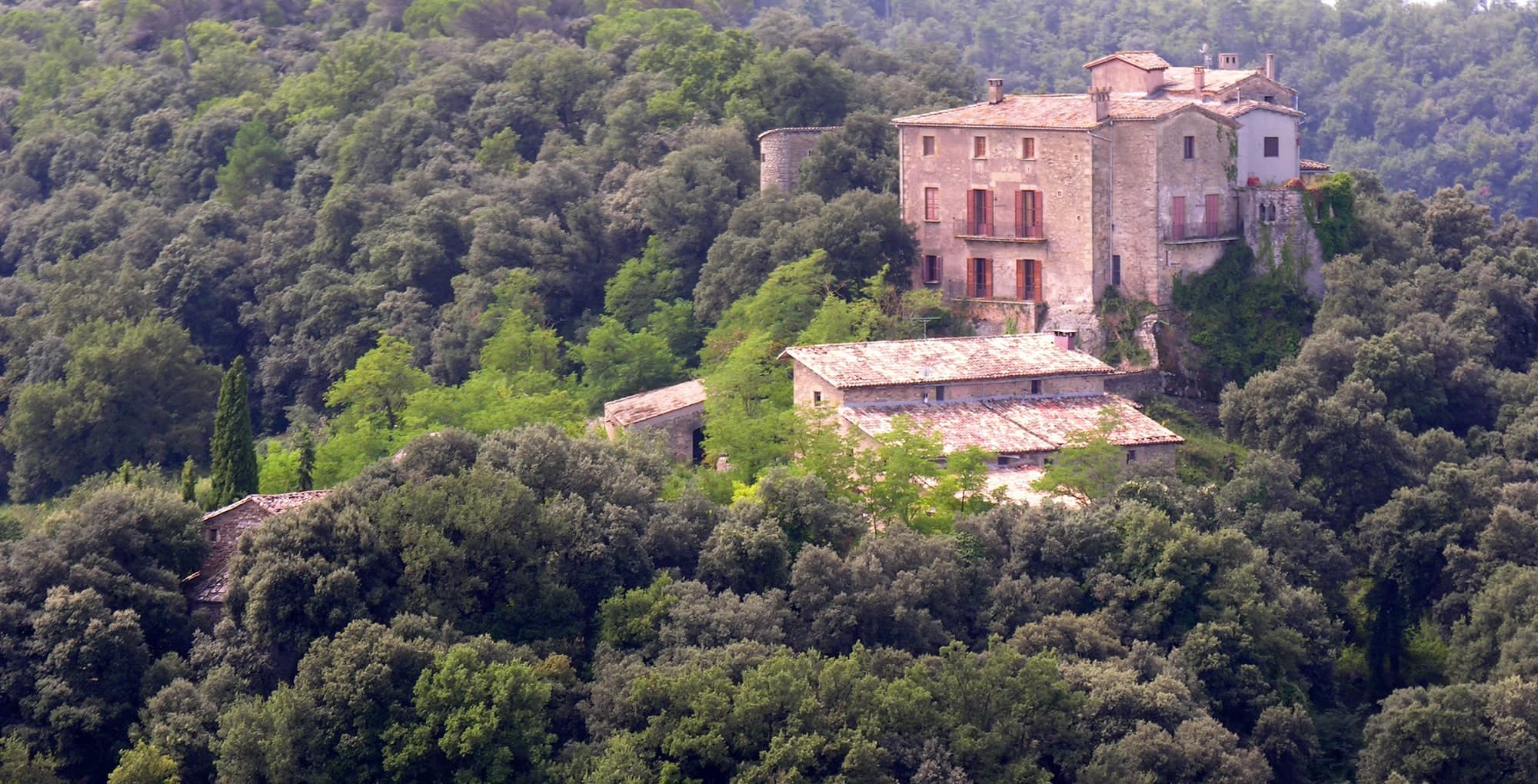
Savassona Castle
A medieval castle in Tavèrnoles, protected as a Property of Cultural Interest since 1949 and as a Cultural Asset of National Interest, inviting visitors to discover the area's past.
 Castle
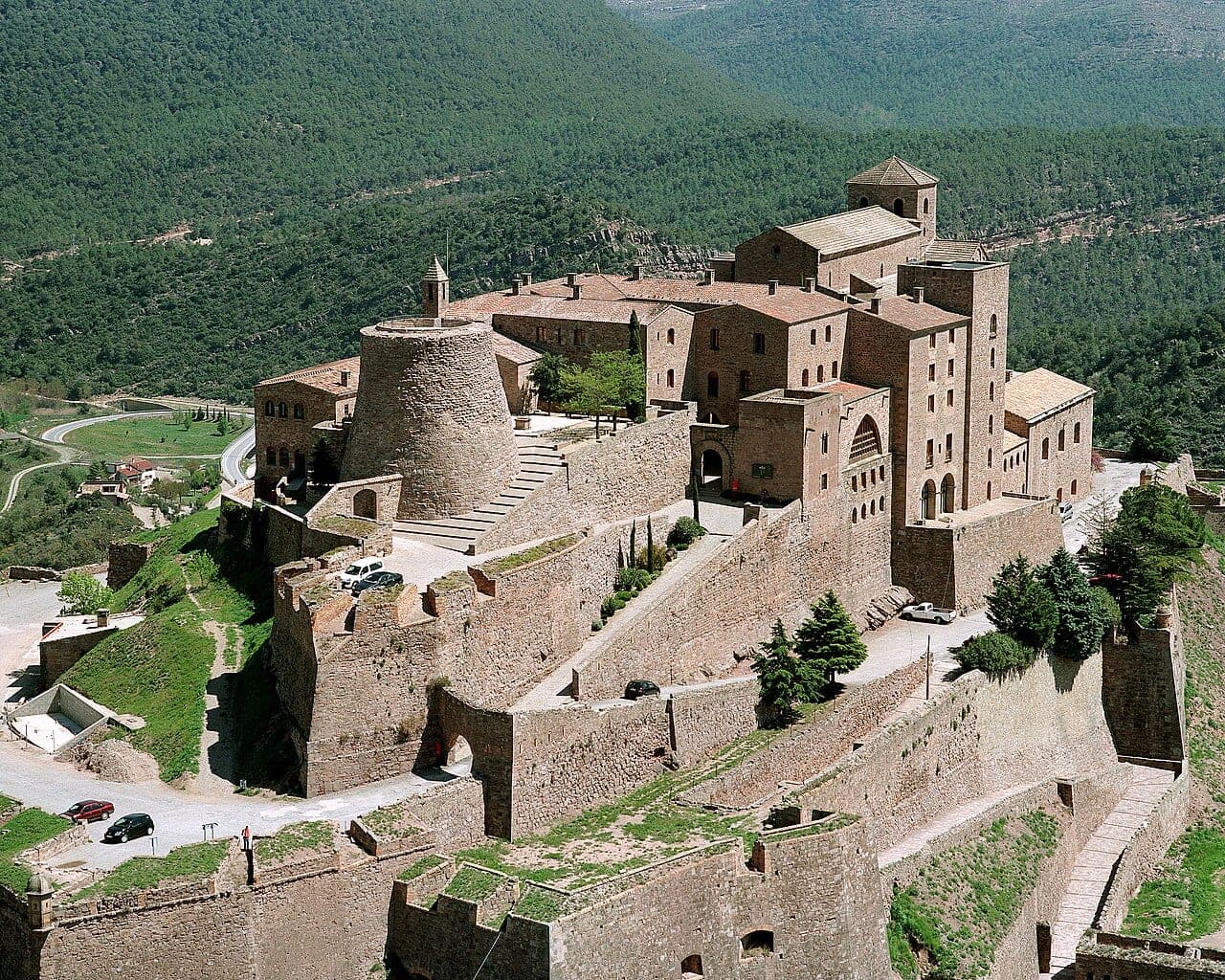
Cardona Castle
Set on a hill overlooking both the salt valley and the Cardener valley, Cardona Castle is probably the most important medieval fortress in Catalonia.
 Castle
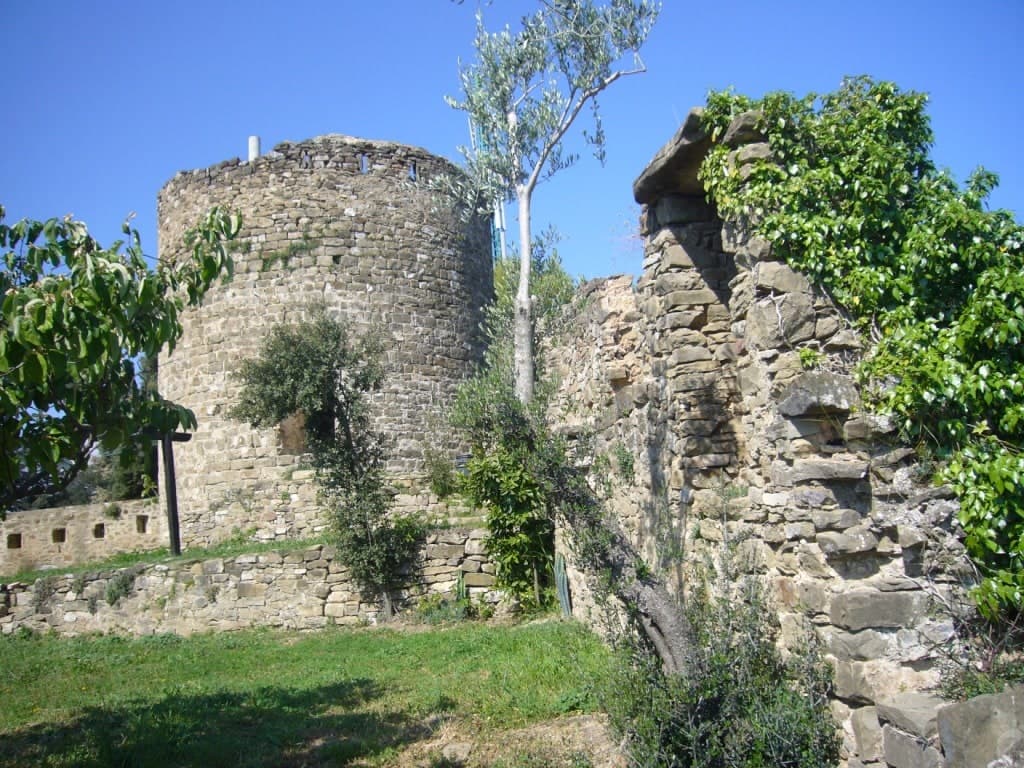
Montagut Castle
An 11th-century fortress crowning the hill of Montagut, 597 metres up, in the heart of the Garrotxa district of Girona.