
Sagrada Família
Description
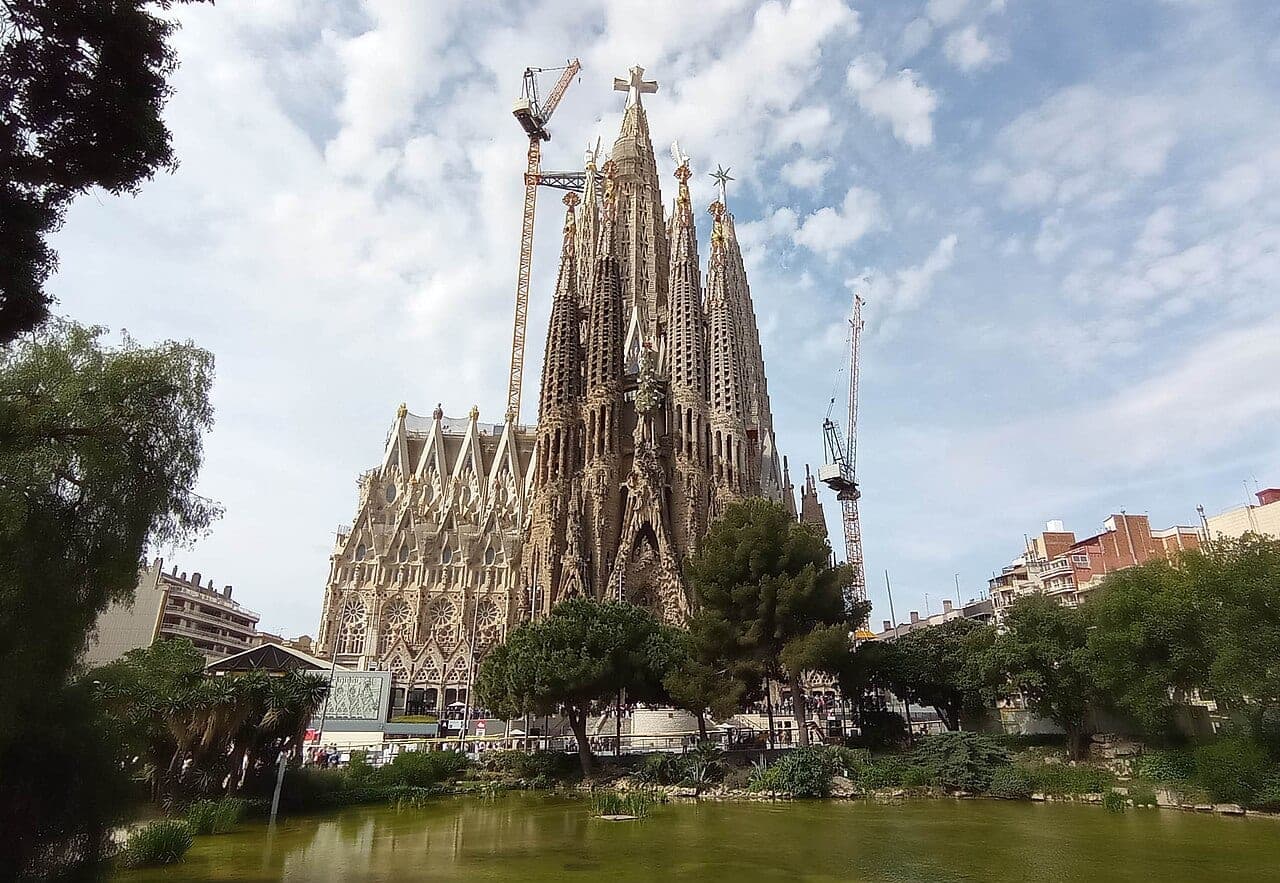
Stepping inside the Sagrada Família is like walking into a forest of stone. Gaudí designed its interior with leaning columns that branch out like trees and twist in a helical pattern, a solution as simple as it is sturdy, filtering the light and enveloping visitors. It is no coincidence that it is the most visited monument in Spain, nor that, since 30 October 2025, it has held the title of the tallest church in the world.
Work began in 1882 and is still ongoing, which makes a visit feel like something alive. The crypt and the apse still retain a neo-Gothic air, but from there on Gaudí gave free rein to his organic style, inspired by the forms of nature and by ruled geometry. From 1915 he devoted himself almost entirely to this temple, bringing together everything he had learnt at Park Güell and the crypt of the Colònia Güell. Even so, in his lifetime he only saw the crypt, the apse and part of the Nativity façade completed, with the tower of St Barnabas as the only one to be crowned.
Every corner holds a religious message. Its three façades tell the story of the Nativity, the Passion and the Glory of Jesus, and the plans include eighteen towers: twelve for the apostles, four for the evangelists, one for the Virgin Mary and the central one, dedicated to Jesus, standing 172.5 metres tall. It is well worth comparing the sculptural delicacy of the Nativity with the angular austerity of the Passion, the work of Josep Maria Subirachs.
After Gaudí's death, his assistant Domènec Sugrañes took over, followed later by other architects, while sculptors such as the Matamalas and Etsuro Sotoo left their mark. The part completed by the master himself, the Nativity façade and the crypt, has been a UNESCO World Heritage Site since 2005, and Benedict XVI consecrated the temple as a minor basilica in 2010. It is also popularly known as the 'Cathedral of the Poor', after a painting by the Modernista artist Joaquim Mir.
Routes that include this monument
Community photos
Log in to upload your photos of this monument.
Best time to visit
Spring and autumn, although on the coast it can be visited almost all year round.
Location
Similar monuments
 Church
 of Sant Sadurní
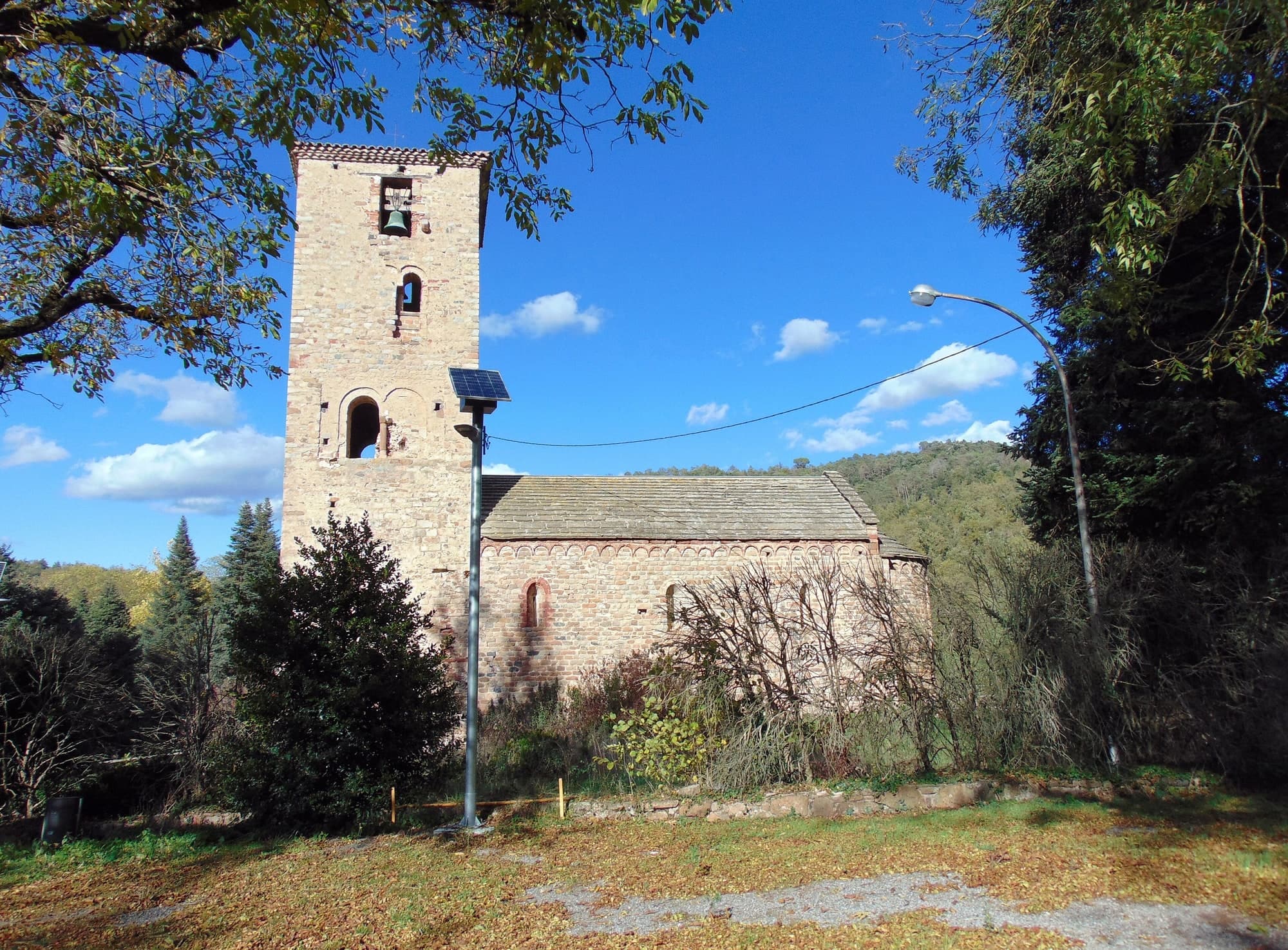
A Lombard Romanesque church in Sant Sadurní d'Osormort, a small village in the comarca of Osona that deserves an unhurried stop.
 Monastery
Church and Convent of Las Salesas
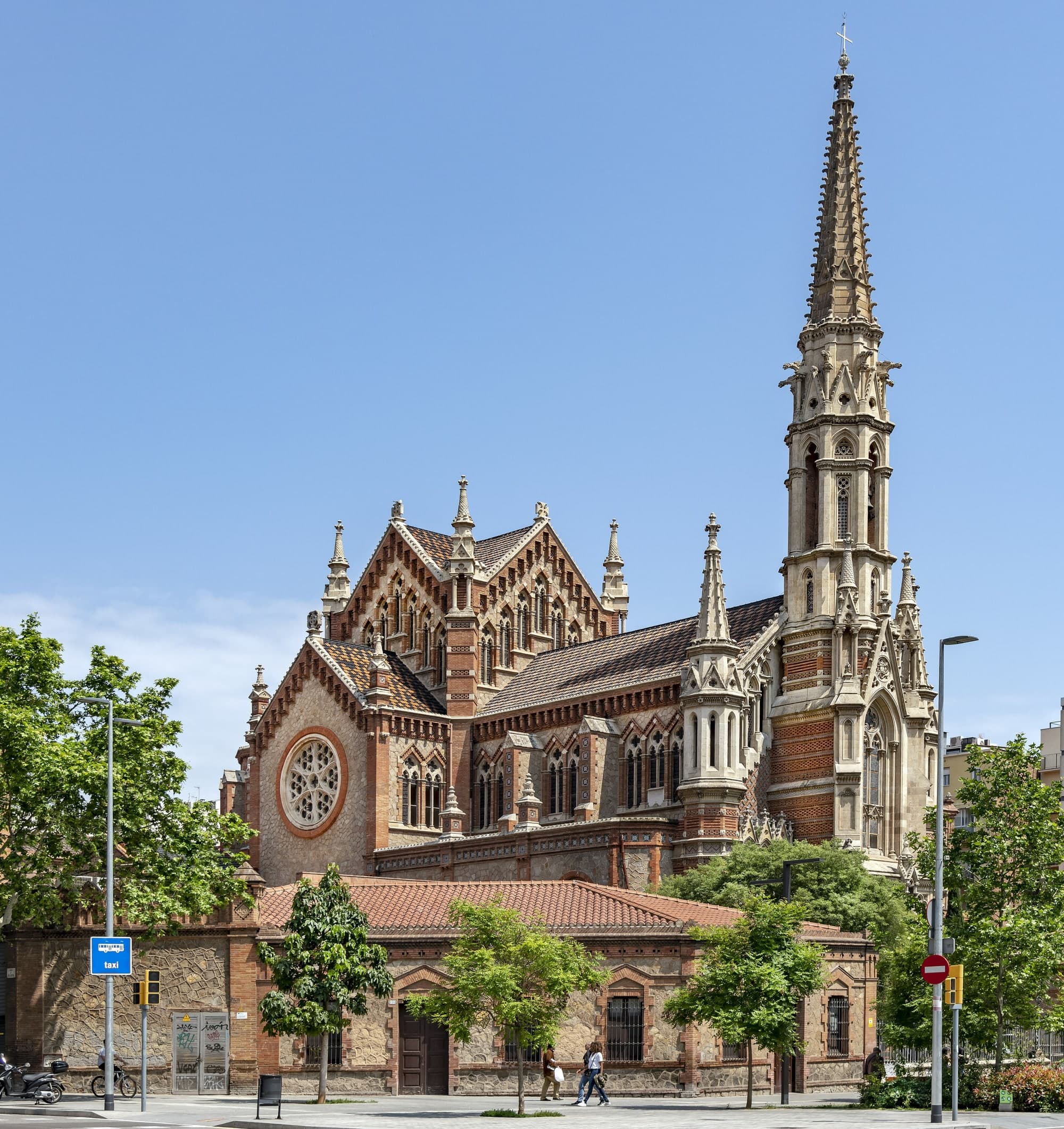
Right on Passeig de Sant Joan, the church and former convent of Las Salesas together make up the most important work by the architect Joan Martorell i Montells.
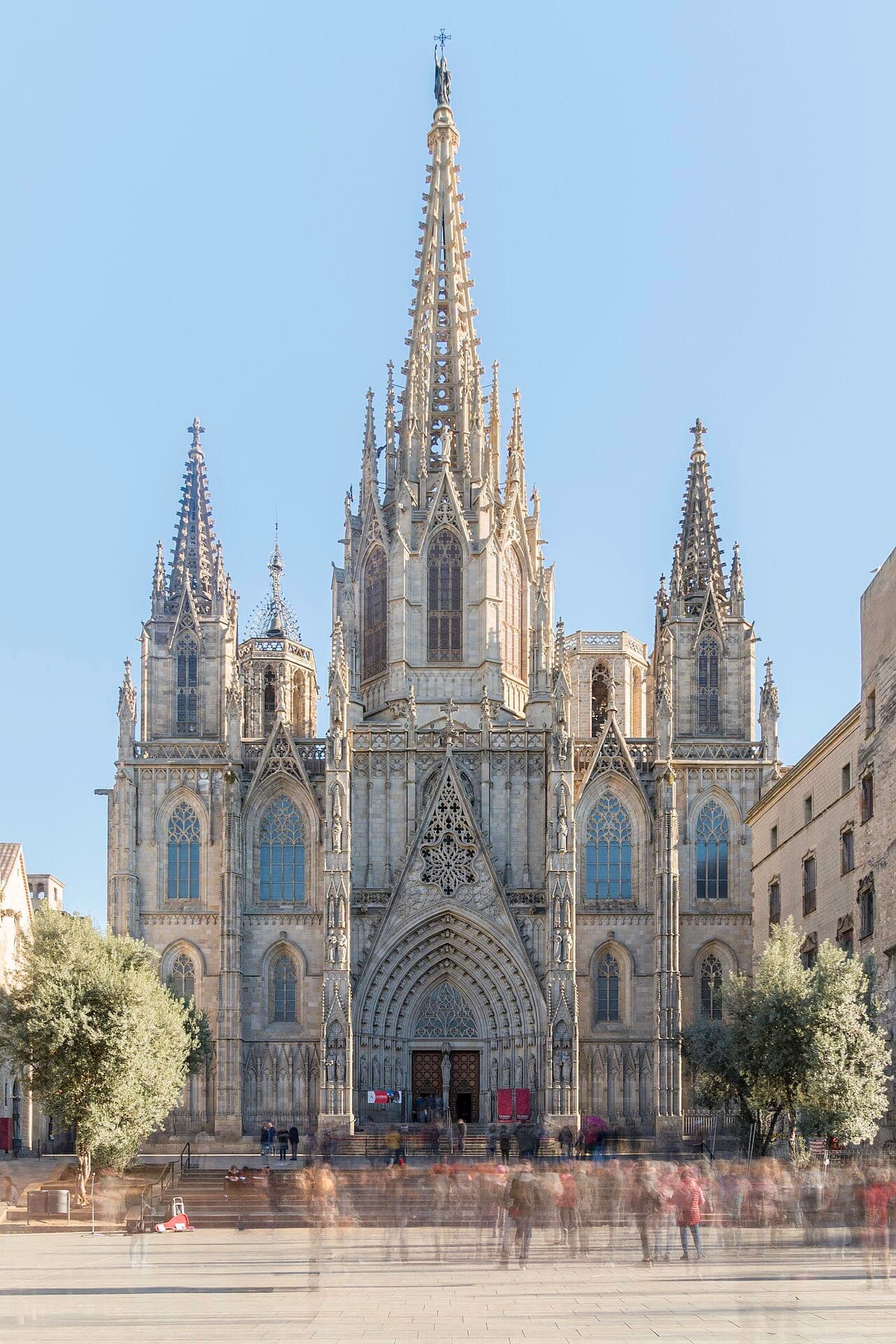 Cathedral
Barcelona Cathedral
La Seu of Barcelona, a Gothic jewel built between the 13th and 15th centuries, preserves the memory of Saint Eulalia and has a cloister that is home to thirteen white geese.
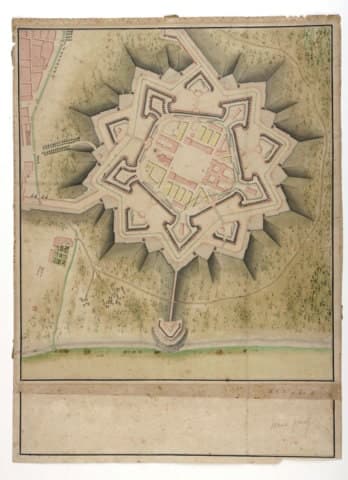 Citadel
Barcelona Citadel
A fortress built by Philip V to keep Barcelona in check and torn down in 1868, whose traces survive in three buildings and in the park that took its place.