

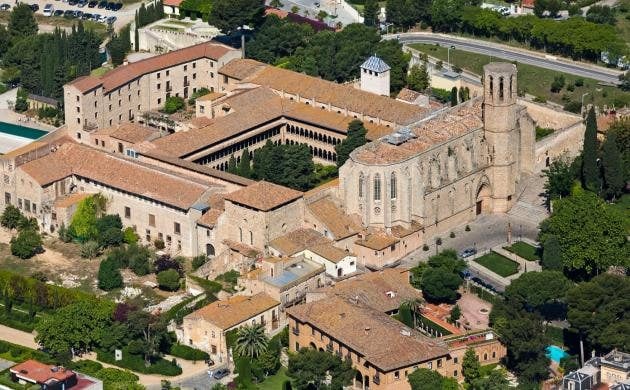
Pedralbes Monastery
Description
Among the great examples of Gothic architecture that Barcelona has preserved, the Royal Monastery of Santa Maria de Pedralbes holds a place all of its own. This is not a single building but an ensemble of monuments that share the same architectural language. That is why it is best explored unhurriedly and as a whole, paying attention to the way its different parts speak to one another.
The name itself already hints at its importance. The title of "royal" attached to the monastery sets it apart from other religious foundations and places it in a category of its own. Anyone arriving with an interest in history will find here an eloquent example of Gothic architecture in the Catalan capital.
Its recent history also includes a curious chapter linked to the art world. In 1993, part of the monastery was handed over to the city to house a portion of the Thyssen-Bornemisza painting collection. For a little over a decade, the Gothic walls thus shared space with a selection from one of the best-known private collections of paintings, an unusual pairing of monumental heritage and museum.
That period came to an end in 2004, when the exhibition moved to the National Art Museum of Catalonia (MNAC). For travellers with a passion for painting, this is a good excuse to round off the day with a visit to that museum, where the works that once hung in Pedralbes can be seen today.
All in all, Santa Maria de Pedralbes is a highly recommended stop for anyone wishing to discover Gothic Barcelona from a different angle to that of the old town, and to see along the way how a former monastic space managed to open up to new cultural uses without losing its character.
Routes that include this monument
Community photos
Log in to upload your photos of this monument.
Best time to visit
Spring and autumn, although on the coast it can be visited almost all year round.
Location
Similar monuments
 Monastery
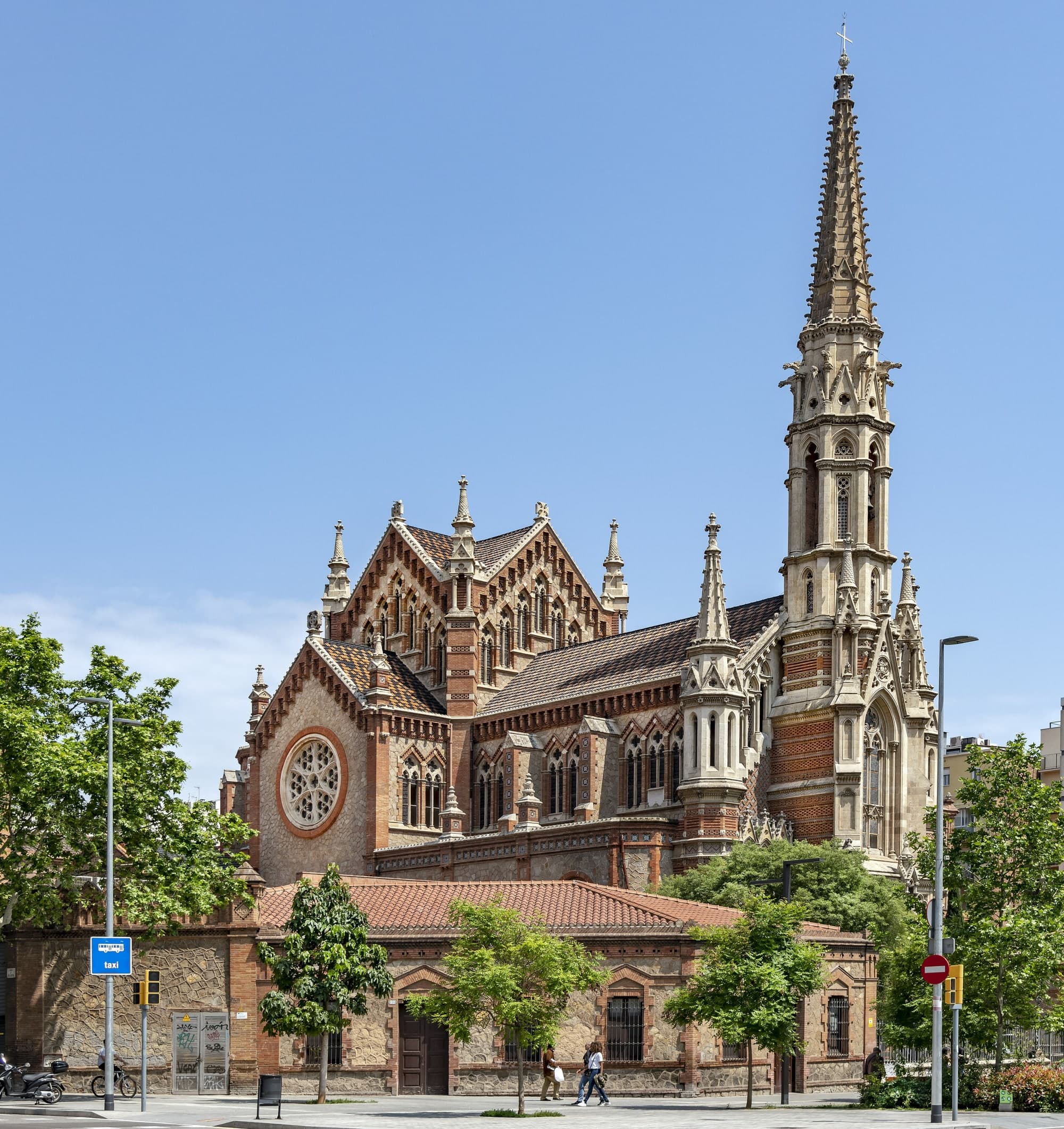
Church and Convent of Las Salesas
Right on Passeig de Sant Joan, the church and former convent of Las Salesas together make up the most important work by the architect Joan Martorell i Montells.
 Monastery
 of Sant Cugat
A former Benedictine abbey built between the 9th and 14th centuries, once the most important in the County of Barcelona, with a cloister that alone makes the visit worthwhile.
 Monastery
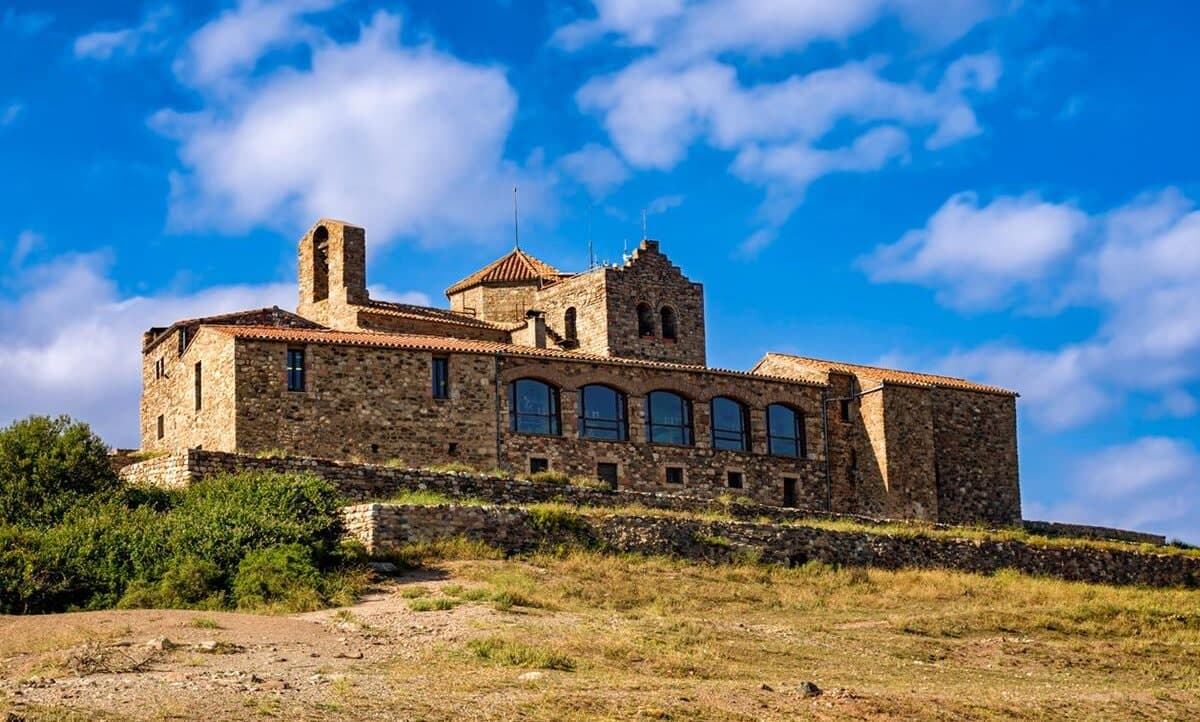
Sant Llorenç del Munt Monastery
Perched on top of La Mola, this 11th-century Romanesque monastery, a half-scale replica of Sant Cugat, rewards the climb with reddish stone, silence and views over the Vallès.
 Monastery
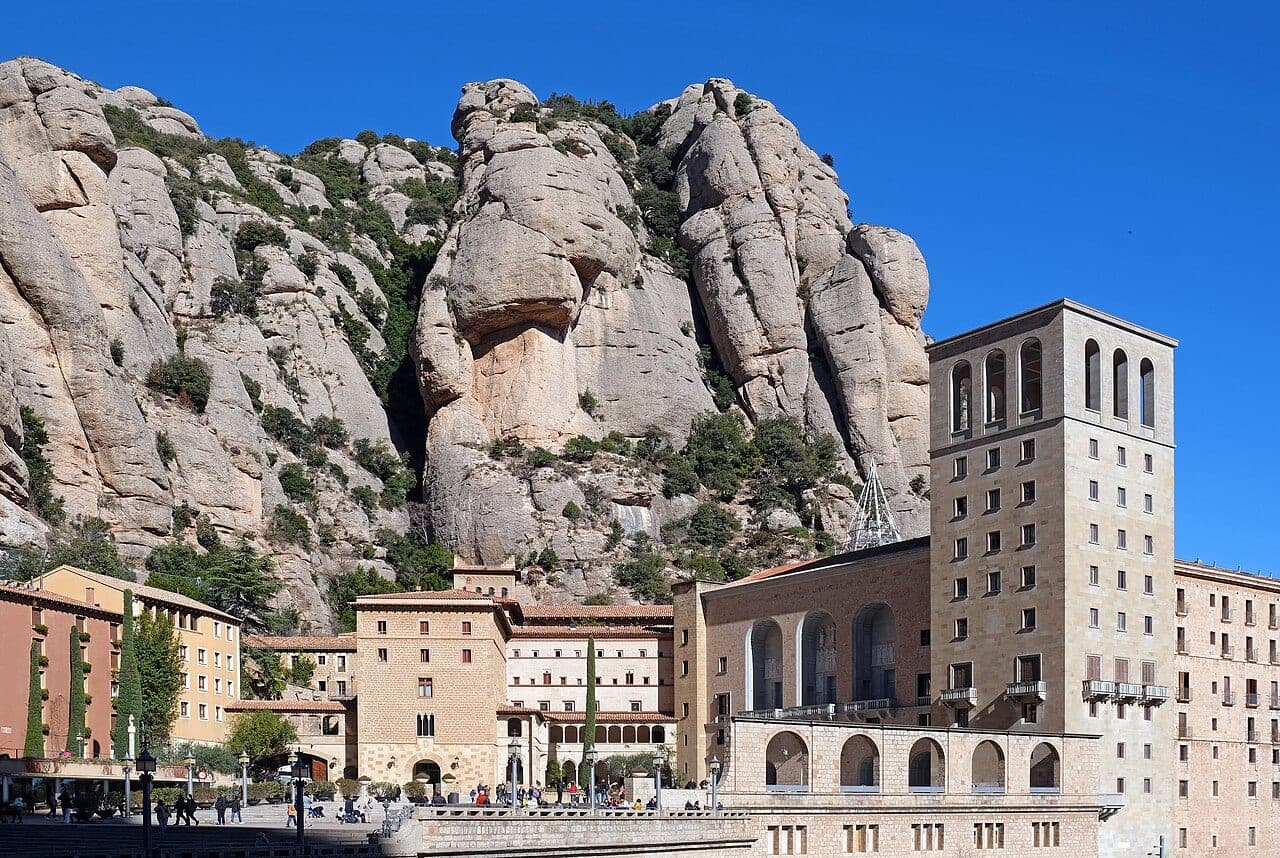
Montserrat Abbey
A Benedictine abbey perched 720 metres up on the mountain of Montserrat, a symbol of Catalonia, a destination for pilgrims and home to one of the oldest boys' choirs in Europe.