


Cathedral of Santa María (Tui)
Description
Whoever climbs the streets of Tui always ends up in the same place: the Cathedral of Santa María, set at the very top of the town on the hill once occupied by the ancient hillfort of Tude. From this vantage point, beside the River Miño and a stone's throw from Portugal, the cathedral stands out as the great artistic landmark of this town at the far southern tip of the province of Pontevedra.
Its story begins in 1120, when building work started that would go on for six decades, until 1180. The result was a fully Romanesque building, with all the solidity and restraint typical of that architecture. It is worth looking closely, however, because this is not a work frozen in time.
As happened with so many other cathedrals, successive eras left their mark in the form of major alterations, above all in the Gothic style. The most visible to visitors is the main façade, dating from around 1225, which already reveals this shift in taste compared with the original construction. This coexistence of Romanesque and Gothic is precisely one of the greatest attractions of the whole ensemble.
The cathedral is also an episcopal seat. For centuries it was the seat of the Diocese of Tui, and since 1959 it has shared this role with the Collegiate Church of Santa María in Vigo, which was raised to co-cathedral status when the diocese was renamed Tui-Vigo. Its value was officially recognised in 1931, when it was declared a Site of Cultural Interest (Bien de Interés Cultural) – one more reason to give it an unhurried visit.
Routes that include this monument
Community photos
Log in to upload your photos of this monument.
Best time to visit
From May to September, to avoid the more frequent rain of the rest of the year.
Location
Similar monuments
 Cathedral
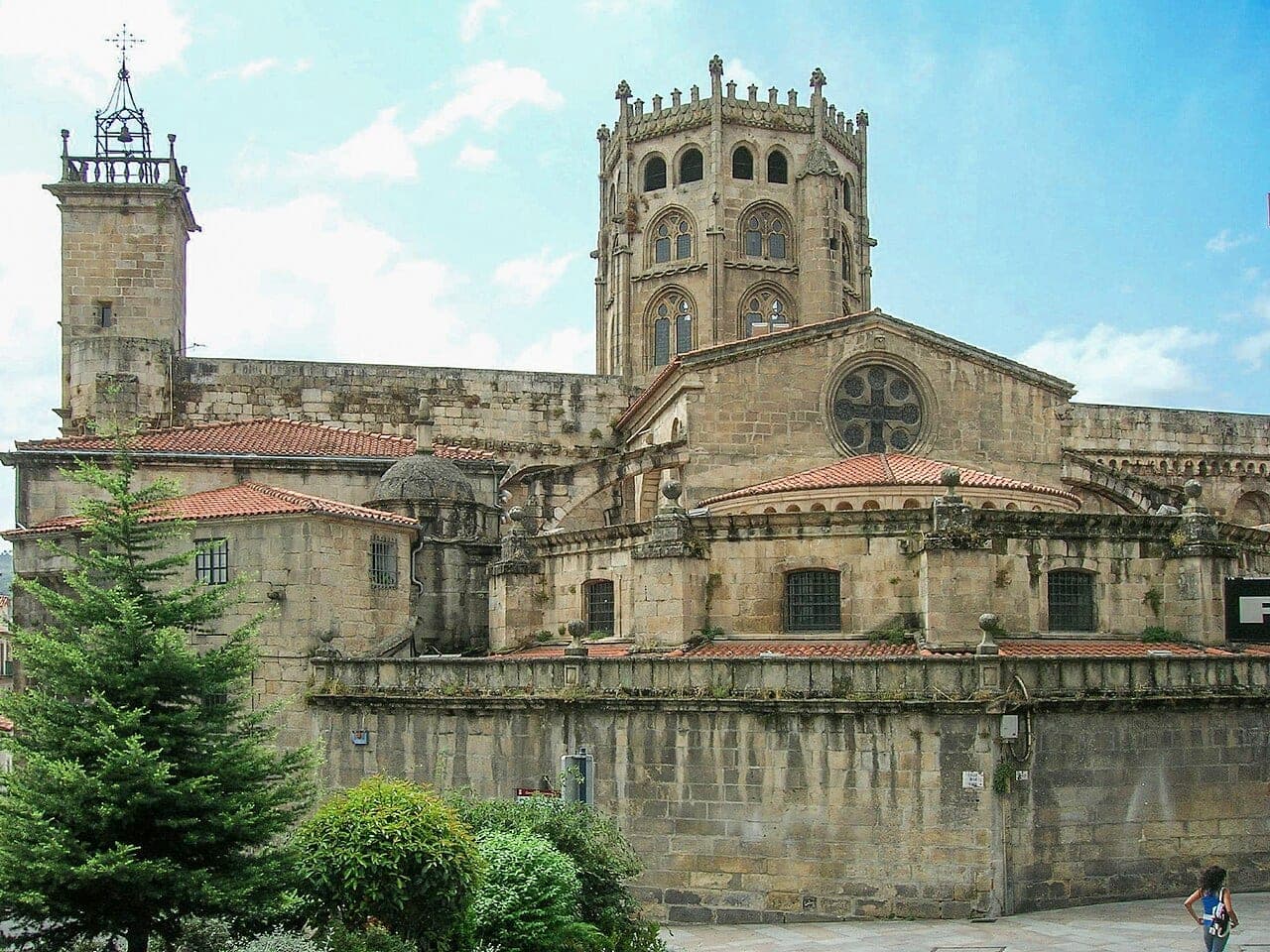
Ourense Cathedral
Dedicated to Saint Martin, Ourense Cathedral is one of Spain's great Romanesque churches and a masterpiece of the Galician Middle Ages, with portals that bear the legacy of Master Mateo.
 Cathedral
Santiago de Compostela Cathedral
The final destination of the Camino de Santiago and, according to tradition, the resting place of the tomb of the Apostle, Compostela's cathedral was one of the great pilgrimage destinations of medieval Europe.
 Cathedral
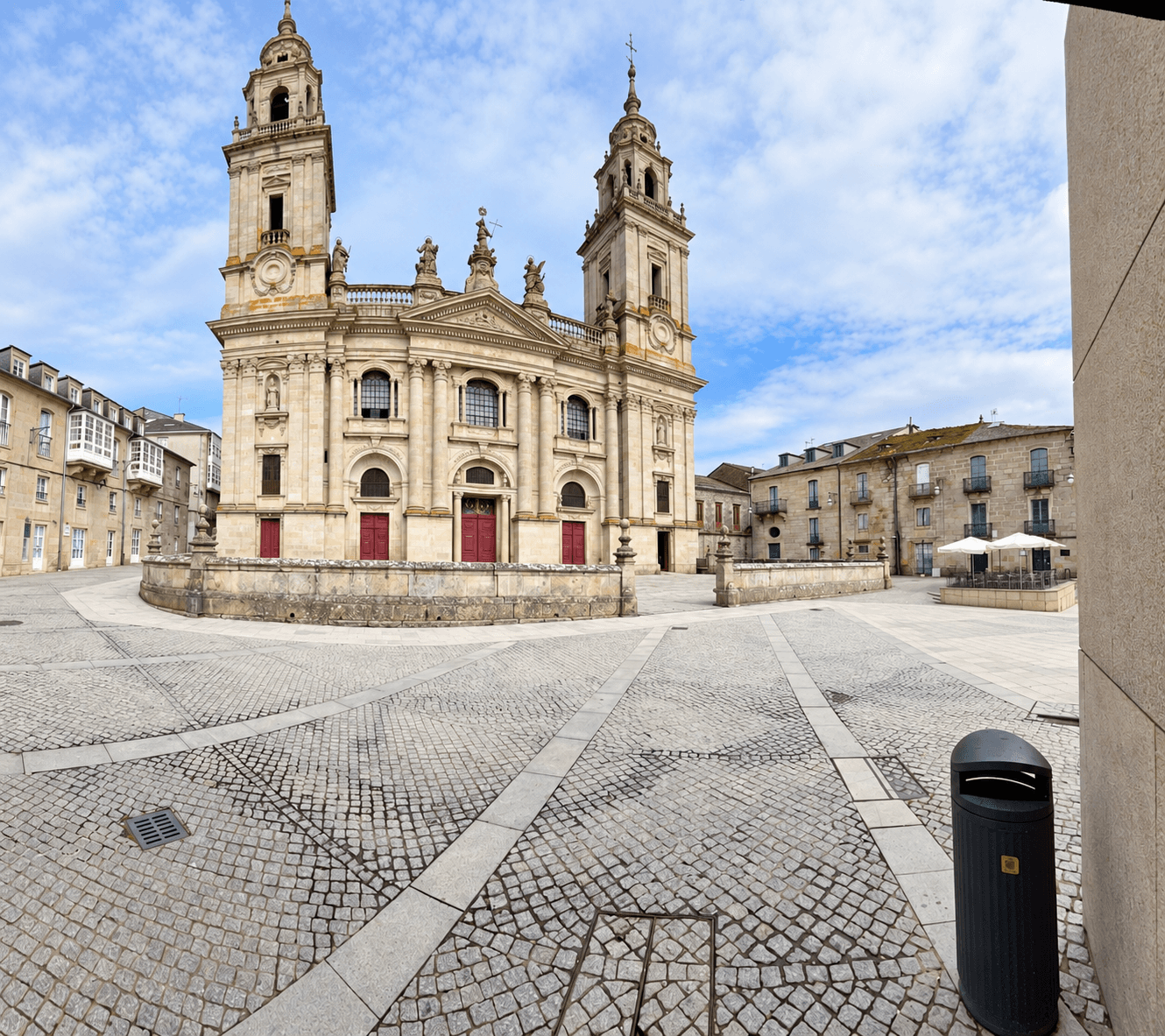
Lugo Cathedral
Romanesque in origin and Baroque in its best-loved corners, Lugo Cathedral holds a choir unique in Galicia and the Blessed Sacrament exposed day and night by papal privilege.
 Castle
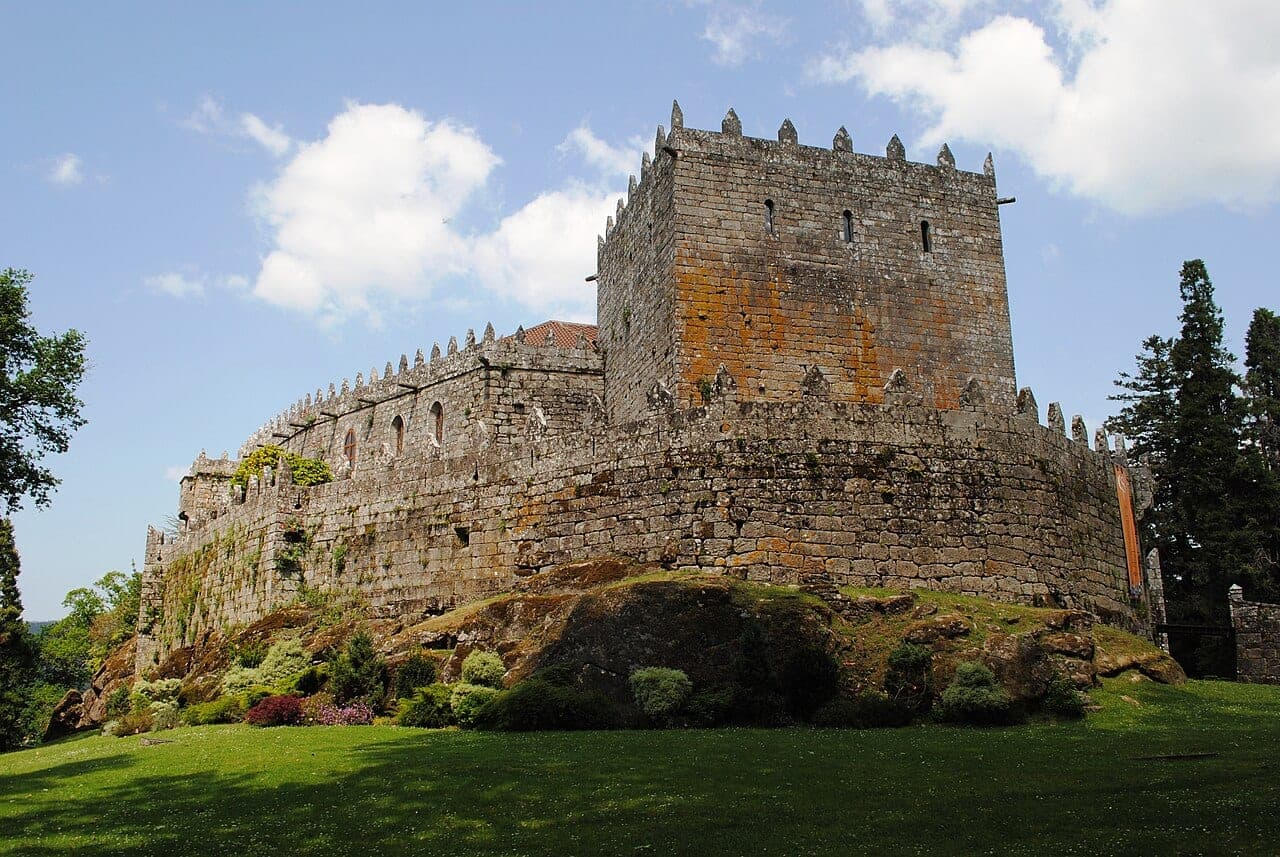
Soutomaior Castle
The medieval fortress of the Soutomaior family, transformed into a Neo-Gothic palace and museum, surrounded by a botanical garden with centuries-old trees and an award-winning camellia collection.