

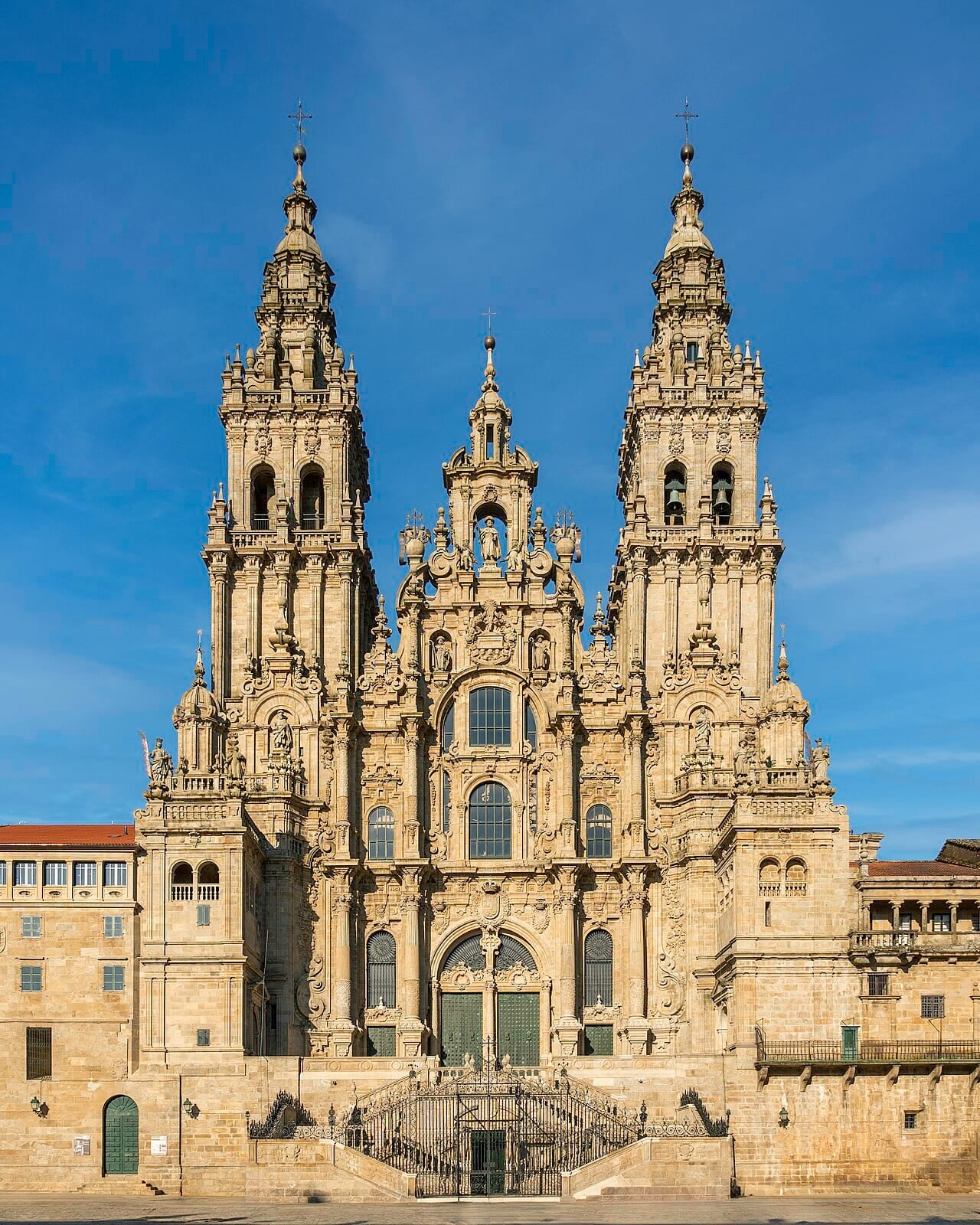
Santiago de Compostela Cathedral
Description
Few arrivals are as moving as that of the pilgrim who, after weeks on the road, finally reaches Santiago de Compostela Cathedral. This is where, according to tradition, the tomb of the Apostle Saint James is kept, and that belief alone was enough to turn the church into one of the most important pilgrimage destinations in Europe during the Middle Ages.
The route leading to its doors, the Camino de Santiago, linked the Iberian Peninsula with the rest of the continent and was far more than a religious itinerary. Ideas, people and artistic movements travelled along it, allowing the medieval Hispanic kingdoms to take part in the cultural life of their time. Revived over the course of the 20th century, the Camino remains a major international route today, and the cathedral is one of the individual sites included by UNESCO in 2015 within the «Routes of Santiago de Compostela: Camino Francés and Routes of Northern Spain».
The cathedral also has a calendar all of its own. In 1122, Pope Callixtus II granted Compostela the privilege of declaring a Holy Year, or Jubilee Year, whenever 25 July, the feast of Saint James, fell on a Sunday. Alexander III confirmed this in 1179 with the bull Regis aeterni, and ever since these jubilee years have marked special moments for the city and for those who visit it.
The cathedral was declared a Site of Cultural Interest in 1896, and it is worth not confining yourself to its interior: the old town that surrounds it, which was born and grew up around the cathedral, has been a World Heritage Site since 1985. Wandering its streets before or after going inside helps you understand just how much this building has shaped the whole of Santiago.
Routes that include this monument
Community photos
Log in to upload your photos of this monument.
Best time to visit
From May to September, to avoid the more frequent rain of the rest of the year.
Location
Similar monuments
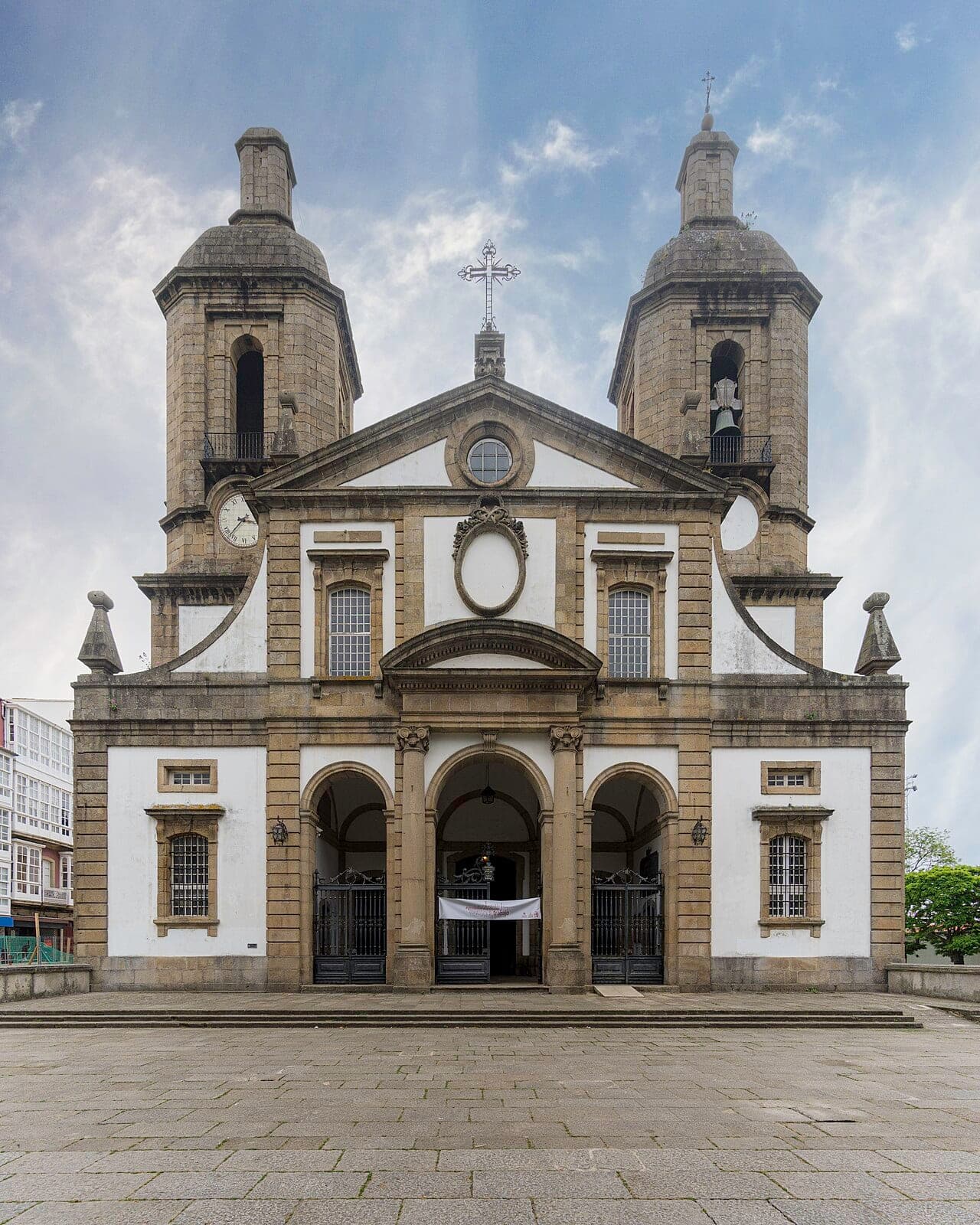 Cathedral
Ferrol Co-Cathedral
The Co-Cathedral of St Julian, dedicated to the patron saint of Ferrol, is the city's great Catholic church and has shared its rank with Mondoñedo Cathedral since 1959.
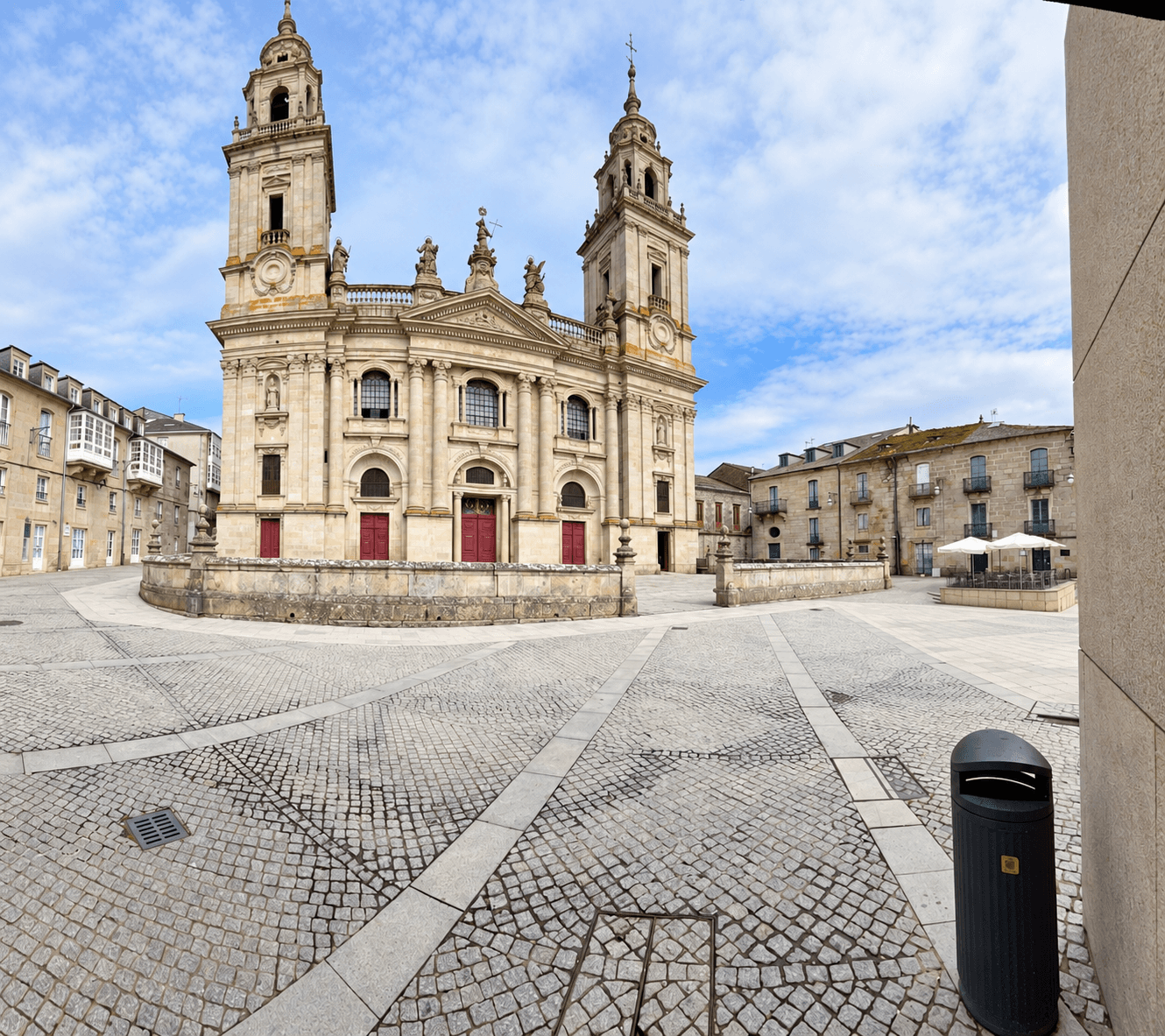 Cathedral
Lugo Cathedral
Romanesque in origin and Baroque in its best-loved corners, Lugo Cathedral holds a choir unique in Galicia and the Blessed Sacrament exposed day and night by papal privilege.
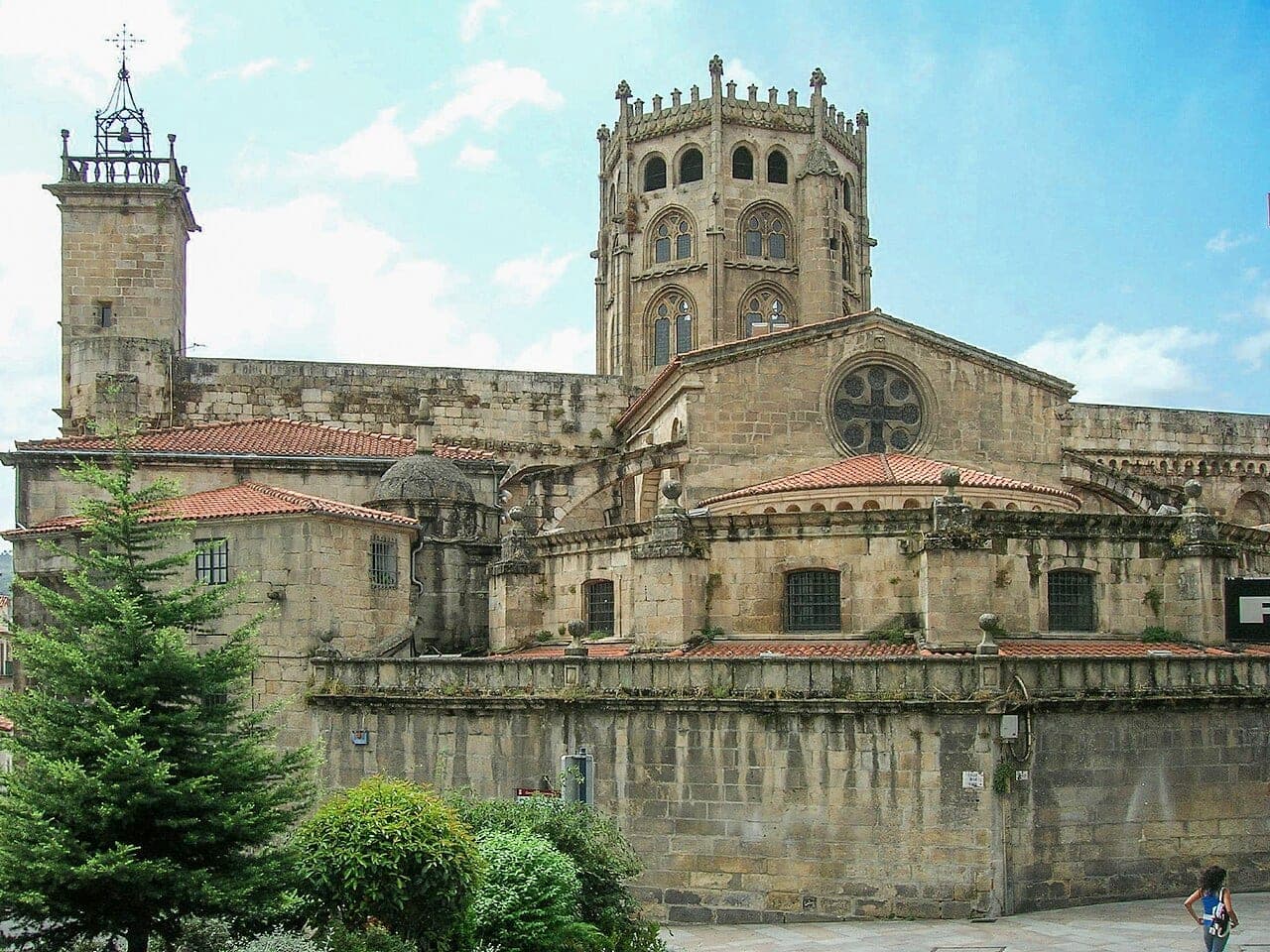 Cathedral
Ourense Cathedral
Dedicated to Saint Martin, Ourense Cathedral is one of Spain's great Romanesque churches and a masterpiece of the Galician Middle Ages, with portals that bear the legacy of Master Mateo.
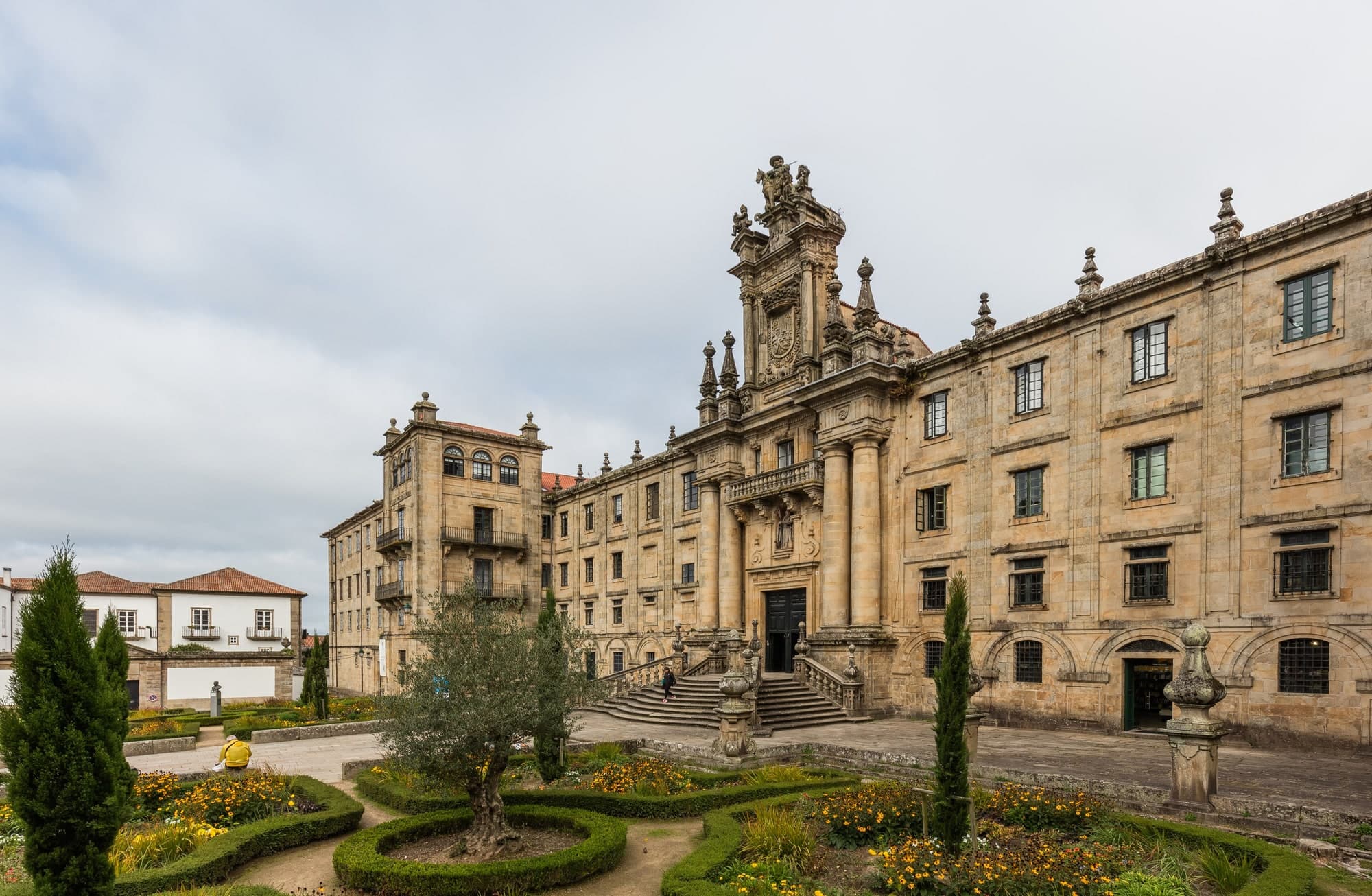 Monastery
 of San Martín Pinario
A Benedictine monastery founded in the 10th century in the heart of Santiago de Compostela, now a seminary, centre of learning and museum closely linked to the history of the Camino.