
Ourense Cathedral
Description
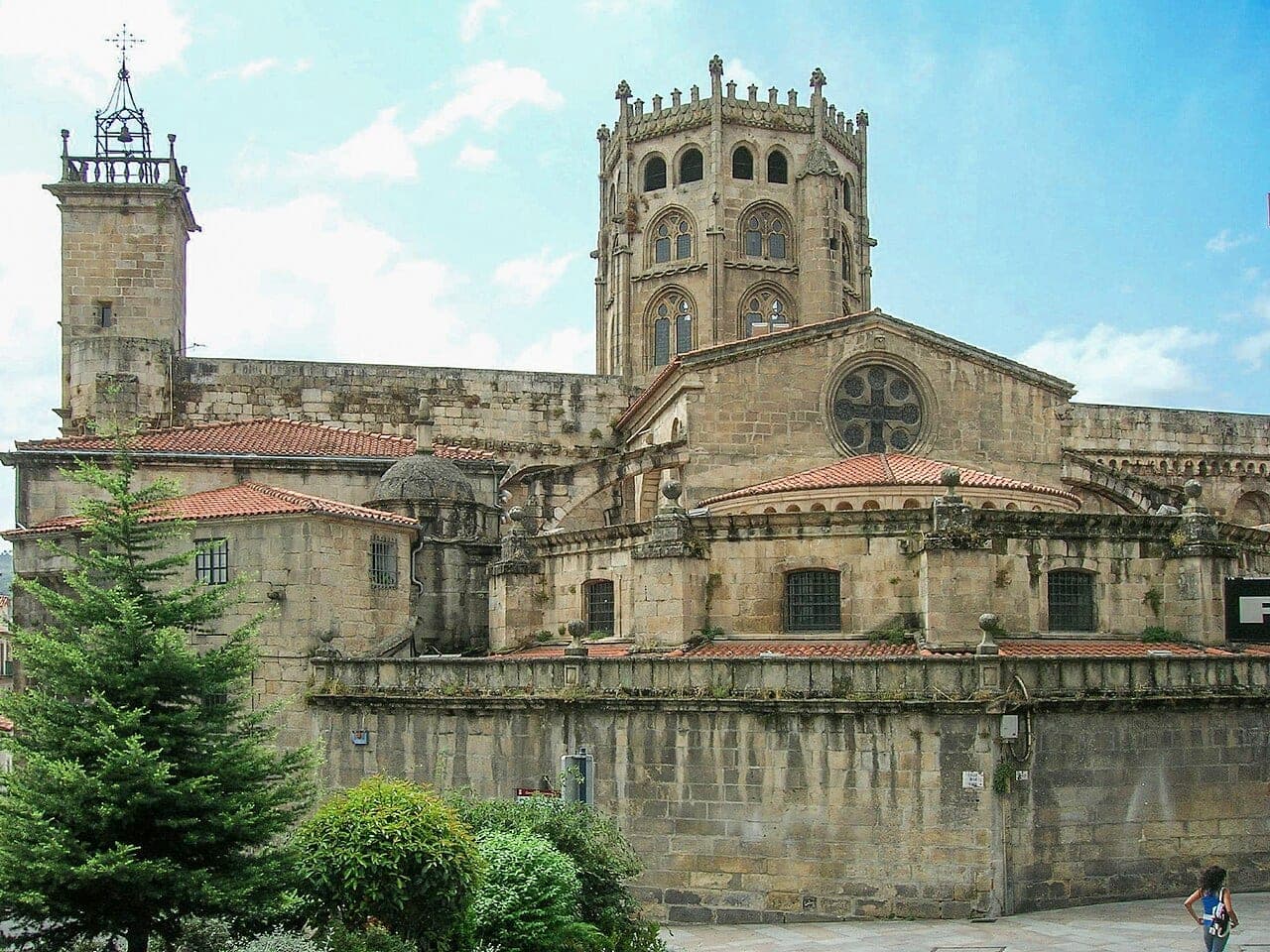
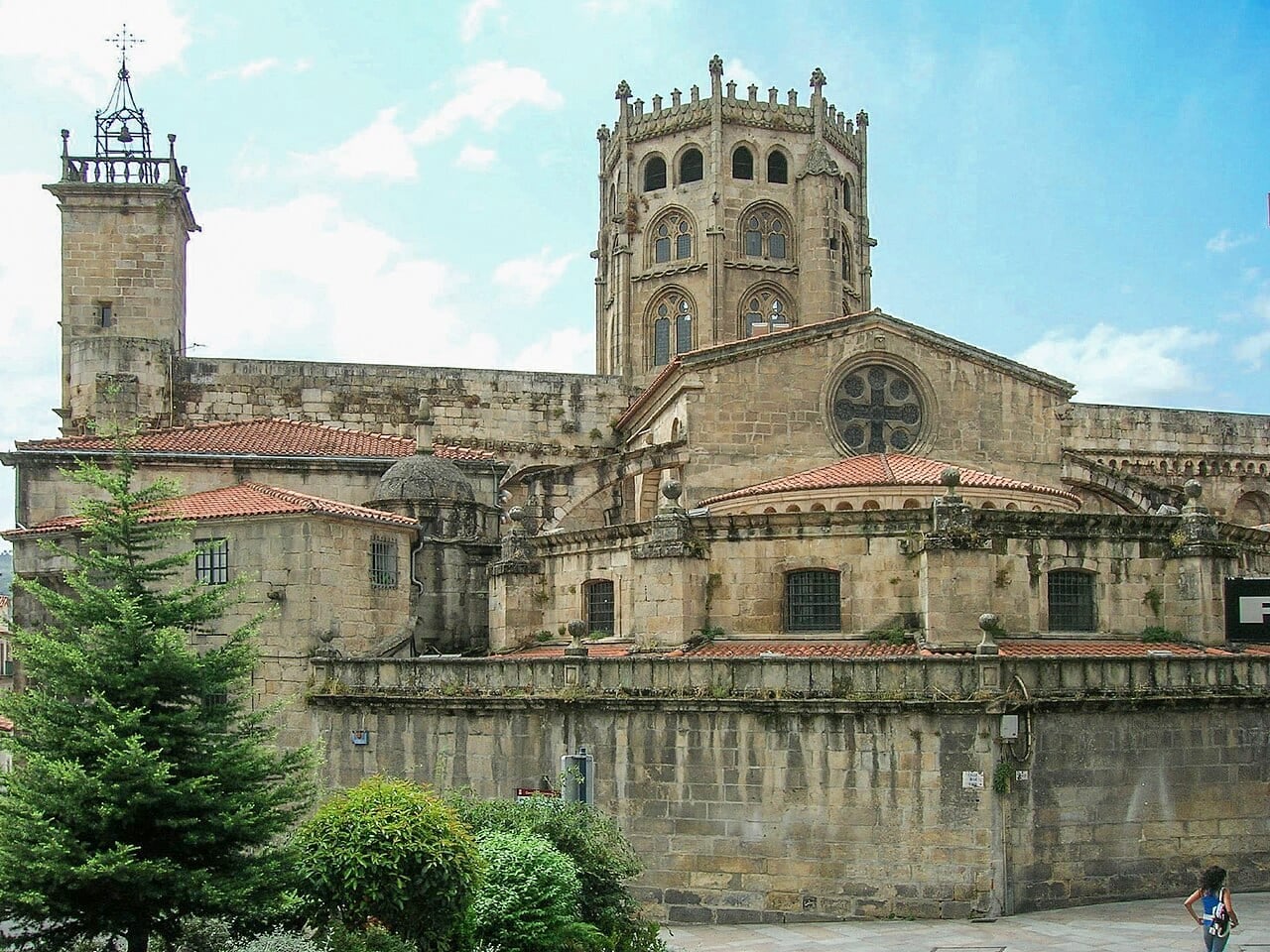
Step inside Ourense Cathedral and you find yourself before one of the crowning achievements of the Middle Ages in Galicia and one of the great Romanesque churches in the country. Built between the second half of the 12th century and the first half of the 13th, with its high altar consecrated in 1188, it is dedicated to Saint Martin and remains the city's principal religious monument.
The portals are well worth lingering over, as they clearly show the mark of the Compostela school of Master Mateo, the same sculptural tradition that shines so brightly in Santiago. The architecture, by contrast, looks towards the Cistercian world in certain aspects of its structure. This dual influence gives the building a very distinctive character, typical of a particularly remarkable transitional Romanesque.
The interior follows a Latin cross plan eighty-four metres long, with three naves separated by cruciform piers and pointed, double-order arches supporting rib vaults. Over the centuries, Gothic, Renaissance, Baroque, Neoclassical and contemporary elements were added; what is fascinating is that, far from breaking the unity of the whole, these additions allow its walls to be read as a genuine journey through the history of art.
Its roots go back even further. The cathedral succeeded a basilica from the Suevic period, whose location is still debated: some place it on the same site, while others put it where the nearby church of Santa María Madre now stands, which is also managed by the cathedral chapter. The dedication of the episcopal see to Saint Martin of Tours, which the present church retains, likewise dates from that period.
Its importance has been recognised in different eras: in 1867 Pope Pius IX granted it the status of minor basilica, and in 1931 it was declared a historic-artistic monument. Today it is a Site of Cultural Interest and an essential visit in Ourense.
Routes that include this monument
Community photos
Log in to upload your photos of this monument.
Best time to visit
From May to September, to avoid the more frequent rain of the rest of the year.
Location
Similar monuments
 Cathedral
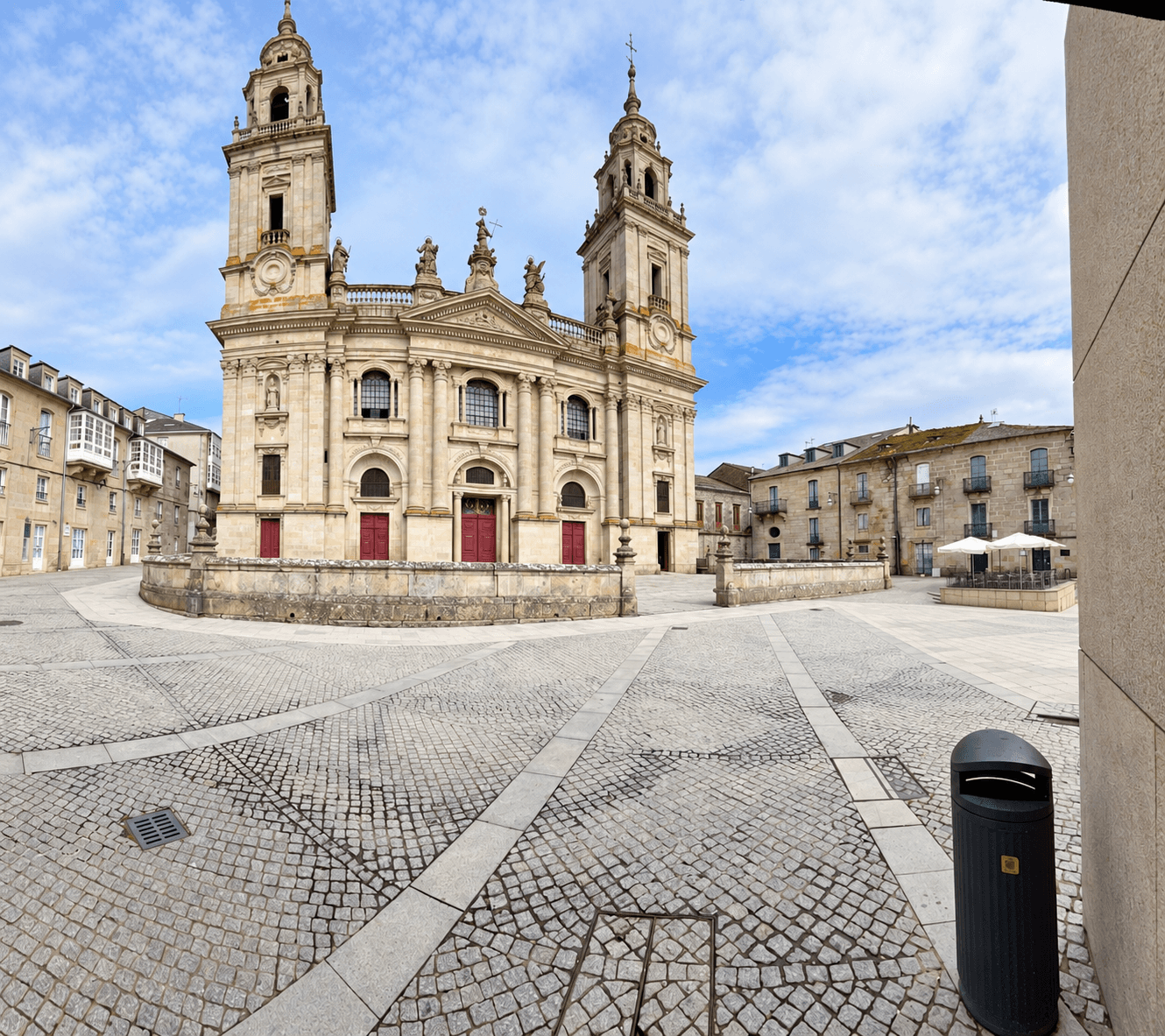
Lugo Cathedral
Romanesque in origin and Baroque in its best-loved corners, Lugo Cathedral holds a choir unique in Galicia and the Blessed Sacrament exposed day and night by papal privilege.
 Cathedral
Santiago de Compostela Cathedral
The final destination of the Camino de Santiago and, according to tradition, the resting place of the tomb of the Apostle, Compostela's cathedral was one of the great pilgrimage destinations of medieval Europe.
 Cathedral
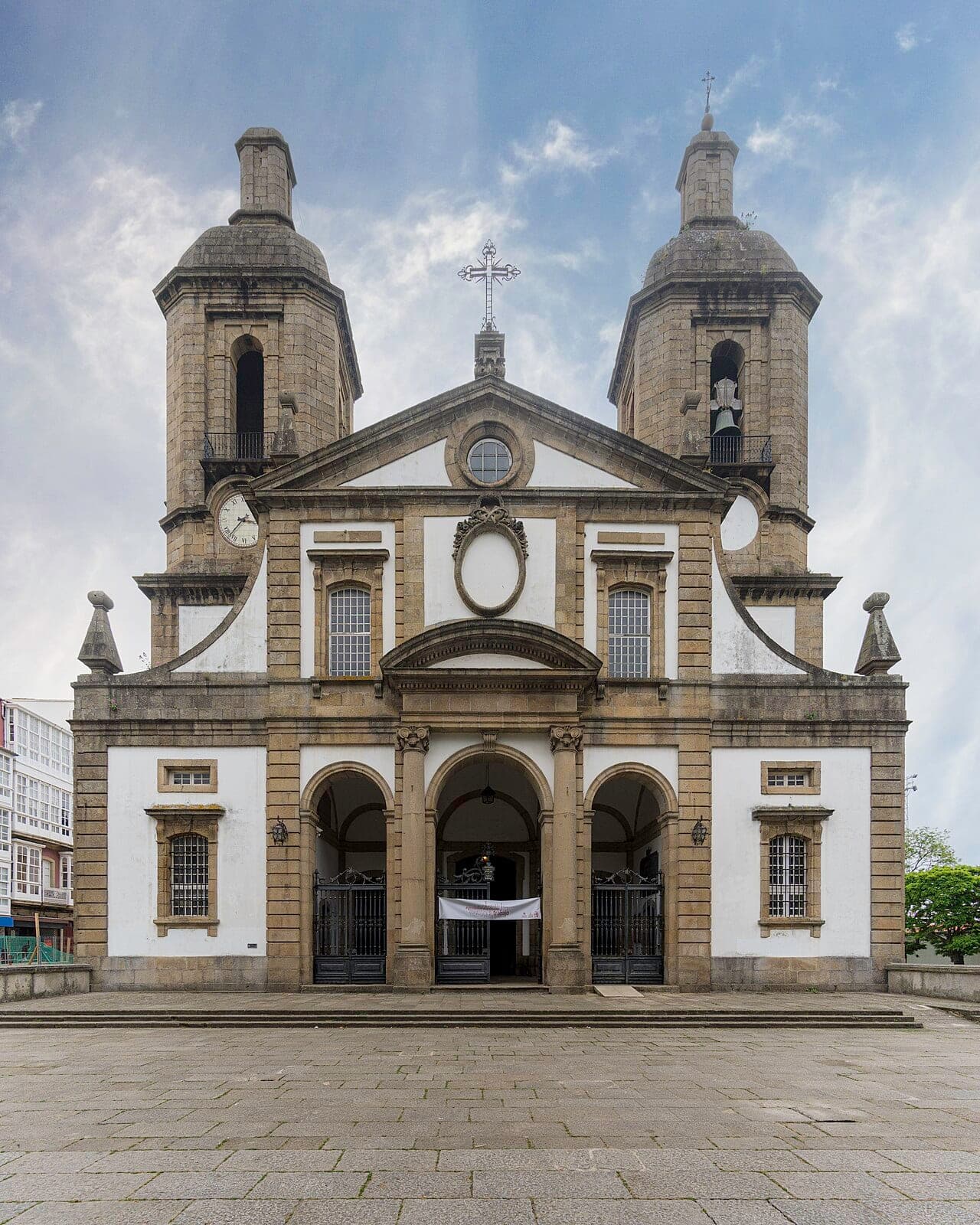
Ferrol Co-Cathedral
The Co-Cathedral of St Julian, dedicated to the patron saint of Ferrol, is the city's great Catholic church and has shared its rank with Mondoñedo Cathedral since 1959.
 Monastery
 of Santa María la Real de Oseira
A Cistercian monastery of royal foundation in Ourense, now Trappist, whose economic and social influence shaped the surrounding area and lands much further afield for centuries.