

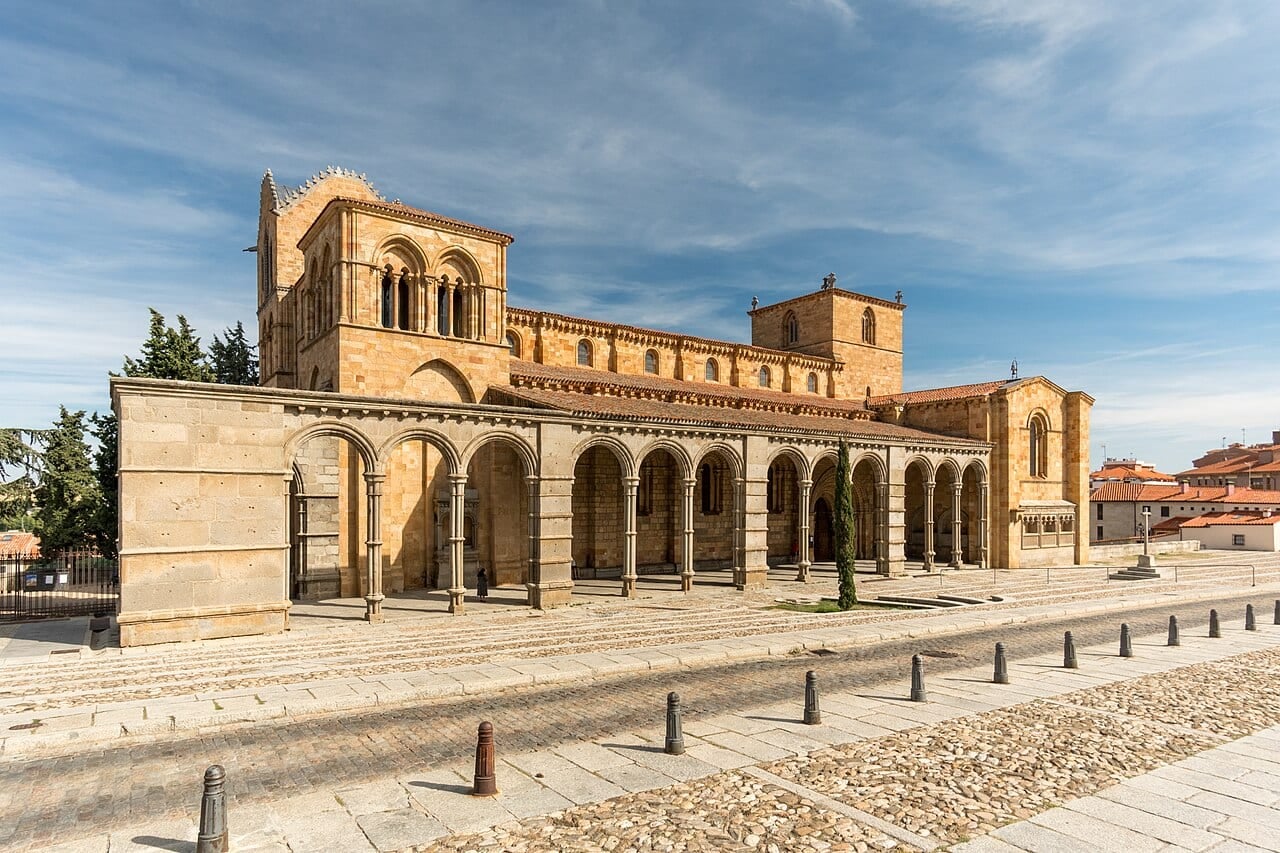
Basilica of San Vicente
Description
Few sights in Ávila are quite as unmissable as the Basilica of San Vicente. After the Cathedral of the Saviour, it is the largest and most important church in the city, and experts rank it among the most outstanding Romanesque buildings anywhere in the country. Anyone who visits will therefore find far more than a neighbourhood church: this is a monument of the first order within Spain's heritage.
Its full name already tells part of its story. Officially it is the Basilica of the Holy Martyred Siblings Vincent, Sabina and Christeta, although everyone in the city simply calls it San Vicente. The shared dedication honours these three siblings venerated as martyrs, whose memory gives the church its meaning and explains the devotion that has long surrounded the site.
Recognition of its worth came early. In 1882 it was declared a National Monument, a distinction reserved at the time for buildings considered essential to the country's artistic history. A century later, in 1985, it gained worldwide endorsement when it was specifically included as a World Heritage Site, as part of the ensemble known as the Old Town of Ávila with its Extra-Muros Churches.
That very name offers a useful hint for planning your visit. San Vicente belongs to the group of churches that complement the value of walled Ávila, so it is best explored as part of a wider stroll through the historic city. Taking it in at a leisurely pace, after seeing the cathedral, helps you appreciate just how many of Romanesque art's most brilliant chapters were written in Ávila.
Routes that include this monument
Community photos
Log in to upload your photos of this monument.
Best time to visit
Spring and autumn (April–June and September–October), with mild summers and cold winters.
Location
Similar monuments
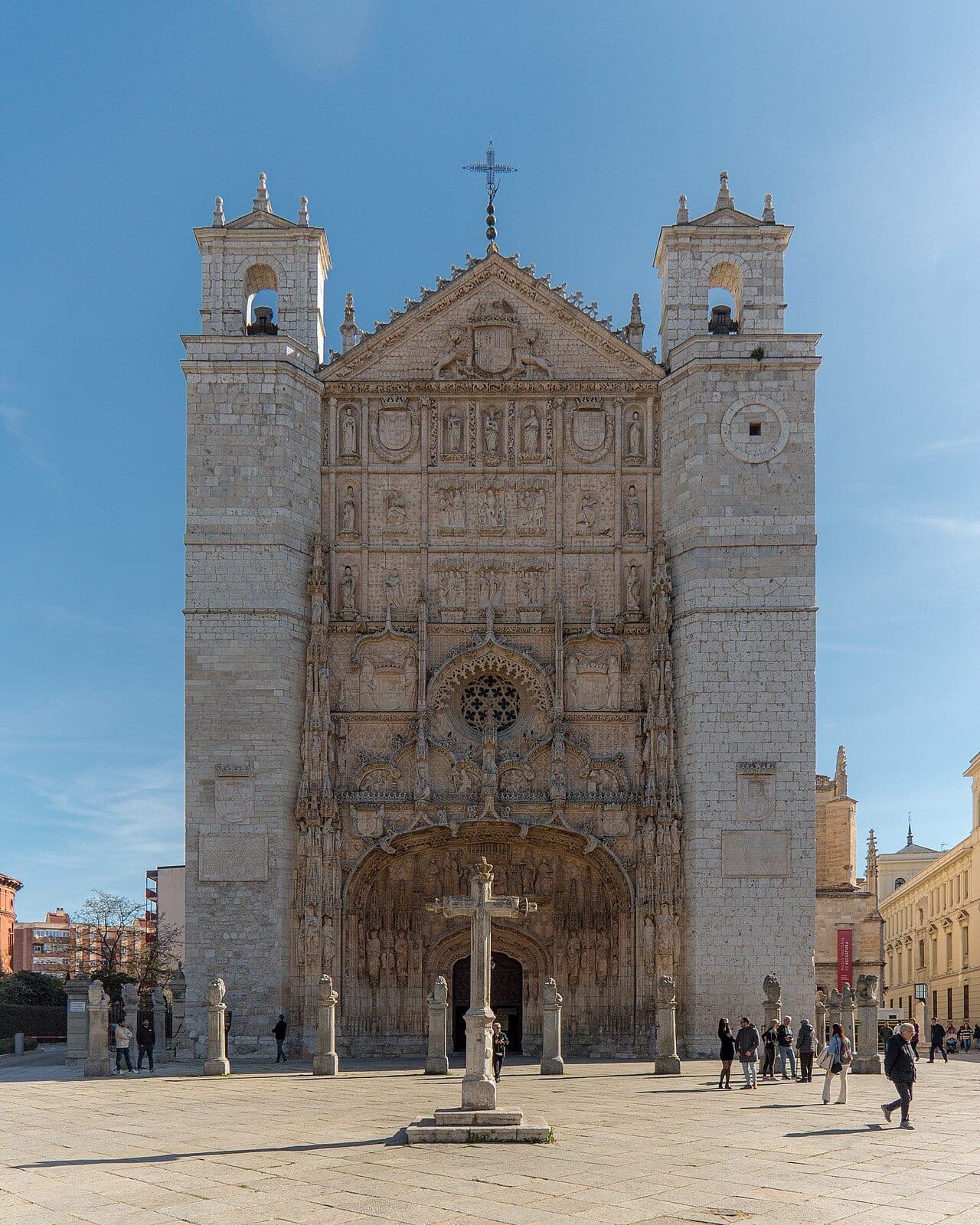 Church
 of San Pablo
A Dominican convent church built between 1445 and 1616, where Philip II and Philip IV were baptised, in the heart of Valladolid's old royal quarter.
 Monastery
Convent of Santa Clara
In Villacastín, the Convent of Santa Clara holds almost four centuries of Poor Clare life within walls raised in the 17th century at the behest of the Counts of Molina de Herrera.
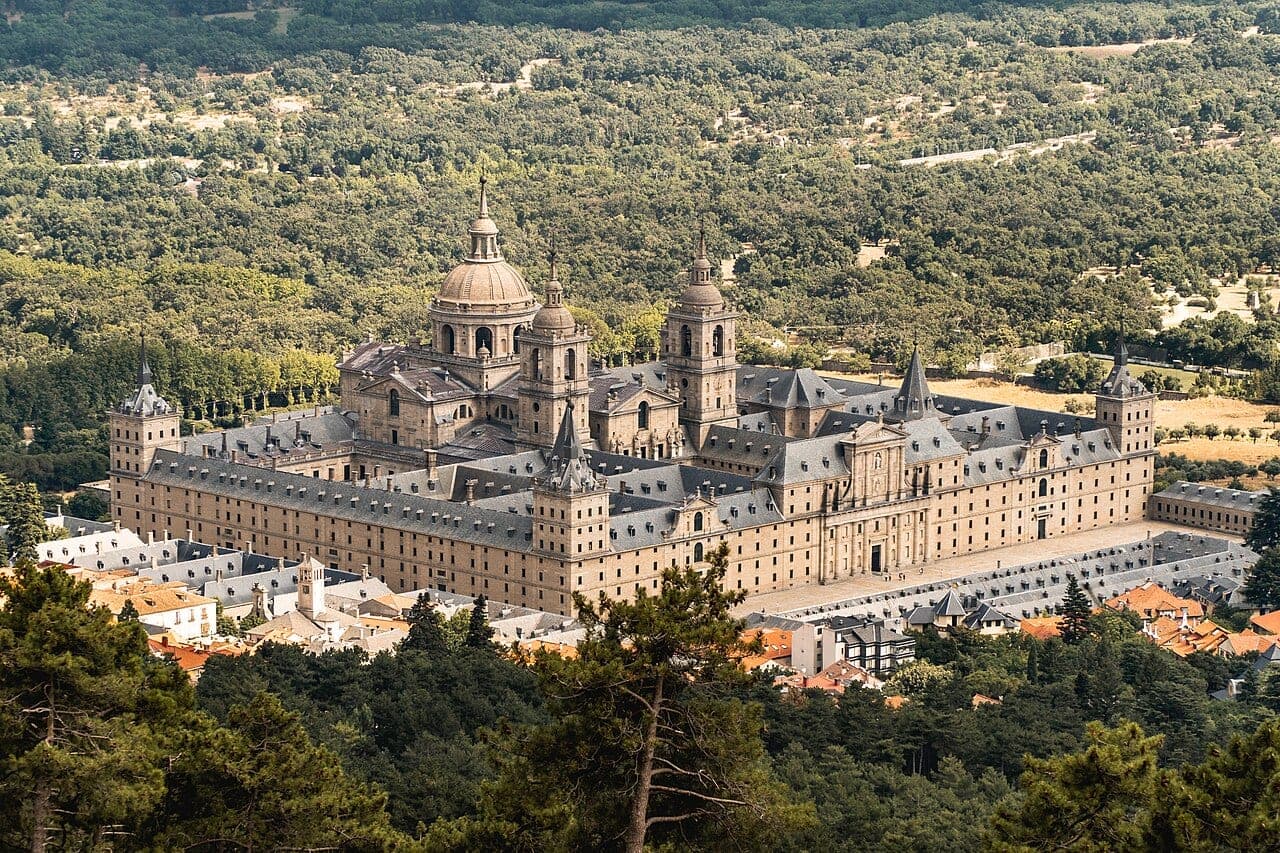 Monastery
 of El Escorial
Palace, basilica, royal pantheon, library and monastery all in one: Philip II's great Renaissance dream, dubbed the Eighth Wonder of the World, set in the heart of the Sierra de Guadarrama.
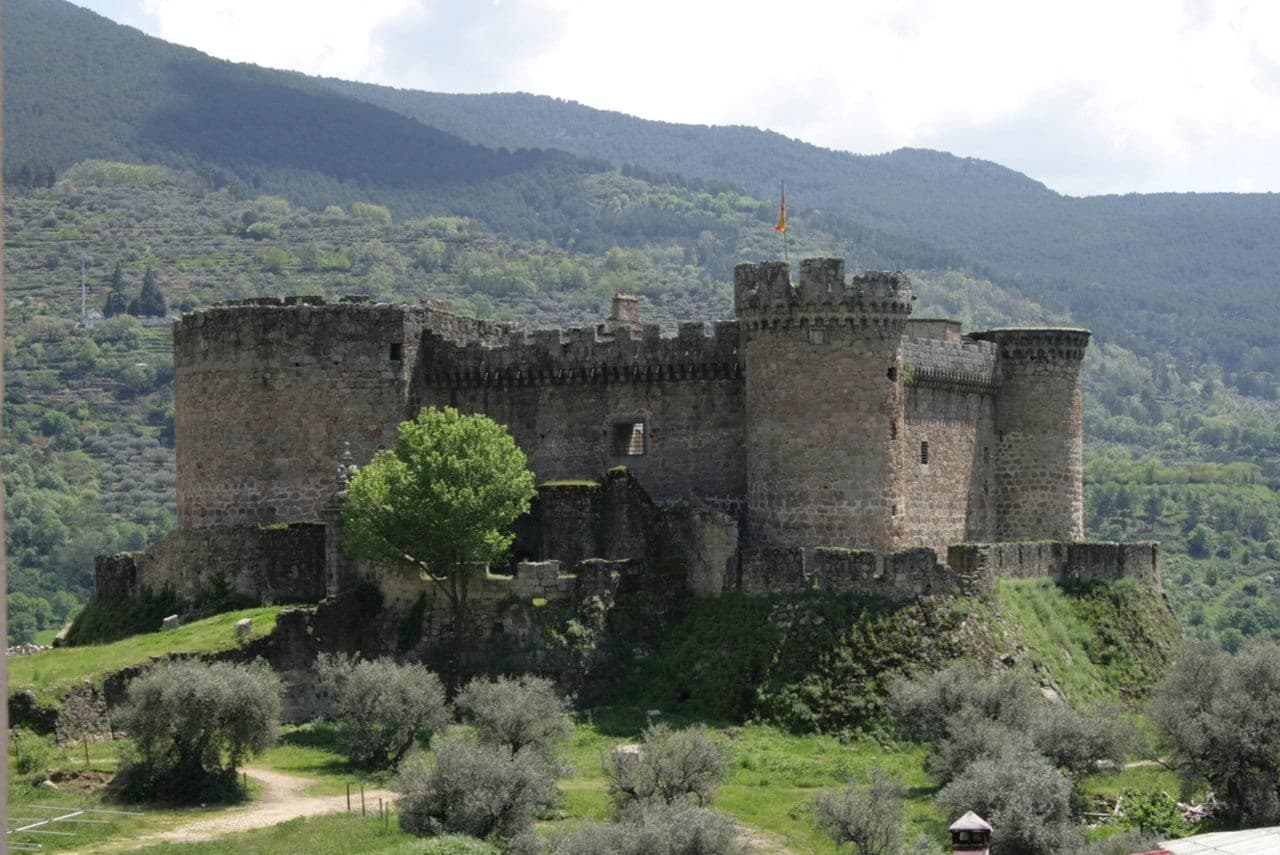 Castle
Mombeltrán Castle
A 15th-century fortress built by Beltrán de la Cueva above the Mombeltrán valley, featuring a barbican, corner towers and an elegant Renaissance doorway.