
Mombeltrán Castle
Description
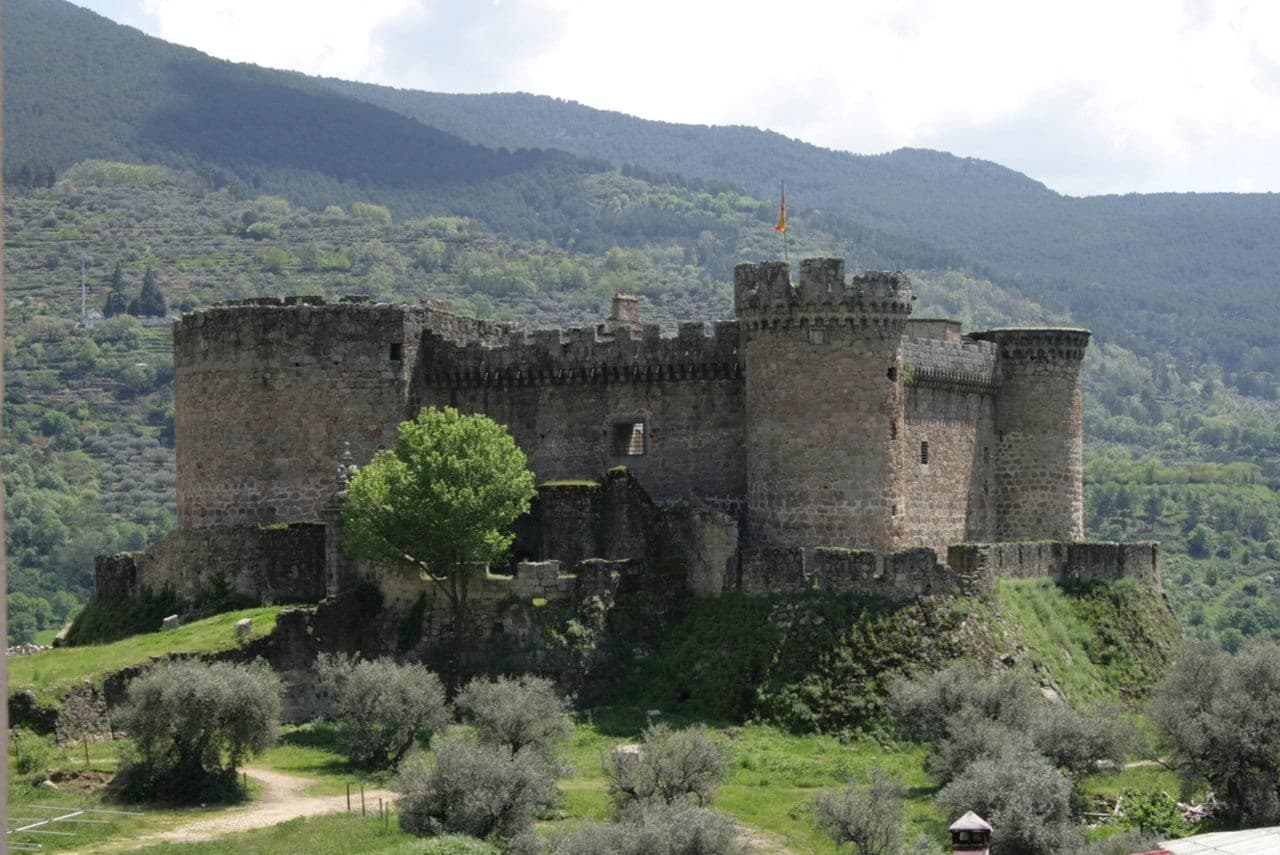
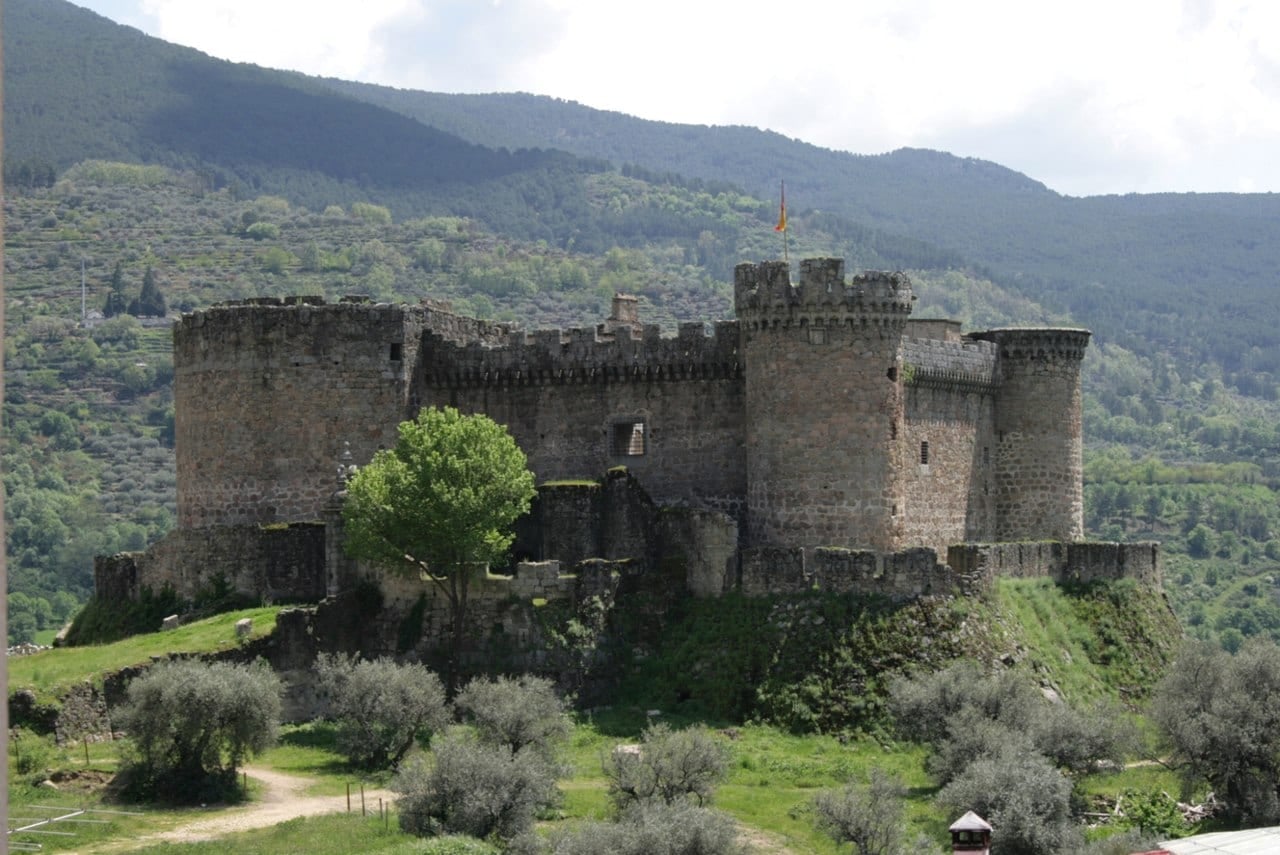
Perched on the last step of the sierra, Mombeltrán Castle keeps watch over the entire valley from a position that leaves no doubt about its military origins. It was commissioned by Beltrán de la Cueva, the first Duke of Alburquerque, which is why it is also known as the Castle of the Dukes of Alburquerque. Based on the coats of arms it displays, the historian Cooper dates the works to between 1462 and 1474 and attributes them to Juan Guas, owing to its resemblance to the castles of Belmonte and Manzanares el Real.
The first thing you notice on approaching is the barbican, a low wall with a pronounced batter that wraps around the main body of the castle, which is rectangular in plan and reinforced with corner towers. The whole complex is crowned with square merlons; on the central core they rest on rows of small arches that look like defensive corbels but are in fact purely decorative, a nod to the noble architecture of the period.
The castle changed character in the 16th century, when Francisco Fernández de la Cueva, the second duke, remodelled it as a residence. It was probably at this time that the original moat was filled in and the drawbridge disappeared, replaced by the Renaissance doorway that still serves as the entrance today. Opposite the little bridge stands another gateway, dating from the 18th century and flanked by its sentry boxes.
Inside, the building is badly deteriorated, but its layout can still be made out: a central colonnaded courtyard around which the lords' quarters, the chapel and the service rooms were arranged. The towers retain their vaulted ceilings, and the keep holds an ingenious defensive device: its removable wooden floors prevented attackers from climbing up through the interior.
Over the centuries the fortress has remained linked to the House of Alburquerque, whose holders have lived in it from time to time. It has been protected as a Site of Cultural Interest (Bien de Interés Cultural) since 1949.
Routes that include this monument
Community photos
Log in to upload your photos of this monument.
Best time to visit
Spring and autumn (April–June and September–October), with mild summers and cold winters.
Location
Similar monuments
 Castle
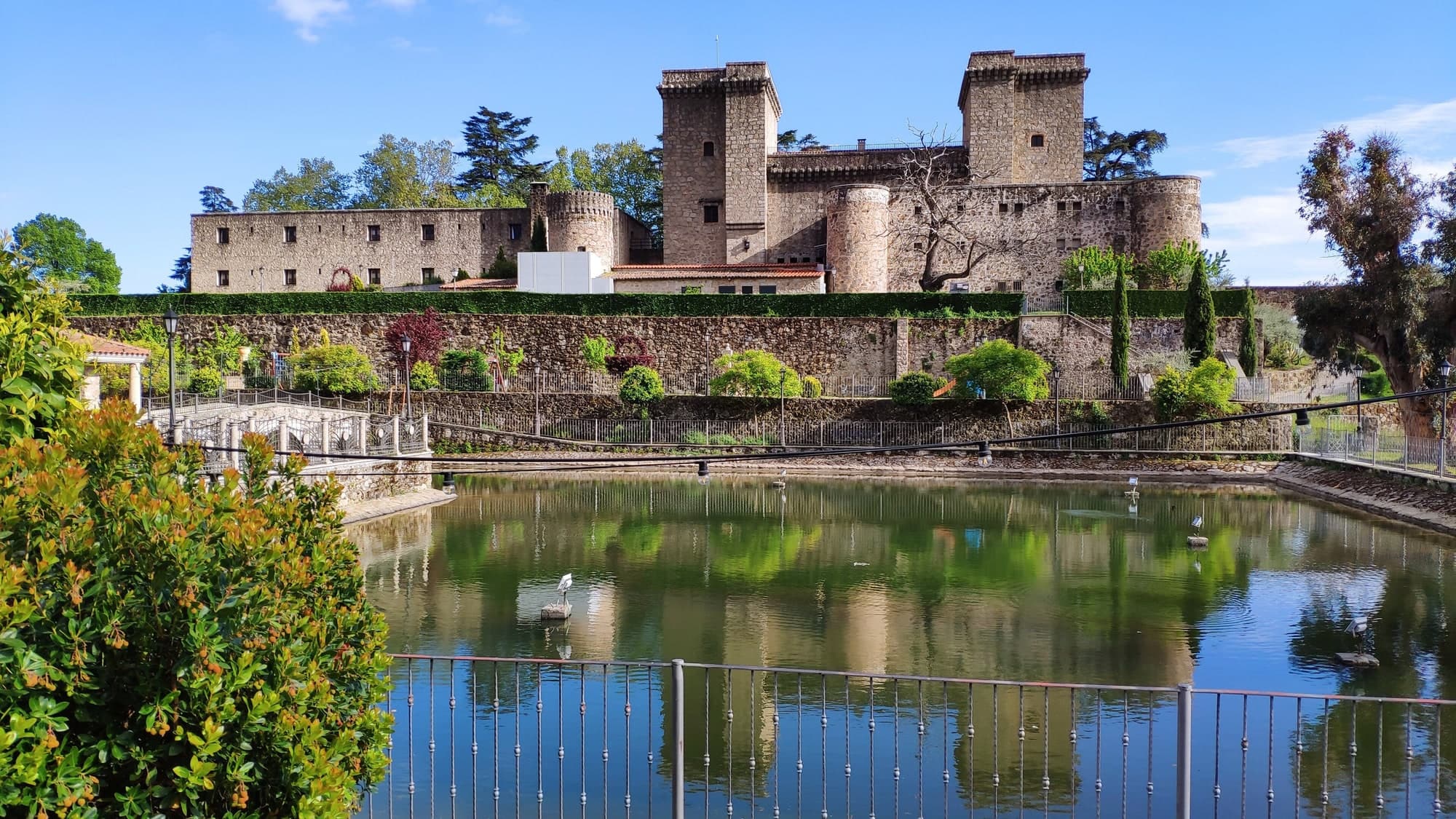
Jarandilla de la Vera Castle
A 13th-century fortress in Jarandilla de la Vera, also known as the castle-palace of the Counts of Oropesa or the Castle of Charles V: three names for a single story.
 Castle
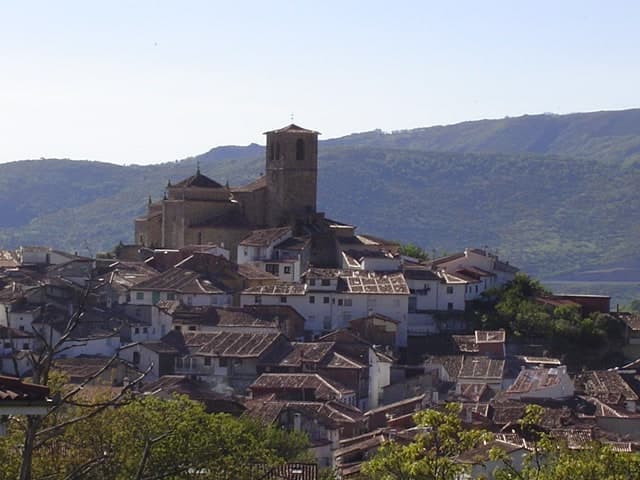
Hervás Castle
At the very top of Hervás, the foundations of a 13th-century castle now support the Church of Santa María de Aguas Vivas, with the Sierra de Gredos as a backdrop.
 Castle
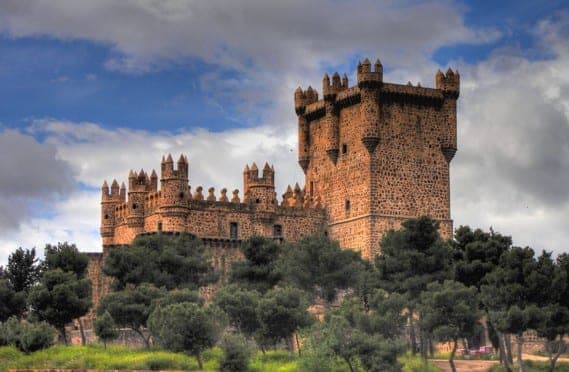
Guadamur Castle
Guadamur Castle is a fortification in the province of Toledo that gives character to the village around it and deserves a stop on any route through the province.
 Castle
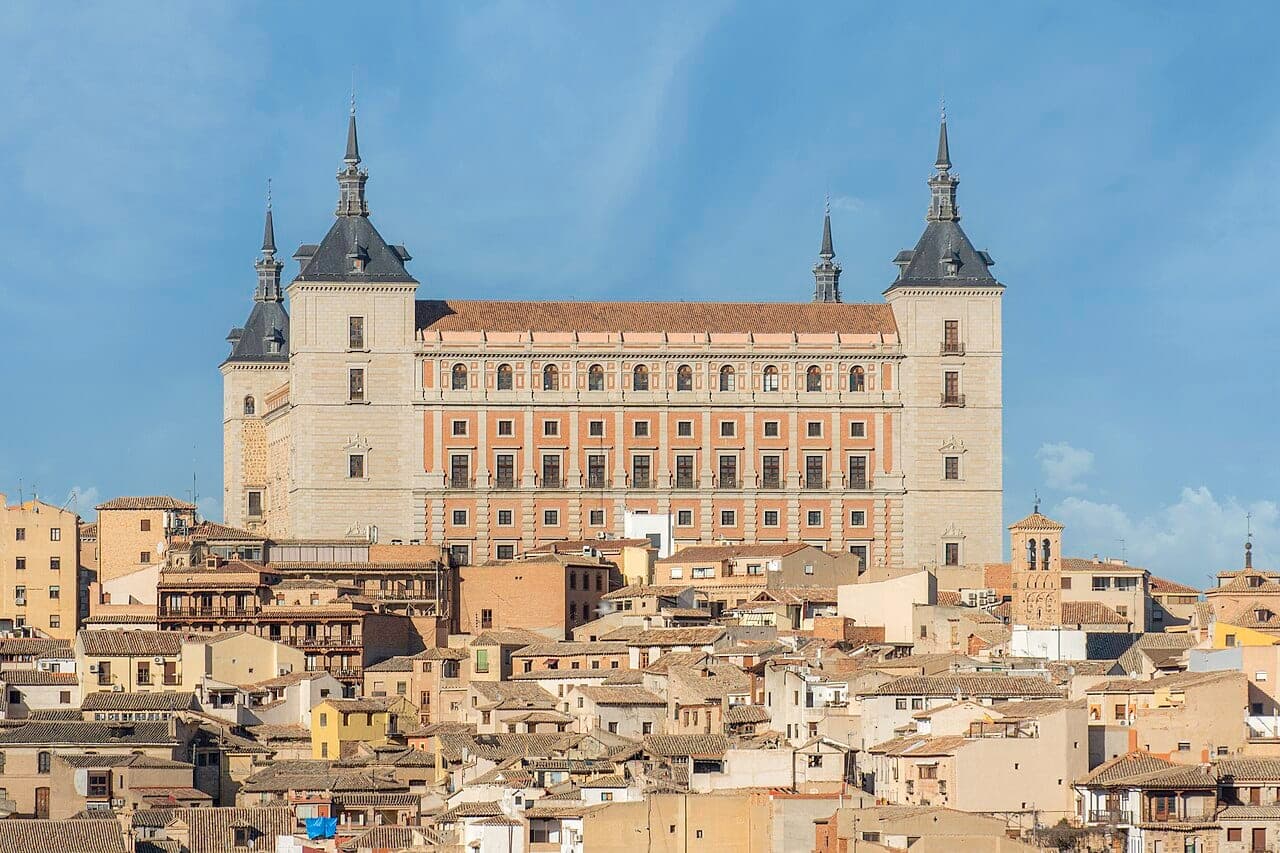
Alcázar of Toledo
Crowning the highest point of Toledo, the Alcázar sums up centuries of history, from Roman palace to imperial residence, and today houses the Army Museum and the Library of Castile-La Mancha.