
Monastery of El Escorial
Description
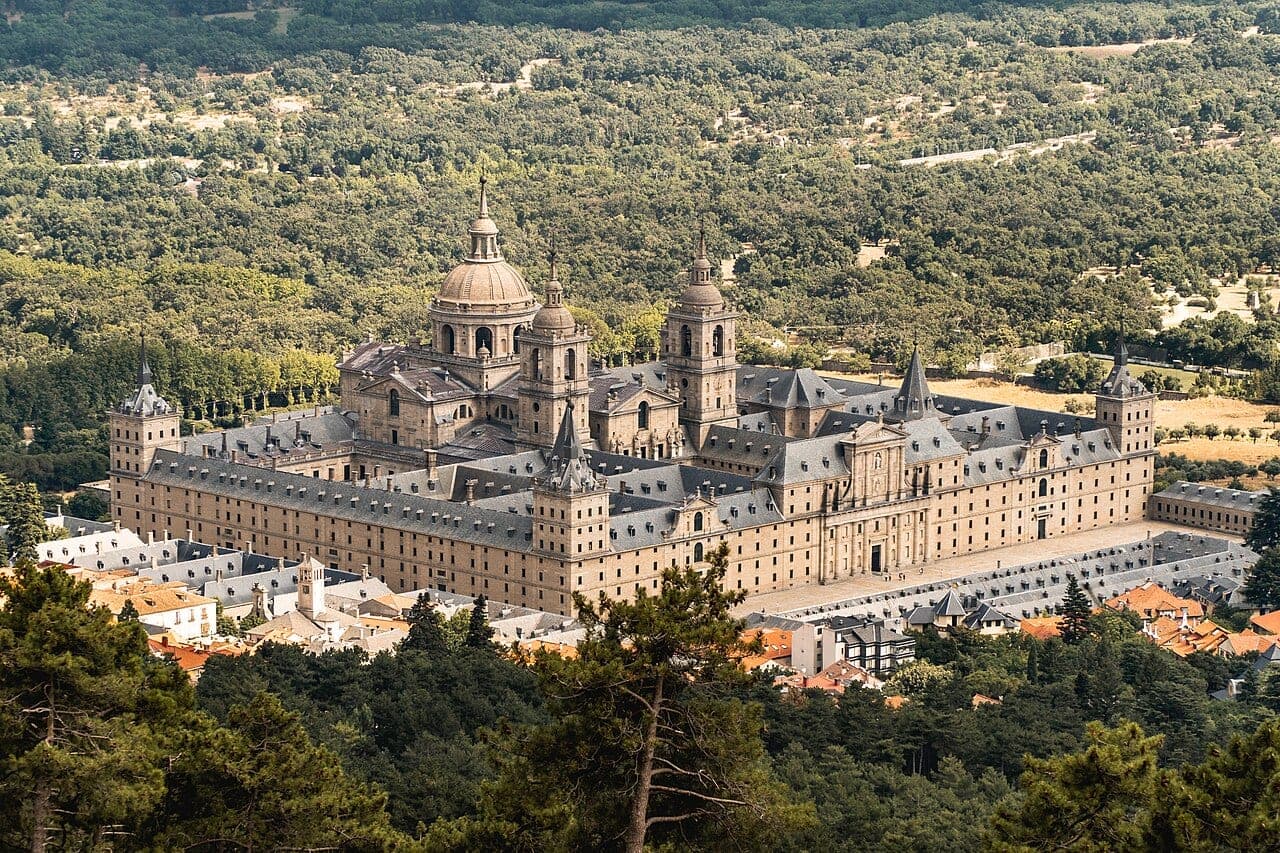
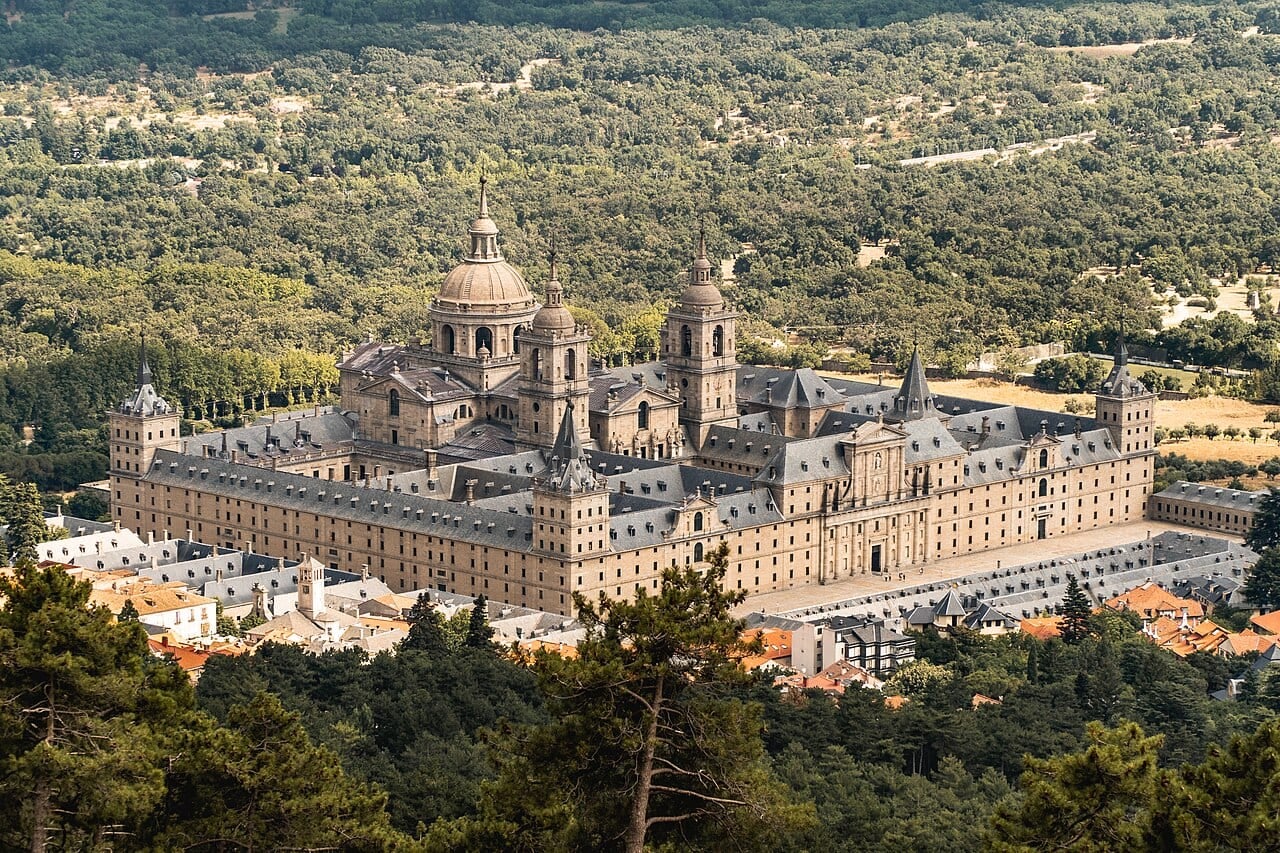
Few buildings in Europe bring together as many functions under one roof as El Escorial. Royal palace, basilica, pantheon where the kings of Spain lie at rest, library, college and monastery coexist in a complex of more than thirty-three thousand square metres that sits on the southern slope of Mount Abantos, at just over a thousand metres above sea level, with the Sierra de Guadarrama as its backdrop. Small wonder that, from the late 16th century onwards, it became known as the Eighth Wonder of the World.
Behind this colossal undertaking lies the will of a single man, Philip II, a prince with a Renaissance outlook who conceived the complex in the second half of the 16th century together with his architect, Juan Bautista de Toledo. Construction took place between 1563 and 1584, and figures such as Juan de Herrera, Juan de Minjares, Giovanni Battista Castello, known as il Bergamasco, and Francisco de Mora later played a part. The project, laid out according to the so-called Traza Universal, gave rise to the Herrerian style, which left behind the ornamentation of the Plateresque in favour of a sober, unadorned classicism.
But El Escorial is not just about architecture. Anyone exploring its rooms will discover a veritable museum: paintings, sculptures, choir books, parchments, liturgical vestments and all manner of sacred and courtly objects. Its rich and complex iconography has prompted the most varied interpretations among historians, admirers and critics alike, so a visit is also an invitation to decipher the symbols with which the king chose to imbue his creation.
The monastery, founded by Hieronymite monks, is now home to Augustinian friars, and for centuries the palace served as a residence of the royal family. Declared a UNESCO World Heritage Site in 1984 and managed by Patrimonio Nacional, it is one of the great sights of the Community of Madrid and one of the most remarkable examples of the Spanish and European Renaissance.
Routes that include this monument
Community photos
Log in to upload your photos of this monument.
Best time to visit
Spring and autumn (April–June and September–October), as summers are hot and winters cold.
Location
Similar monuments
 Monastery
Convent of Santa Clara
In Villacastín, the Convent of Santa Clara holds almost four centuries of Poor Clare life within walls raised in the 17th century at the behest of the Counts of Molina de Herrera.
 Monastery
Convent of San Francisco
A former Franciscan convent in Segovia that now houses the Artillery Academy, an intriguing example of how a religious building can take on a new life while remaining part of the city.
 Monastery
Convent of Santa Isabel de los Reyes
The Toledo convent of Santa Isabel de los Reyes, a worthwhile stop for anyone keen to discover the religious heritage of the Imperial City.
 Monastery
Bonaval Monastery
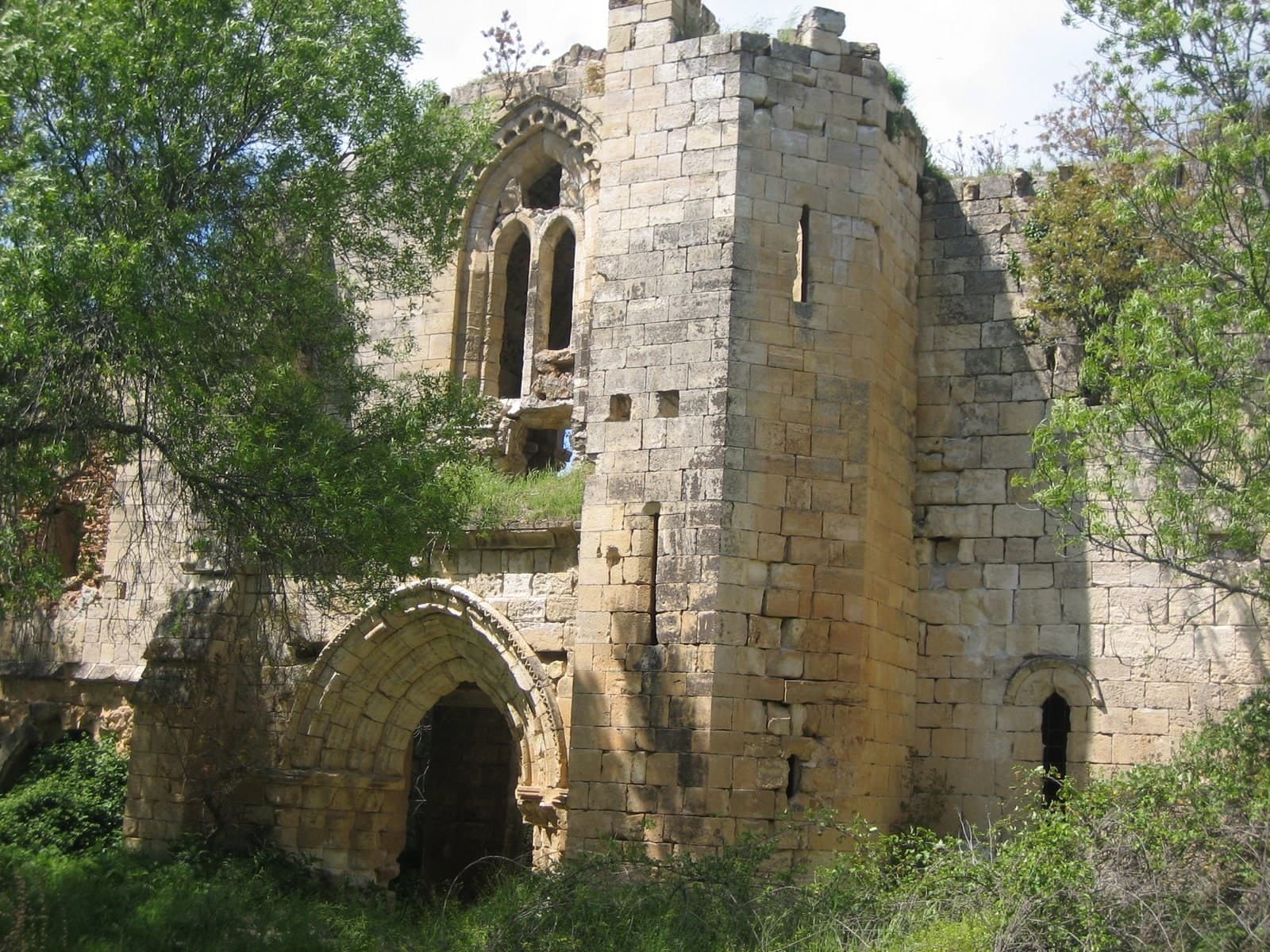
Santa María de Bonaval, a Cistercian monastery founded in 1164 in Retiendas, offers a glimpse into more than eight centuries of history in the province of Guadalajara.