Visiting rural villages: tips for a getaway
What to bear in mind when visiting rural villages: when to go, getting around, what to see and respecting local life, with Pals, Palenzuela and Priego.
In this article
Visiting a small village is not the same as sightseeing in a big city. There are no queues at the museums or hop-on hop-off buses, but nor are there services on every corner. In return, travellers find something that is hard to come by elsewhere: peace and quiet, streets steeped in centuries of history and monuments you can discover almost entirely on your own. To make the most of your getaway, it pays to bear a few things in mind before you start the car.
Plan more than you think you need to
In rural villages, there is only so far improvisation will get you. Many churches, convents and castles have limited opening hours or only open at specific times, and the information available is sometimes scarce. The sensible thing is to check beforehand with the town hall or the local tourist office, and not to assume that everything will be open.
A good example is the Convent of Nuestra Señora del Rosal, in the municipality of Priego, in the province of Cuenca. It is one of those buildings that does not feature on the big tourist routes and about which there is little verified information. That is precisely what draws the curious traveller, but it also means going with an open mind and asking around in the village itself.
Something similar happens with the Church of Santiago Apóstol, in Calzada de los Molinos (Palencia). Little documented information about it is available to visitors, so the visit is very much a personal discovery: take in its silhouette, its walls and the way it relates to the houses around it.
Choose the right time of year
The weather sets the pace of any rural getaway, especially in the interior of the peninsula. In Castile, in both Cuenca and Palencia, spring and autumn tend to be the best times: between April and June or between September and October you avoid the cold winters and, in the case of Cuenca, the very hot summers.
In the south, the heat rules. To visit Vejer de la Frontera Castle, in Cádiz, it is best to go between October and May, as the heat in July and August can be extreme. And if your plans include nature in the north, such as the Gujuli Waterfall, in Álava, the best time is from May to September, when rain is less frequent.
As a general rule: in summer, avoid the middle of the day and make the most of the early morning and late afternoon for strolling.
A car is almost essential
Public transport in rural areas is usually limited, so in most cases a car is the most practical option. That said, when you arrive it is best to leave it at the entrance to the village and explore the old quarter on foot. Many streets are narrow, steep or cobbled, and were never designed for vehicles.
The Gujuli Waterfall is a good example of an accessible spot: it lies in the municipality of Urkabustaiz, some 30 kilometres north-west of Vitoria-Gasteiz, next to the A-2521 road linking Urduña with Murgia. Even so, once the car is parked, it is time to walk.
Some practical tips:
- Fill up the tank before heading into sparsely populated areas.
- Wear comfortable shoes with good soles: cobbles and slopes are the norm.
- Download maps to your phone, as coverage can be patchy.
- Carry some cash and water in case you can't find any shops open.
Let the village set the pace
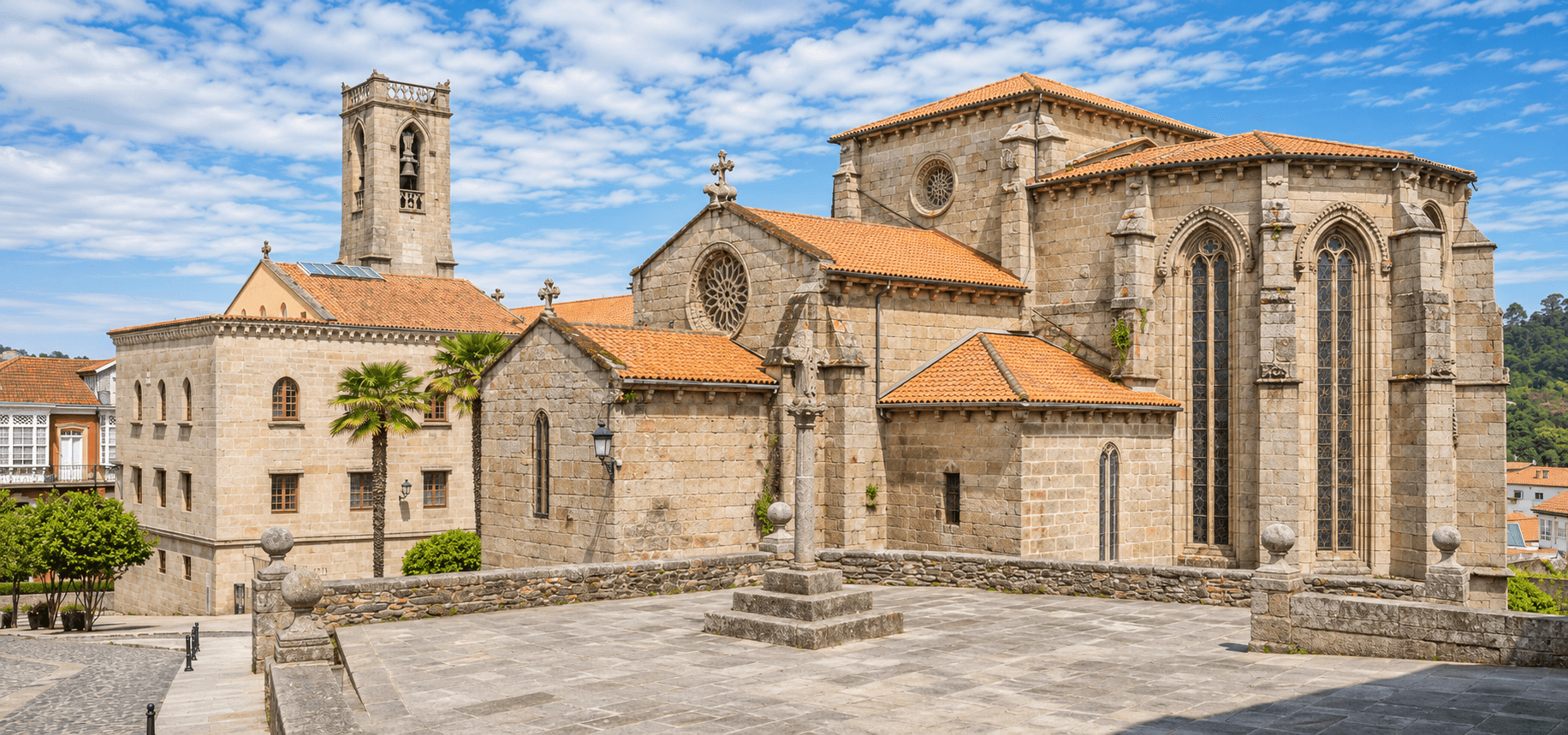
The best way to get to know a village is to wander it unhurriedly. In Palenzuela, in the El Cerrato area of Palencia, the Church of San Juan Bautista stands right in the old quarter, so anyone going to see it also takes in the most historic streets in the village. It is a land that lends itself to slow travel, stopping at every village along the way.
The same is true of Castellar de n'Hug, in the Berguedà area (Barcelona). There, the Church of Santa Maria (Castellar de n'Hug) sits at the heart of the village: every stroll ends up in front of it, and it serves as a natural landmark for getting your bearings. Leaving the car and walking is the best way to understand the place.
Look for the history behind the stones
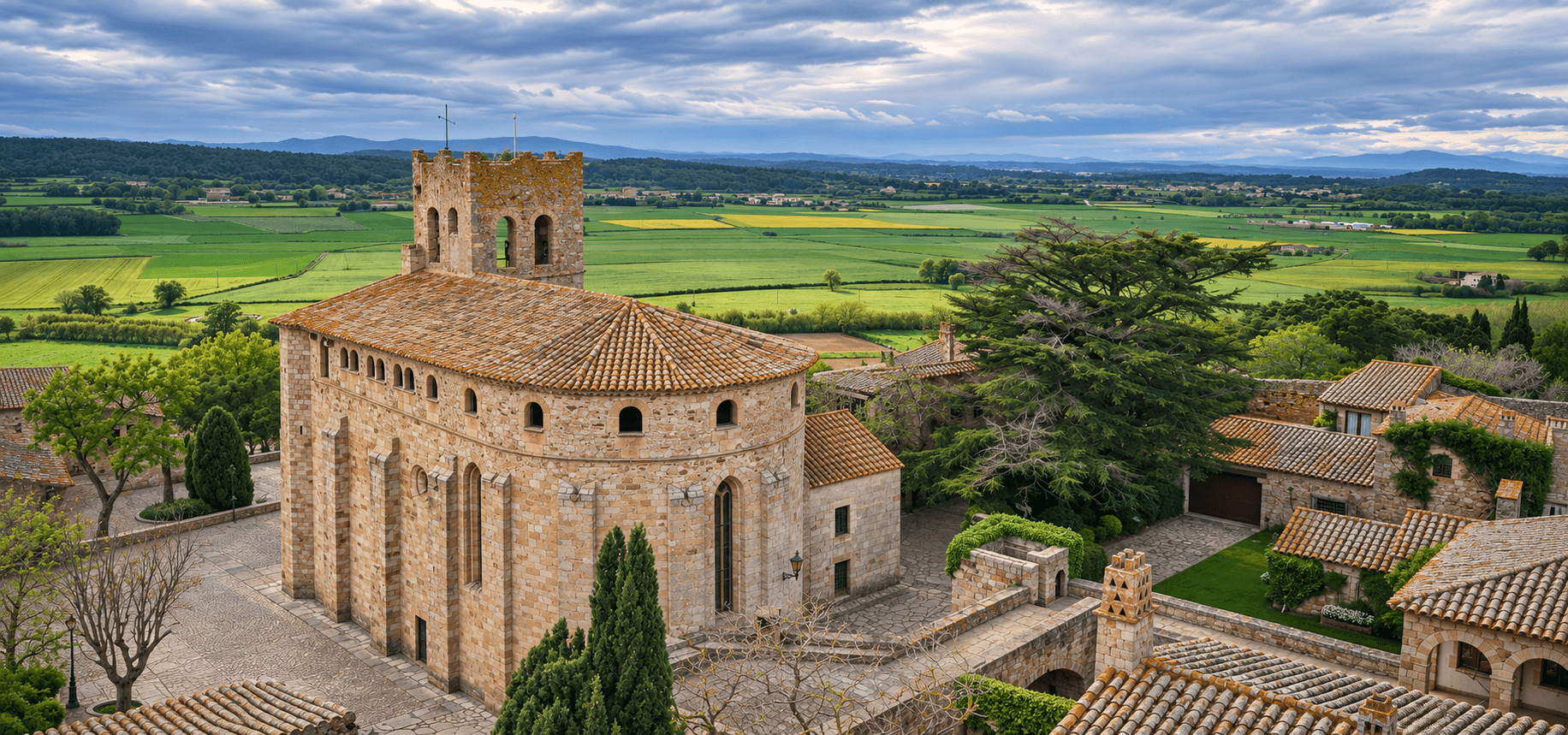
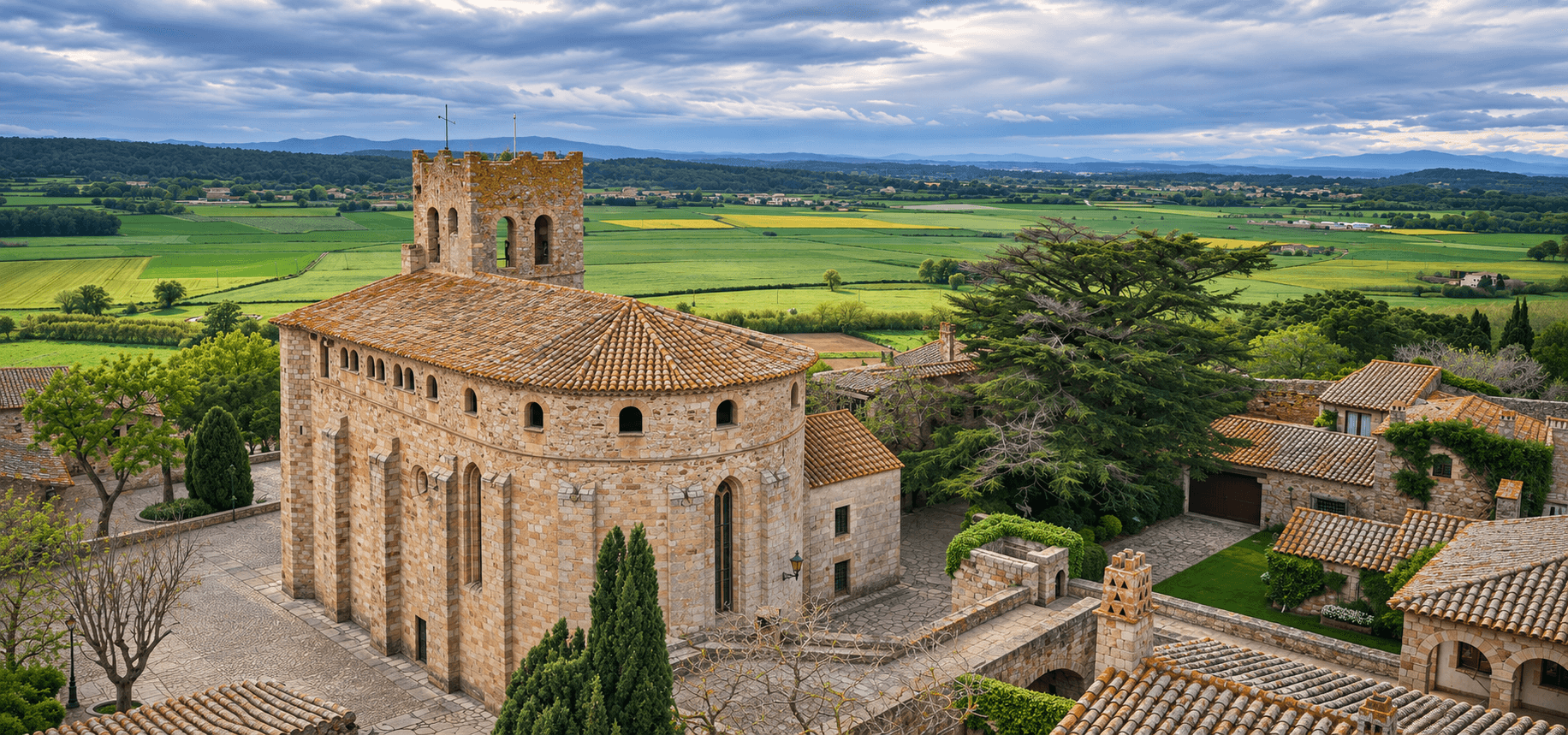
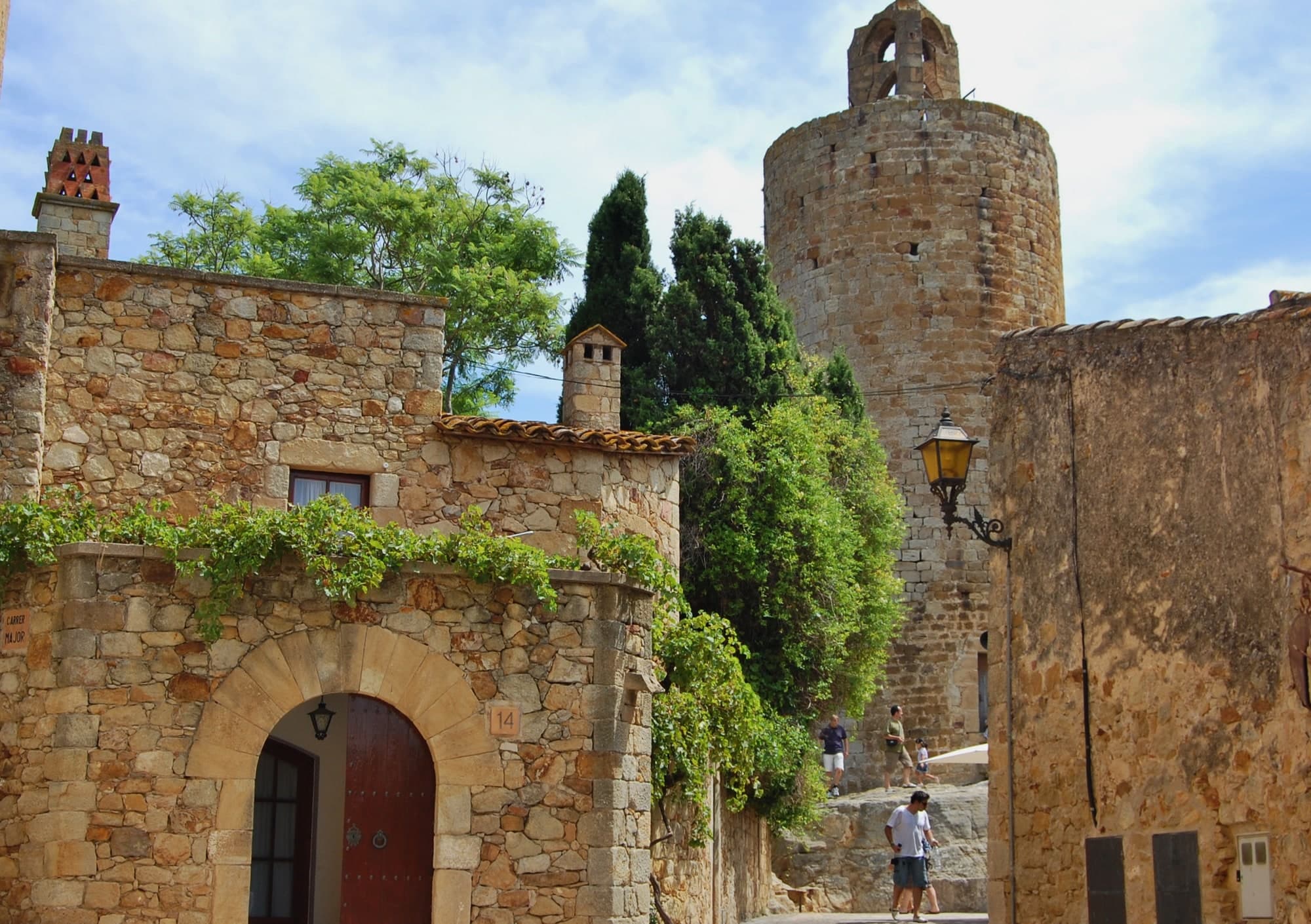
Many villages grew up around a castle or a church, and understanding why helps you enjoy the visit all the more. Pals, in the Baix Empordà area of Girona, reads like a book written in stone: castle, village and walls form a monumental ensemble that invites you to lose yourself. Its symbol is the Tower of the Hours, all that remains of Pals Castle, which was built in the 9th century to watch over and defend a frontier. The castle was badly damaged in the War of the Remences, the peasant revolts that shook the area between 1380 and 1482.
Something similar happens at Vejer de la Frontera Castle: it is a medieval fortress that recalls the village's defensive role, now barely discernible among its whitewashed streets. Visiting it turns the casual stroller into someone trying to understand what life was like behind those walls.
Respect local life
A village is not a film set: people live there who get up early, work the land and keep up their traditions. A few basic guidelines:
- Keep your voice down in residential streets and don't peer into private courtyards or houses.
- If you visit a church or convent, remember they are still places of worship: dress appropriately and keep quiet.
- Respect farmland, paths and livestock; close any gates you find closed.
- Shop locally: it is the best way to help keep the village alive.
- Take your rubbish home with you, especially in natural areas.
Combine heritage and nature
One of the advantages of rural tourism is that monuments and landscape usually go hand in hand. After a stroll around an old quarter, a short trip is often all it takes to find yourself at a waterfall, a valley or a viewpoint. The Gujuli Waterfall, with its sheer drop of more than a hundred metres onto the Oiardo stream, is a good example: some consider it the highest waterfall in the northern half of the peninsula. Its name, from Basque, means, fittingly, "high place".
One final tip
Travel with curiosity and an open mind. In rural villages you won't always find information panels or guided tours, but you will find locals happy to tell you the story of their church or their castle. Ask, listen and take your time: often the best part of the trip isn't in any guidebook.
The route in this article
8 stops · 1979.3 km by car. See them on the map and plan the trip in a couple of steps.
Guides by style
Places in this article
 Village
Pals
Villa medieval del Bajo Ampurdán cuyo castillo, murallas y Torre de las Horas cuentan mil años de historia, desde donaciones reales del siglo IX hasta las revueltas remensas.
 Castle
Castillo de Pals
La Torre de las Horas, antigua torre del homenaje de un castillo fronterizo del siglo IX, preside el núcleo antiguo de Pals y resume once siglos de historia ampurdanesa.
 Castle
Vejer de la Frontera Castle
A medieval fortress in Vejer de la Frontera, in the province of Cádiz: an essential stop for understanding the past of one of the province's best-known towns.
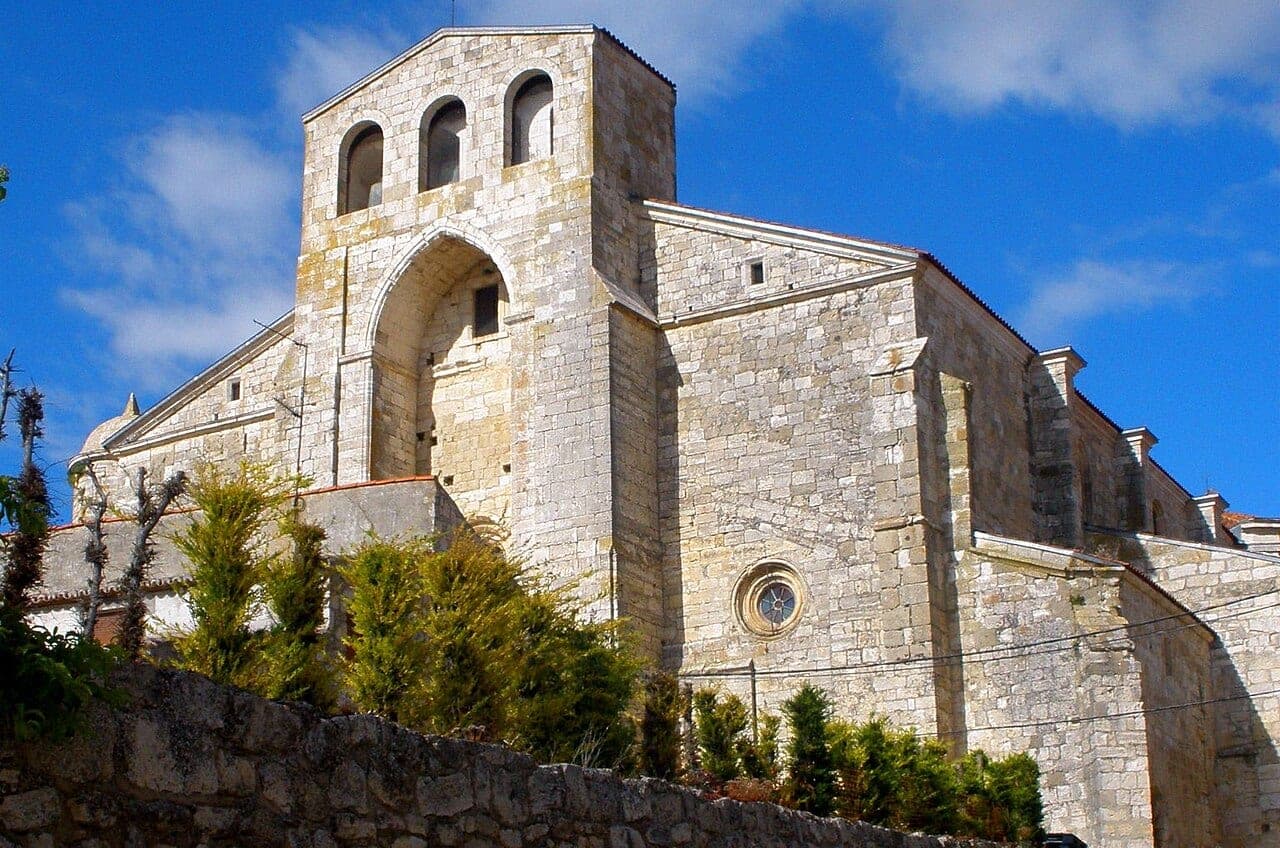 Church
 of San Juan Bautista
A Catholic church dedicated to St John the Baptist in the heart of Palenzuela's old town, and a fine excuse to explore the villages of El Cerrato in Palencia at a leisurely pace.
 Church
 of Santiago Apóstol
The Church of Santiago Apóstol in Calzada de los Molinos, Palencia, is a simple, authentic stop for anyone exploring the villages of Castile at an unhurried pace.
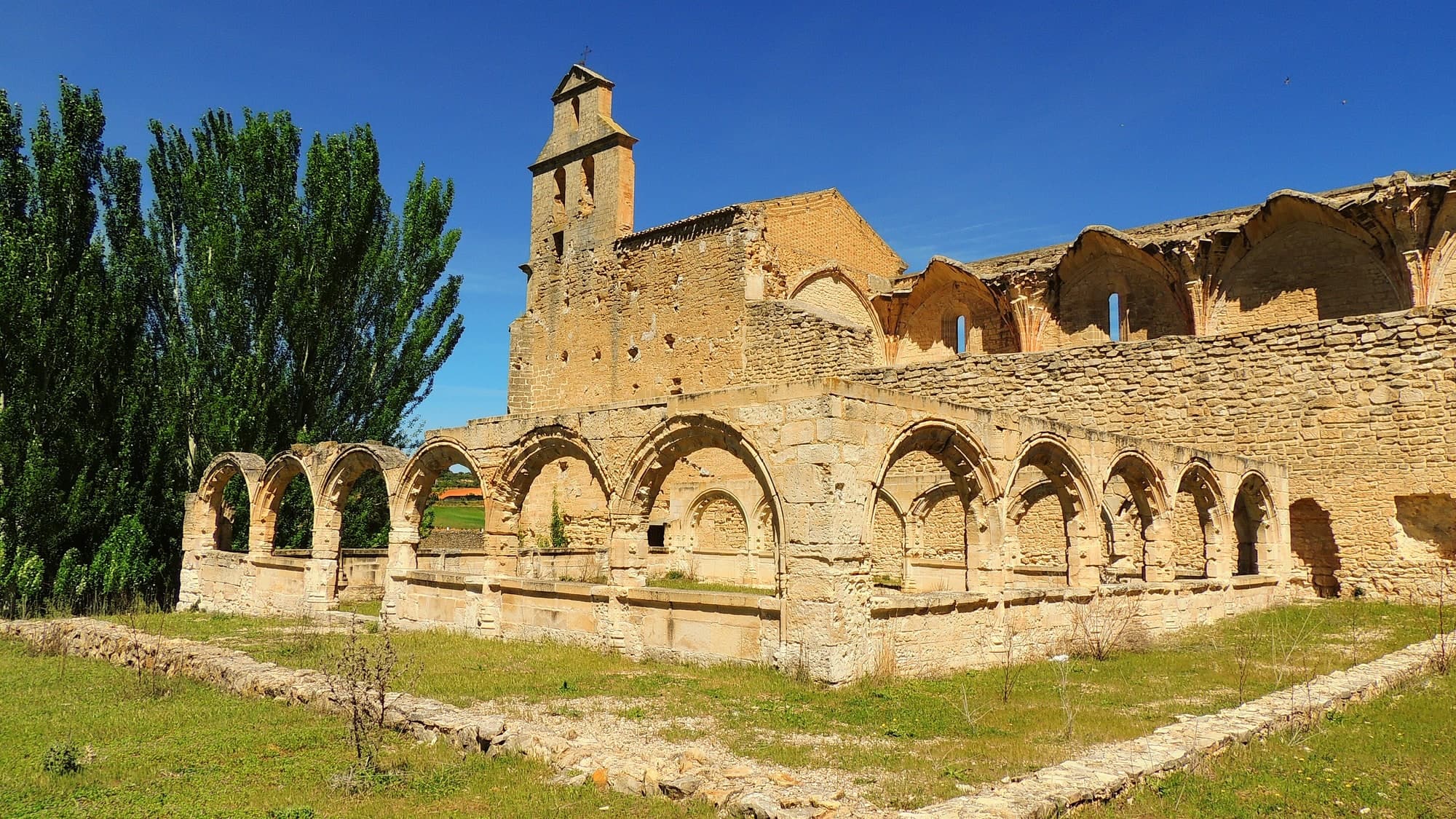 Monastery
Convent of Nuestra Señora del Rosal
The Convent of Nuestra Señora del Rosal, in Priego (Cuenca), is an unassuming stop for anyone touring the villages of Cuenca province and keen to discover their heritage.
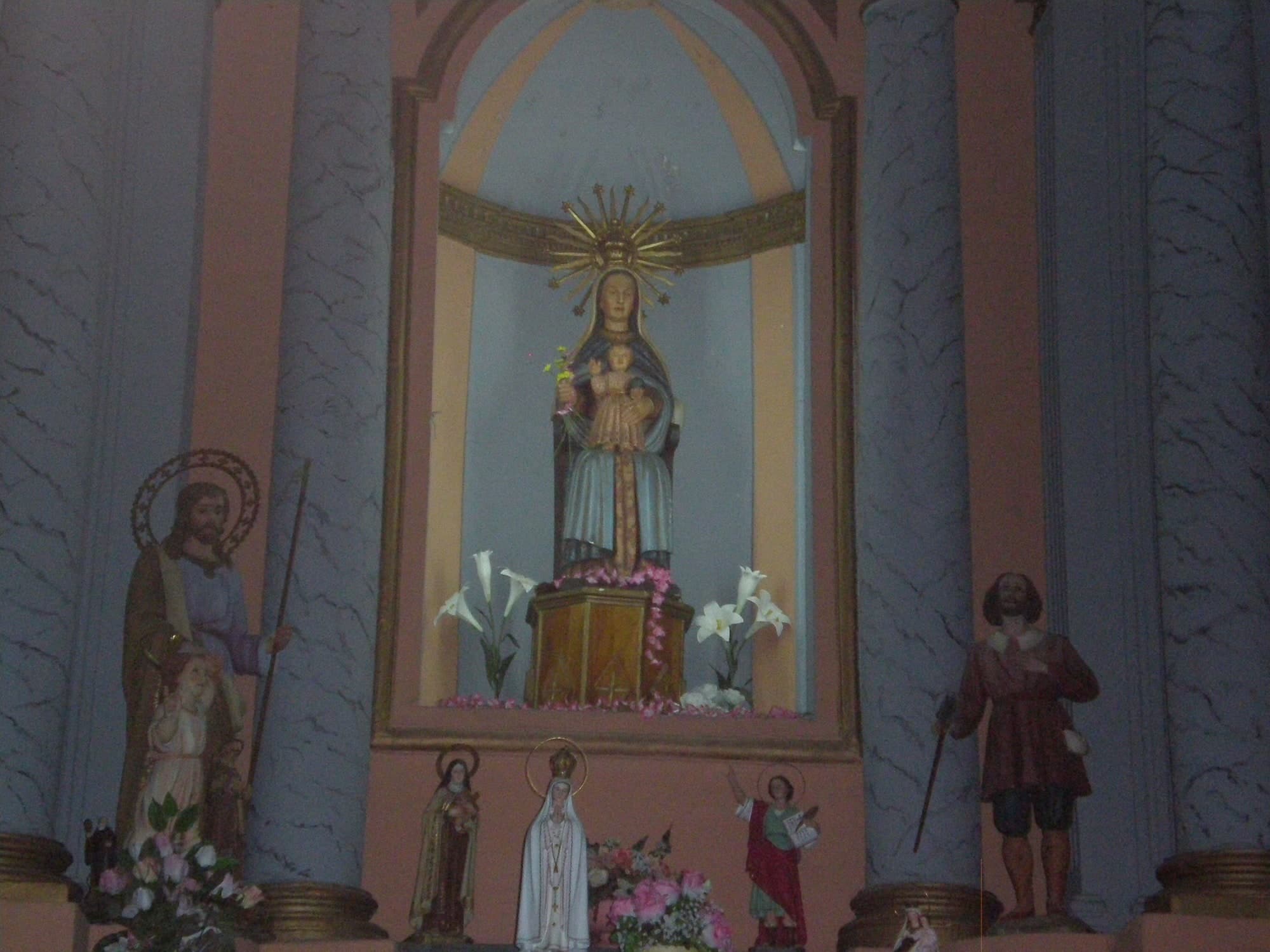 Church
 of Santa Maria (Castellar de n'Hug)
The Church of Santa Maria stands at the heart of Castellar de n'Hug, in the Berguedà: a simple stop for anyone exploring the villages of this Catalan comarca at a leisurely pace.
 Waterfall
Cascada de Gujuli
Un salto vertical de más de 100 metros del arroyo Oiardo, rodeado de hayedos y robledales, al que se llega con un paseo sencillo de un cuarto de hora.
Article written with the help of artificial intelligence based on Wikipedia (CC BY-SA 4.0) and our catalogue, and reviewed by the El Trotamundos Curioso team.