
La Alberca
History and heritage
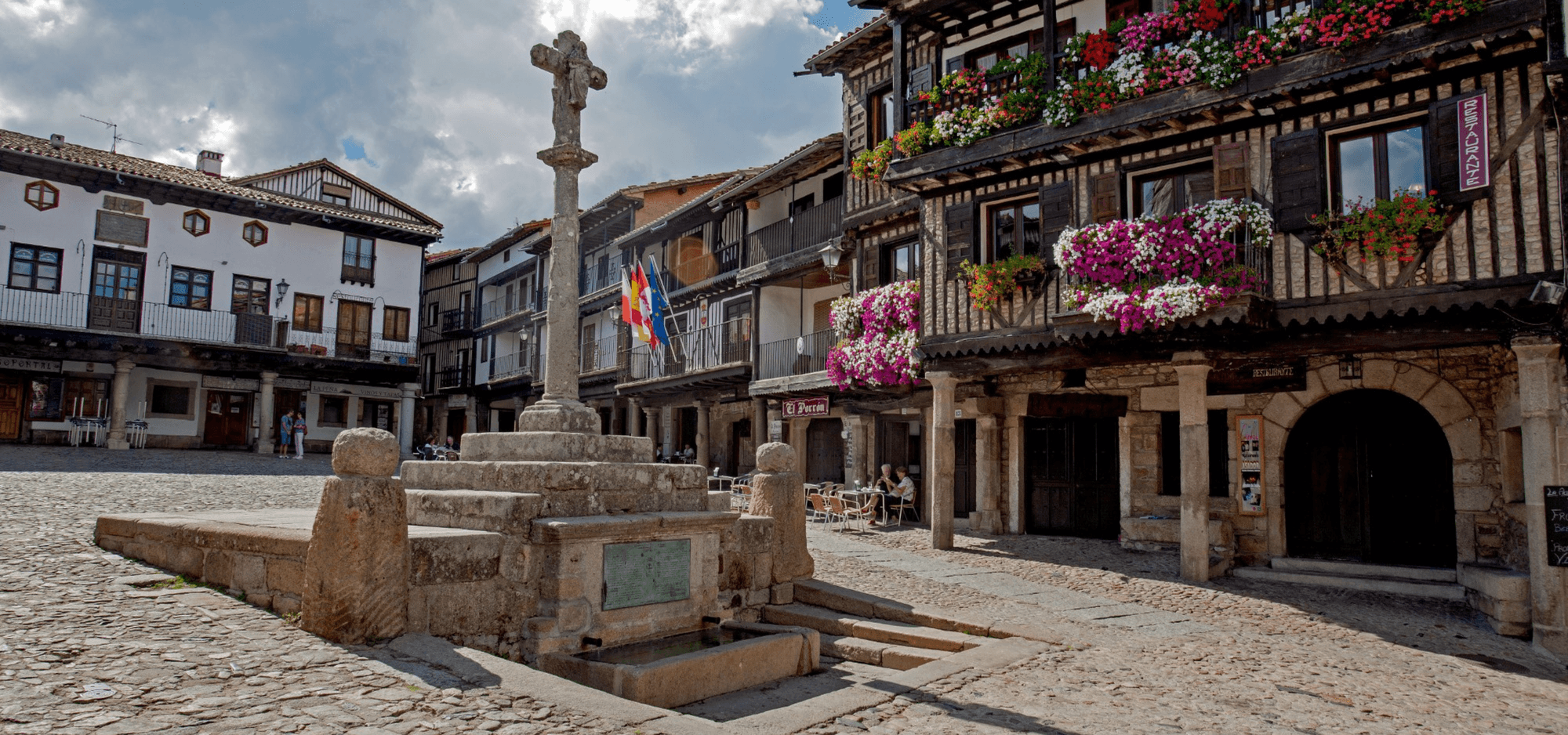
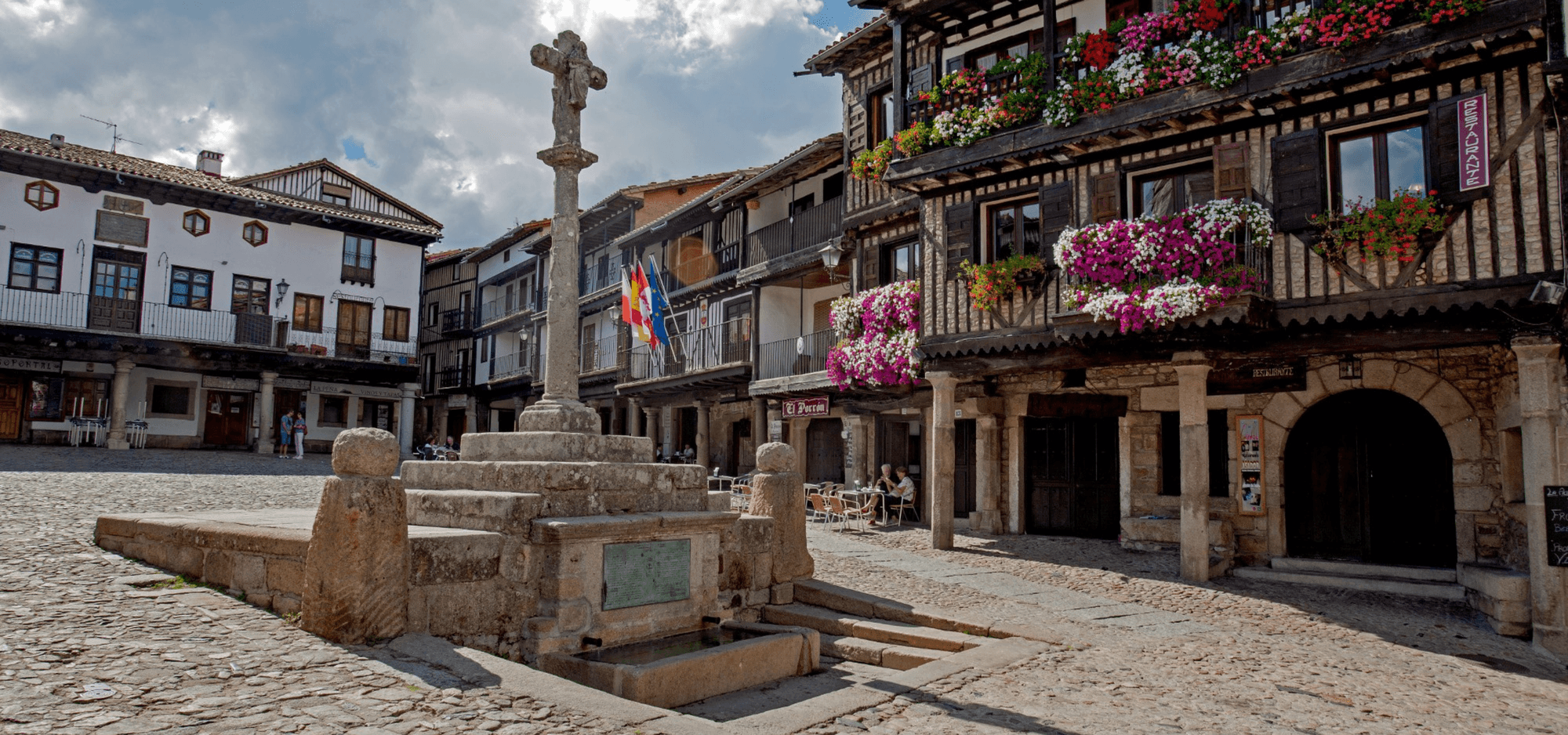
Few places can boast a title like La Alberca's: in 1940 it became the first Spanish village to be declared a historic-artistic site. Nestled in the Sierra de Francia in the province of Salamanca, it has also been a member of the Most Beautiful Villages in Spain association since 2014, a recognition that confirms what any visitor senses when strolling through its streets.
It pays to walk with an eye on the doorways. Many lintels bear religious inscriptions which, it has been suggested, may be the mark left by former converso inhabitants eager to make a public statement of their faith. Beneath part of the village also lies a pre-Roman hillfort, proof that this corner was inhabited long before the Romans arrived, while the hermitage of Majadas Viejas reuses materials from the Visigothic period.
Medieval history explains much of the area's character. Between the 12th and 13th centuries, Alfonso IX of León promoted its resettlement, and among those who came was a notable contingent of French origin linked to Raymond of Burgundy, husband of the future Queen Urraca I. This is said to be the source of the many French place names in the sierra. In 1434 the discovery of the image of the Virgin of the Peña de Francia turned her sanctuary into a destination for pilgrims, who were joined by those on the Way of St James travelling the Vía de la Plata.
La Alberca also has its own heroic tale. Tradition has it that in 1465 the women of the village defeated the Portuguese troops of the Prior of Crato and seized their banner, which is still preserved today. The victory is celebrated every year on Easter Monday.
Although in the 15th century it came under the House of Alba within the jurisdiction of Granadilla, the town managed to retain remarkable autonomy: it had its own ordinances from 1515, and Las Hurdes remained La Alberca's pastureland until 1835.
Nearby monuments
The monuments in our catalogue closest to La Alberca (the village is shown in orange).
Community photos
Log in to upload your photos of this village.