
Monastery of Yuste
Description
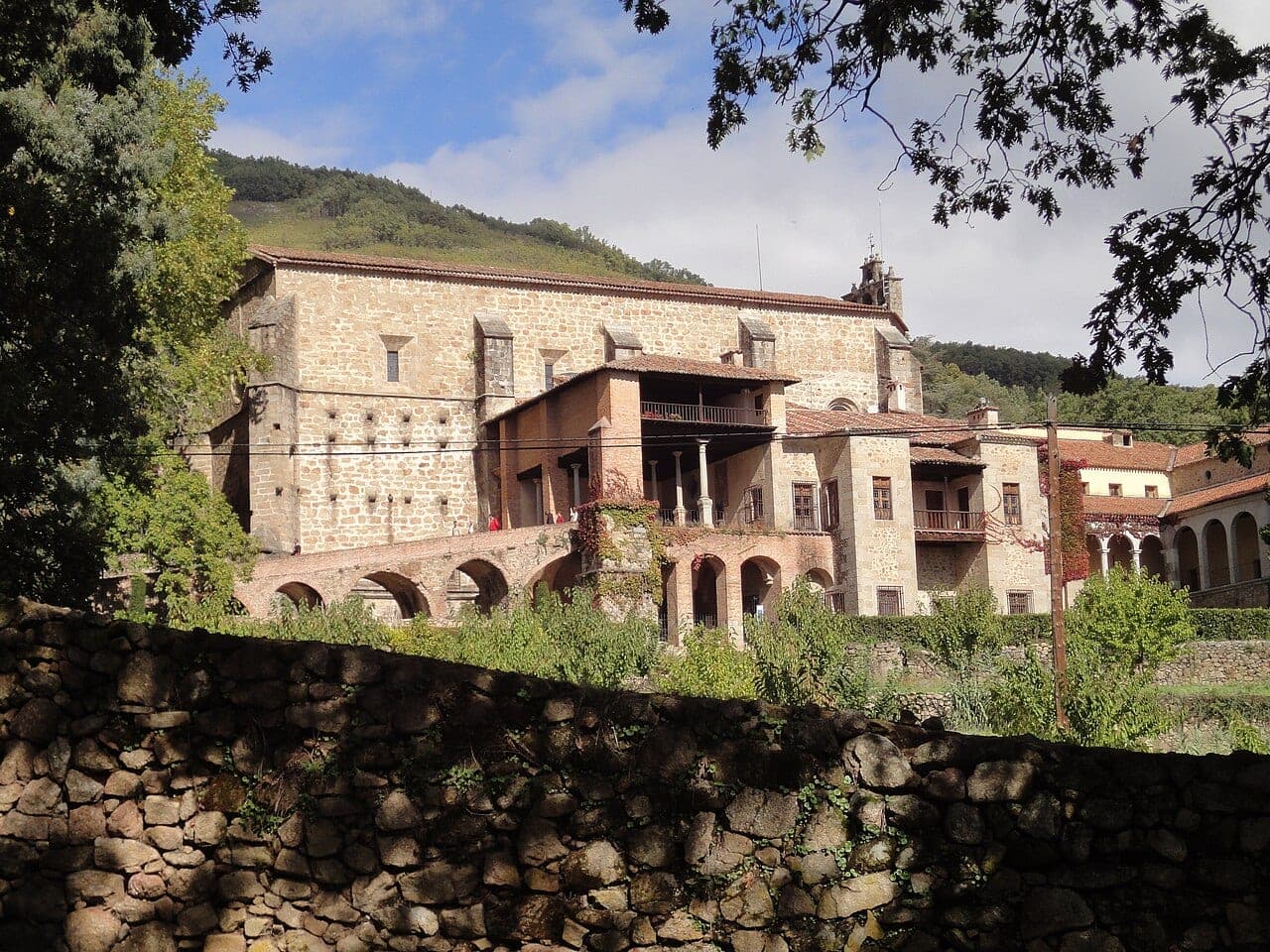
Few places in Europe hold a story as remarkable as that of Yuste. It was here, in a secluded corner of the north-east of the province of Cáceres, that Charles I of Spain and V of the Holy Roman Empire chose to retire after renouncing his crowns. The man who had ruled half a continent wished to spend his final days far from the court, and it was in this monastery, which also served as a palace residence, that he lived and died.
The emperor's stay was brief: the last two years of his life, between 1556 and 1558. Yet that short period was enough for the name of Yuste to be forever linked with that of Charles V, and for the site to become a symbol of the renunciation of power and of retreat after a life of immense responsibility.
It is worth knowing, before you visit, that the convent you walk through today is not exactly the one the emperor knew. The present building was raised on the ruins of the old monastery that served as his residence, so visitors tread a reconstructed space that preserves the memory of that historic episode on its original site.
The monastery lies very close to Cuacos de Yuste, in the La Vera district, surroundings that invite you to combine your visit with a leisurely stroll around the area. Its significance extends beyond Spain's borders: in 2007 it was awarded the European Heritage Label, a distinction that underlines Yuste's role in the continent's shared history and makes it an essential stop for anyone wishing to understand one of the great figures of the 16th century.
Routes that include this monument
Community photos
Log in to upload your photos of this monument.
Best time to visit
Spring and autumn (April–June and September–October); summers are very hot.
Location
Similar monuments
 Monastery
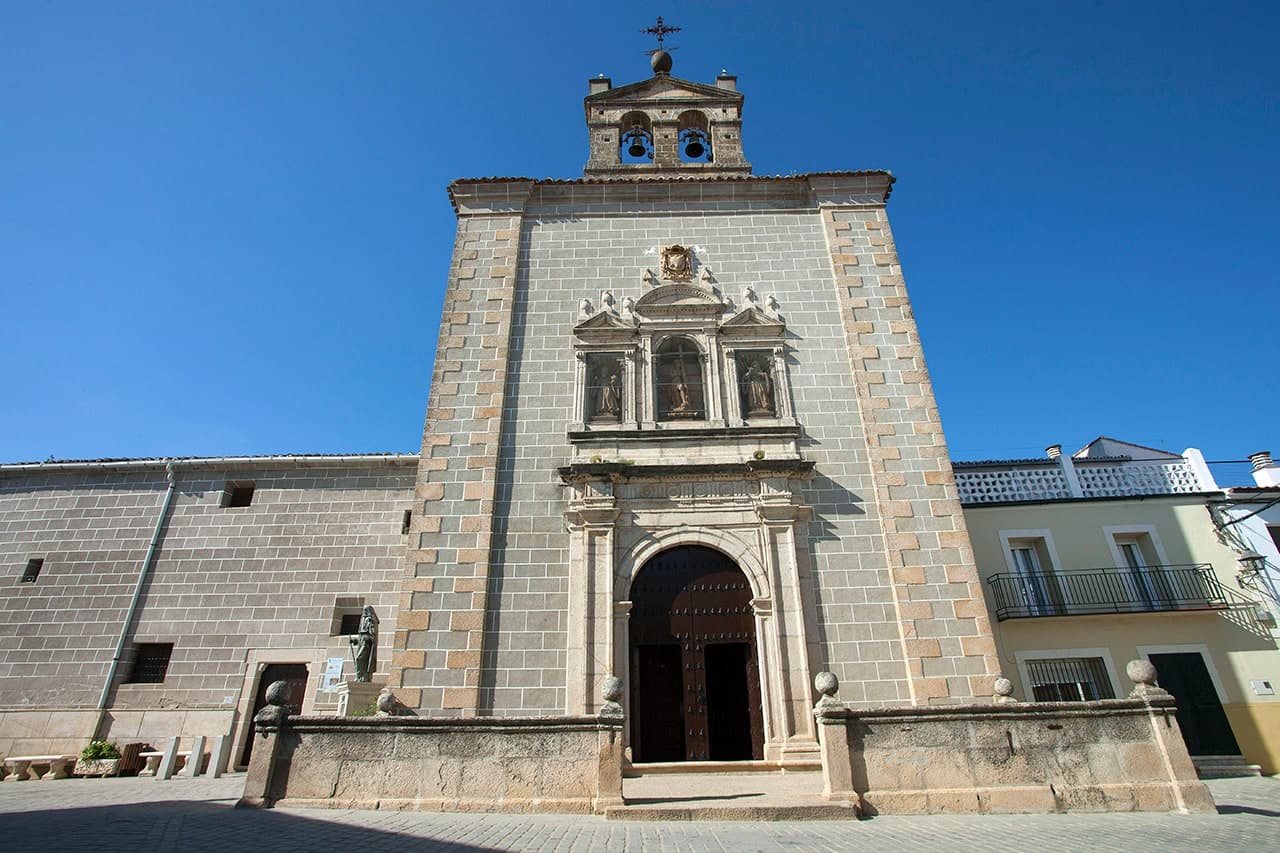
Sanctuary of the Cristo de la Victoria
In Serradilla, a convent of Augustinian Recollect nuns houses the Cristo de la Victoria, one of the most revered images in Extremadura and a protected gem of the heritage of the province of Cáceres.
 Monastery
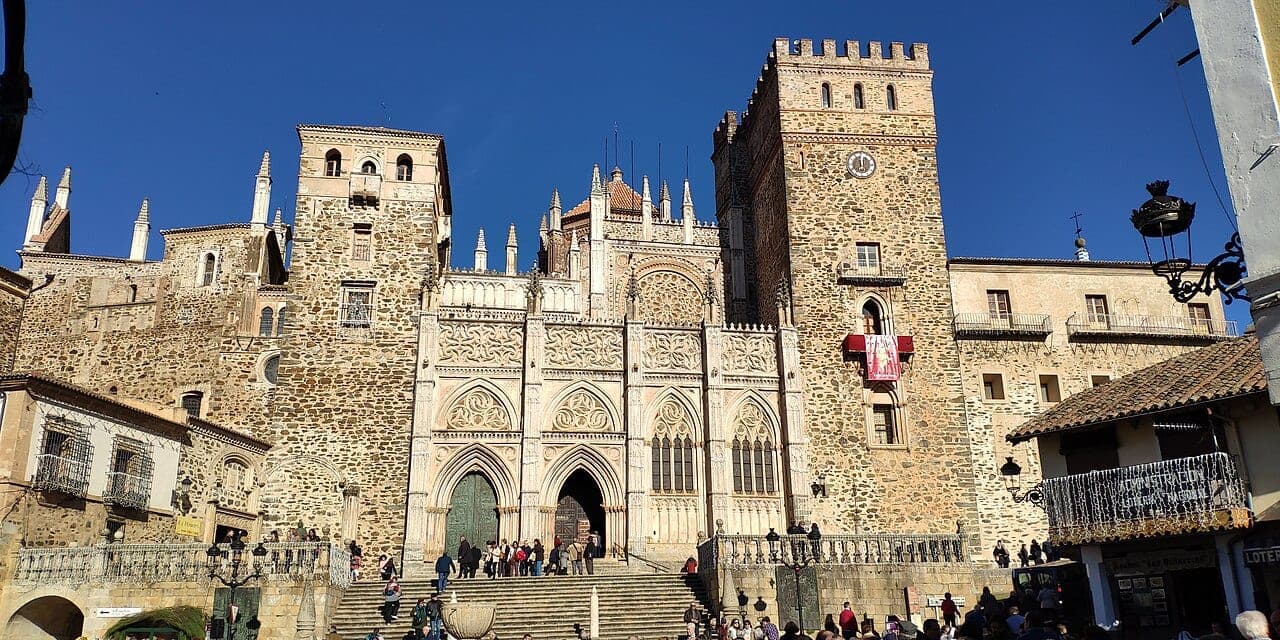
Royal Monastery of Santa María de Guadalupe
Sanctuary of the Virgin of Guadalupe, patron saint of Extremadura, this World Heritage monastery brings together six centuries of history and art, from Gothic to Neoclassical.
 Monastery
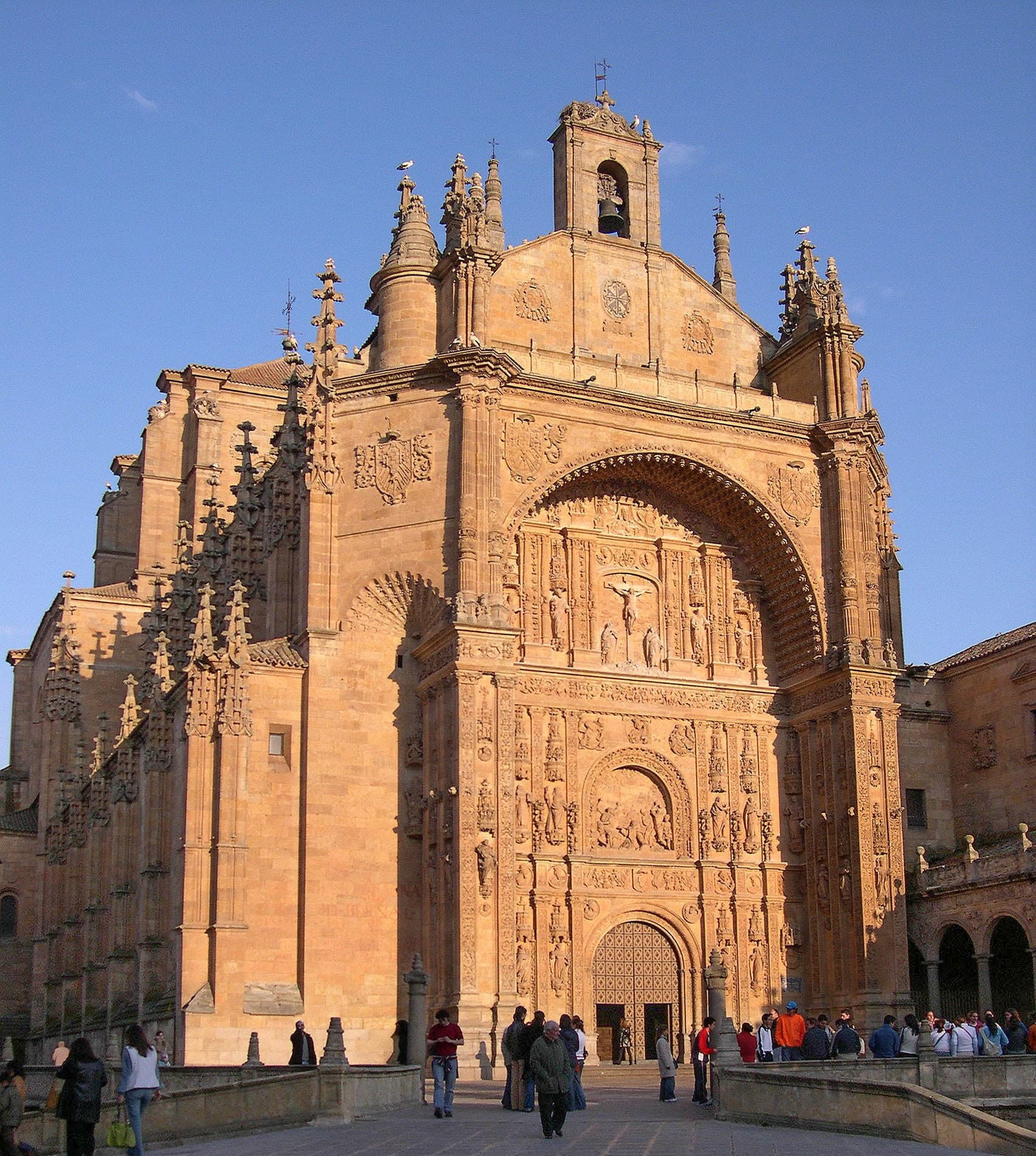
Convent of San Esteban
A Dominican convent in the very heart of Salamanca, on the Plaza del Concilio de Trento, and a natural stop for anyone exploring the city on foot.
 Monastery
Convent of Santa Clara
In Villacastín, the Convent of Santa Clara holds almost four centuries of Poor Clare life within walls raised in the 17th century at the behest of the Counts of Molina de Herrera.