
Parador de San Francisco
Description
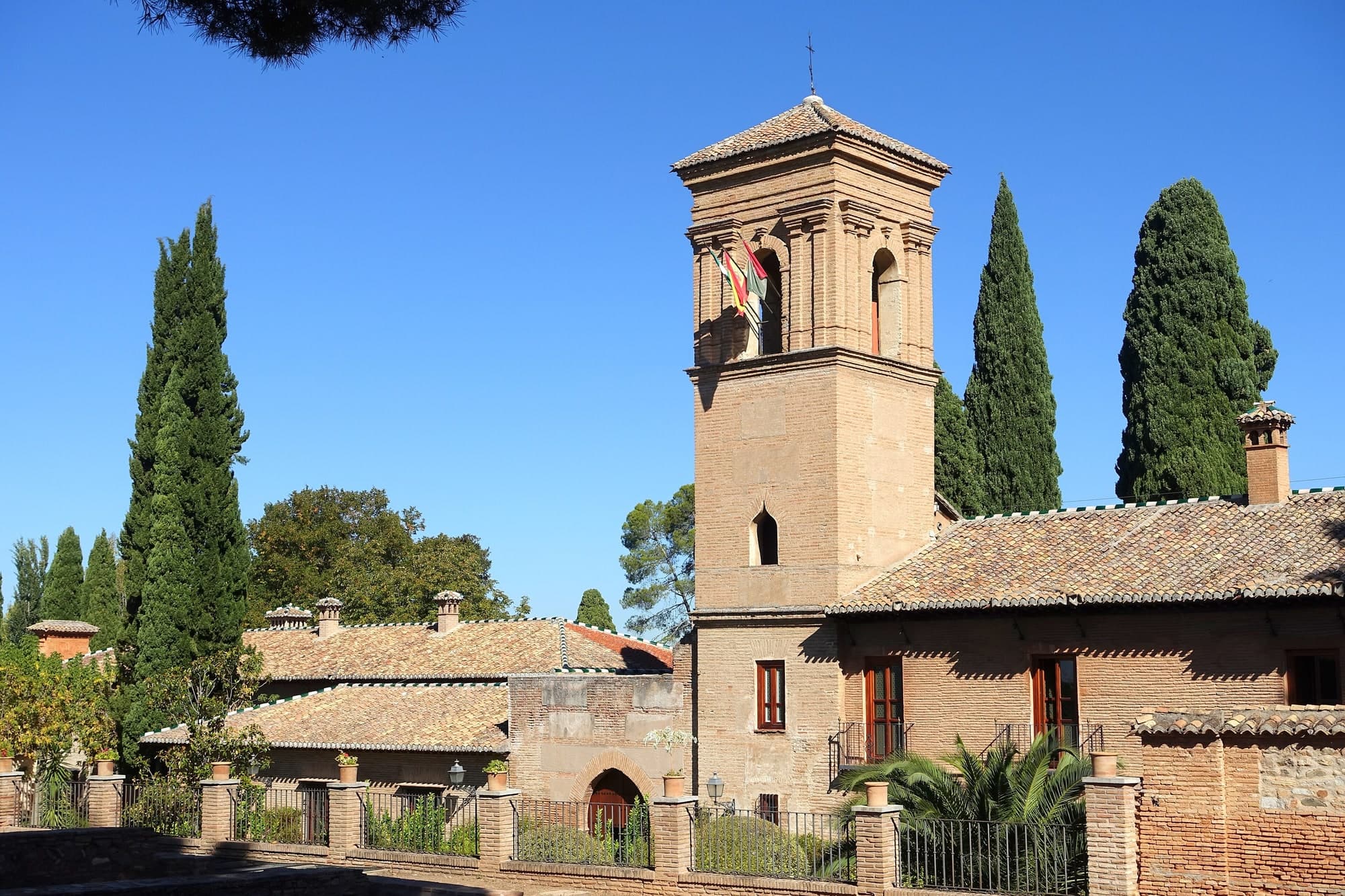
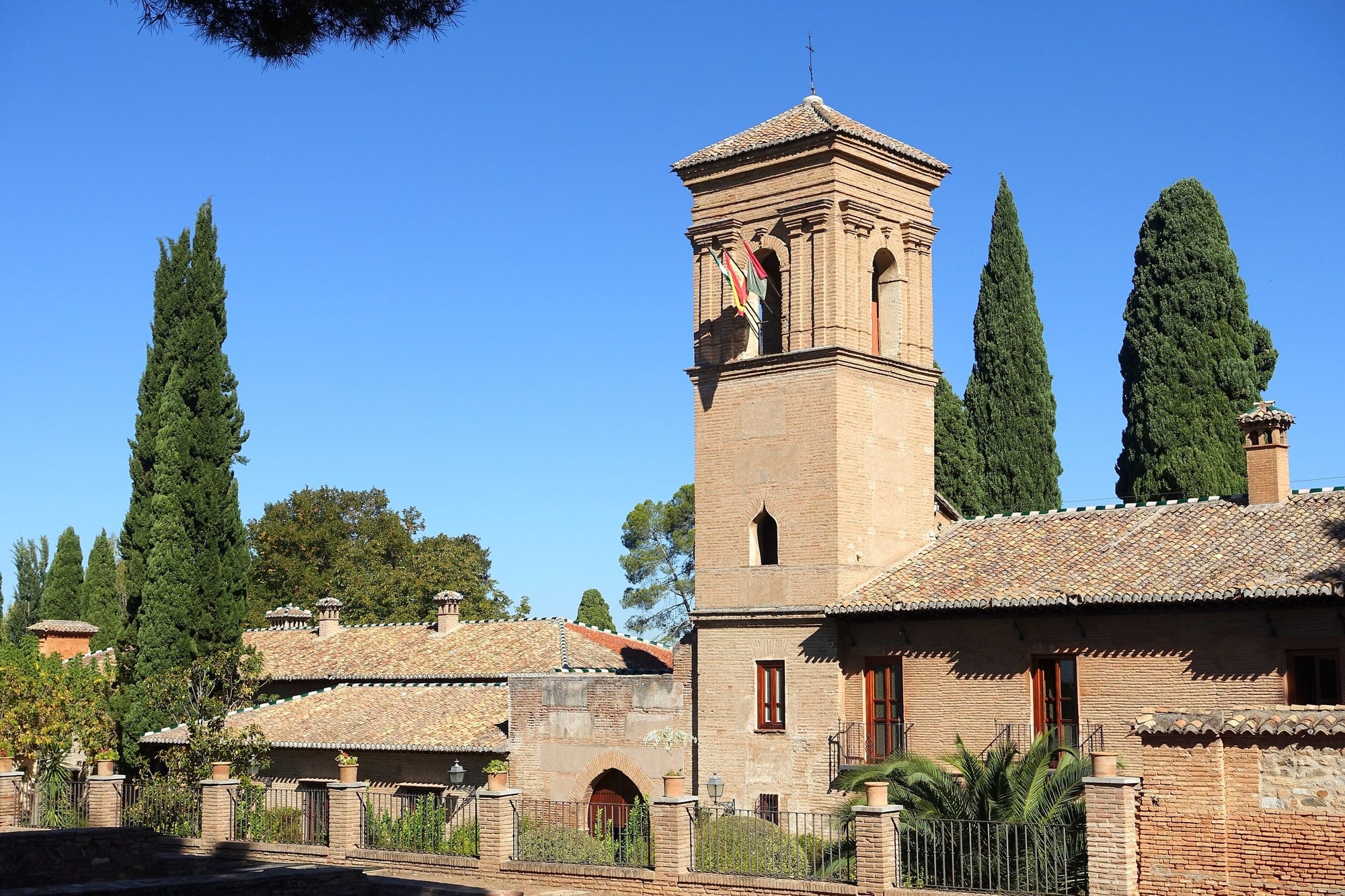
Few places to stay can boast of being inside the Alhambra, and fewer still of having once held the remains of Isabella and Ferdinand. The Parador de San Francisco occupies a former 15th-century Franciscan convent, and it was in its chapel that the Catholic Monarchs were first buried in 1521, before Charles I commissioned the Count of Tendilla to move them to the Royal Chapel, next to Granada Cathedral.
The convent was commissioned by the monarchs themselves in 1494, at the top of the Calle Real, making use of a Nasrid palace that had belonged to the princes of Muhammad III, sultan from 1303 to 1309. Remarkable remains of that Muslim residence still survive, among them the so-called Nasrid Hall, which gives a sense of how two worlds came to be layered on a single site.
The building's history was not always kind. The Franciscans abandoned it in 1835 and, over the course of the 19th century, it was put to a wide range of uses, including as a military barracks, until it was left almost in ruins. Its rescue came at the hands of the architect Leopoldo Torres Balbás, who restored it between 1927 and 1936 and turned it into a residence for painters. Later, Francisco Prieto-Moreno Pardo, chief architect and curator of the Alhambra, undertook archaeological excavations that brought to light the hammam, the Arab bath of the old palace, and built the section that now operates as the parador.
Opened to the public on 26 June 1945 as part of the Paradores network, it preserves numerous works of art and pieces of furniture in its cloister and rooms. Strolling through its galleries means travelling, in just a few metres, through Nasrid Granada, the Granada of the Catholic Monarchs and that of those who, in the 20th century, were determined to bring it back to life.
Routes that include this monument
Community photos
Log in to upload your photos of this monument.
Best time to visit
Autumn, winter or spring (October to May); the heat in July and August can be extreme.
Location
Similar monuments
 Monastery
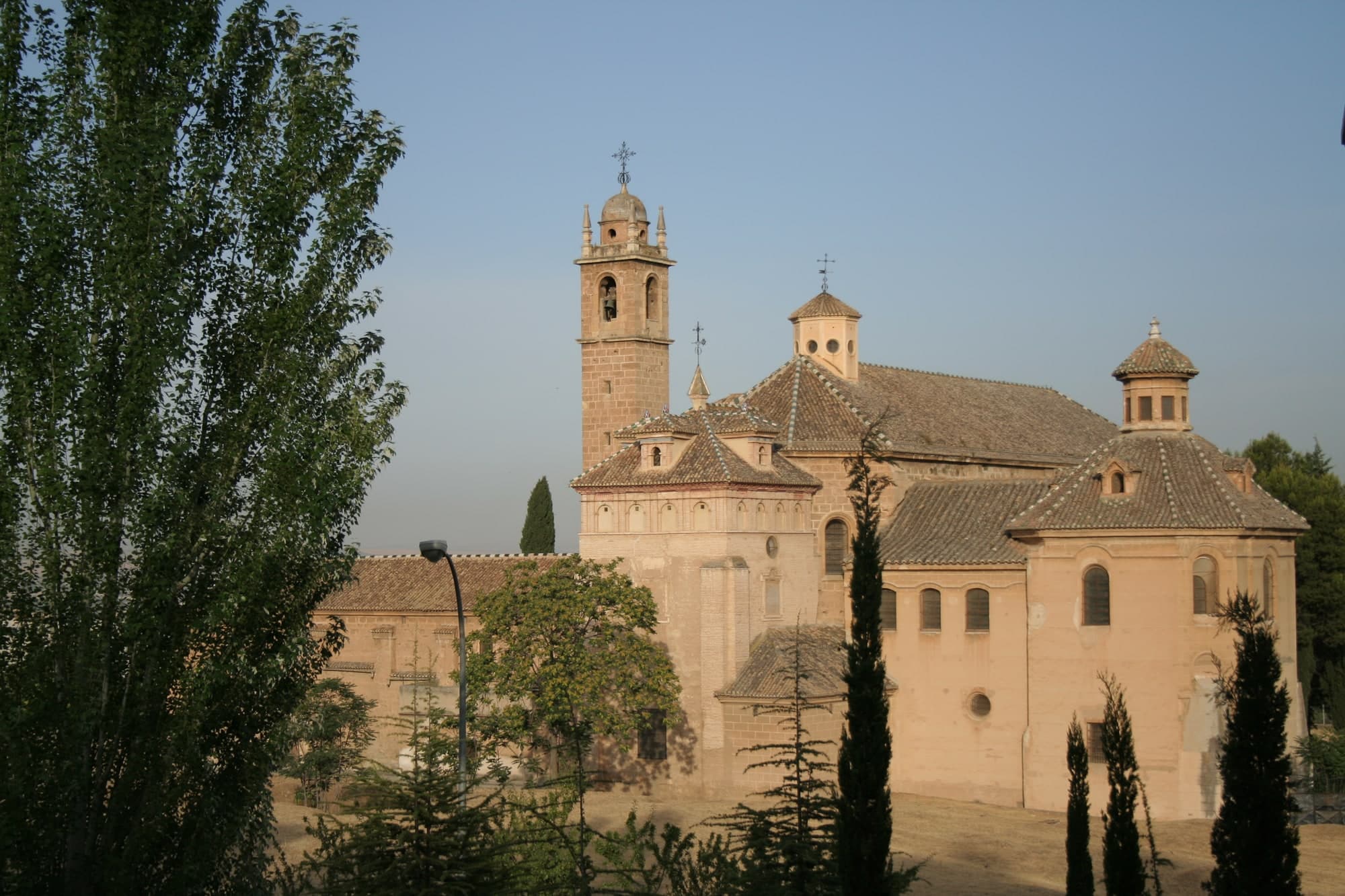
Granada Charterhouse
The Granada Charterhouse, a monastery founded in the 16th century, is one of the high points of Spanish Baroque architecture and an unmissable visit in the city.
 Castle
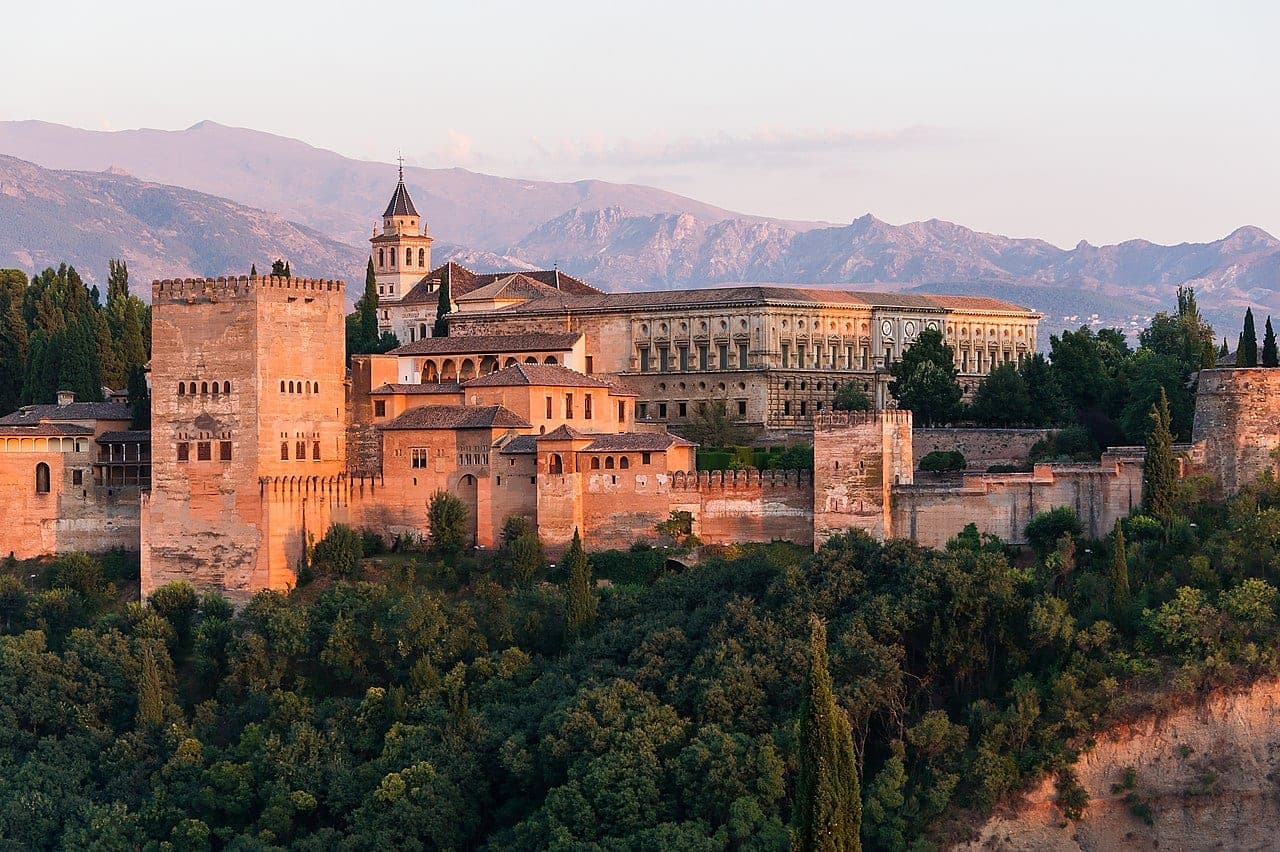
Alhambra
A Nasrid palatine city overlooking Granada, with palaces whose decoration ranks among the high points of Andalusi art, along with gardens and an alcazaba woven into the landscape.
 Mosque
Great Mosque of Granada
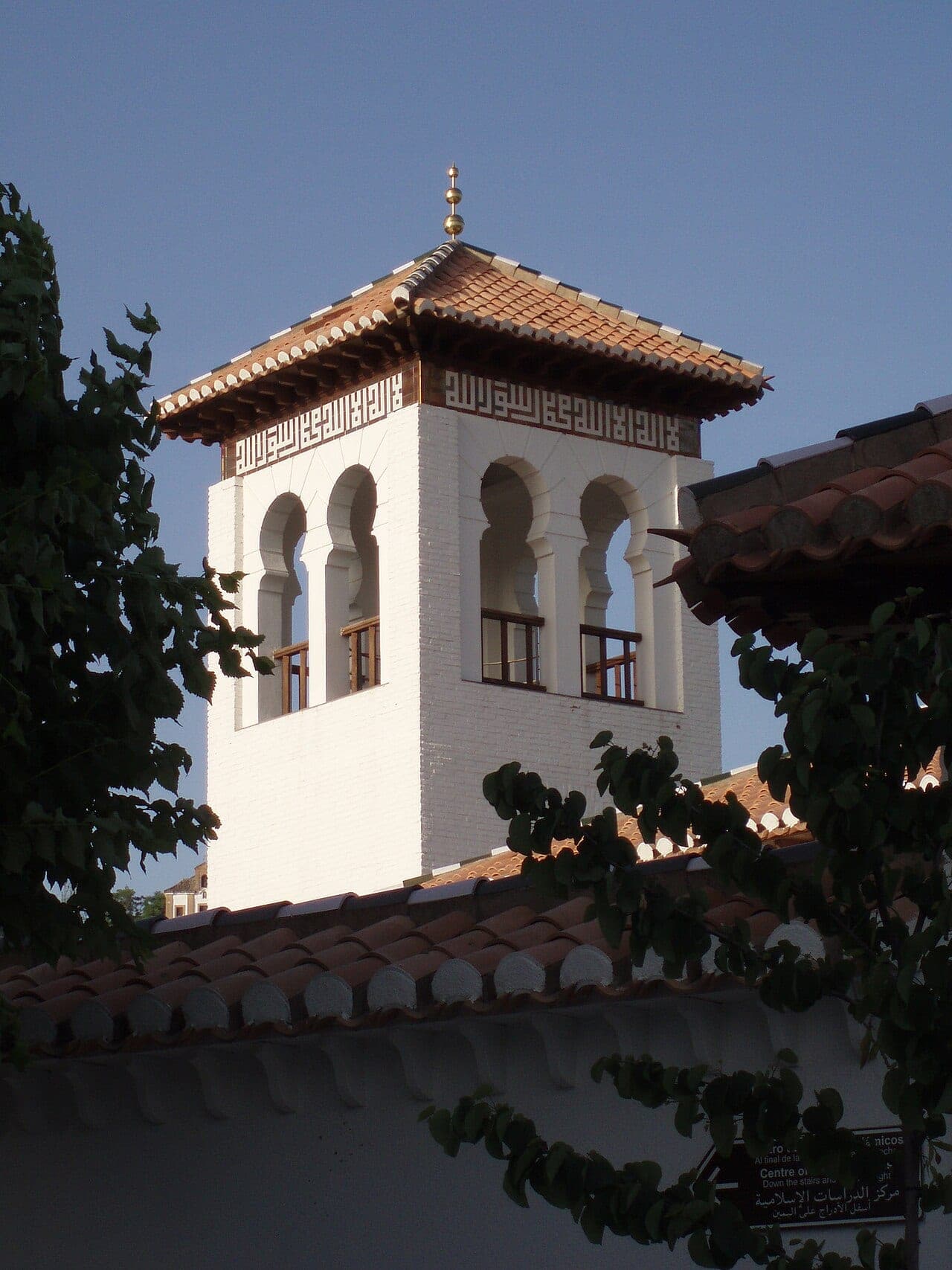
The first mosque built in Granada since 1492, gazing out from the Albaicín towards the Alhambra and Sierra Nevada, with a Mediterranean garden and echoes of Córdoba, Jerusalem and Istanbul.
 Castle
La Calahorra Castle
Beneath a stern fortress overlooking the Marquesado del Zenete lies one of the earliest and most dazzling Renaissance interiors in Spain, carved in Carrara marble.