
Alhambra
Description
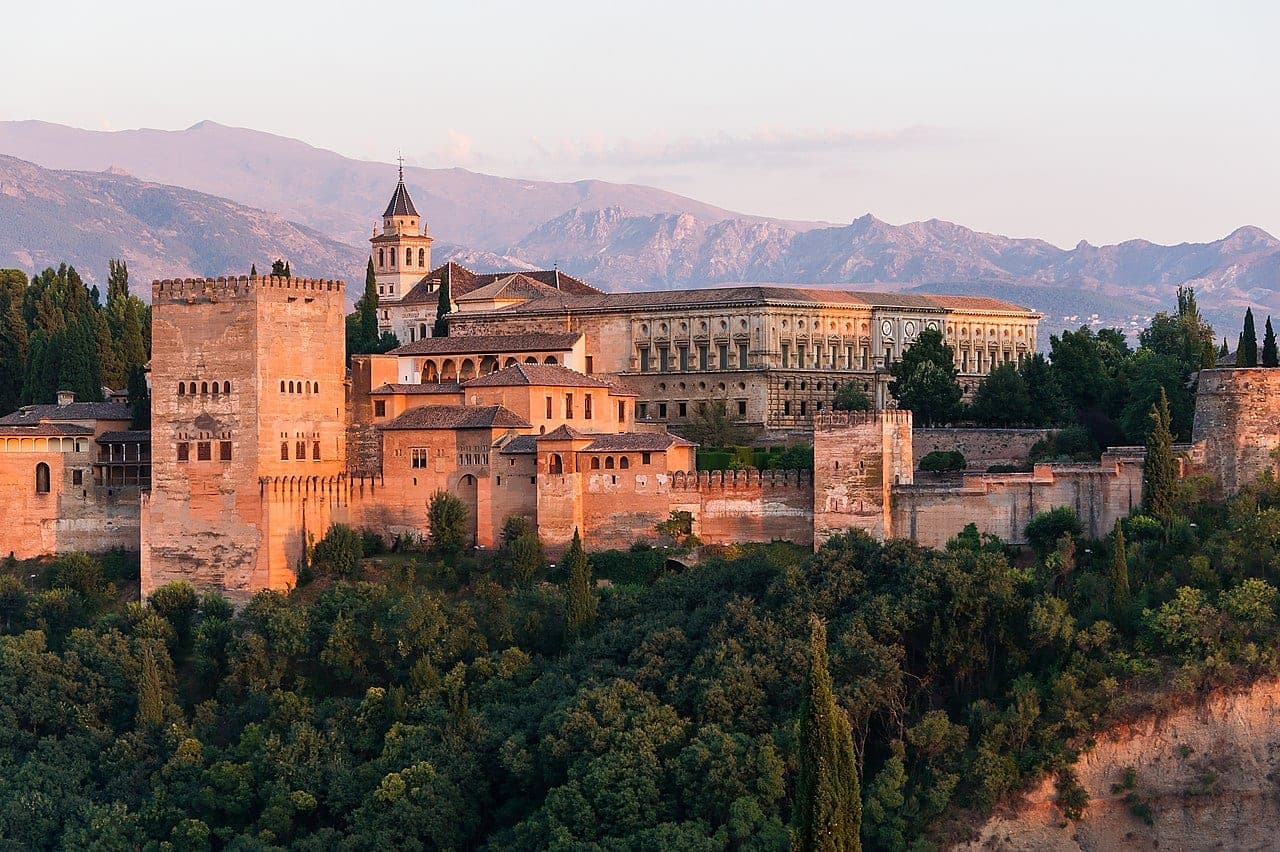
Few visits in Spain leave as deep an impression as the Nasrid Palaces. Their interiors, whose decoration ranks among the high points of Andalusi art, are the main reason the Alhambra holds a unique place in the history of art. They are well worth exploring at a leisurely pace, paying attention to how the light enters the rooms and moves across the walls over the course of the day.
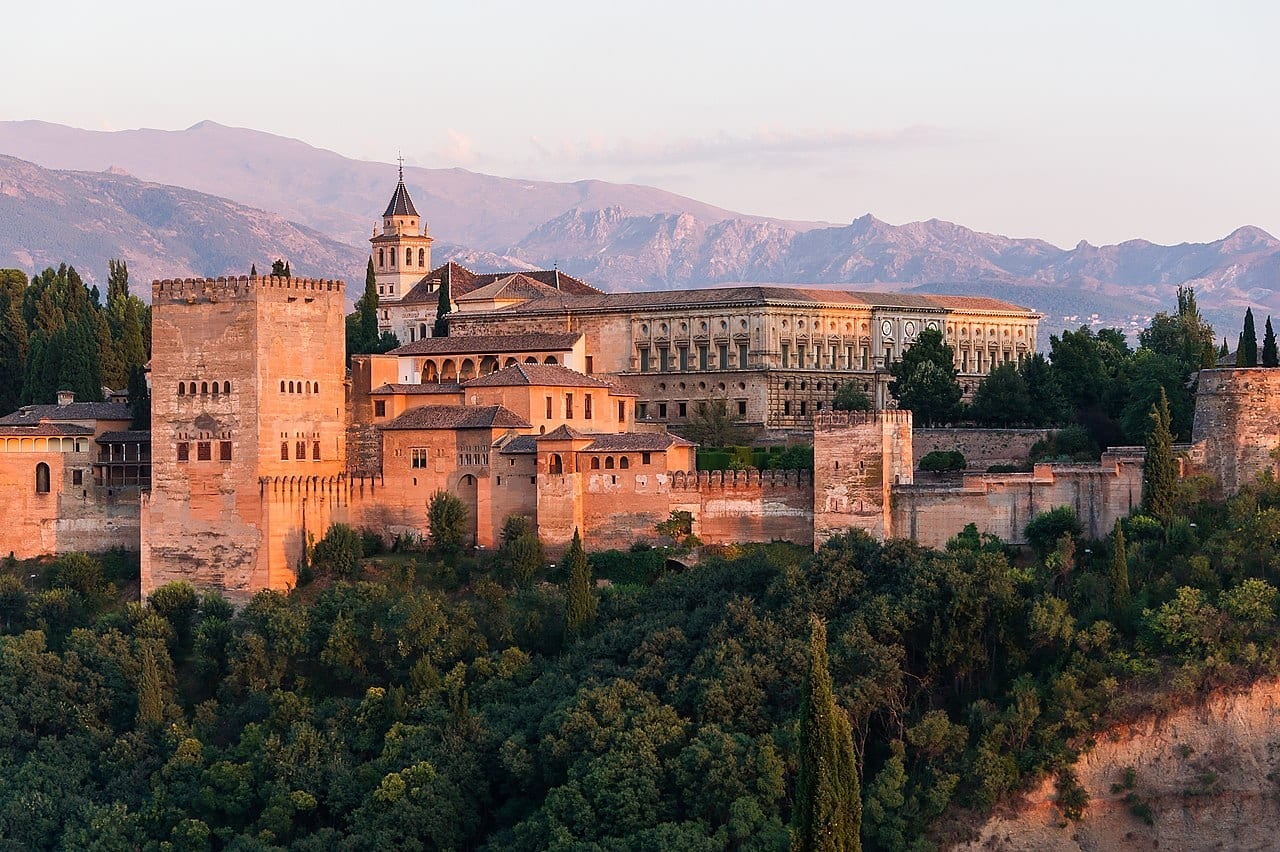
The Alhambra is not a single building but an entire Andalusi palatine city. It brings together palaces, gardens and an alcazaba, that is, a fortified citadel. It was built to house the emir and the court of the Nasrid kingdom, and later served as a residence for the monarchs of Castile and their representatives. This double life explains the mix of periods and uses that visitors discover at every turn.
Just as remarkable as its halls is the way the complex sits within its setting. Its builders created a new landscape that nonetheless blends seamlessly with the natural surroundings that were already there. From its gardens and viewpoints, it is easy to see why UNESCO declared it a World Heritage Site in 1984, together with the Generalife. It was the first place in Spain to receive this distinction, which was extended in 1994 to the neighbouring Albaicín district.
The site also holds other attractions that are often overlooked. It is home to a museum of Andalusi art, Granada's main fine arts gallery and a former convent that is now a state-run parador. The Alhambra Museum houses a 14th-century marble sundial, a testament to the Nasrid interest in measuring time through the movement of the heavenly bodies.
As it is one of the most visited sites in the country, it is advisable to plan your visit in advance so you can enjoy it at your own pace.
Routes that include this monument
Community photos
Log in to upload your photos of this monument.
Best time to visit
Autumn, winter or spring (October to May); the heat in July and August can be extreme.
Location
Similar monuments
 Castle
La Calahorra Castle
Beneath a stern fortress overlooking the Marquesado del Zenete lies one of the earliest and most dazzling Renaissance interiors in Spain, carved in Carrara marble.
 Castle
Gibralfaro Castle
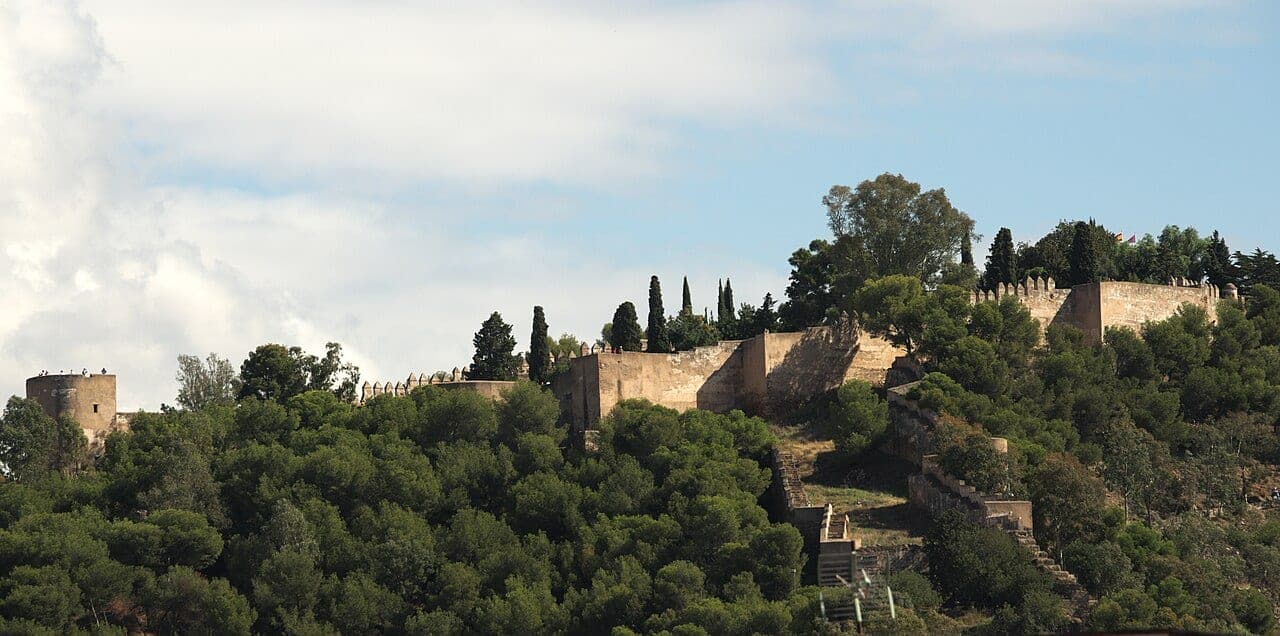
Gibralfaro Castle, also known as the Alcázar of Gibralfaro, is one of the fortifications that form part of the historic heritage of the city of Málaga.
 Castle
Alcazaba and Walls of San Cristóbal Hill
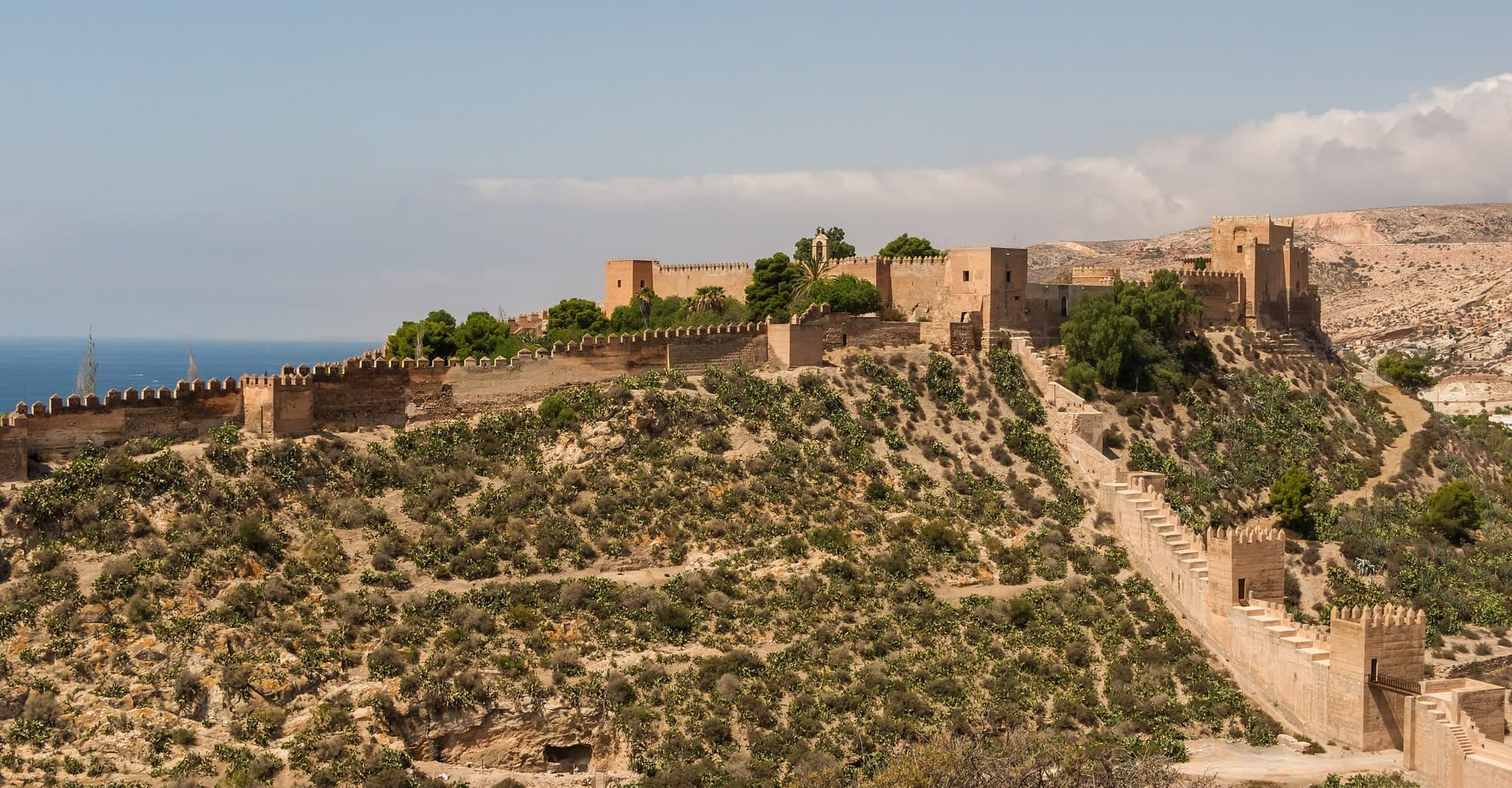
Almost a thousand years of history on a hilltop in Almería: one of the largest and best-preserved Moorish alcazabas on the peninsula, joined to a ring of walls and a Christian castle.
 Castle
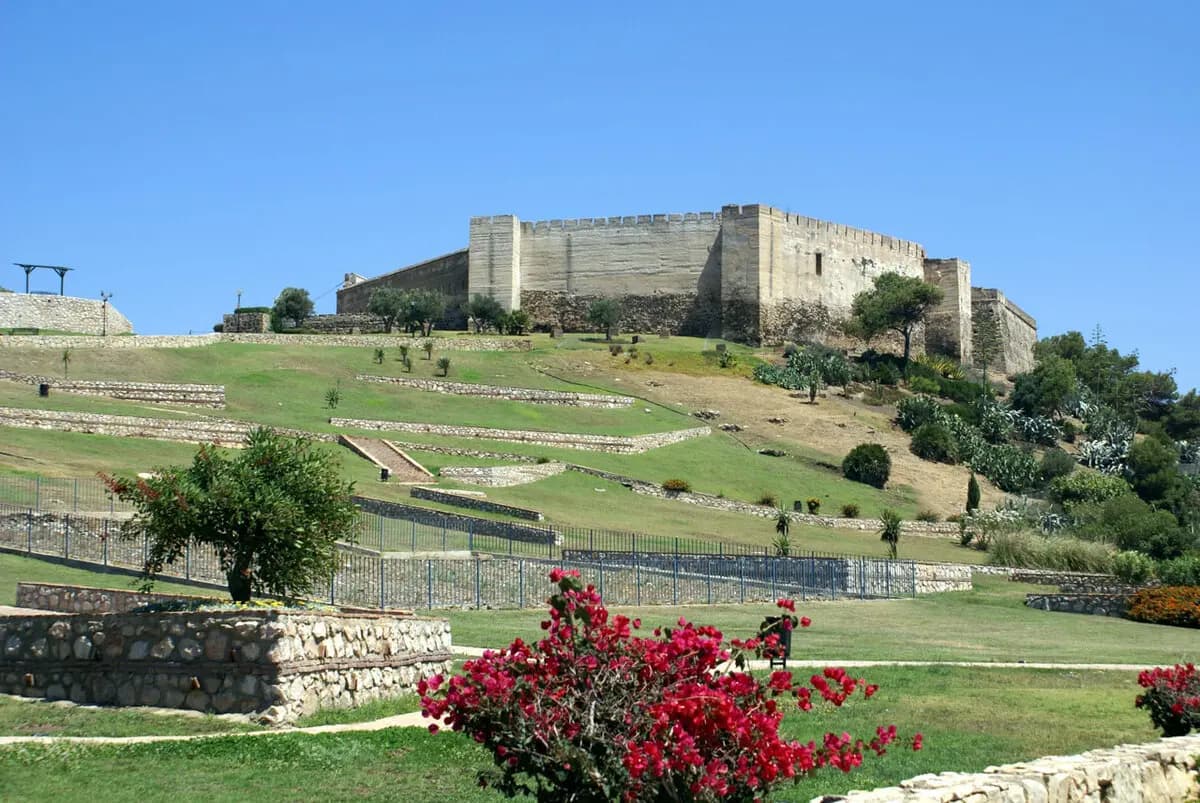
Sohail Castle
An octagonal Almoravid alcazaba built on the site of Roman Suel, with towers, wall-walks and an imposing horseshoe-arched gateway that once kept watch over the old Marbella road.