

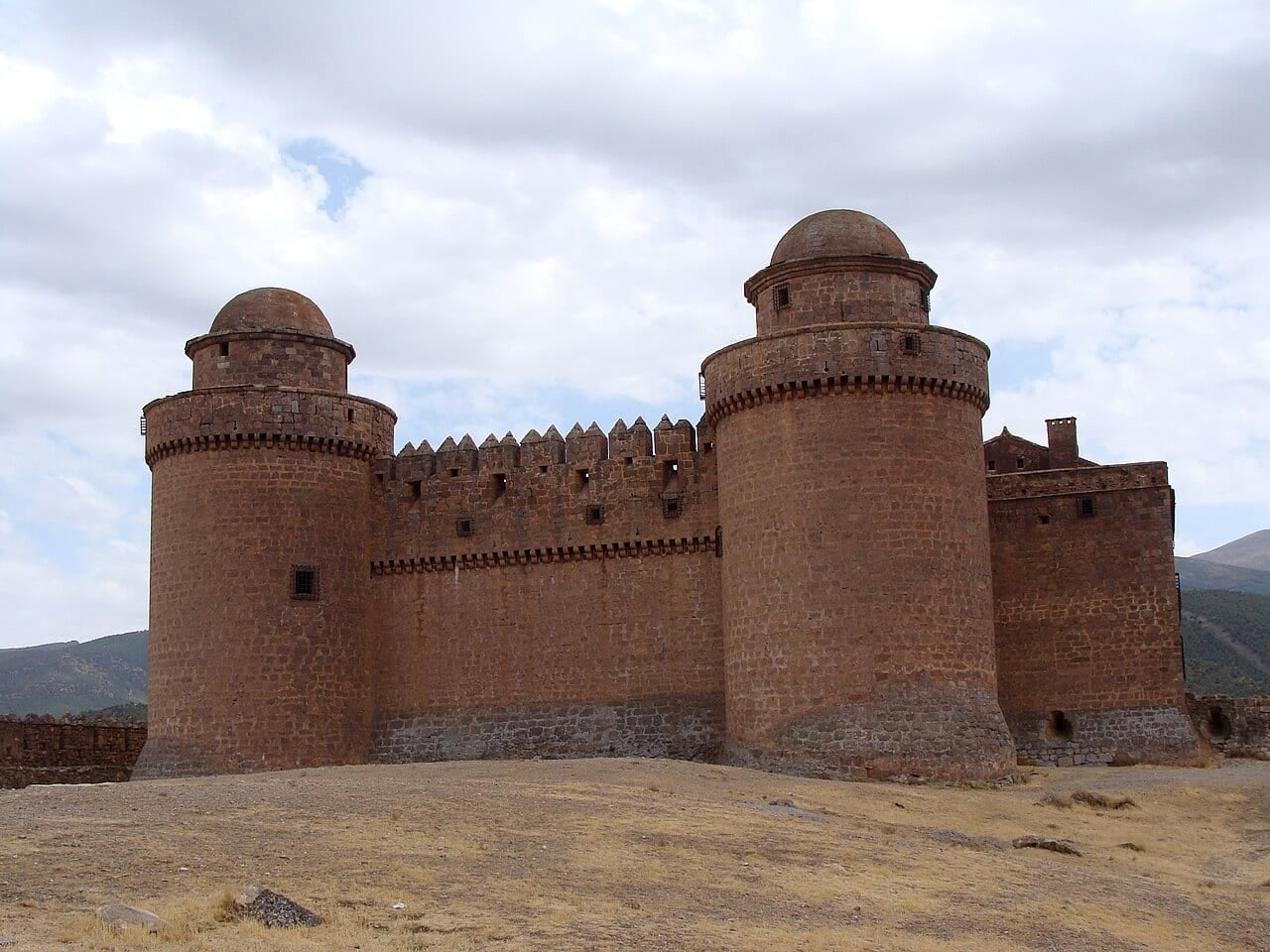
La Calahorra Castle
Description
Rarely is a building's exterior as deceptive as it is at La Calahorra. From afar, perched on its hill at an altitude of 1,250 metres, the castle looks like a sober, almost forbidding military hulk keeping watch over the entire Marquesado del Zenete. Yet step inside its walls and you find refined, magnificent decoration that makes it one of the pioneering works of the Renaissance in Spanish civil architecture.
The secret of that interior lies in Italy. Materials, techniques and artists were brought from there to adorn it, which is why it is considered the first major work in Spain where the involvement of Italian masters is documented. The works were initially directed by Lorenzo Vázquez, from Segovia, but his disagreements with the Marquis of Cenete led to the commission passing to the Genoese Michele Carlone. He carved the Carrara marble in his workshop in Genoa, from where it arrived ready-worked at the port of Almería, and later moved to the castle itself to oversee the assembly and the pieces made with local materials.
Stonemasons from Lombardy, Genoa and Carrara all took part in the carving, which explains certain differences in style from one area to another. Even so, the whole conveys a surprising unity, something that sets it apart from its contemporary sibling, Vélez-Blanco Castle. Everything was done quickly: the decoration was completed between 1509 and 1512, and part of the stonework from the Moorish fortress that previously stood on the hill was reused to build it.
Its history adds a further point of interest. The castle was born of the entailed estate that Cardinal Mendoza founded for his son, Don Rodrigo Díaz de Vivar, and it is something of an anomaly for its time: while the Crown was ordering fortresses to be demolished to curb the power of the old feudal nobility, the mighty House of Mendoza was allowed to build this one. Today it belongs to the Diputación de Granada (Granada Provincial Council), which has opened it to the public.
Routes that include this monument
Community photos
Log in to upload your photos of this monument.
Best time to visit
Autumn, winter or spring (October to May); the heat in July and August can be extreme.
Location
Similar monuments
 Castle
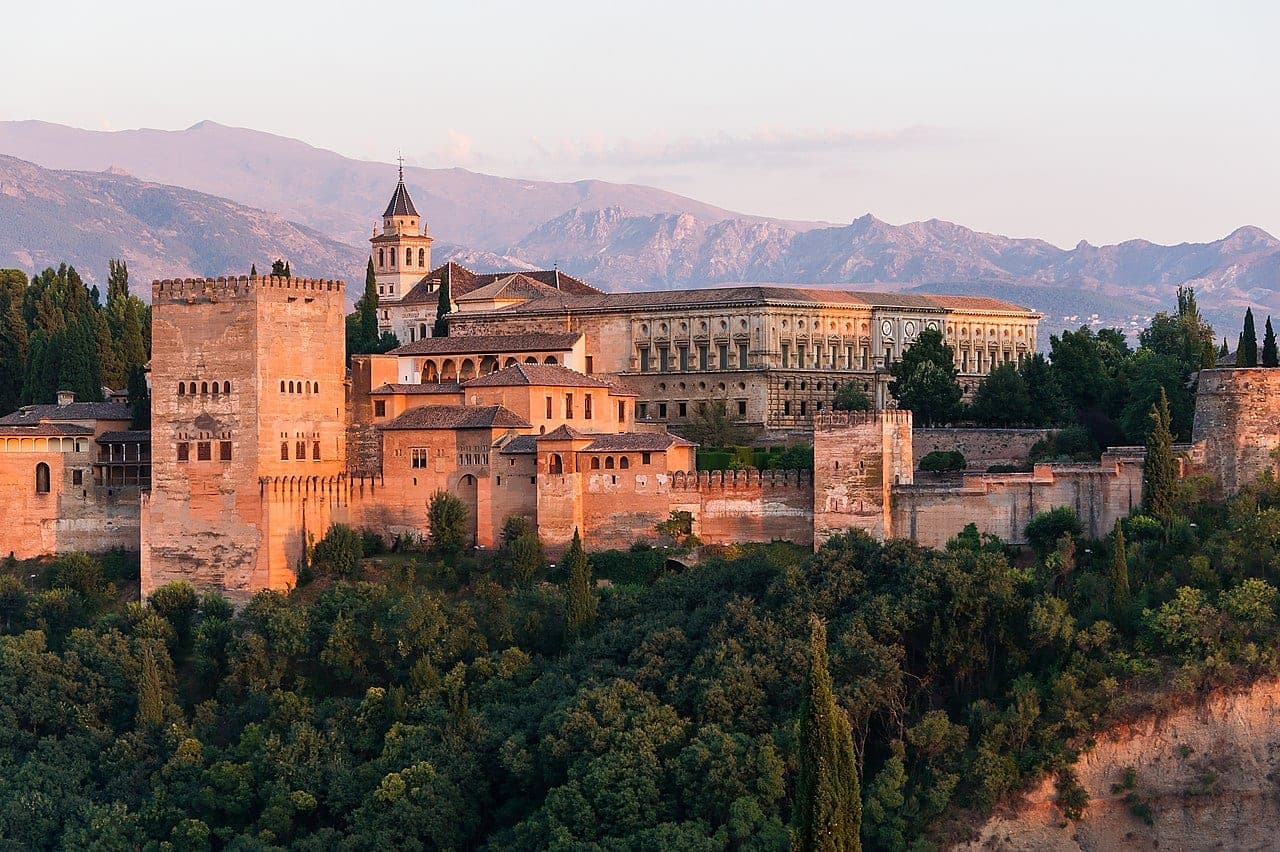
Alhambra
A Nasrid palatine city overlooking Granada, with palaces whose decoration ranks among the high points of Andalusi art, along with gardens and an alcazaba woven into the landscape.
 Castle
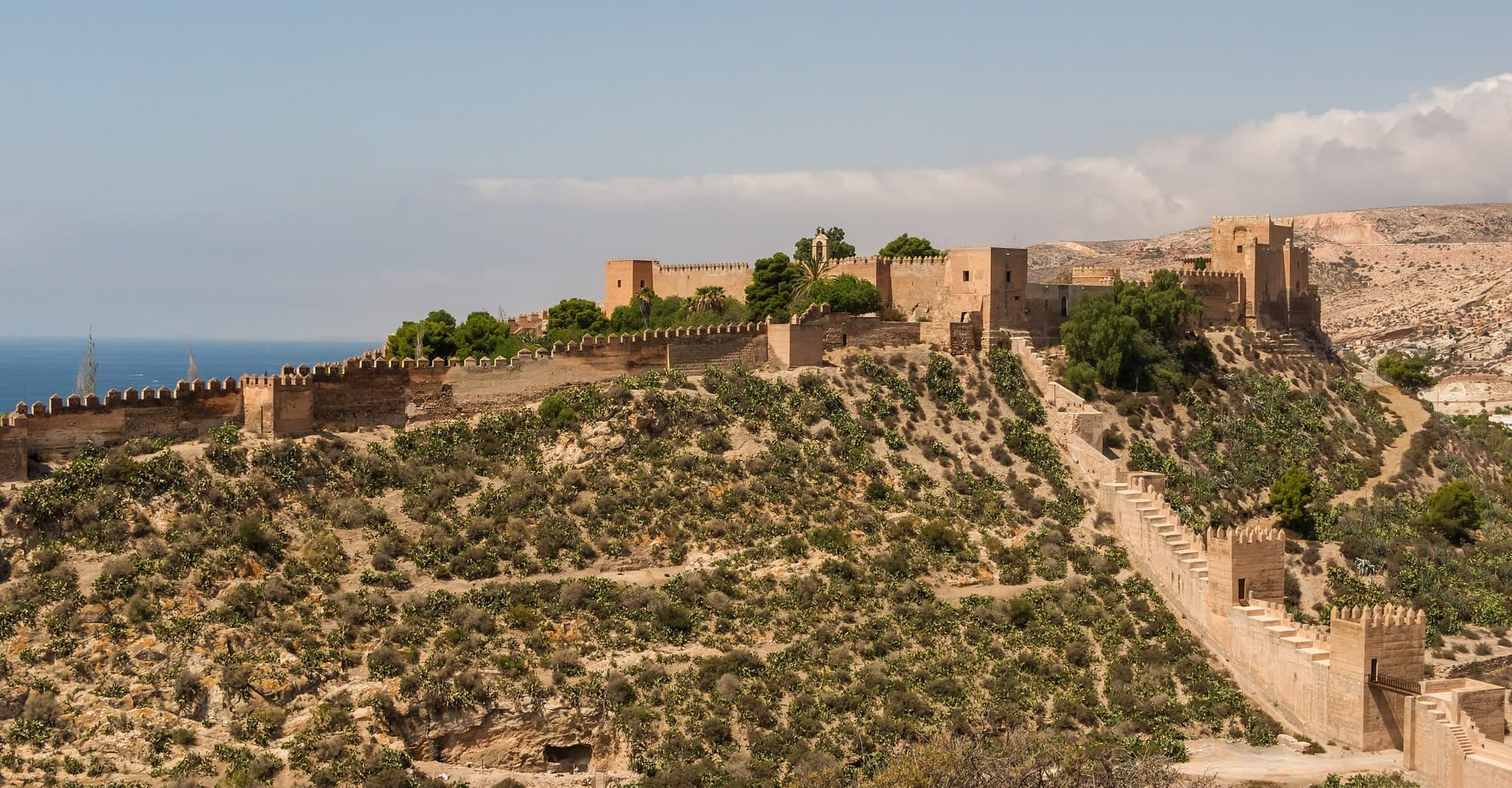
Alcazaba and Walls of San Cristóbal Hill
Almost a thousand years of history on a hilltop in Almería: one of the largest and best-preserved Moorish alcazabas on the peninsula, joined to a ring of walls and a Christian castle.
 Castle
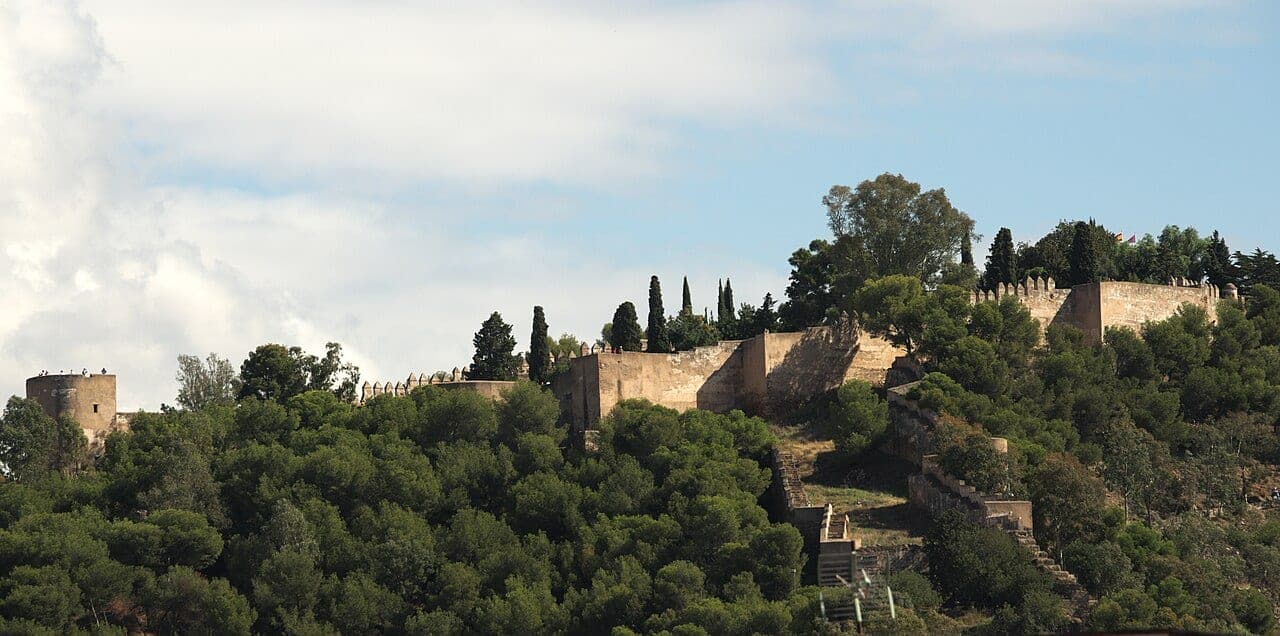
Gibralfaro Castle
Gibralfaro Castle, also known as the Alcázar of Gibralfaro, is one of the fortifications that form part of the historic heritage of the city of Málaga.
 Castle
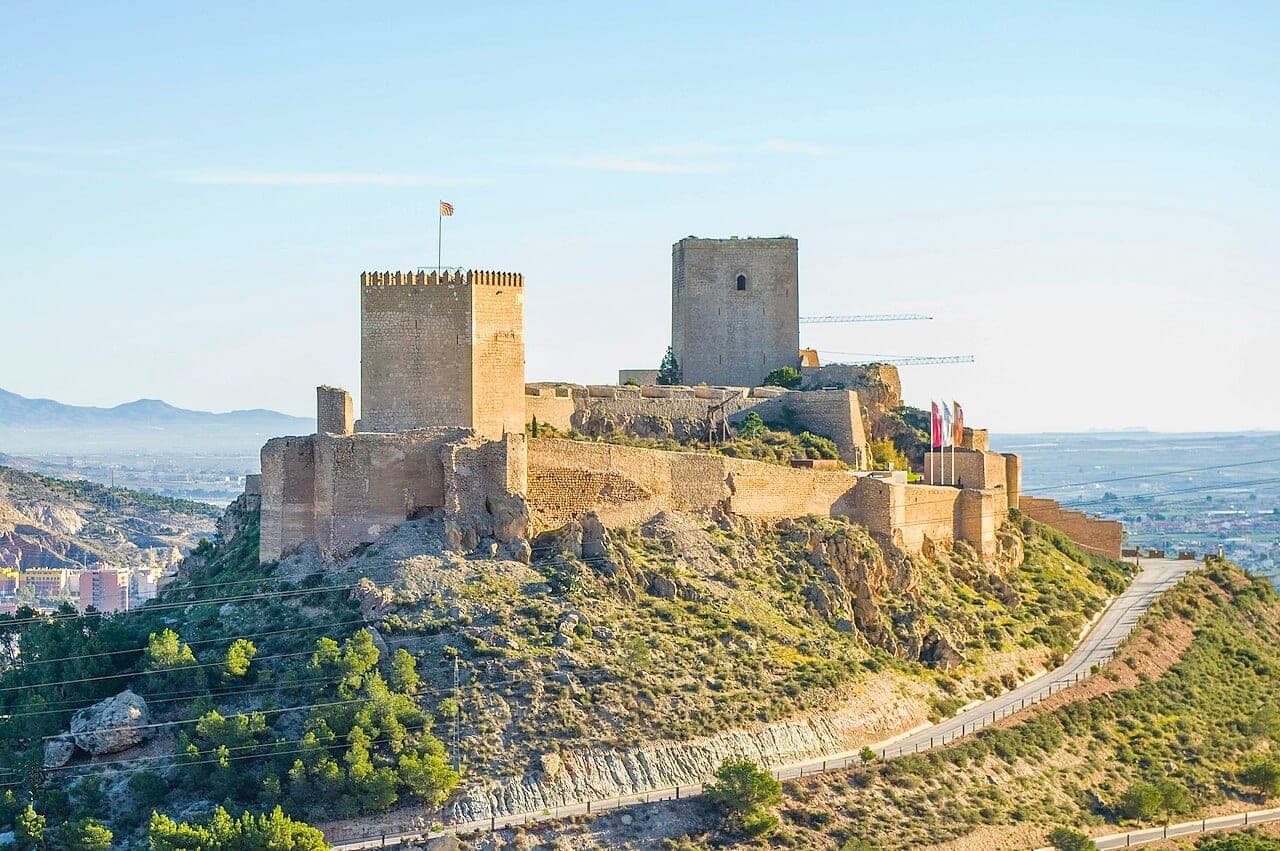
Lorca Castle
One of the largest fortresses in Spain, built between the 9th and 15th centuries and a key stronghold on the frontier with the Kingdom of Granada.