
Old Monastery of San Juan de la Peña
Description
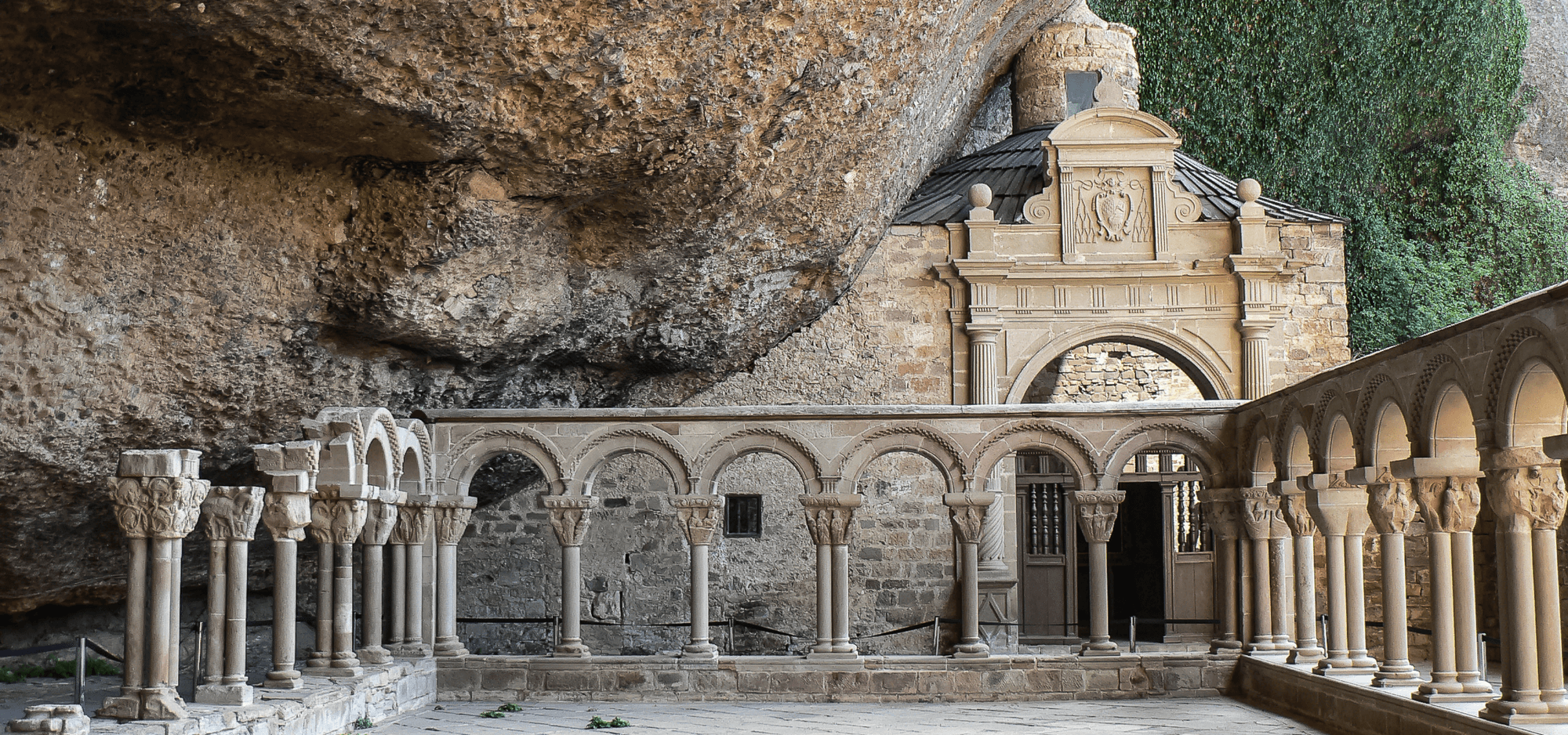
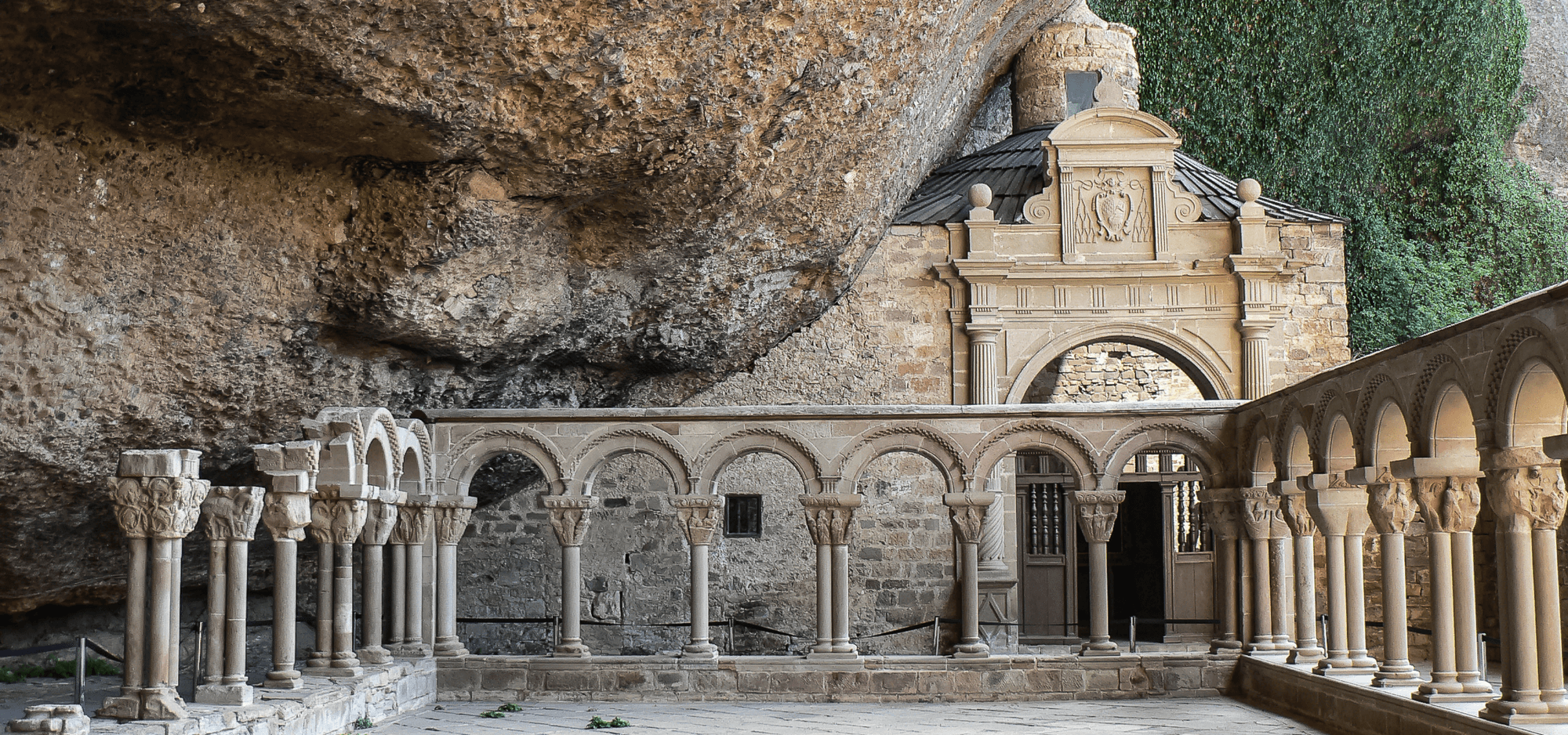
The first thing that strikes you on arriving at the Old Monastery of San Juan de la Peña, near Botaya, within the municipality of Jaca, is its setting: a monastic complex sheltering beneath the rock of Mount Pano, a location so remarkable that it alone explains why this was the most important monastery in Aragon in the early Middle Ages and a stop on the Aragonese Way of St James.
Its great treasure is the cloister, completed well into the 12th century. It retains 26 capitals: some from the late 11th century, showing the influence of Jaca, with fantastic beasts and scrollwork, and a second group commissioned from the anonymous Master of San Juan de la Peña, also known as the Master of Agüero. They are well worth lingering over: the Creation of Adam and Eve, Cain and Abel, the Nativity and the Last Supper appear with almost theatrical gestures, exaggerated eyes and mouths, and a horror vacui so intense that one figure even pokes an arm out of the frame.
On the upper floor, in the former sacristy of the 11th-century upper church, lies the Royal Pantheon. For five centuries monarchs of Aragon and Navarre were buried here, among them Ramiro I, Sancho Ramírez and Peter I with their wives. Its present appearance, with stucco, marble, bronze plaques and medallions depicting legendary battles, is the result of the refurbishment undertaken by Charles III in 1770.
Here history merges with legend. It is said that the nobleman Voto, while chasing a stag, plunged over the cliff on his horse and emerged unharmed, discovering a hermitage and the body of the hermit Juan de Atarés. It is also said that Garci Ximénez was chosen as leader here and that the Holy Grail was kept within these walls from 1071 to 1399. More tangibly, on 22 March 1071 the first Mass according to the Roman rite in Spain was celebrated here, the same year in which Sancho Ramírez handed the monastery over to the Cluniac monks.
After the fires of 1494 and 1675, the New Monastery was built higher up. The old one was declared a National Monument in 1889 and restored under the direction of Ricardo Magdalena.
Routes that include this monument
Community photos
Log in to upload your photos of this monument.
Best time to visit
From late spring to early autumn, when the Pyrenees of Huesca enjoy good weather for making the most of the surroundings and the mountain road; in winter, the cold and possible snow make access difficult. 22 March is a symbolic date, marking the first Mass according to the Roman rite celebrated here in 1071.
Location
Similar monuments
 Monastery
 of San Pelay
The ruins of a medieval monastery beside the Sía ravine, near Gavín, forgotten for centuries and rediscovered in the winter of 1997.
 Monastery
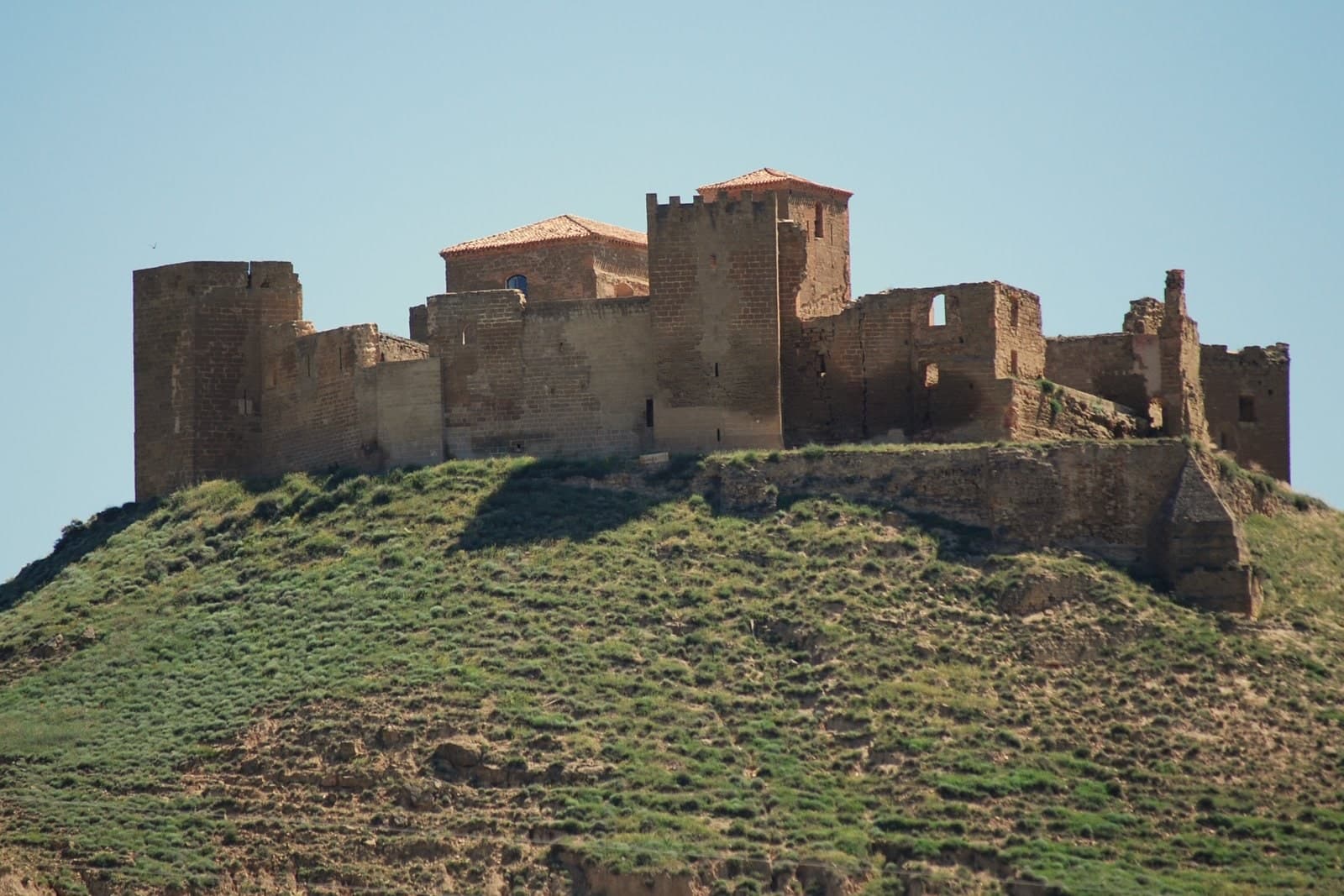
Montearagón Castle
A Romanesque castle-abbey crowning Monte Aragón, cradle of the Royal House of Aragon and one of the most remarkable monasteries of the Middle Ages, now lying in ruins opposite Huesca.
 Monastery
 of Santa María la Real de la Oliva
The first Cistercian foundation in the Kingdom of Navarre, this 12th-century monastery in Carcastillo preserves one of the purest Cistercian ensembles in Spain, complete with monks and vineyards.
 Monastery
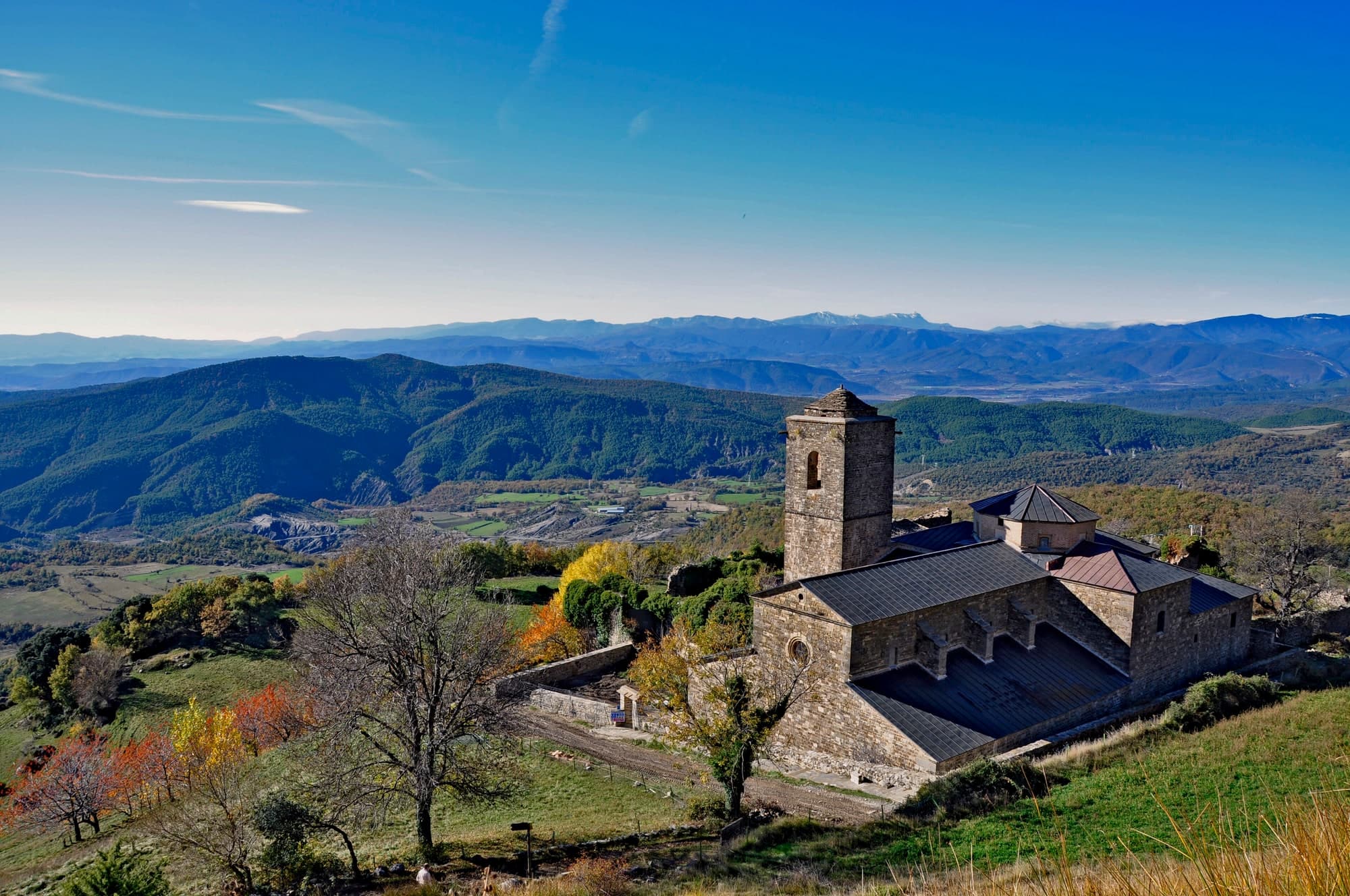
Royal Monastery of San Victorián
A monastic complex set 1,200 metres above sea level at the foot of Peña Montañesa, in the heart of Sobrarbe and just a few kilometres from Aínsa: history and mountains in a single landscape.