
Montearagón Castle
Description
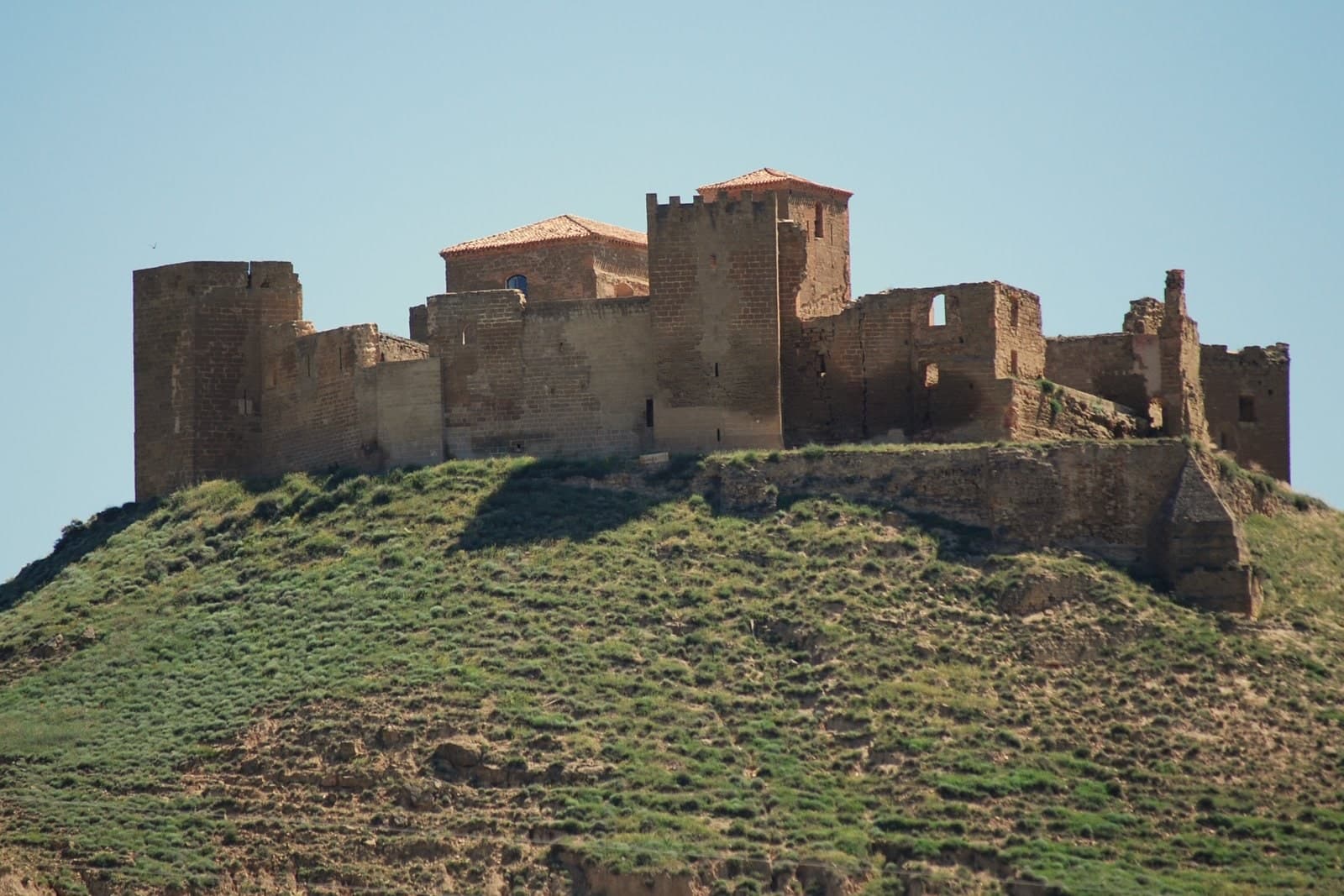
On the high, rounded summit of Monte Aragón, within the municipality of Quicena and very close to Huesca, stand the ruins of a place that was at once a fortress, a royal residence and a monastery. The hill gave its name to the complex, and you only need to climb up to its walls to understand why this site was chosen: from here you look down over the city that was, for many years, the great prize sought by the kings of Aragon.
Its founder was Sancho Ramírez, who built it in the Romanesque style as a Christian stronghold facing Muslim Huesca. He conceived it as a fortified enclosure with soldiers' quarters within its walls, and made it his residence and the seat of his court until his death, which came, fittingly, during the siege of Huesca. To house his armies, he had the village of Montearagón built nearby. Heir to the campaigns his father, Ramiro I, had waged against the taifa of Saragossa, the king made this castle a cornerstone in the origins of the Royal House of Aragon.
But it wasn't only soldiers who lived within the walls. The enclosure also held a lavish church and a royal abbey, that of Jesús de Nazaret de Montearagón, always run by canons following the Rule of St Augustine. Thanks to the patronage of the Crown, it became one of the most important monasteries of the Middle Ages: in the 12th century, no fewer than one hundred and four churches and villages answered to it, and its monks held seats in the kingdom's Cortes.
The castle's military life faded after the capture of Huesca and the end of the wars with the Muslims on the peninsula, but the religious community carried on for some 750 years. Today the complex lies in ruins, yet its outline remains unmistakable in the landscape around Huesca. Declared a National Monument in 1931, it is well worth a visit, both for its striking silhouette and for everything it meant to the birth of Aragon.
Routes that include this monument
Community photos
Log in to upload your photos of this monument.
Best time to visit
Spring and autumn (April–June and September–October), as summers are hot and winters cold.
Location
Similar monuments
 Monastery
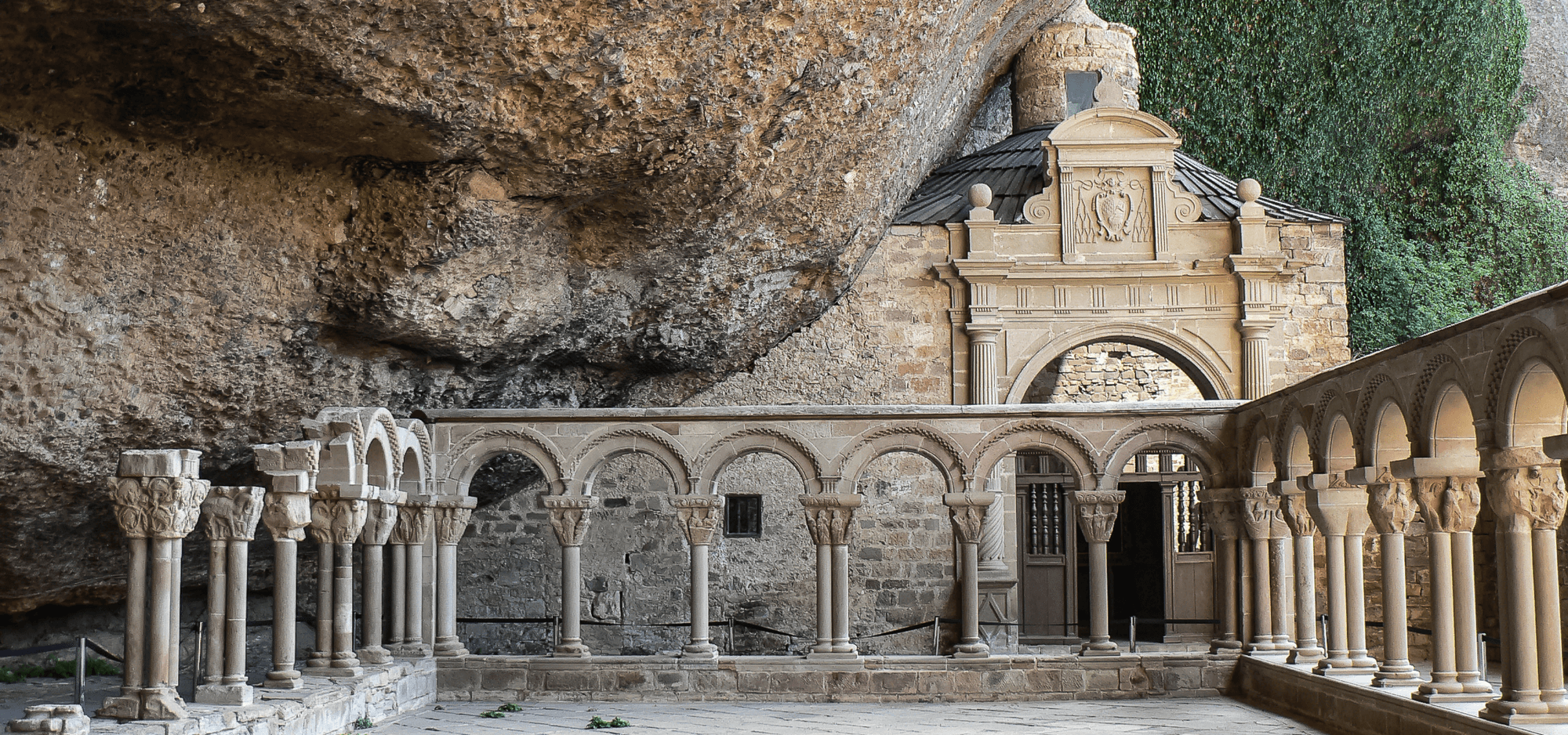
Old Monastery of San Juan de la Peña
Tucked beneath a huge overhang of rock, the monastery where the legend of Aragon was born holds a Romanesque cloister with extraordinary capitals and the pantheon of the kingdom's first kings.
 Monastery
 of San Pelay
The ruins of a medieval monastery beside the Sía ravine, near Gavín, forgotten for centuries and rediscovered in the winter of 1997.
 Monastery
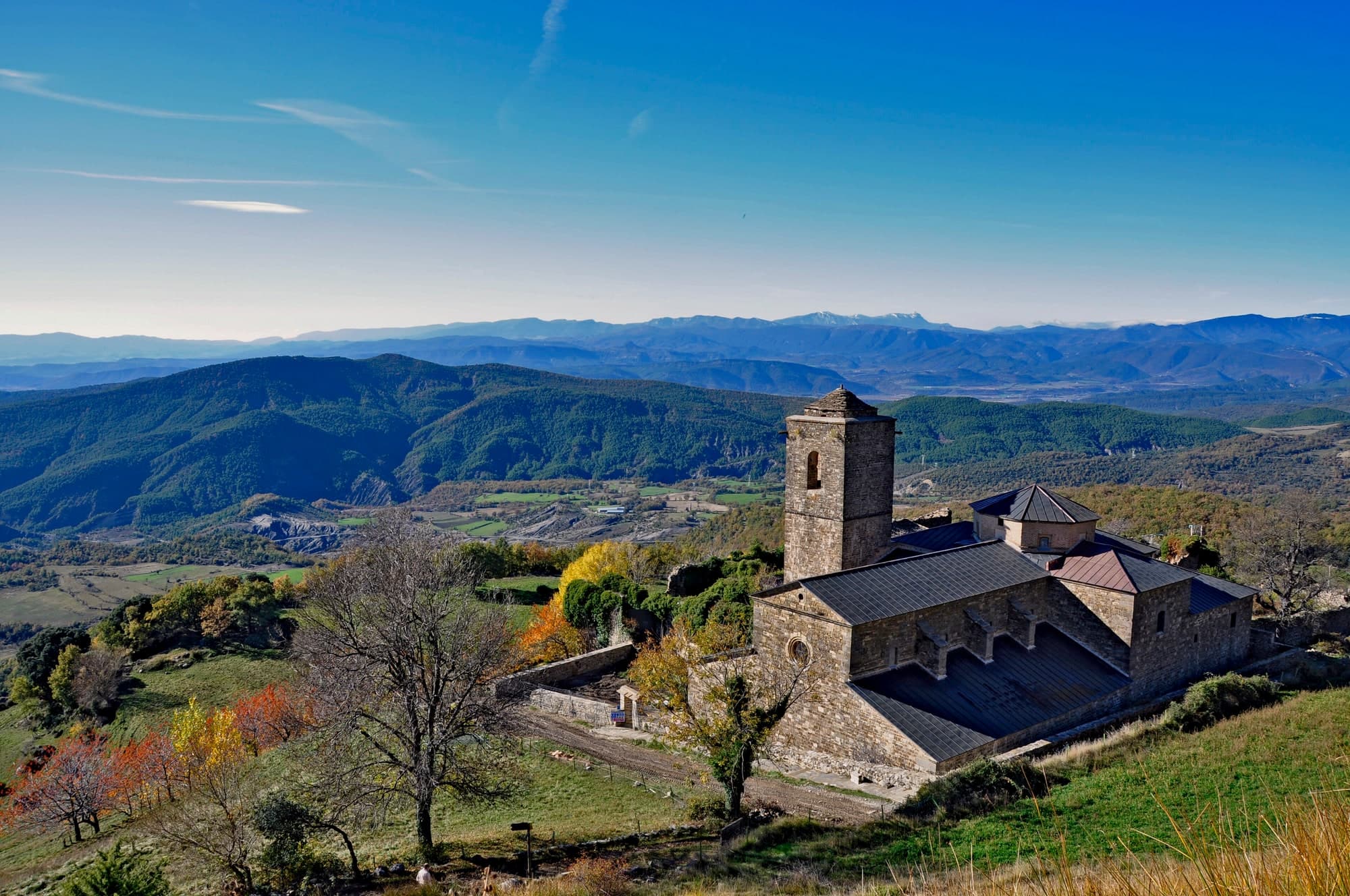
Royal Monastery of San Victorián
A monastic complex set 1,200 metres above sea level at the foot of Peña Montañesa, in the heart of Sobrarbe and just a few kilometres from Aínsa: history and mountains in a single landscape.
 Monastery
 of Our Lady of Rueda
A Cistercian monastery in Sástago, in the Ribera Baja del Ebro, protected as a monument since 1924 and an essential stop for anyone exploring the heritage of the province of Zaragoza.