

Monastery of San Pelay
Description
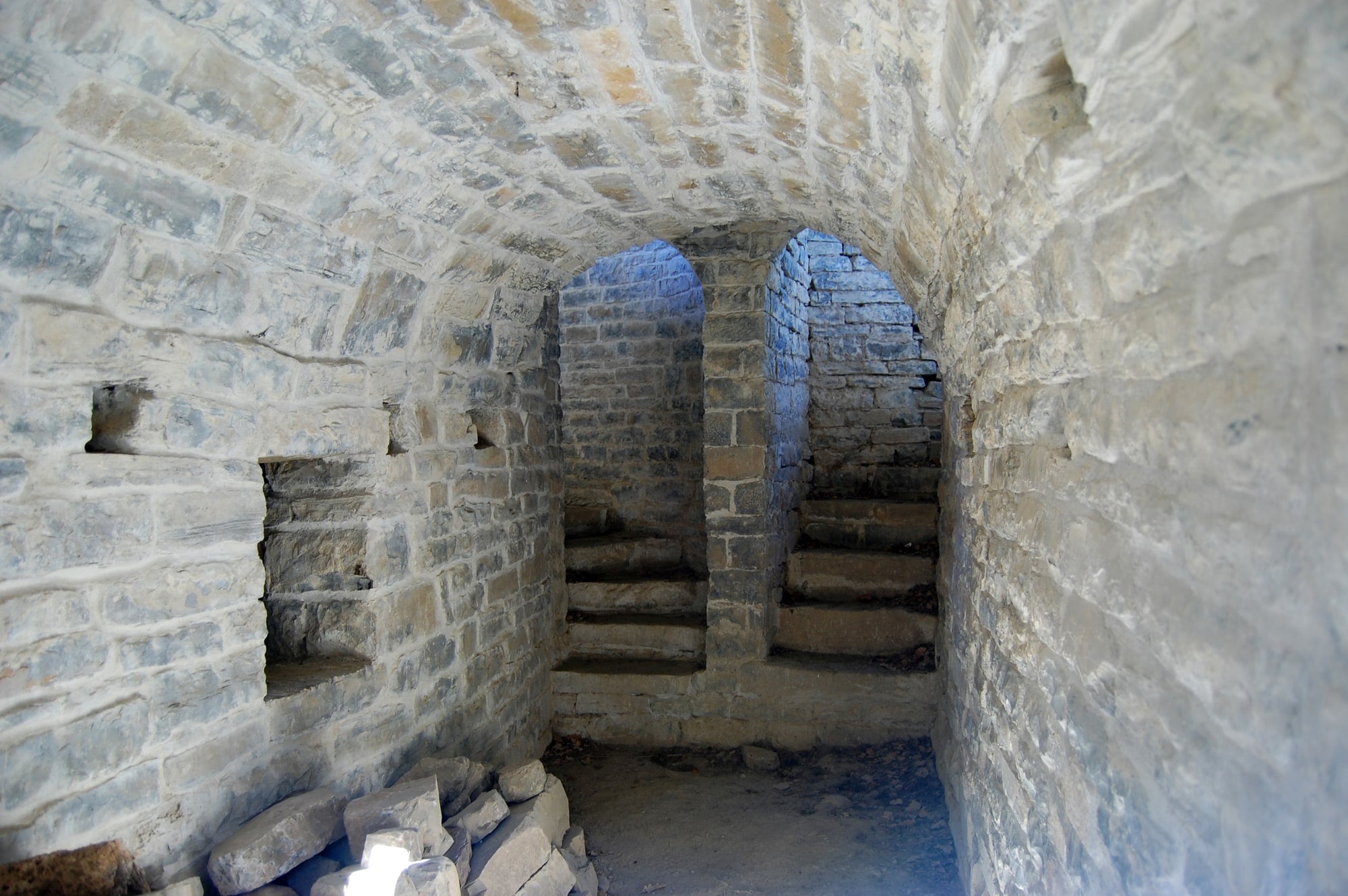
Some places are worth visiting for their grandeur, others for the story of how they were found. The monastery of San Pelay de Gavín belongs firmly in the second category: a set of medieval ruins that lay hidden and off the map until, in the winter of 1997, Federico Diez Arranz, a member of the Amigos de Serrablo association, came across them beside the Sía ravine.
The site lies next to the small village of Gavín, within the municipality of Biescas, in the heart of the Alto Gállego district of the Huesca Pyrenees. It is a secluded spot, bound up with the landscape of the ravine, and one best approached unhurriedly and with an active imagination, because what still stands is more a testament than a building.
Before that discovery, the little that was known about San Pelay came from written records. It was known that the community abandoned the monastery in the 11th century and that, after they left, the site passed into lay hands. It was these laymen who, in 1079, handed it over to the powerful monastery of San Juan de la Peña, one of the great religious centres of medieval Aragon. For centuries, then, San Pelay was little more than a name on paper.
The 1997 discovery made it possible to give that written memory a place and some stones, and it is also a fine example of the work Amigos de Serrablo has done to recover the area's heritage. For travellers interested in Romanesque architecture and the monastic origins of Upper Aragon, a visit to these ruins offers a different way to round off a tour of the valley: less monumental, perhaps, but with the appeal of something that very nearly vanished forever.
Routes that include this monument
Community photos
Log in to upload your photos of this monument.
Best time to visit
Spring and autumn (April–June and September–October); summers are hot and winters cold.
Location
Similar monuments
 Monastery
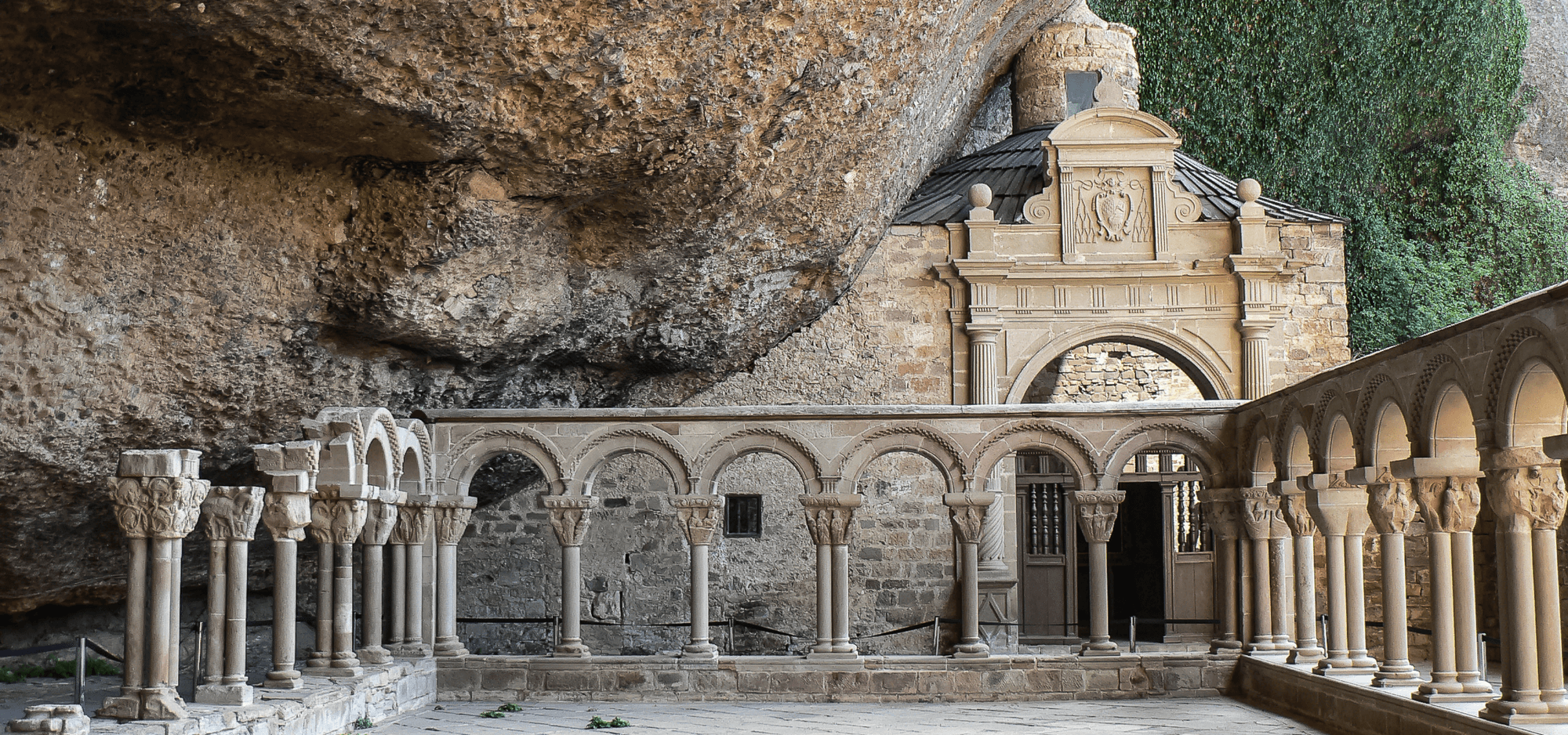
Old Monastery of San Juan de la Peña
Tucked beneath a huge overhang of rock, the monastery where the legend of Aragon was born holds a Romanesque cloister with extraordinary capitals and the pantheon of the kingdom's first kings.
 Monastery
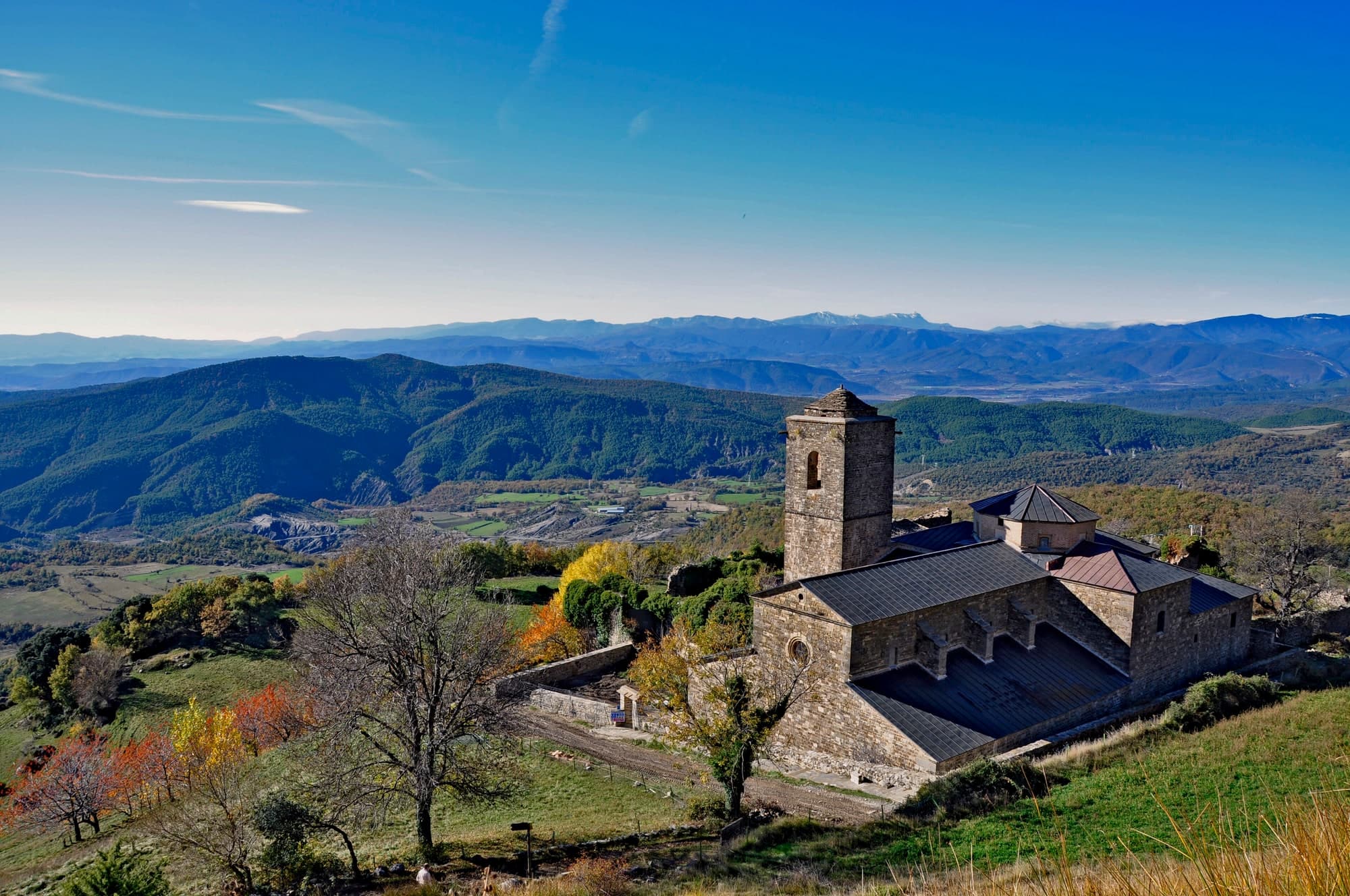
Royal Monastery of San Victorián
A monastic complex set 1,200 metres above sea level at the foot of Peña Montañesa, in the heart of Sobrarbe and just a few kilometres from Aínsa: history and mountains in a single landscape.
 Monastery
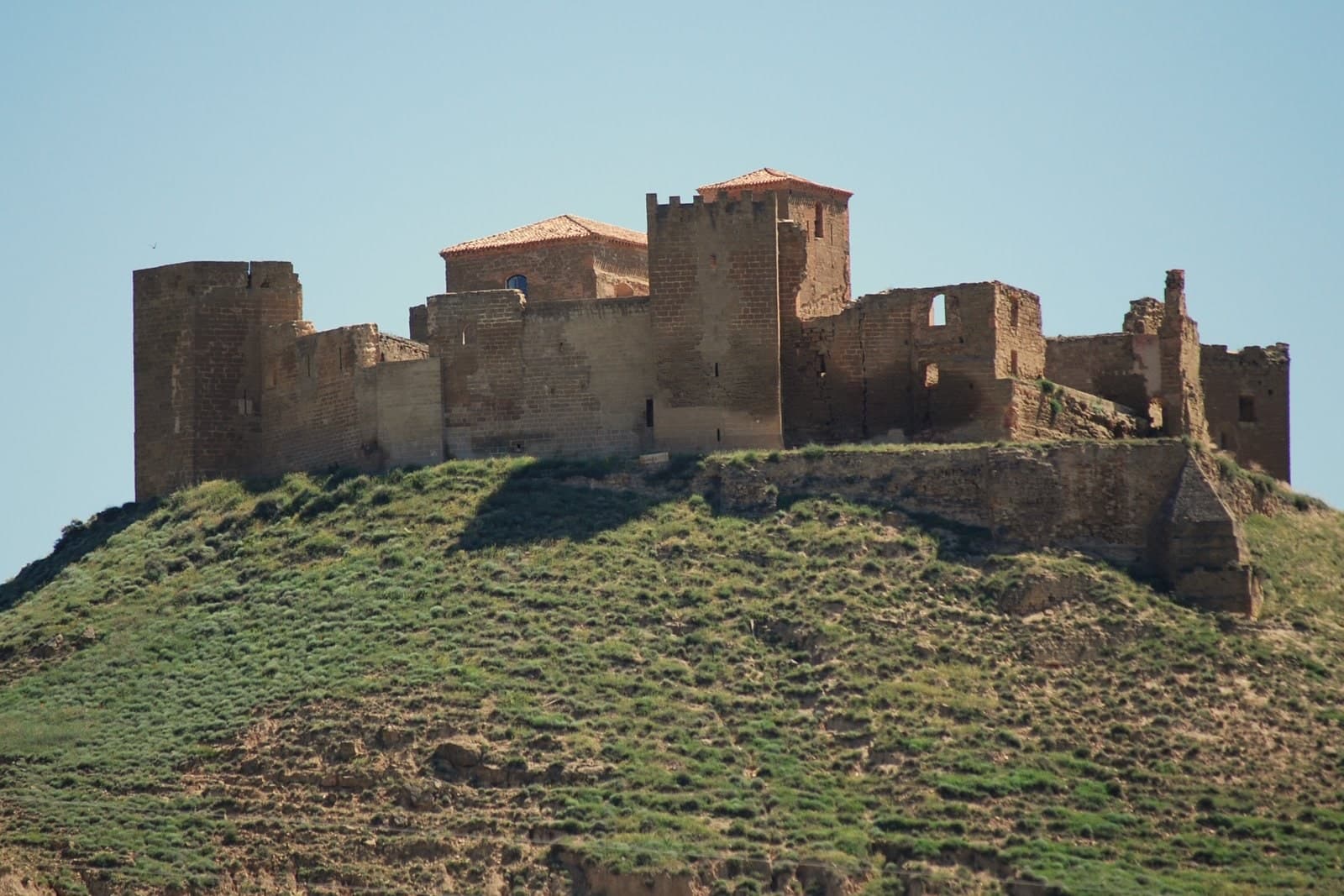
Montearagón Castle
A Romanesque castle-abbey crowning Monte Aragón, cradle of the Royal House of Aragon and one of the most remarkable monasteries of the Middle Ages, now lying in ruins opposite Huesca.
 Monastery
 of Santa María la Real de la Oliva
The first Cistercian foundation in the Kingdom of Navarre, this 12th-century monastery in Carcastillo preserves one of the purest Cistercian ensembles in Spain, complete with monks and vineyards.