
Royal Monastery of Santa María de Guadalupe
Description
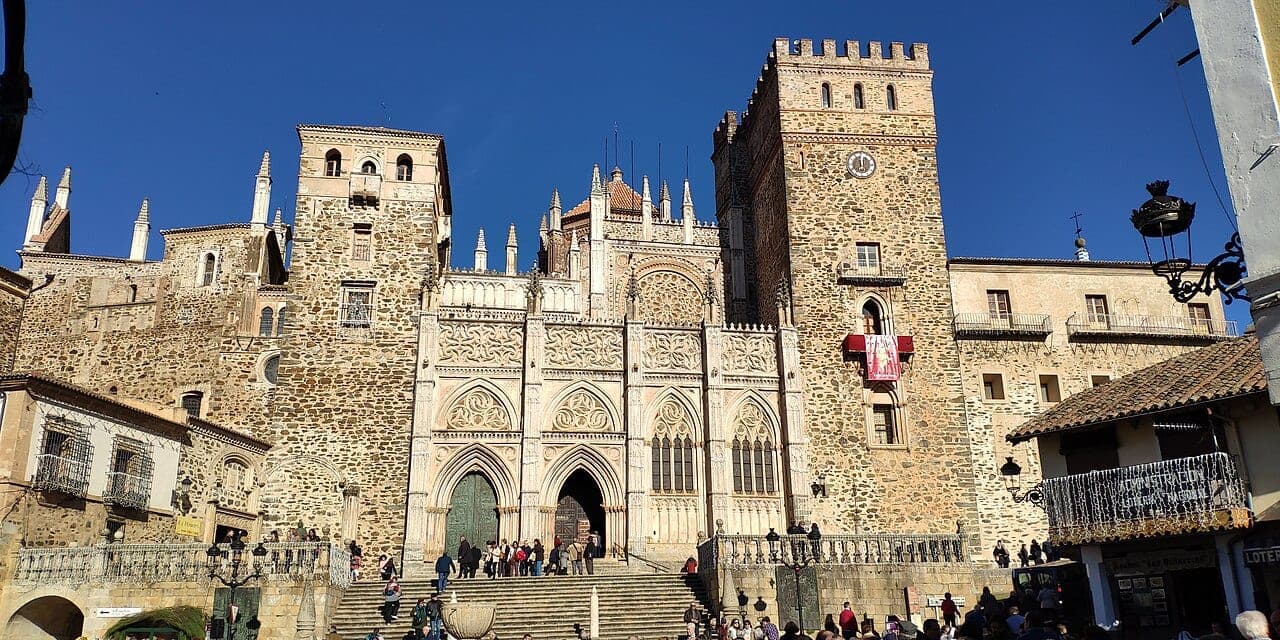
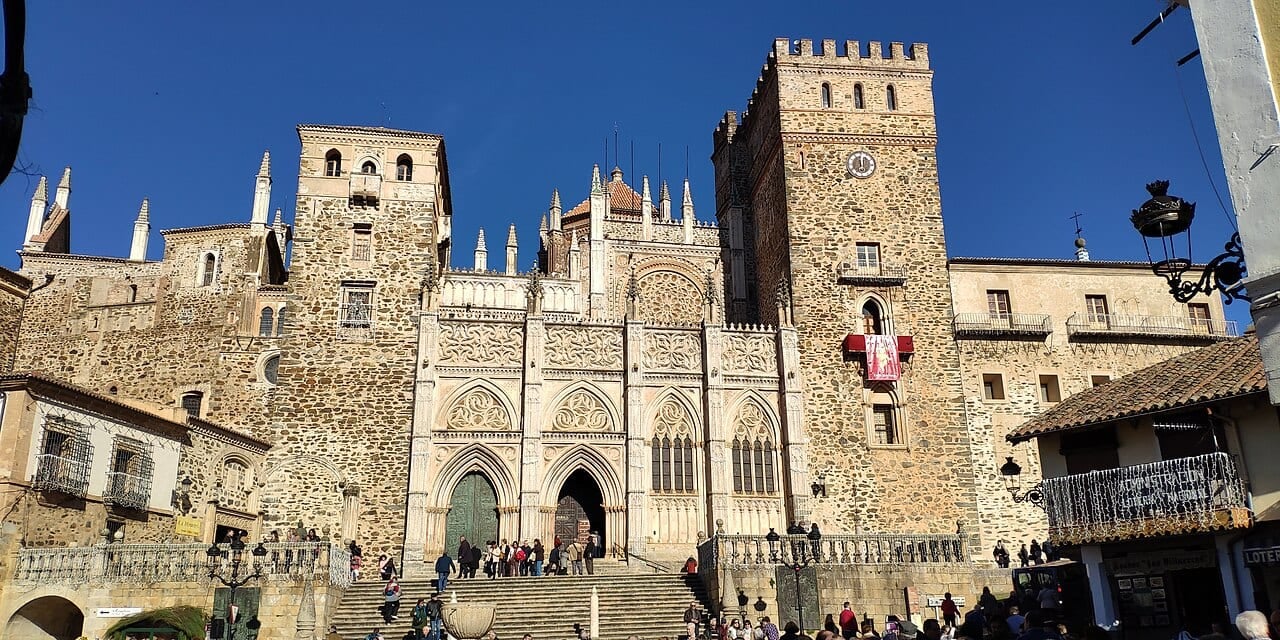
Few places in Spain pack so much history into a single complex as the Royal Monastery of Santa María de Guadalupe. Its church, which has held the rank of basilica since Pope Pius XII granted it in 1955, houses the image of the Virgin of Guadalupe, patron saint of Extremadura and Queen of the Hispanic World. This makes a visit more than just an artistic outing: it means stepping into one of the great centres of devotion in the Hispanic world.
Anyone wandering through its rooms will soon notice that the building does not follow a single taste. Work began in the 14th century and, over the generations, layers of Gothic, Mudéjar, Renaissance, Baroque and Neoclassical were added. This coexistence of styles is precisely one of its greatest attractions, and explains why UNESCO added it to the World Heritage List in 1993.
Its origins were more modest. Between 1341 and 1389 the sanctuary operated as a secular priory under royal patronage. In that last year, King John I, the second monarch of the Trastámara dynasty, ordered its conversion into a monastery and handed it over to 32 Hieronymite monks who came from San Bartolomé de Lupiana, in Guadalajara. Thus began the period that would shape the great complex we know today.
The 19th century brought upheaval. With the exclaustration of 1835 the Hieronymites left the house, and the church was reduced to a mere parish under Toledo. Recovery came during the Restoration: in 1879 the complex was declared a National Monument and, later, Alfonso XIII ordered it to be handed over to a community of Observant Franciscans, who have looked after the monastery ever since and keep conventual life alive within its walls.
Routes that include this monument
Community photos
Log in to upload your photos of this monument.
Best time to visit
Spring and autumn (April–June and September–October); summers are very hot.
Location
Similar monuments
 Monastery
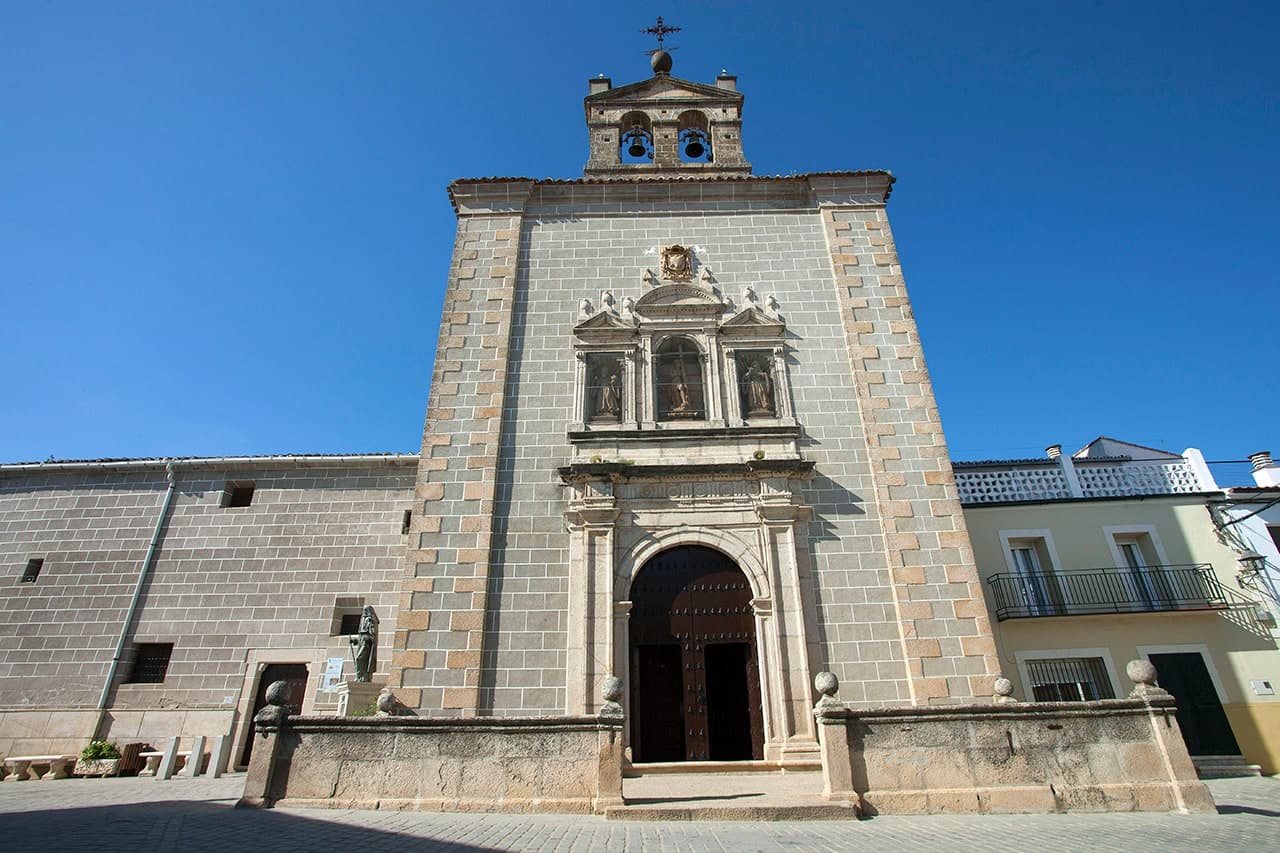
Sanctuary of the Cristo de la Victoria
In Serradilla, a convent of Augustinian Recollect nuns houses the Cristo de la Victoria, one of the most revered images in Extremadura and a protected gem of the heritage of the province of Cáceres.
 Monastery
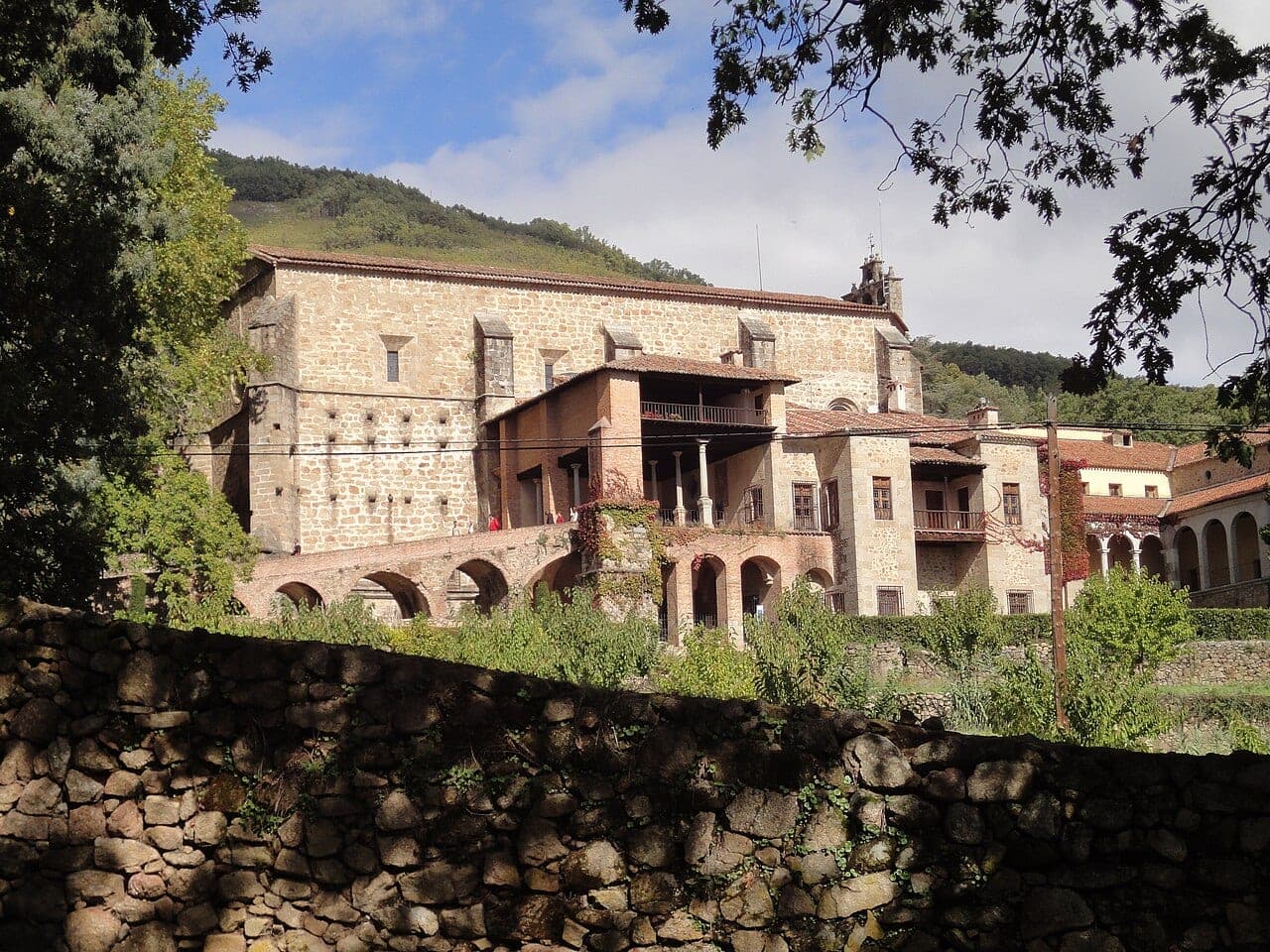
 of Yuste
In the heart of the La Vera district, the monastery and palace residence where Charles I of Spain and V of Germany spent the last two years of his life in retirement after abdicating.
 Monastery
Convent of Santa Clara de la Columna
A late medieval convent in Belalcázar, in the north of the province of Córdoba, declared a Site of Cultural Interest in 1982 and a silent witness to several centuries of history.
 Monastery
Convent of Santa Isabel de los Reyes
The Toledo convent of Santa Isabel de los Reyes, a worthwhile stop for anyone keen to discover the religious heritage of the Imperial City.