
Monastery of Santa María de Mezonzo
Description
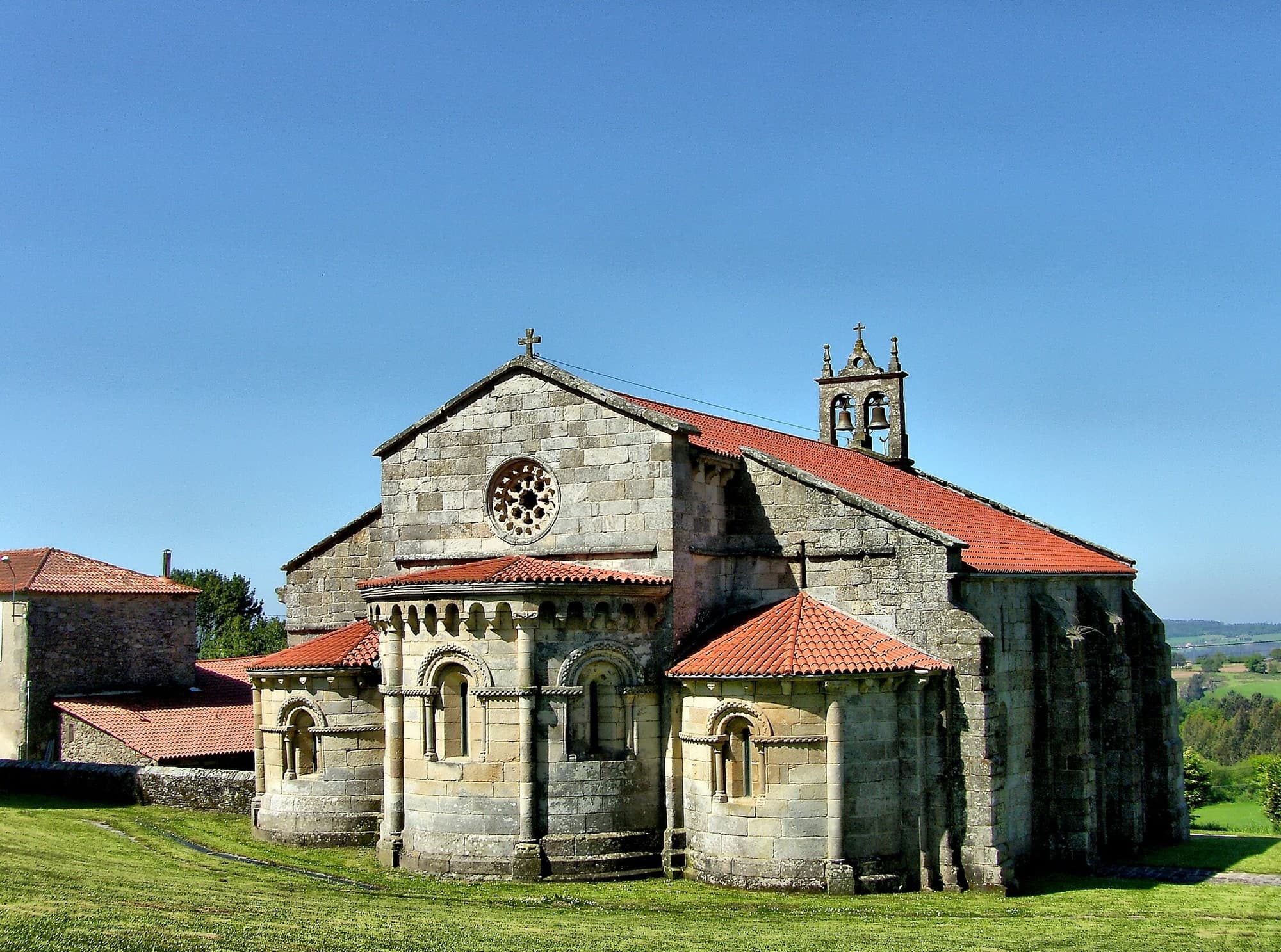
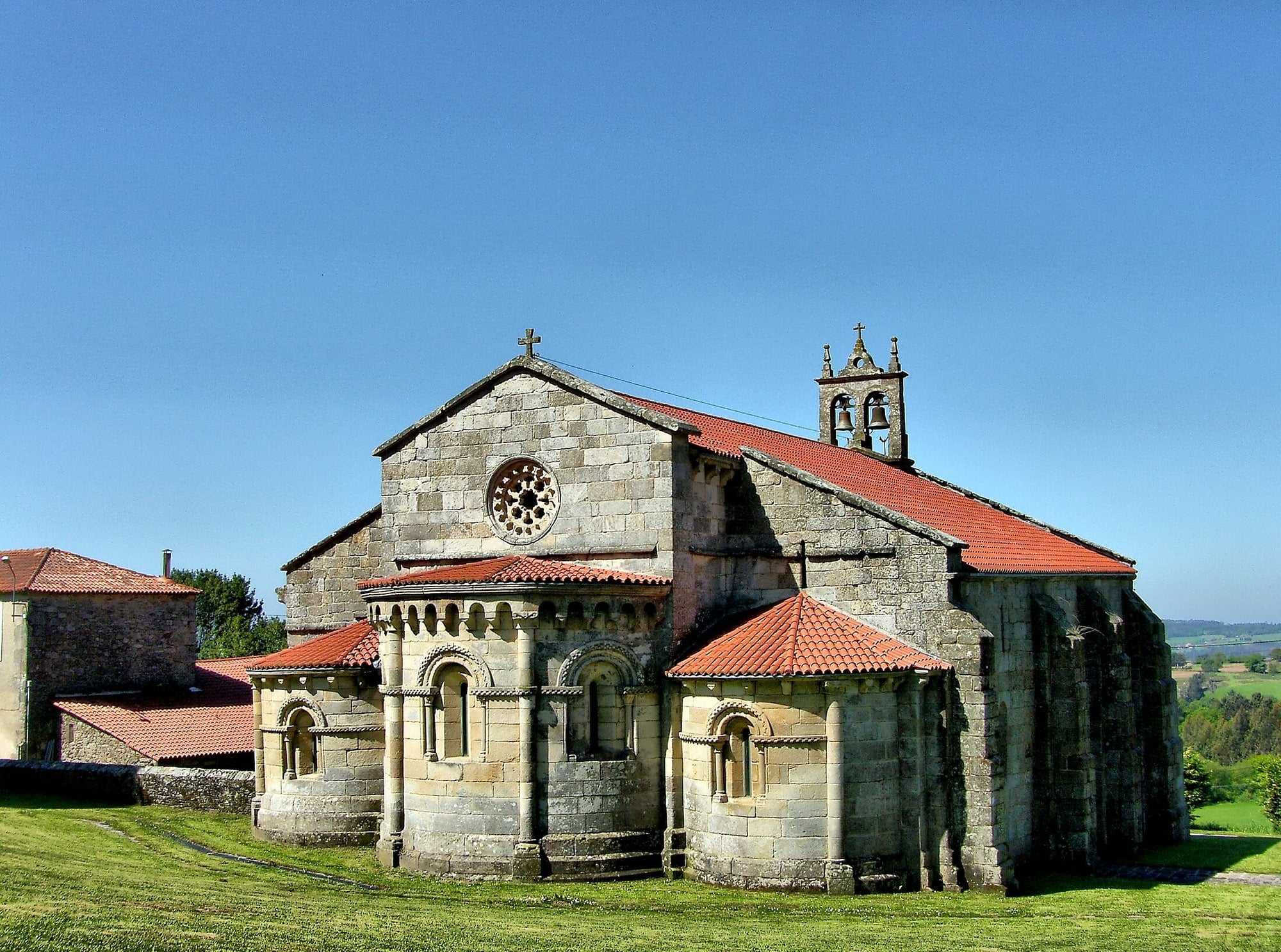
Anyone arriving in the parish of Santa María de Mezonzo, in the municipality of Vilasantar in the province of A Coruña, will find more than just a rural church: what stands before them is the last remnant of a monastery. Of the former religious complex, practically only the church survives, and it is precisely the church that makes the visit worthwhile and keeps the memory of the place alive.
The building is Romanesque, the architectural language that left its mark on much of the Galician landscape. It is well worth exploring at a leisurely pace, taking in its walls and its volumes, and letting your imagination fill in what time has taken away. What is today a parish church was once the heart of a monastic community, and this dual identity gives it a special appeal.
That, perhaps, is the charm of Mezonzo: it is not a grand monumental complex, but a corner where history is sensed rather than put on display. Here, visitors will find no cloisters or monastic buildings, but a church that has outlived the disappearance of everything else and still serves its religious purpose for the parish that bears its name.
For all these reasons, Santa María de Mezonzo fits nicely into an unhurried route through the interior of the province of A Coruña, ideal for those who enjoy Romanesque architecture and understated places. It is a brief stop, but one that stays with you: that of a monastery which, though almost vanished, lives on through its church.
Routes that include this monument
Community photos
Log in to upload your photos of this monument.
Best time to visit
From May to September, to avoid the more frequent rain of the rest of the year.
Location
Similar monuments
 Monastery
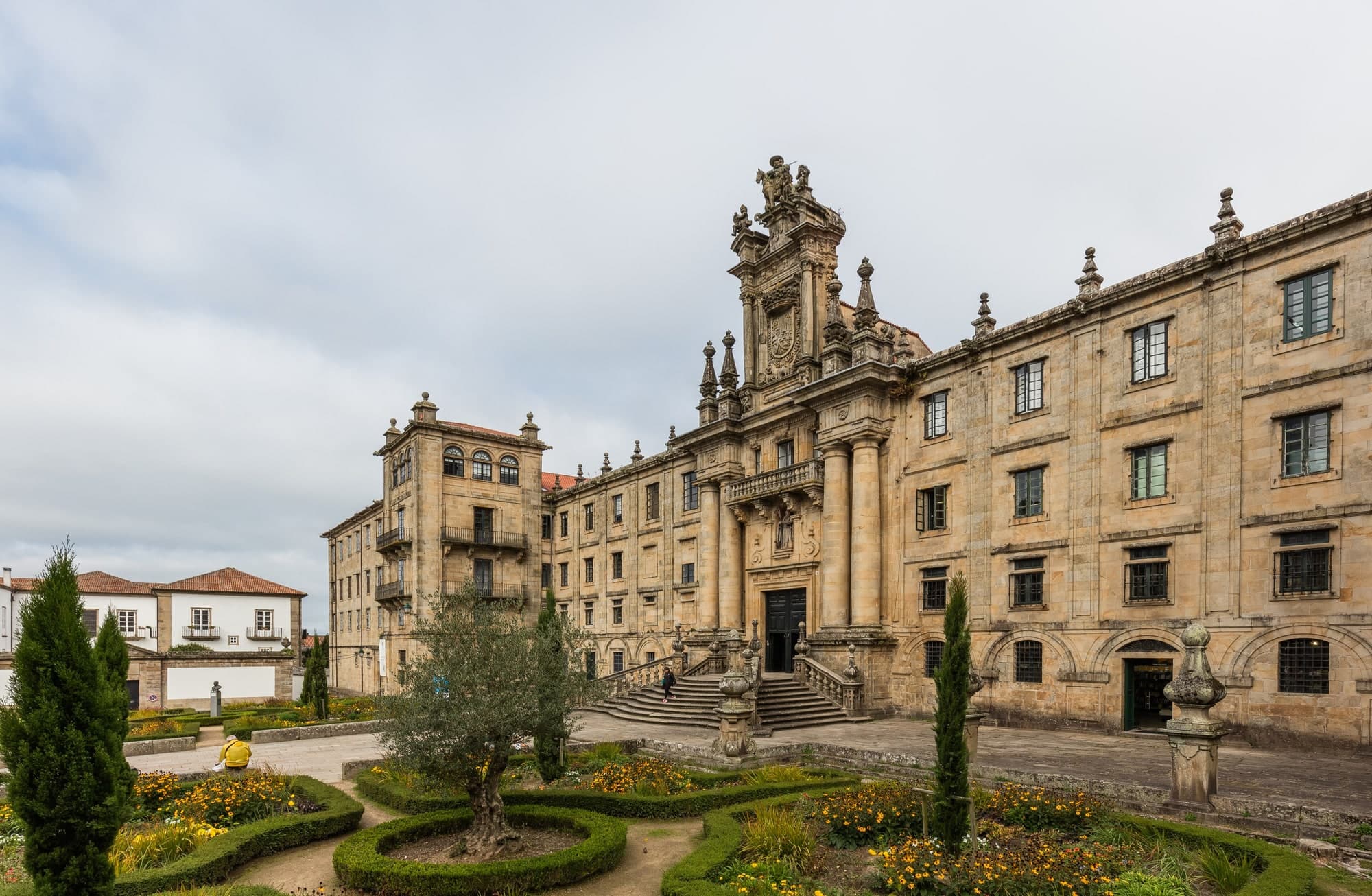
 of San Martín Pinario
A Benedictine monastery founded in the 10th century in the heart of Santiago de Compostela, now a seminary, centre of learning and museum closely linked to the history of the Camino.
 Monastery
 of Santa María la Real de Oseira
A Cistercian monastery of royal foundation in Ourense, now Trappist, whose economic and social influence shaped the surrounding area and lands much further afield for centuries.
 Cathedral
Santiago de Compostela Cathedral
The final destination of the Camino de Santiago and, according to tradition, the resting place of the tomb of the Apostle, Compostela's cathedral was one of the great pilgrimage destinations of medieval Europe.
 Cathedral
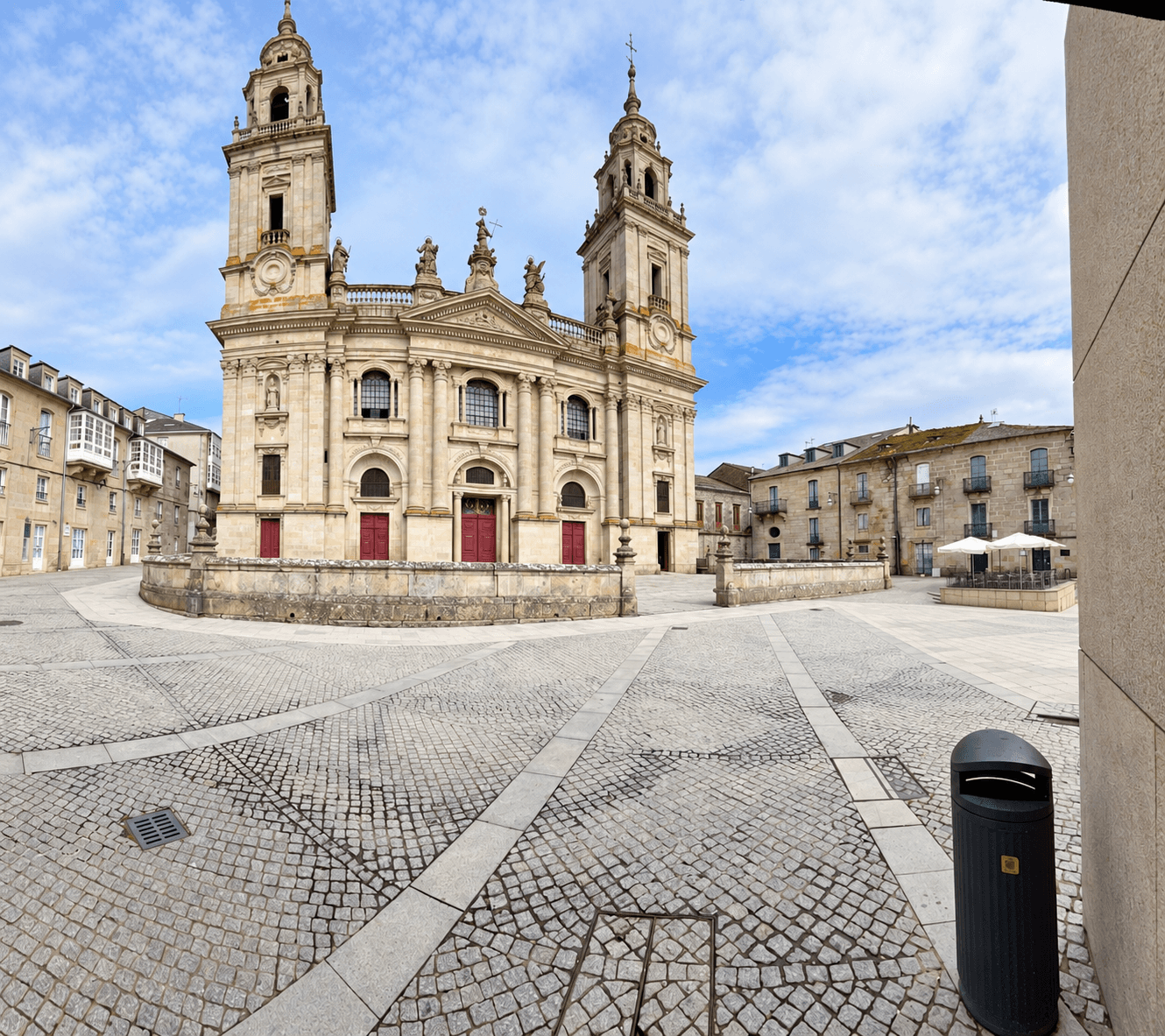
Lugo Cathedral
Romanesque in origin and Baroque in its best-loved corners, Lugo Cathedral holds a choir unique in Galicia and the Blessed Sacrament exposed day and night by papal privilege.