
Church of San Pedro de la Rúa
Description
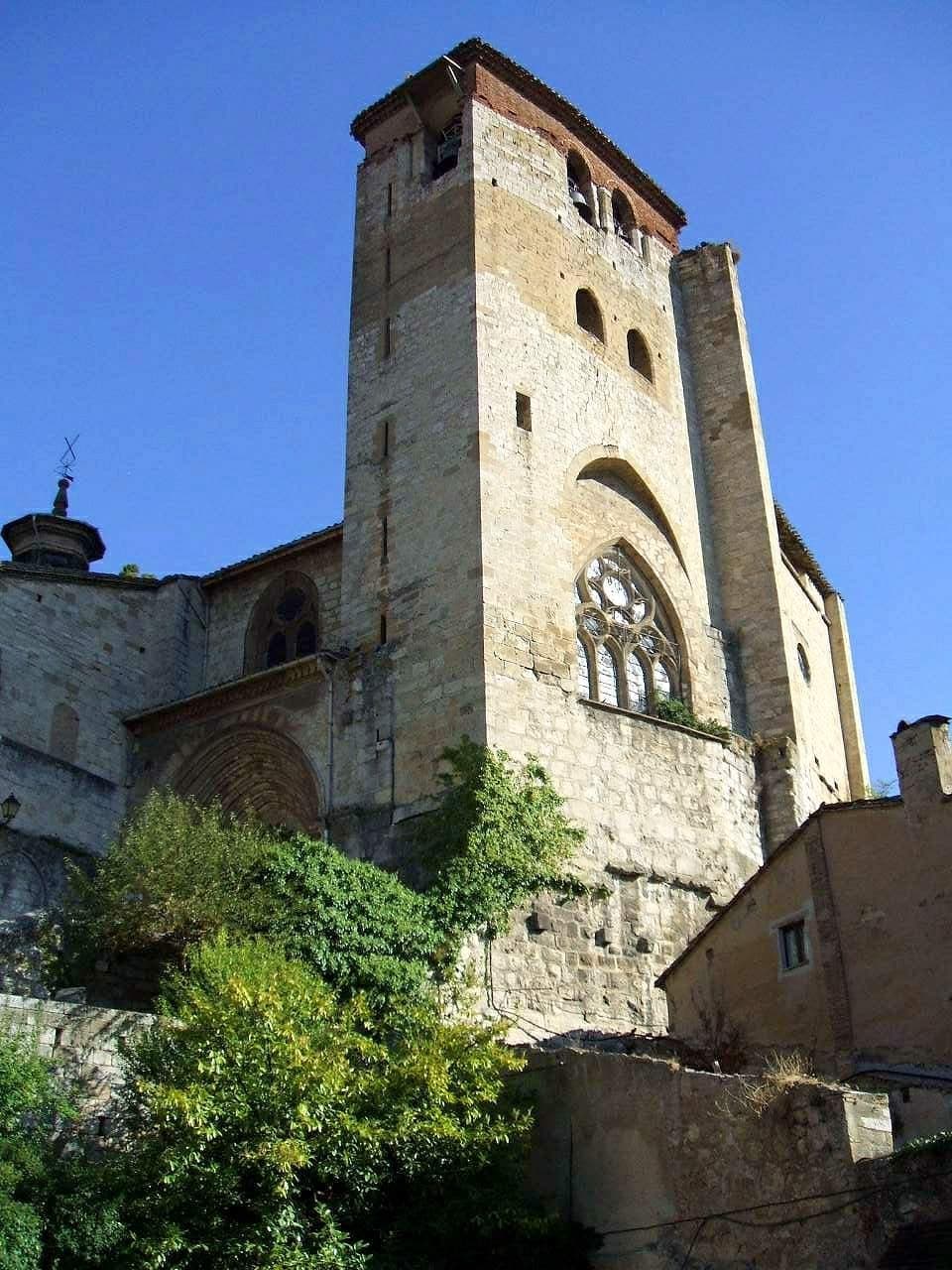
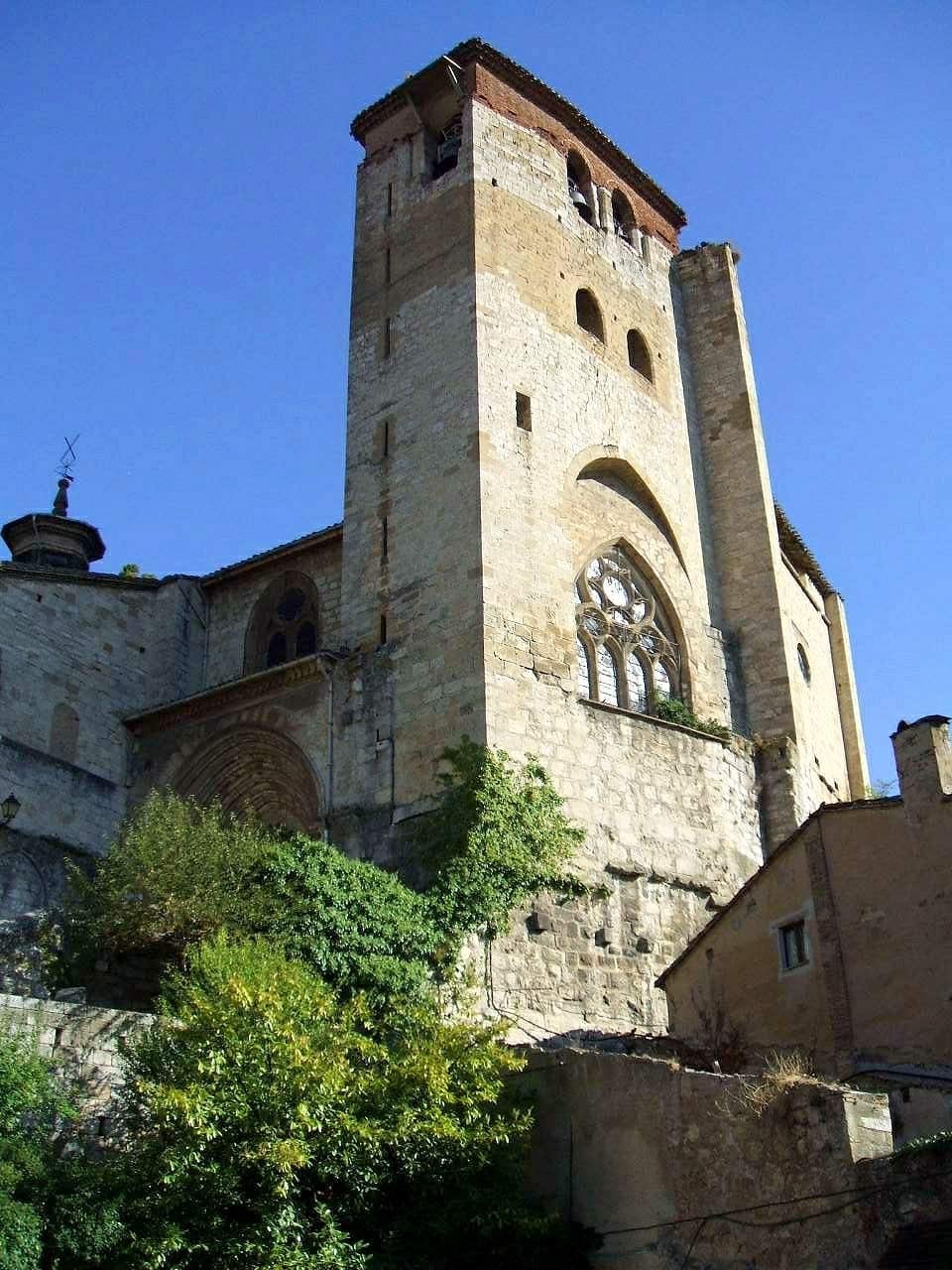
Few visits in Estella are as rewarding as climbing the flight of steps that leads up to San Pedro de la Rúa from opposite the Gustavo de Maeztu Museum. At the top awaits a mid-13th-century portal, a sister to those of San Román in Cirauqui and Santiago in Puente la Reina, where capitals and archivolts display plant, geometric and figurative motifs. The jambs are well worth a closer look: a siren, a centaur, harpies and griffins make up a repertoire with classical roots and eschatological meaning.
The jewel of the ensemble, however, is the cloister, dated to around 1170. Only the western and northern galleries survive, because in 1572 the demolition of the neighbouring Zaratambor Castle by Castilian troops brought part of it down with it. What remains is enough to understand its renown: first-rate capitals, carved by different hands, which show how the Way of St James spread new artistic forms. Alongside scenes from the life of Christ and the saints, among them the story of St Andrew, there are harpies, winged sirens, sphinxes and plant motifs.
Already known in the 13th century as San Pedro el Mayor, the church is recorded as a parish from 1174, and in 1256 it was granted the title of principal church of the town. Its interior is a book spanning several eras: the chevet from the last quarter of the 12th century, 13th-century naves, a 15th-century Gothic traceried window in the tower and roofs from the 16th and 17th centuries.
Among its treasures are the altarpiece of the Virgen del Rosario, with a 14th-century Virgen de la O; the altarpiece of the Crucified Christ, which holds a 13th-century Romanesque Christ; and the Virgen de Belén in the presbytery, which came from the Church of the Holy Sepulchre. In the area beneath the choir, next to Baroque choir stalls, survives the 12th-century baptismal font, the only liturgical object from the original church. The Baroque chapel of St Andrew, patron saint of Estella, built from 1706 onwards and with a Rococo altarpiece, also recalls a bitter episode: the 1979 robbery masterminded by «Erik the Belgian», from which not a single piece has ever been recovered.
Routes that include this monument
Community photos
Log in to upload your photos of this monument.
Best time to visit
Spring and autumn (April–June and September–October).
Location
Similar monuments
 Church
 of San Lorenzo
Right in the heart of Pamplona's Old Town, this ancient parish church houses the 18th-century Chapel of San Fermín, the devotional heart of the city.
 Church
 of the Assumption (Olleta)
A mid-12th-century Romanesque church in Olleta, in the heart of the Valdorba, with a tower at its west end, a polygonal crossing tower and a deep semicircular apse.
 Church
 of San Andrés Apóstol
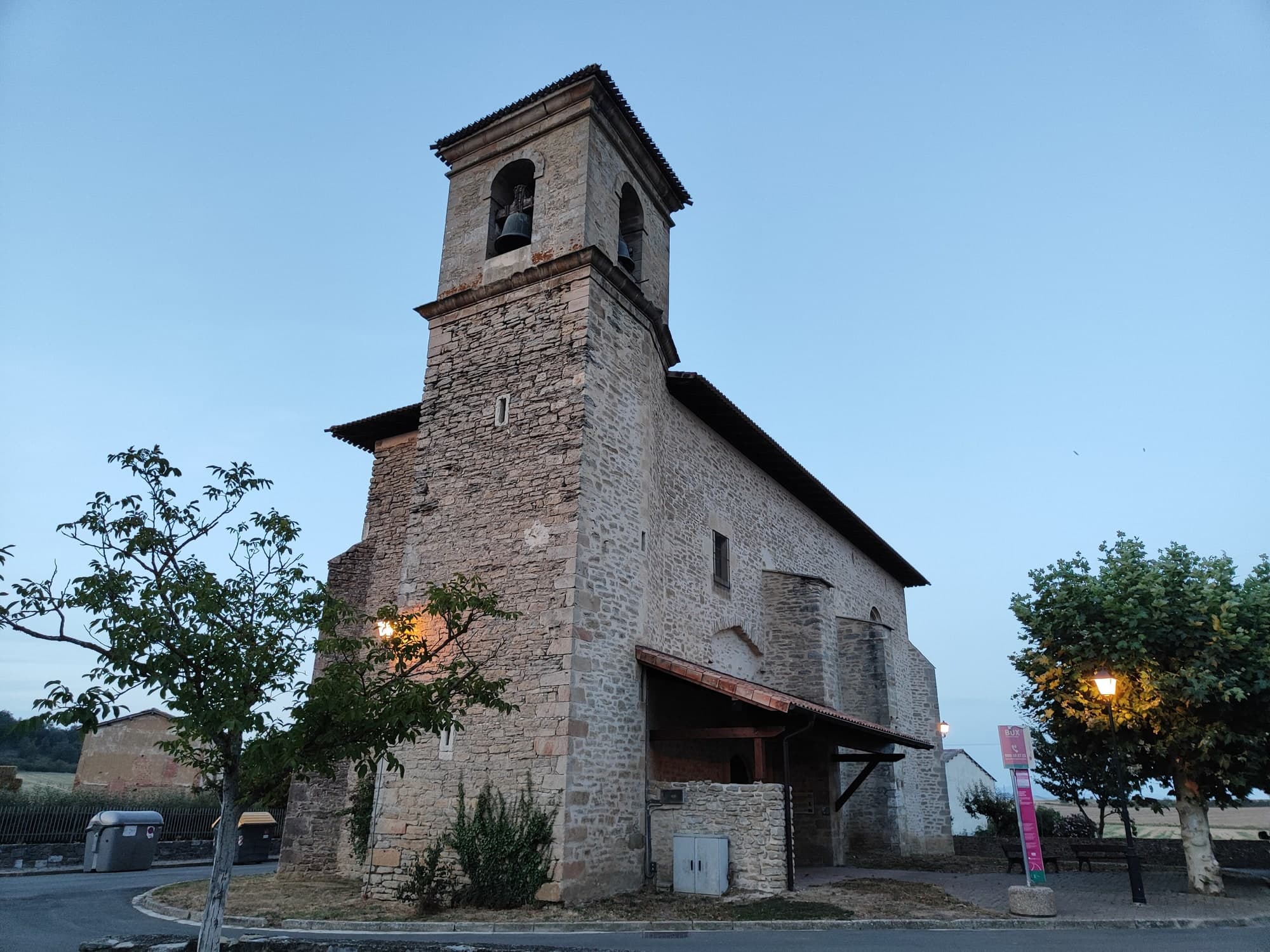
A Catholic church dedicated to Saint Andrew the Apostle in Villafranca de Estíbaliz, a small Alavese concejo within the municipality of Vitoria – ideal for a quiet stop.
 Church
 of Santa Eulalia de Mérida
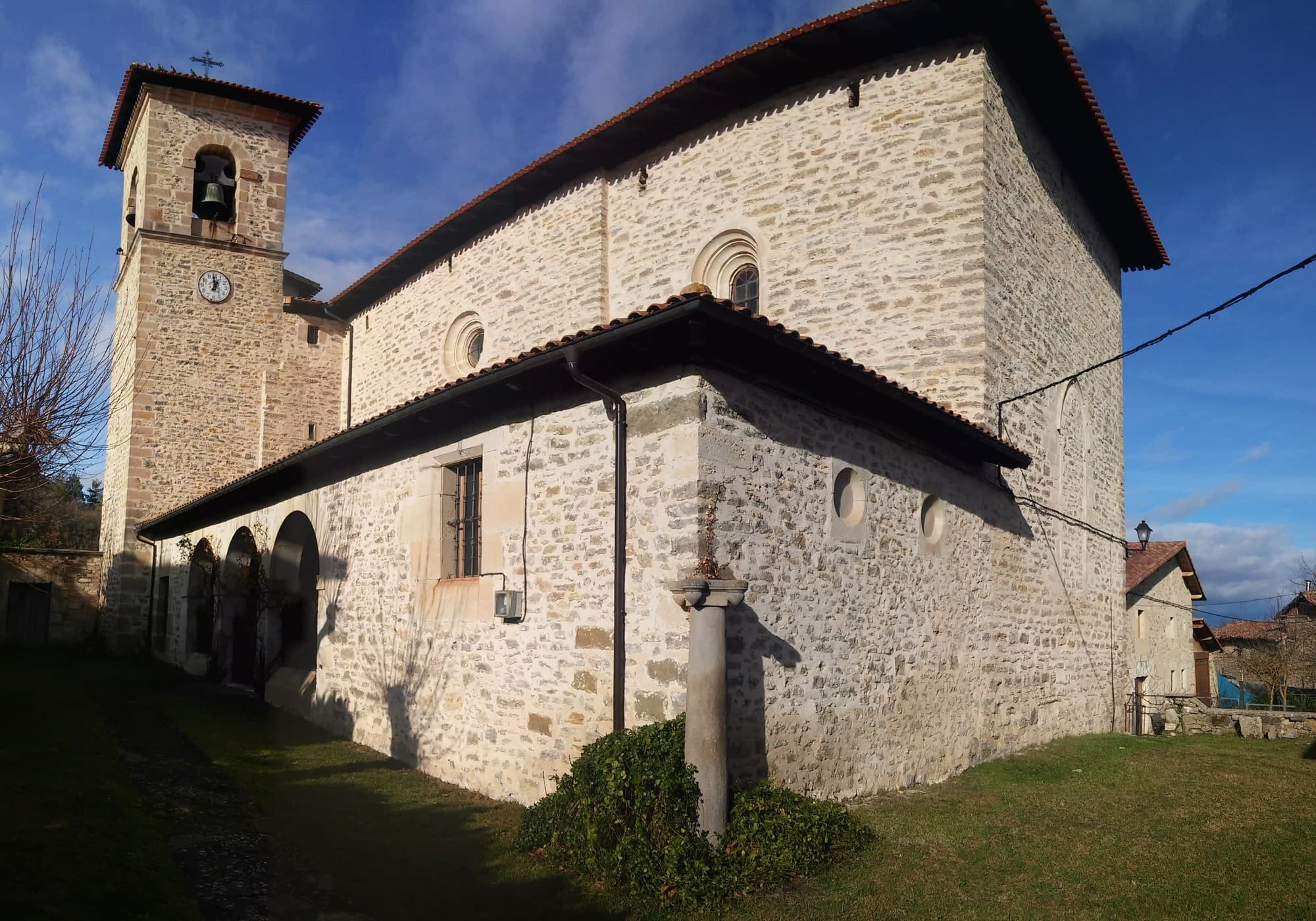
A church dedicated to Saint Eulalia of Mérida in Gámiz, one of the small rural districts within the municipality of Vitoria – a good excuse to leave the city behind and head out into the Álava countryside.