


Cathedral of Our Lady of the Assumption, Valladolid
Description
Few cathedrals tell their story as candidly as Valladolid's. What visitors see today is only part of the church that was envisaged: it is estimated that just 40 to 45% of the original design was ever built. Far from detracting from its appeal, this unfinished state invites you to imagine the scale of what might have been, and turns a visit into a living lesson on the ambitions and limits of its age.
The building was conceived in the 16th century and designed by Juan de Herrera, the architect who gave his name to a style. Here you can appreciate that sober, geometric and powerfully emphatic Herrerian idiom, later joined by Baroque elements that soften the severity of the whole. The works were never completed owing to a lack of funds for an undertaking of such magnitude and to the high cost of the foundations, made more difficult by the steep slope of the ground on which it stands.
Before becoming a cathedral, the church had a long history as a collegiate church under the Diocese of Palencia. It was not until 1595 that it was raised to cathedral status, and today it is the seat of the Archdiocese of Valladolid. The new building rose alongside the old collegiate church of Santa María, some of whose spaces were demolished to make way for the works – an overlapping of eras that adds layers of memory to the site.
The cathedral stands right in the city centre, on slightly raised ground, very close to the Church of Santa María La Antigua. This proximity means you can link two key monuments of Valladolid's heritage in a single stroll and grasp, just a few steps apart, how ways of building and of understanding sacred space changed over the centuries.
Routes that include this monument
Community photos
Log in to upload your photos of this monument.
Best time to visit
Spring and autumn (April–June and September–October), with mild summers and cold winters.
Location
Similar monuments
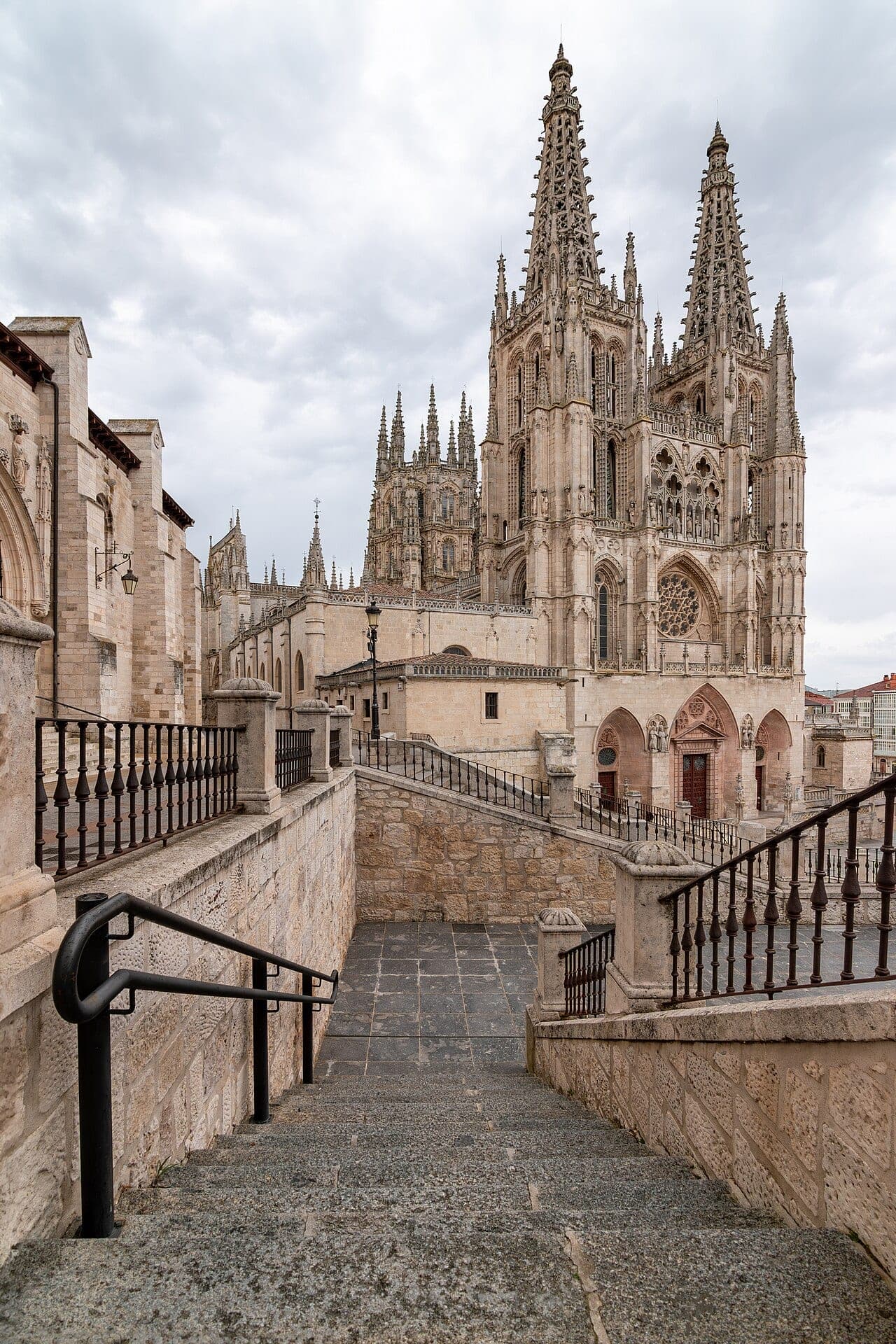 Cathedral
Burgos Cathedral
A jewel of Spanish Gothic begun in 1221 and a World Heritage Site in its own right, with openwork spires, the Constable's Chapel, the tomb of El Cid and the famous Papamoscas.
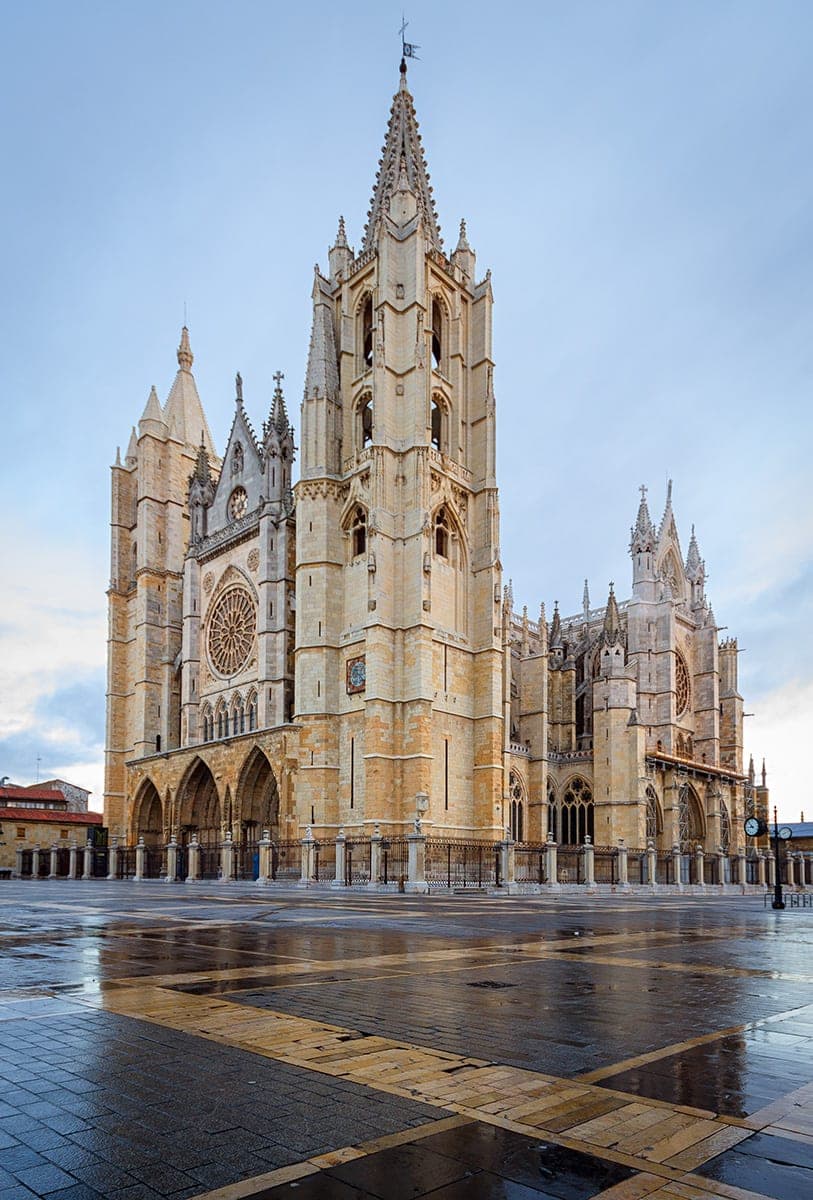 Cathedral
León Cathedral
The Pulchra Leonina, a jewel of French-influenced Gothic right on the Camino de Santiago, where the walls all but disappear to make way for one of the largest collections of medieval stained glass in the…
 Cathedral
El Burgo de Osma Cathedral
Gothic since 1232 and completed in neoclassical style, El Burgo de Osma Cathedral preserves the memory of one of the oldest dioceses in Spain.
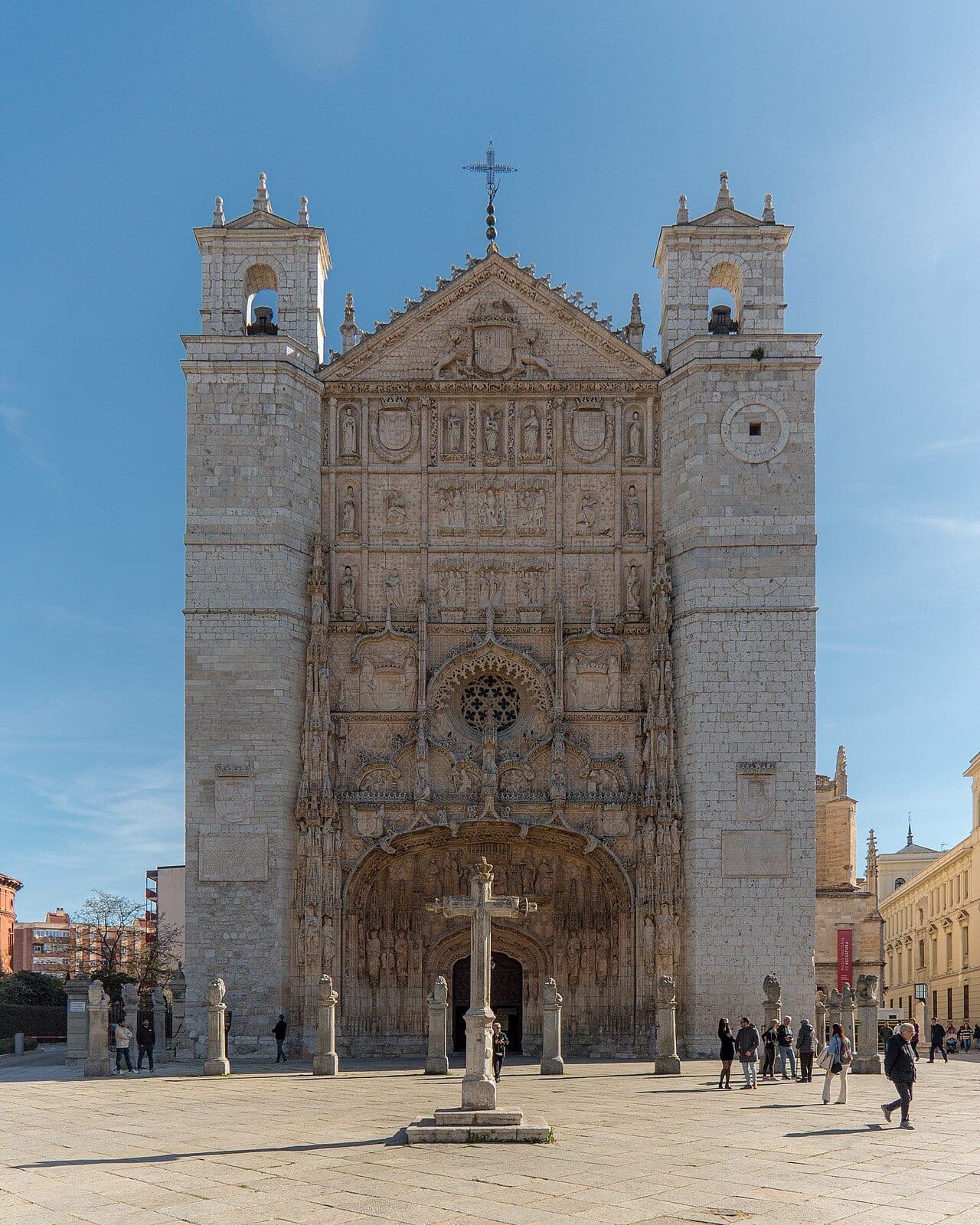 Church
 of San Pablo
A Dominican convent church built between 1445 and 1616, where Philip II and Philip IV were baptised, in the heart of Valladolid's old royal quarter.