
Burgos Cathedral
Description
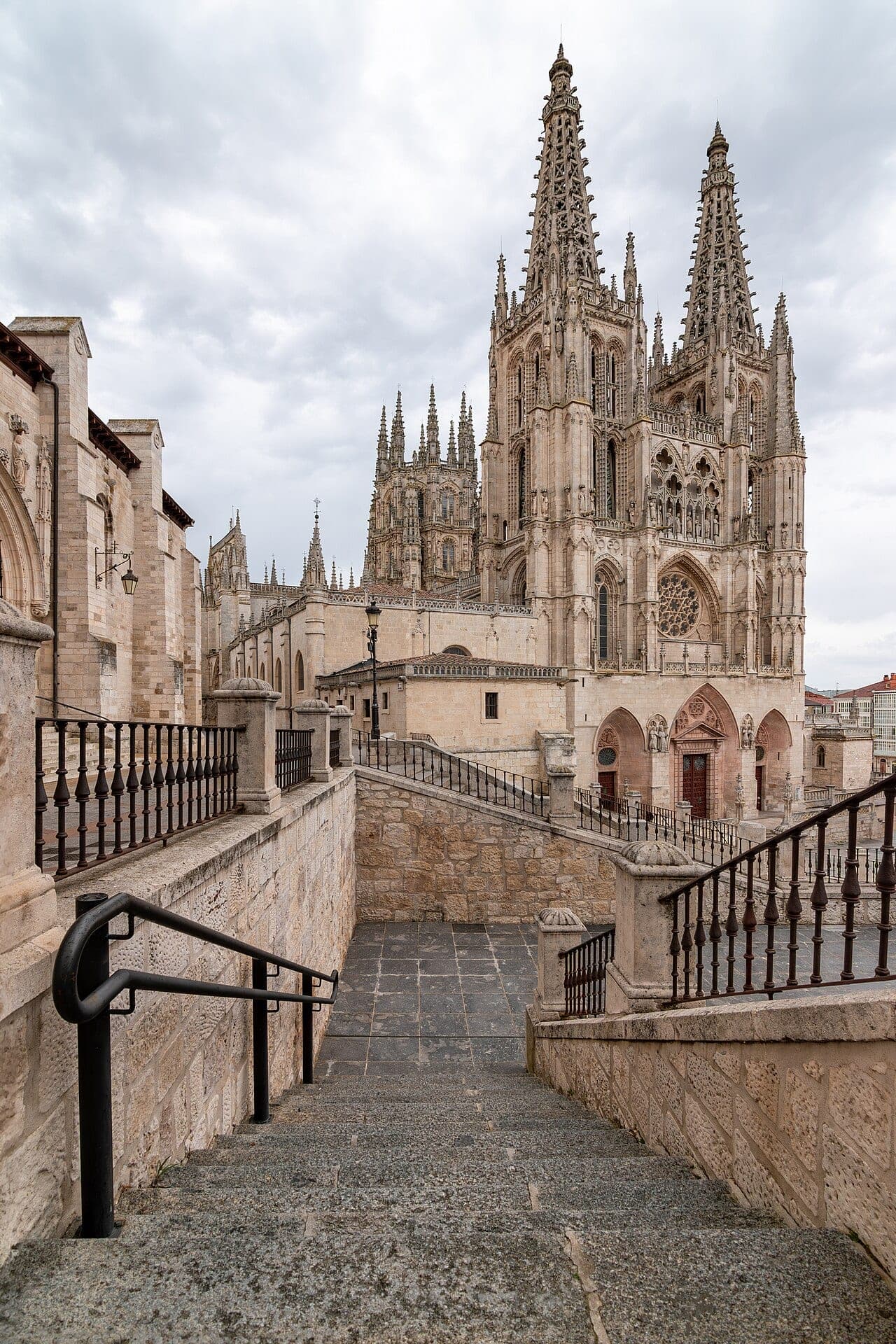
Few silhouettes are as recognisable as that of Burgos Cathedral: two towers crowned by openwork stone spires, added in the 15th century by Juan de Colonia, and a lantern tower that rises over the crossing like a great lamp. It is the only Spanish cathedral to have been declared a UNESCO World Heritage Site in its own right, rather than as part of a historic centre or alongside other buildings, an honour it received in 1984, having been named a National Monument in 1885.
Work began in 1221 following French models: the main façade recalls the great cathedrals of Paris and Reims, while the interior elevation looks to Bourges. But the building kept growing for centuries, using limestone from the quarries of Hontoria de la Cantera, and between the 15th and 16th centuries Flamboyant Gothic gave it its definitive outline. Before going in, it is worth pausing at the 13th-century Sarmental and Coronería portals, and at the Pellejería portal, which already shows a Plateresque touch.
Inside awaits a veritable museum of Gothic, Renaissance and Baroque art. The lantern tower has a story of its own: the first, by Juan de Colonia, collapsed in 1539 under its own excessive weight, and Juan de Vallejo rebuilt it in Gothic-Plateresque style. The Constable's Chapel, in Isabelline Gothic, brings together the talents of the Colonia family, Diego de Siloé and Felipe Vigarny; Siloé also designed the Renaissance Golden Staircase, and Vigarny carved the reliefs in the ambulatory. Don't miss Gil de Siloé's altarpiece in the Chapel of St Anne, Sebastiano del Piombo's Holy Family, the choir stalls, or the Gothic and Renaissance tombs.
The cathedral also holds corners steeped in memory and legend: the tomb of El Cid Campeador and Doña Jimena, together with his marriage deed and his chest; the revered Holy Christ of Burgos; and the delightful Papamoscas, an articulated figure that opens its mouth every time the clock strikes the hour. It is well worth waiting to see it.
Since 1994 the cathedral has undergone an extensive restoration, considered the longest and most expensive of any European monument, which means it can be enjoyed today in all its splendour.
Routes that include this monument
Community photos (1)
Log in to upload your photos of this monument.

Best time to visit
Spring and autumn (April–June and September–October), with mild summers and cold winters.
Location
Similar monuments
 Cathedral
El Burgo de Osma Cathedral
Gothic since 1232 and completed in neoclassical style, El Burgo de Osma Cathedral preserves the memory of one of the oldest dioceses in Spain.
 Cathedral
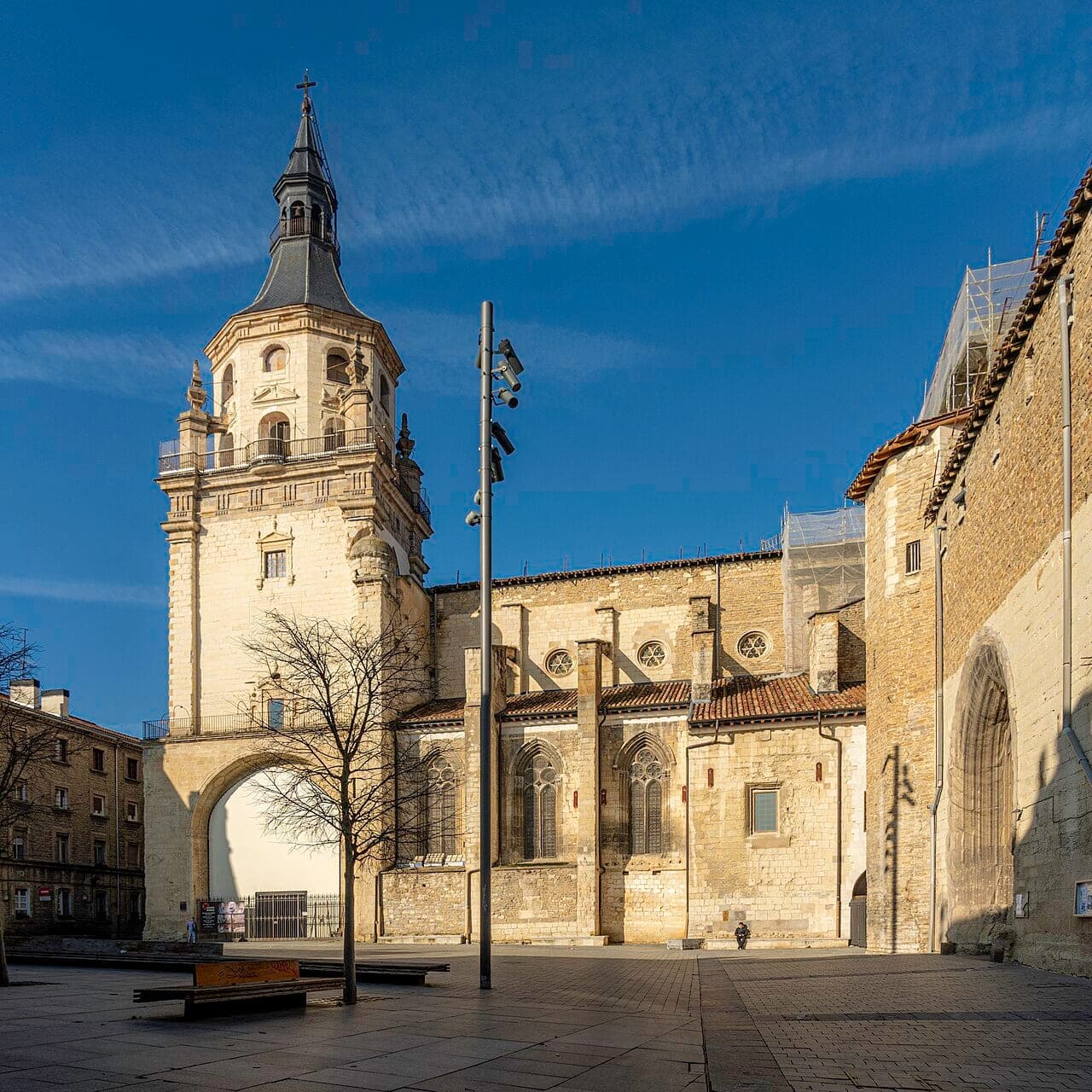
Old Cathedral of Vitoria
Vitoria's old cathedral, a Gothic church that has been a UNESCO World Heritage Site since 2015 as part of the Routes of Santiago de Compostela in Northern Spain.
 Cathedral
 of Our Lady of the Assumption, Valladolid
A Herrerian cathedral left half-built: Juan de Herrera's grand project in the heart of Valladolid, with Baroque additions and a story of thwarted ambition.
 Monastery
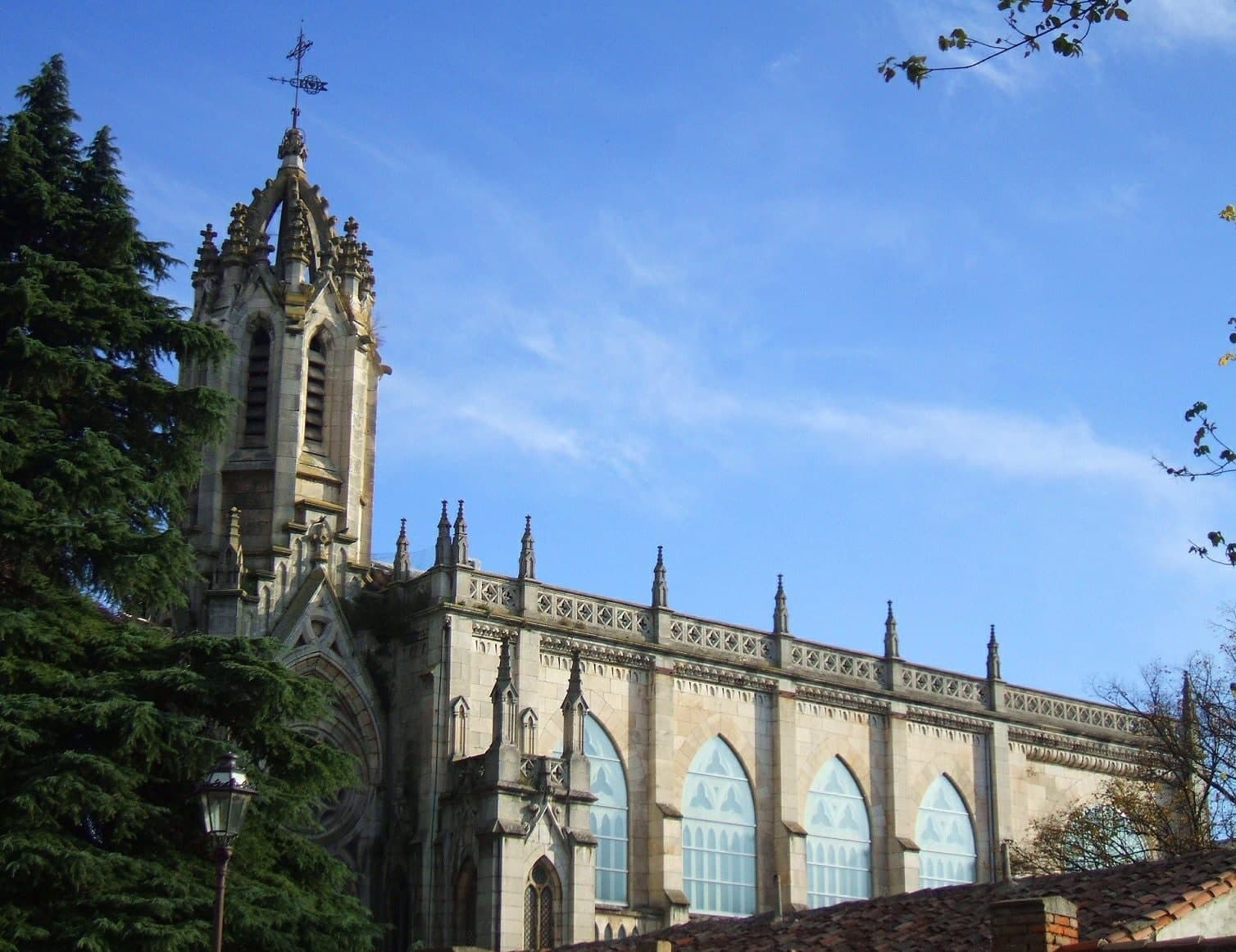
Salesian Monastery of Burgos
A convent of Salesian nuns on Calle Barrantes in Burgos, a quiet corner of cloistered life that invites you to discover the city's more secluded side.