
Trujillo Castle
Description
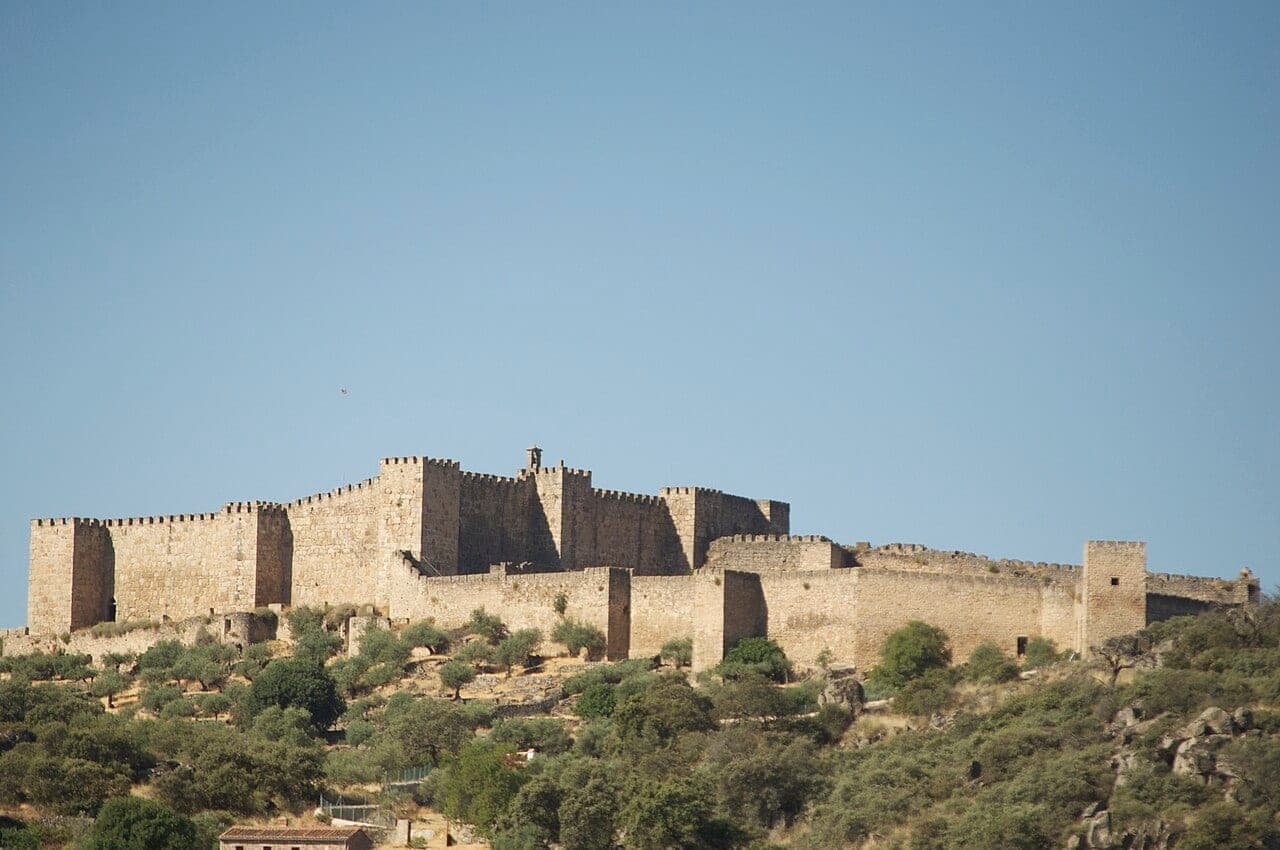
To understand Trujillo, it's best to start at the top. At the highest point of the town, on a hill that locals know by the evocative name of Cabeza del Zorro (the Fox's Head), stands its castle, the fortress that watched over the place for centuries and that remains, to this day, its most visible landmark from anywhere in the old town.
Its construction spanned a long period, from the 9th to the 12th century. It is not, therefore, the work of a single moment or a single hand, but the result of some three hundred years of building on the same hill. That slow evolution is part of its appeal: anyone walking its walls is looking at a fortress that grew and changed in step with a turbulent age, when controlling the high ground was a matter of survival.
The choice of site goes a long way towards explaining its character. Standing on the highest point in Trujillo made it possible to control the surrounding land and defend the population spread out below, and that same position is what turns the climb today into something more than a visit to a monument: it is the best way to understand how the town took shape around its hill.
It's well worth making the climb at a leisurely pace, letting the slope gradually reveal the relationship between the castle and the town it protected. Up at the Cabeza del Zorro, the fortress sums up in stone several centuries of history of this town in the province of Cáceres, and offers travellers the ideal starting point for discovering Trujillo.
Routes that include this monument
Community photos
Log in to upload your photos of this monument.
Best time to visit
Spring and autumn (April–June and September–October); summers are very hot.
Location
Similar monuments
 Castle
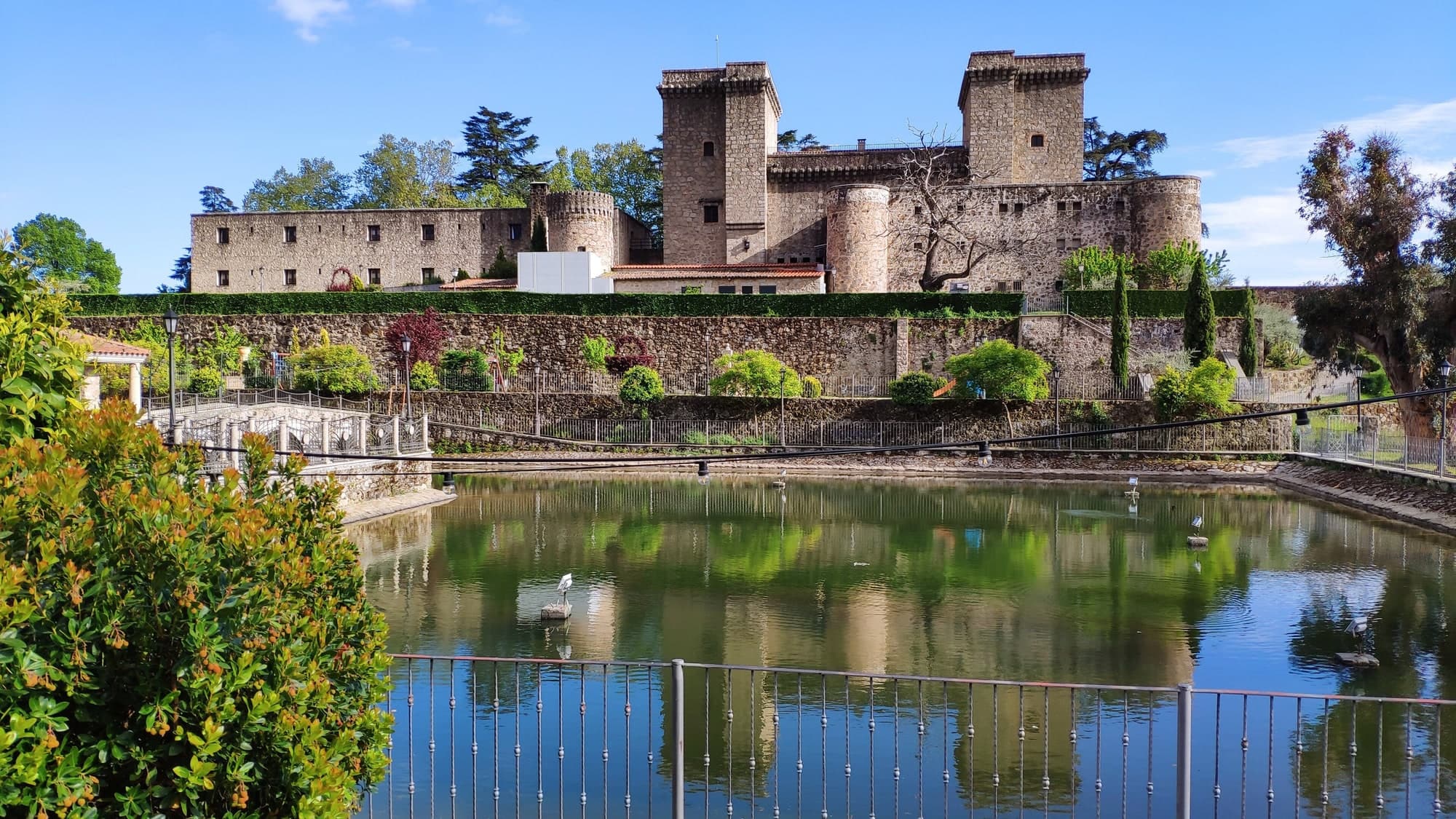
Jarandilla de la Vera Castle
A 13th-century fortress in Jarandilla de la Vera, also known as the castle-palace of the Counts of Oropesa or the Castle of Charles V: three names for a single story.
 Castle
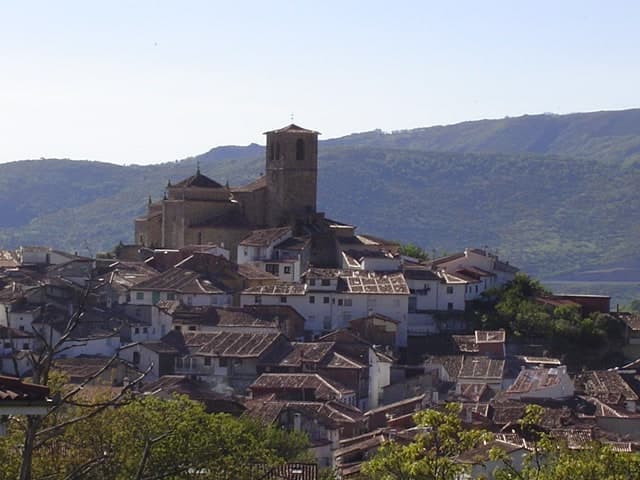
Hervás Castle
At the very top of Hervás, the foundations of a 13th-century castle now support the Church of Santa María de Aguas Vivas, with the Sierra de Gredos as a backdrop.
 Castle
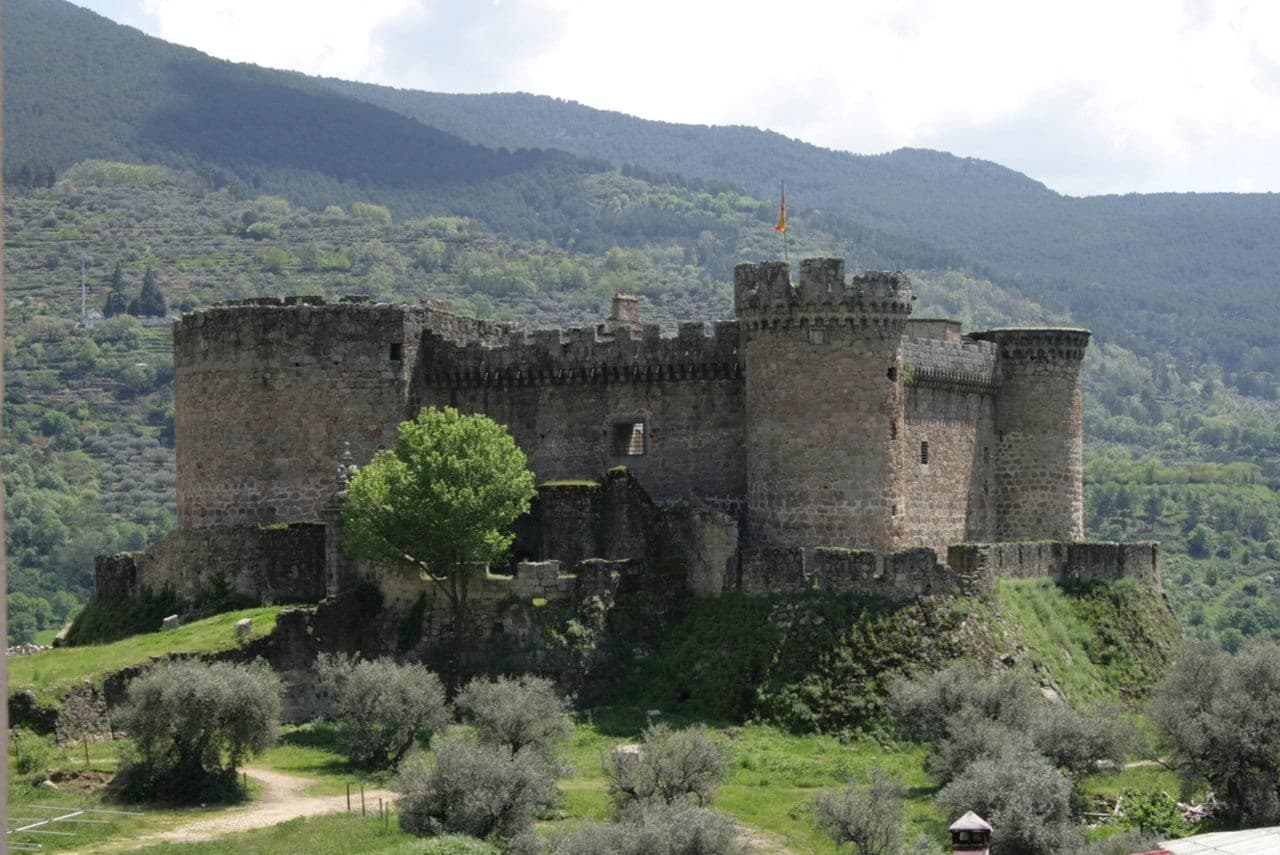
Mombeltrán Castle
A 15th-century fortress built by Beltrán de la Cueva above the Mombeltrán valley, featuring a barbican, corner towers and an elegant Renaissance doorway.
 Castle
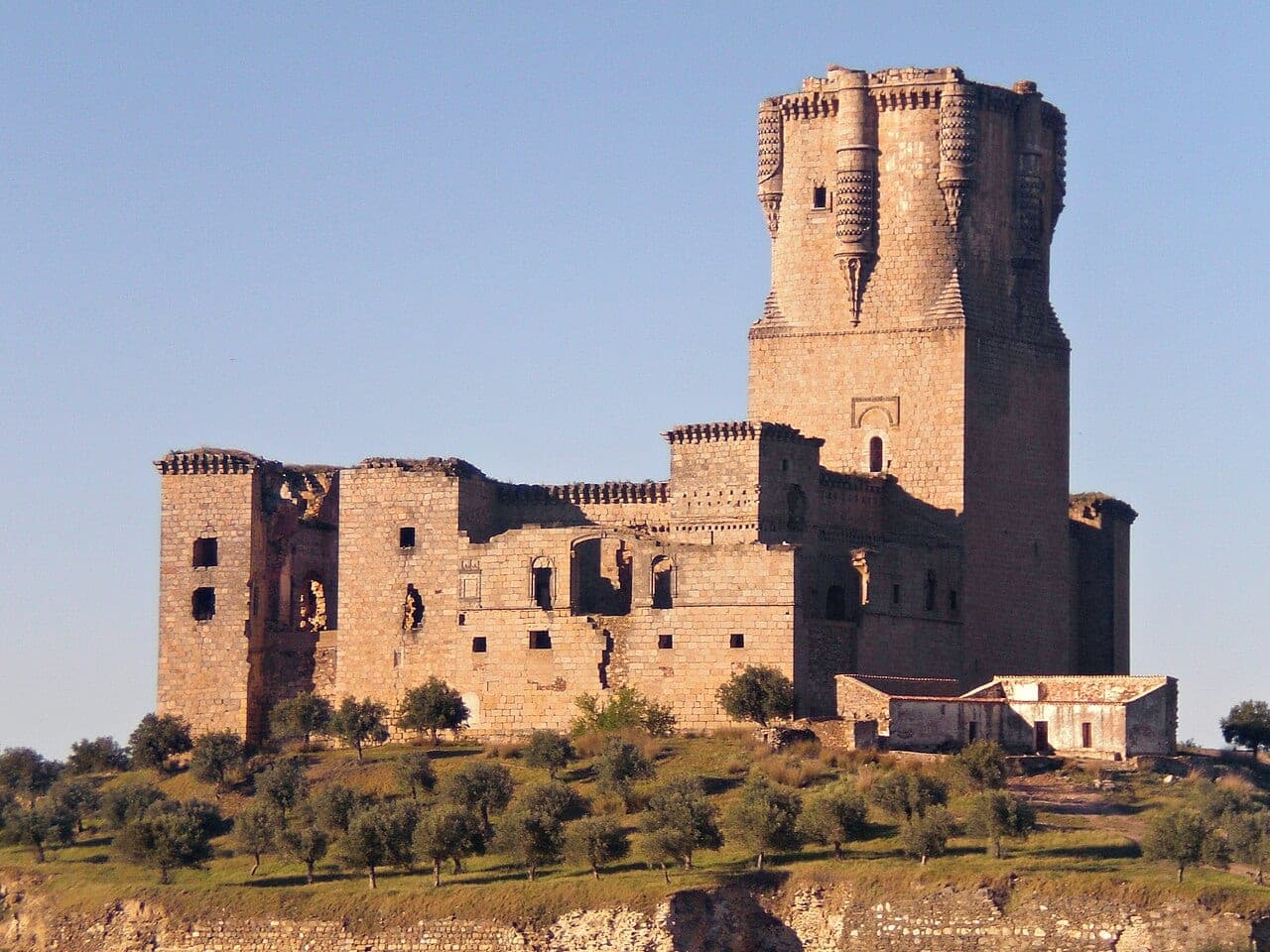
Belalcázar Castle
A 15th-century Gothic military fortress with a Renaissance palace and a 47-metre keep, the tallest of any castle on the Iberian Peninsula.