
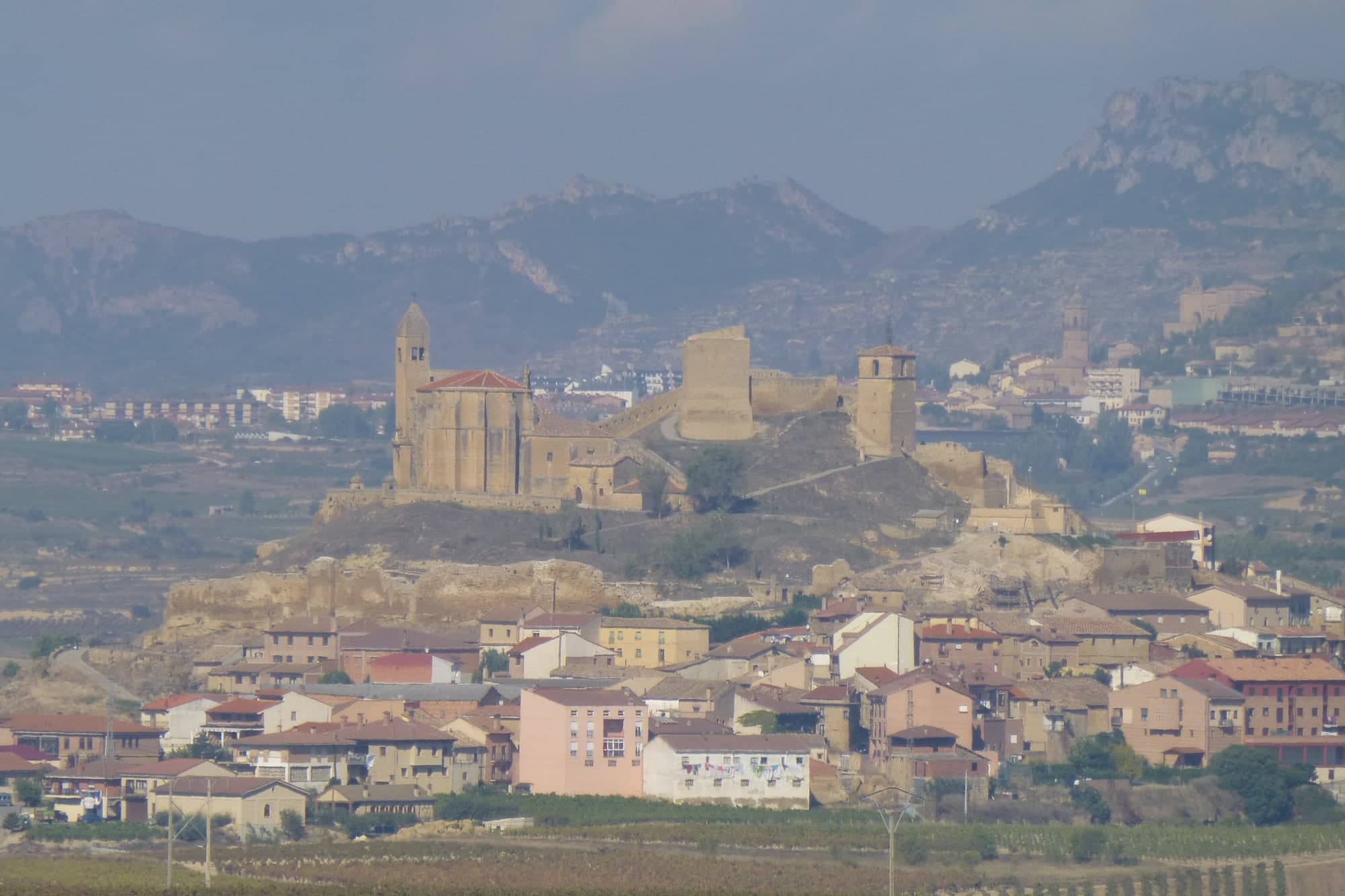

San Vicente de la Sonsierra Castle
Description
The first thing to do on arriving in San Vicente de la Sonsierra is to head uphill. At the very top of the village, on a hill overlooking the Ebro valley, stands its castle, and from its walls it is immediately clear why someone chose to fortify this particular spot: the river, the lands of La Rioja Alta and the far bank all lie in view, spread out at the visitor's feet like an unfolded map.
The fortress was built by the Kingdom of Navarre in the 12th century to protect its southern border against Castile. This was no ordinary stronghold: it formed part of the defensive line running from Laguardia to Labastida and went on to become the largest Navarrese fortress on the Ebro. You need only look across the river to spot its old rival, Davalillo Castle, which belonged to Castile. The two still face each other today, witnesses to a time when this valley was frontier land.
The castle is built of sandstone ashlar, sturdy and solid in its workmanship. That robustness, combined with its commanding position above the valley, must have made it a virtually impregnable stronghold, and even today it conveys a sense of quiet strength.
The visit is not limited to the fortress itself. The castle forms part of a walled precinct that brings together other buildings well worth a look: the so-called clock tower, the hermitage of San Juan de Arriba and the parish church of Santa María la Mayor. Exploring this ensemble gives a good idea of the historic heart of the village, where the military and the religious sit side by side at the top of the hill.
The castle is protected as part of Spain's Historical Heritage, a well-deserved recognition for a place that sums up much of the history of the Riojan Sonsierra.
Routes that include this monument
Community photos
Log in to upload your photos of this monument.
Best time to visit
Spring and autumn (April–June and September–October).
Location
Similar monuments
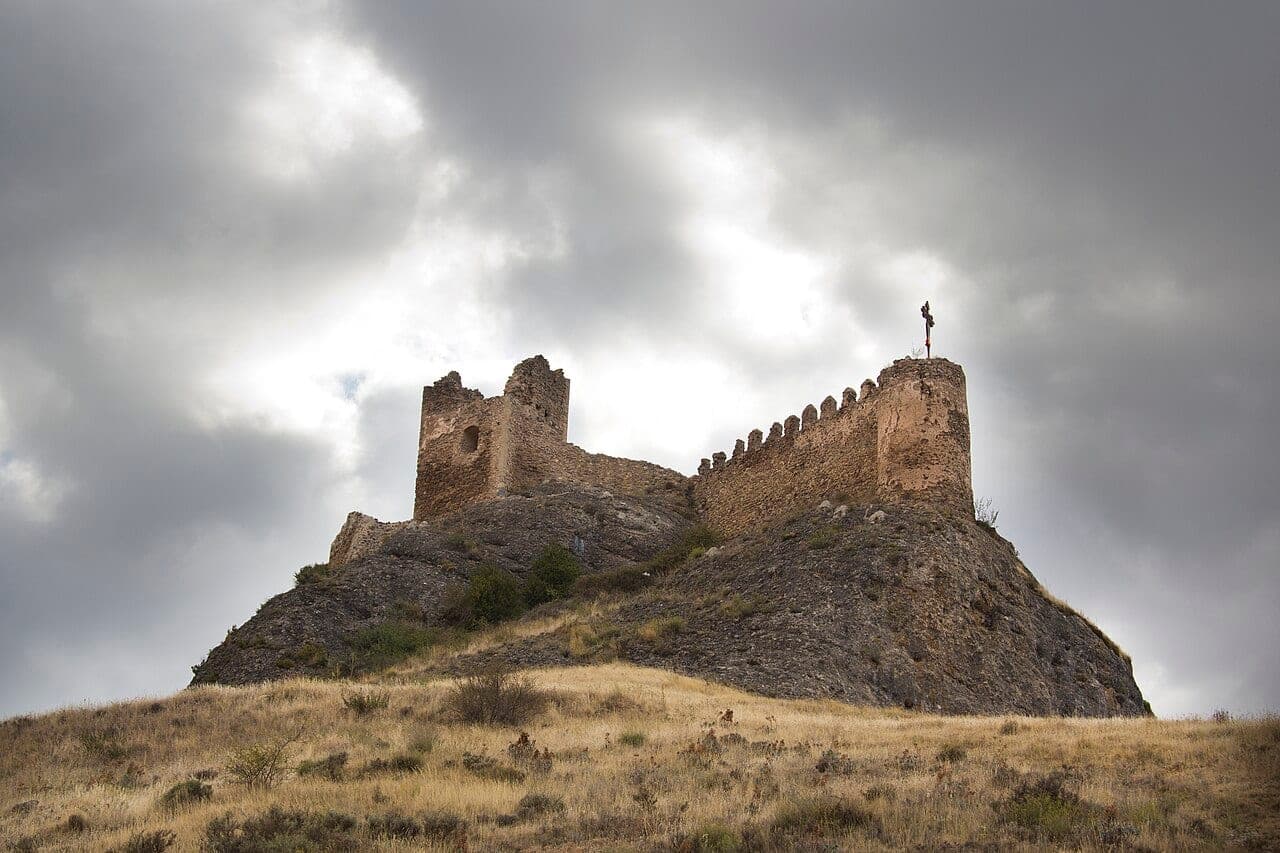 Castle
Clavijo Castle
An 11th-century fortress perched on a rocky escarpment above Clavijo, linked to the legendary battle in which, according to tradition, the Apostle St James appeared.
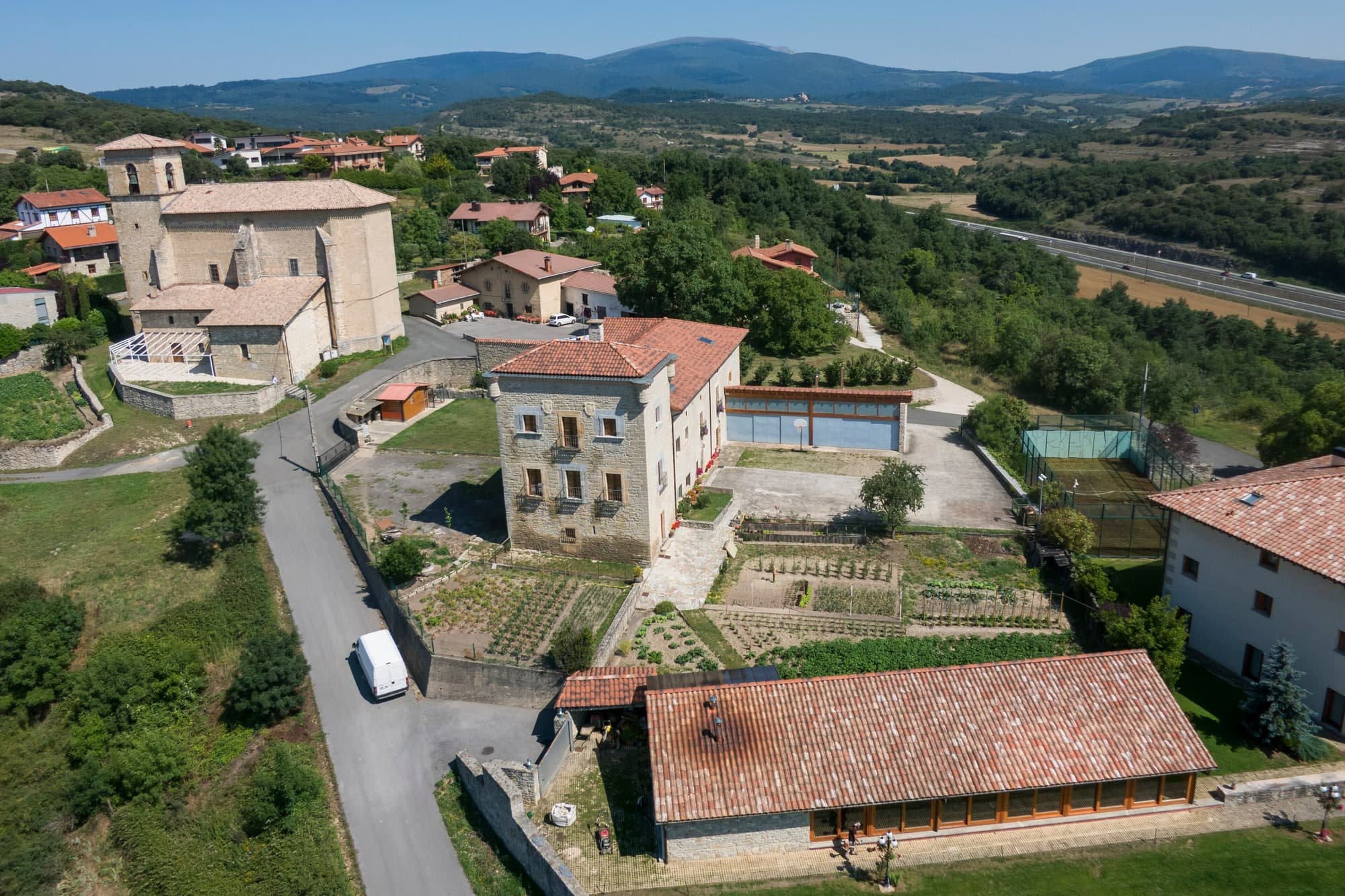 Castle
Letona Tower
In the Álava hamlet of Letona, a prestige tower from the late 16th or early 17th century which, together with the palace of the López de Letona family, speaks more of lineage than of warfare.
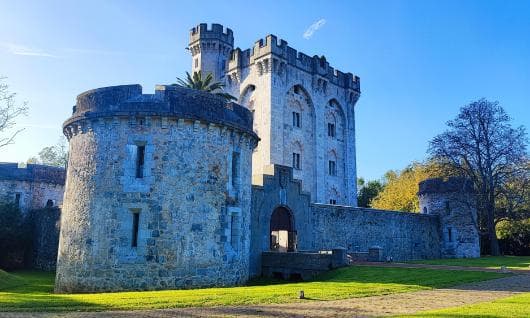 Castle
Arteaga Castle
A French-style Neo-Gothic castle in the heart of the Urdaibai estuary, built at the behest of Eugénie de Montijo for an imperial family that never came to live in it.
 Castle
Butrón Castle
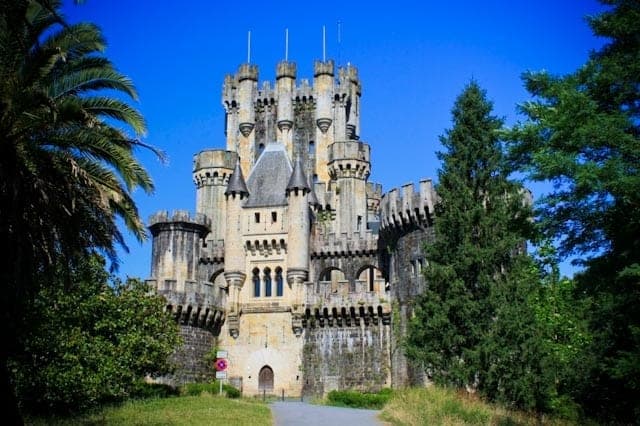
A Neo-Gothic fortress of medieval origin rising at the heart of a wooded estate in Gatica, a secluded spot that is nonetheless close to Bilbao.