
Manzanares el Real Castle
Description
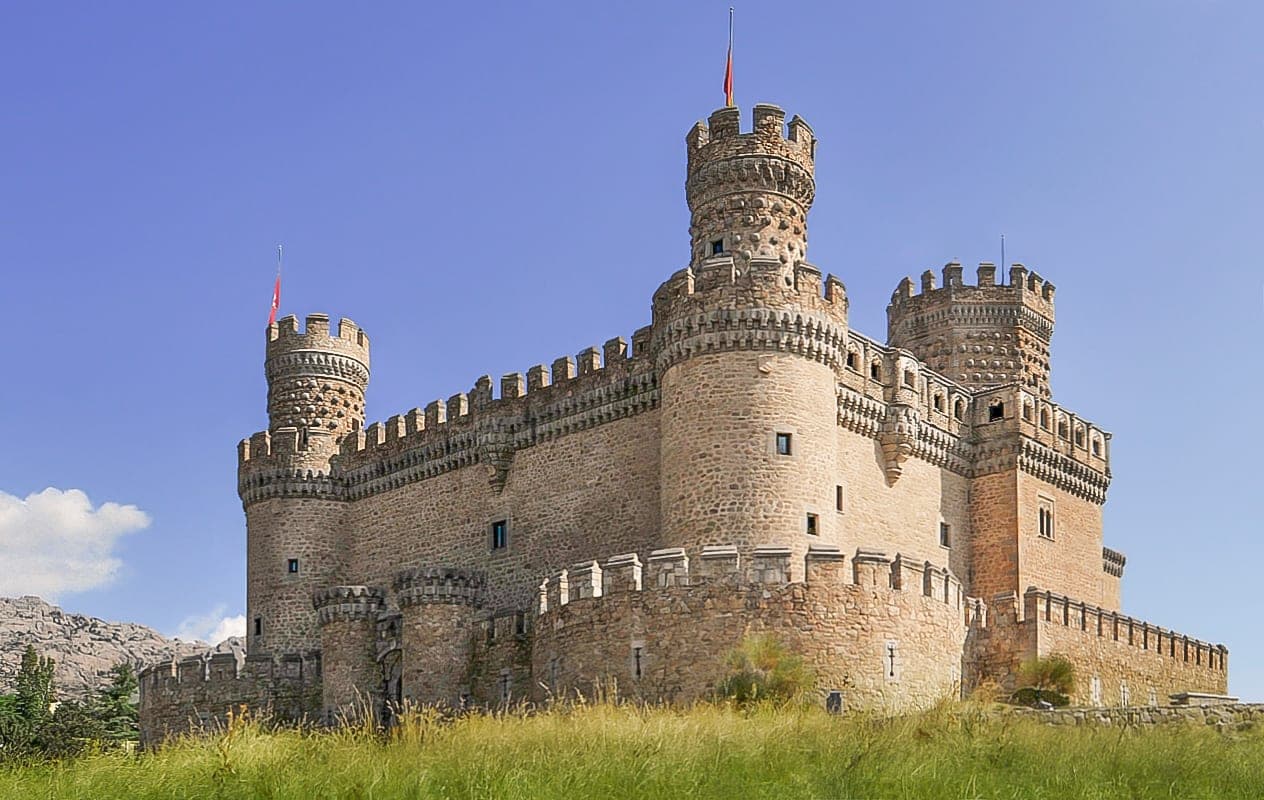
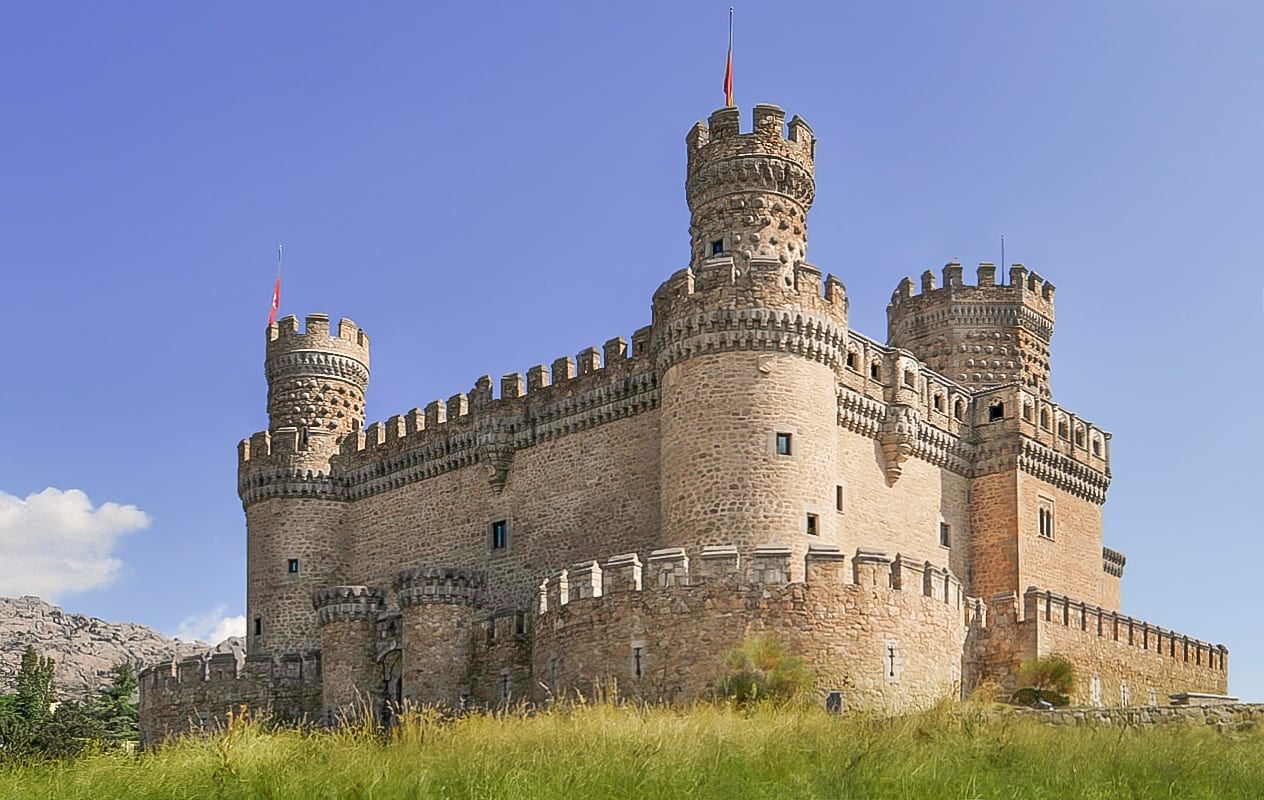
Few Castilian scenes are as perfectly composed as this castle silhouetted against the Sierra de Guadarrama, beside the River Manzanares, which along this stretch slows and pools into the waters of the Santillana reservoir. Also known as the Mendoza Castle or the New Castle, it is one of those buildings that seem to have stepped straight out of a chivalric romance and which, thanks to successive restorations, has come down to us in an excellent state of preservation.
Its story begins in the 15th century, when the House of Mendoza, one of the most powerful lineages in Castile between the late Middle Ages and the Renaissance, decided to build its palatial residence here. They were not starting from scratch: the family already owned an earlier castle at a nearby site, and the new building rose over a Romanesque-Mudéjar church that was incorporated into the structure itself, a curious detail worth bearing in mind as you explore it.
Rather than a conventional fortress, it is a palace with a martial appearance. Juan Guas was involved in its construction, employing an Isabelline Gothic idiom sprinkled with Hispano-Islamic influences. The same architect would later design the Palacio del Infantado in Guadalajara, where he established the model for palaces during the reign of the Catholic Monarchs; hence Manzanares is regarded as its direct precursor and a key piece for understanding that architecture.
Declared a Historic-Artistic Monument in 1931, it belongs to the Duchy of the Infantado. For years it was managed by the Community of Madrid, which opened its doors to visitors and housed an interpretation centre on the medieval world, alongside a collection of tapestries, paintings, armour and furniture from the 16th to the 19th centuries. That period came to an end in January 2025 and the interior has been closed to the public, so it is worth checking before you go. Even so, simply admiring it from outside, with the mountains behind and the water at its feet, makes the trip worthwhile.
Routes that include this monument
Community photos
Log in to upload your photos of this monument.
Best time to visit
Spring and autumn (April–June and September–October), as summers are hot and winters cold.
Location
Similar monuments
 Castle
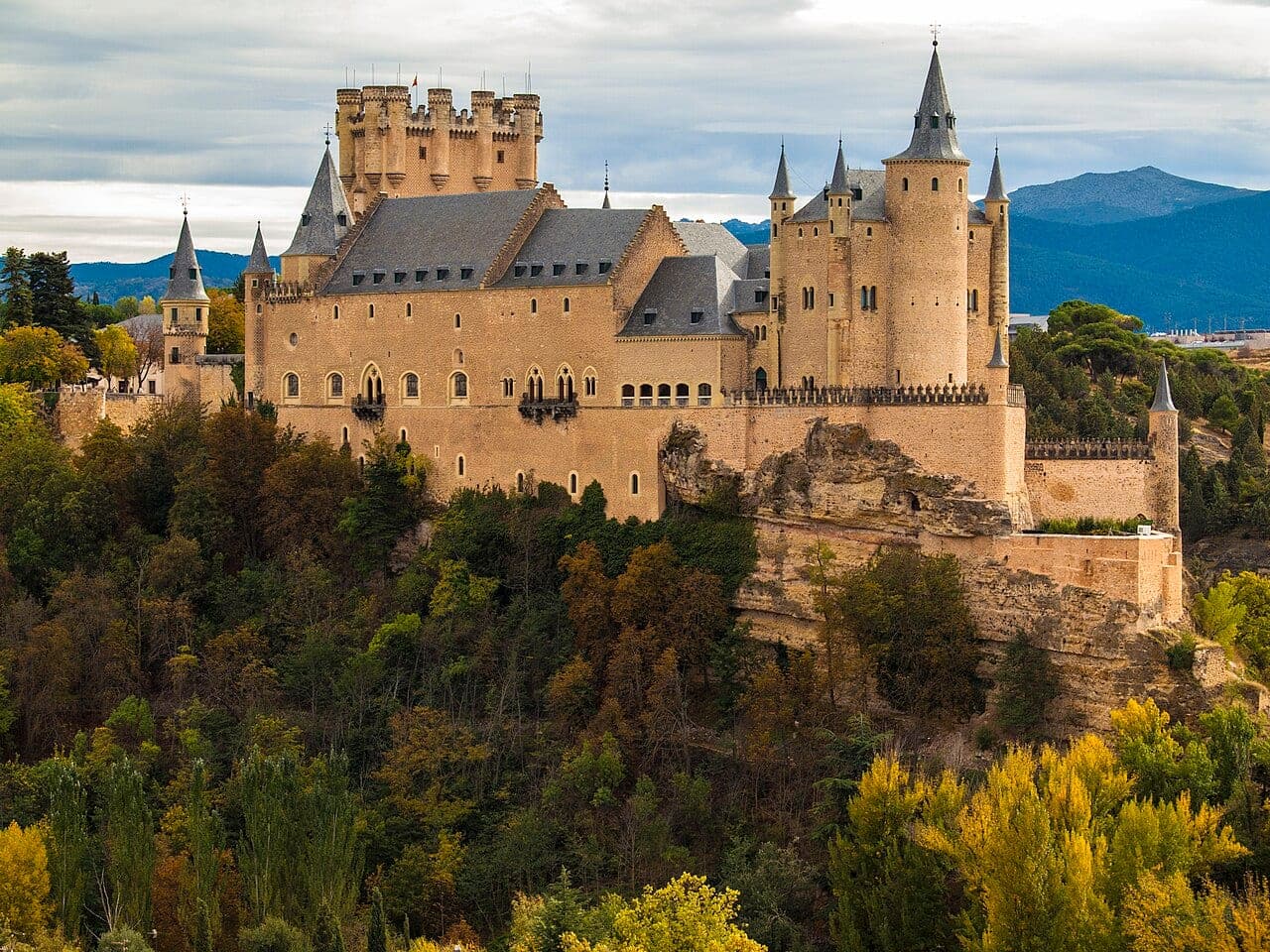
Alcázar of Segovia
Jutting out like a ship's prow over the Eresma valley, the Alcázar of Segovia was a royal residence for centuries and is one of the most famous medieval castles in the world.
 Castle
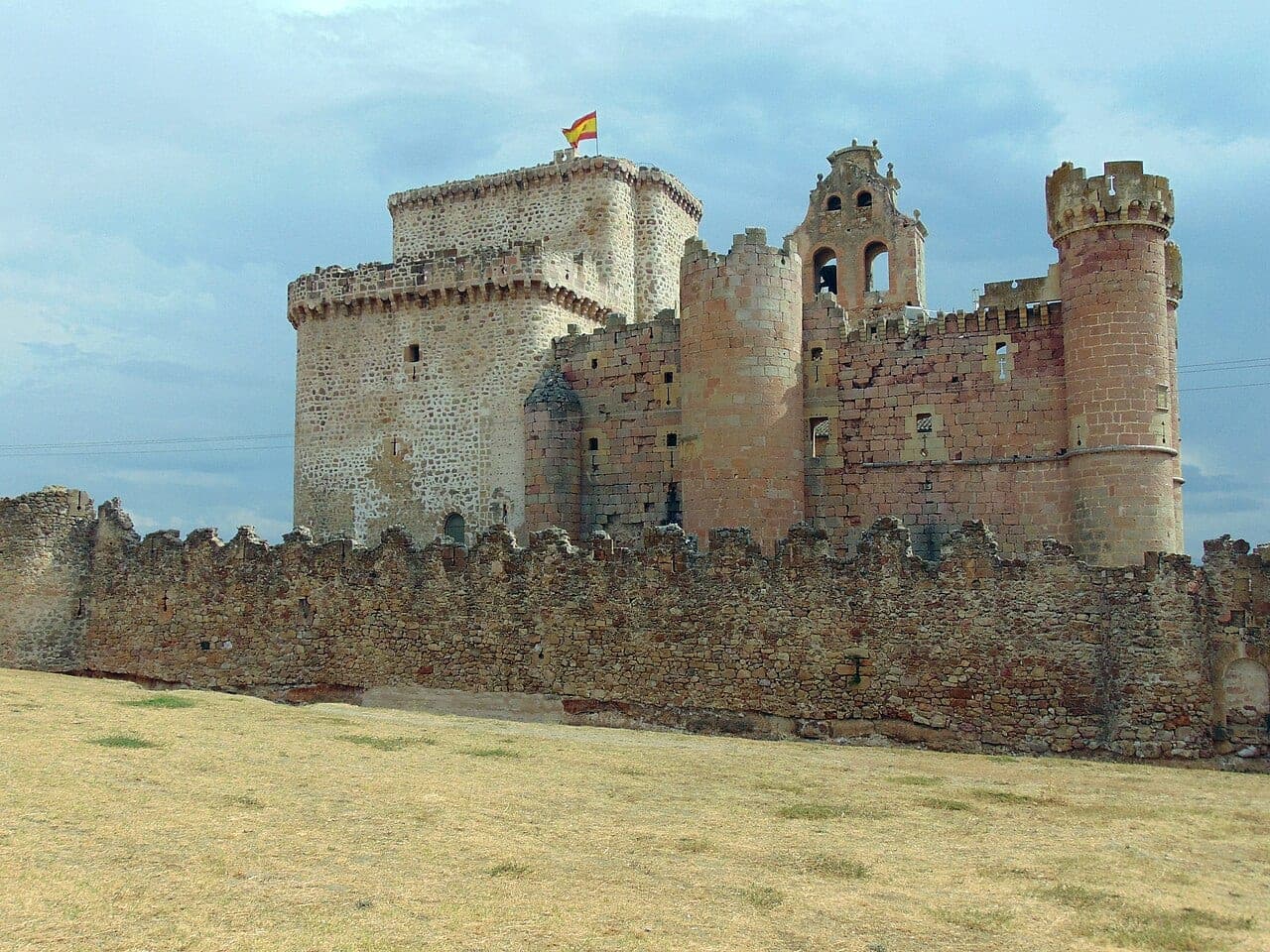
Turégano Castle
A 12th-century fortress crowning a promontory above the Segovian town of Turégano, the town's emblem and a National Monument since 1931.
 Castle
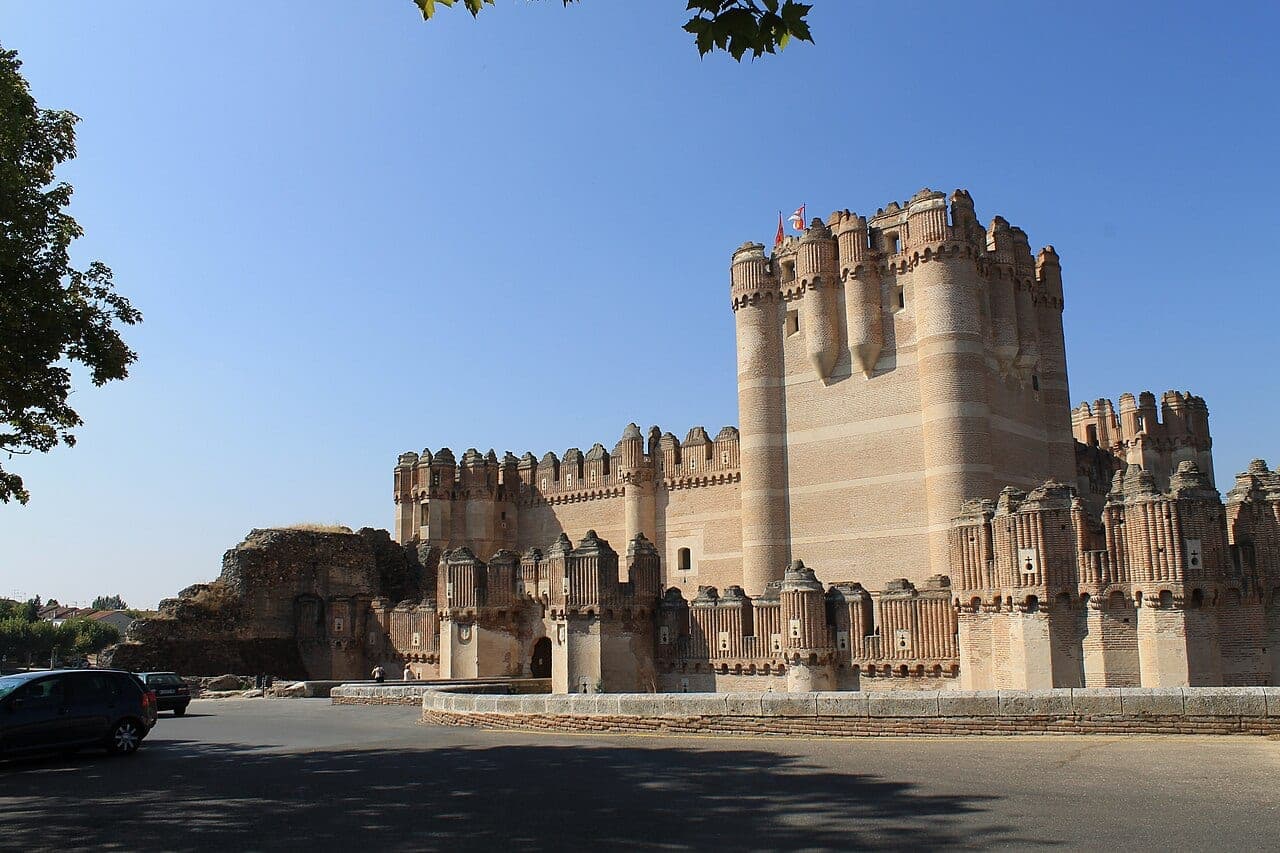
Coca Castle
A jewel of Gothic-Mudéjar architecture built in the 15th century, Coca Castle is a fortress so admired that it has replicas in Olmedo and even in Austria.
 Castle
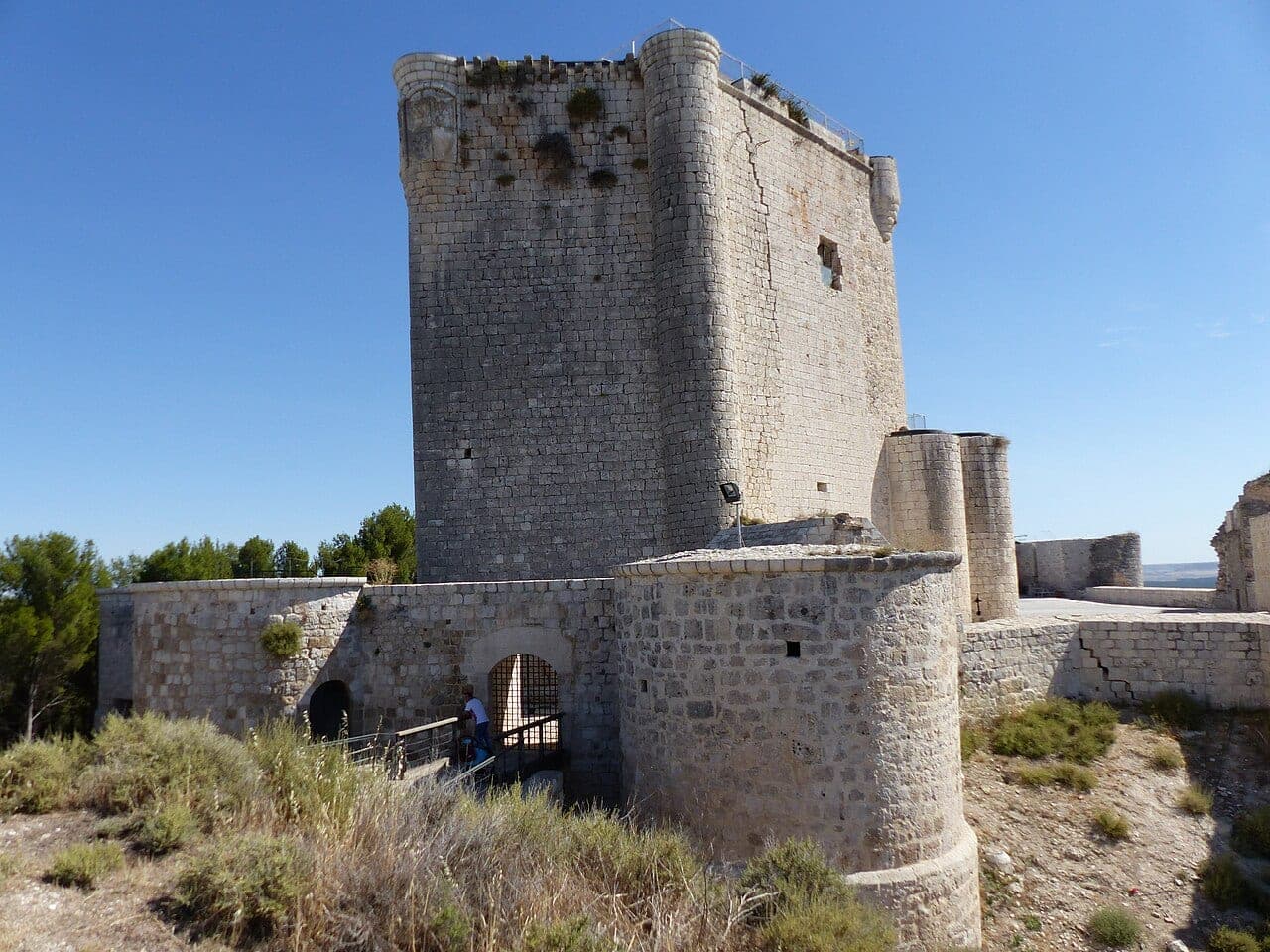
Íscar Castle
Íscar Castle, in the province of Valladolid, is a fine excuse to discover this corner of Castile and León by following the trail of its fortress.