
Alcázar of Segovia
Description
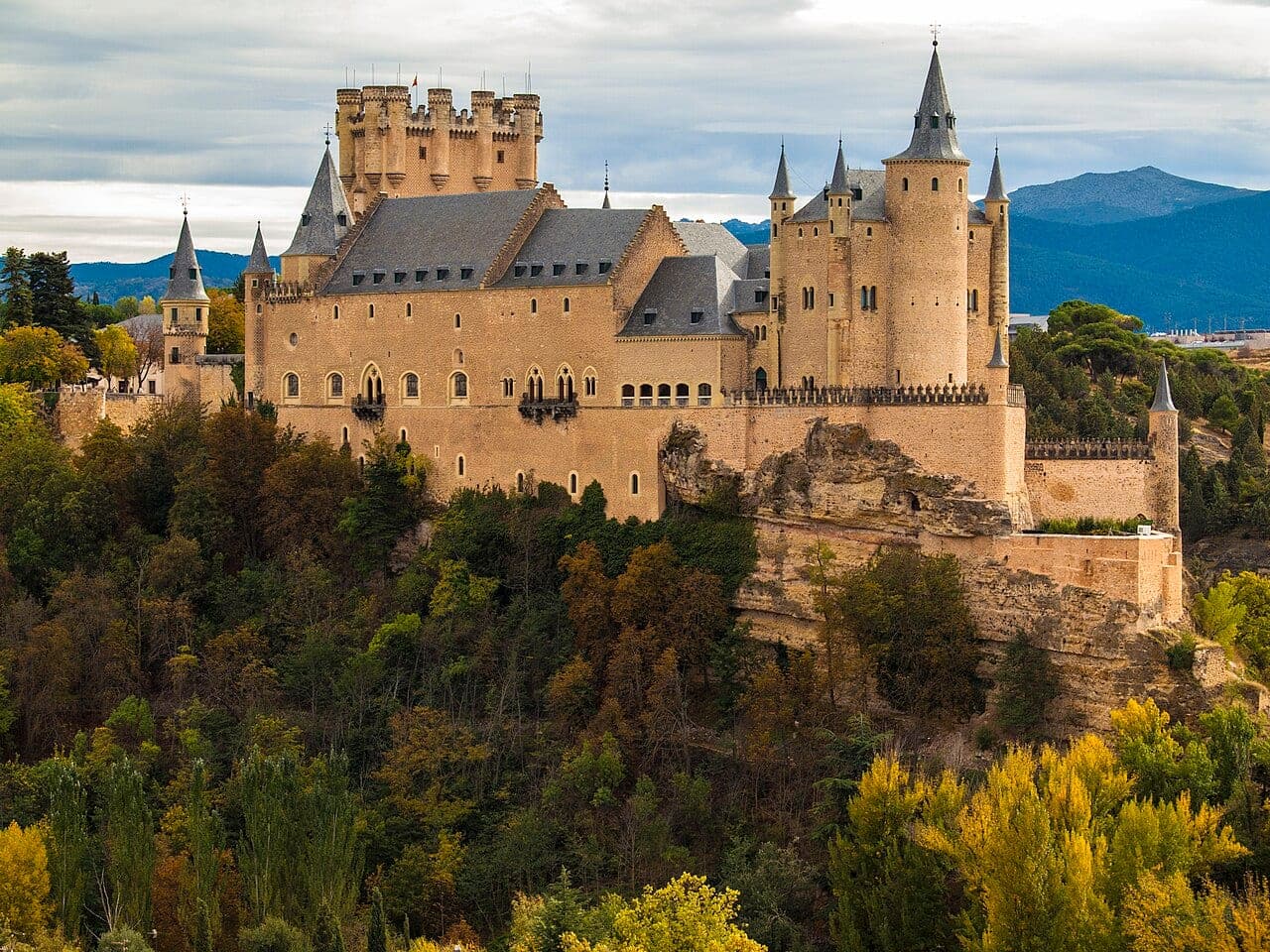
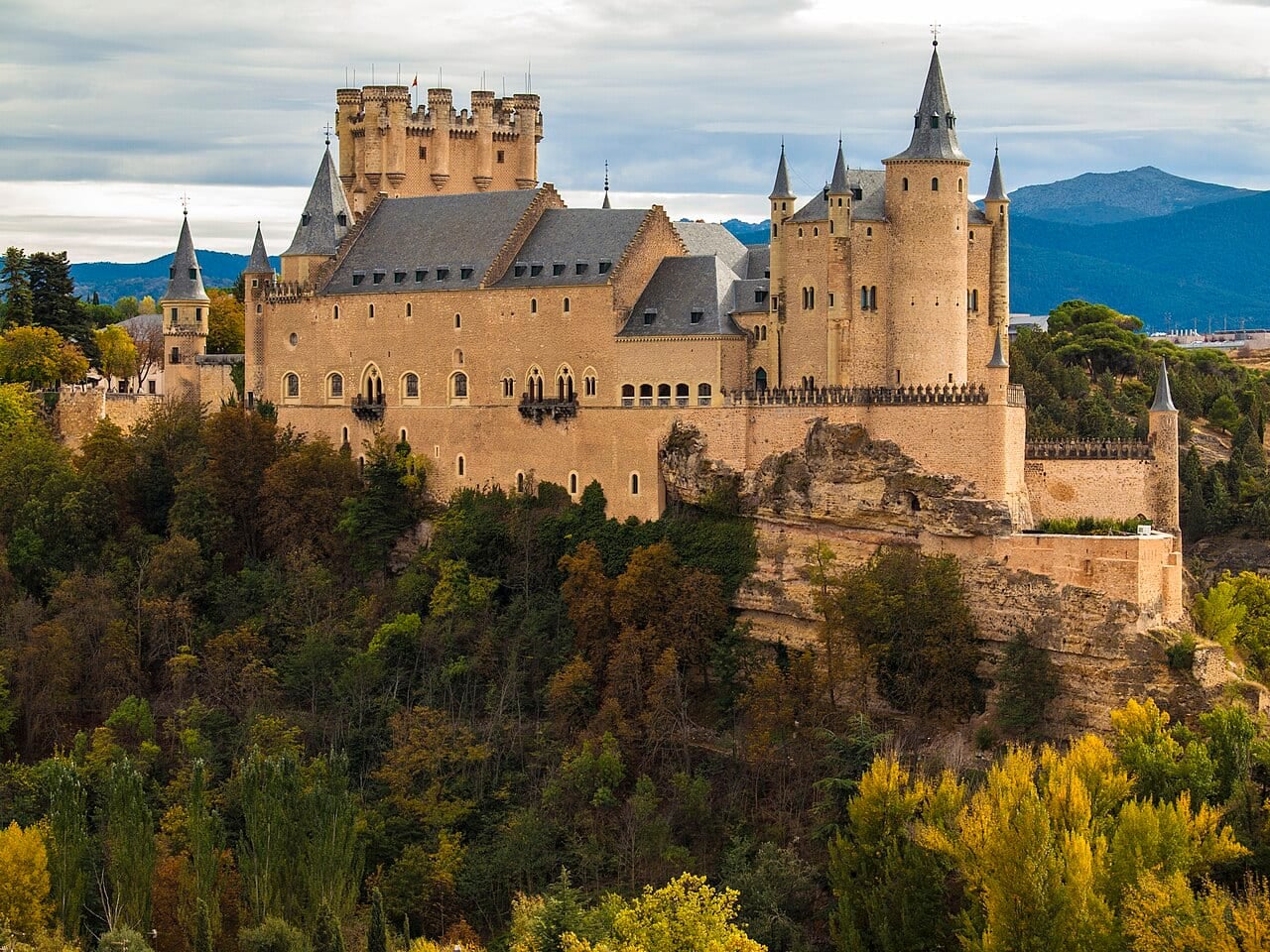
Few silhouettes are as instantly recognisable as that of the Alcázar of Segovia, which rises above the Eresma valley with its slender towers and slate spires. Those pointed roofs, commissioned by Philip II, lend it a Central European air that is unusual in the Iberian Peninsula, and its outline was so evocative that it inspired Walt Disney's castle in Snow White and the Seven Dwarfs (1937). Years later, Orson Welles chose it as a setting for Chimes at Midnight (1965). It is also the emblem of the Old Town of Segovia, a UNESCO World Heritage Site since 1985.
Beneath this fairytale image lies almost a thousand years of history. Its foundations appear to date back to an ancient Roman fort, and reused funerary stelae can still be made out at the base of the walls. Its true story, however, begins with the Reconquista: as early as 1135, in the time of Alfonso VII the Emperor, it was already known as an alcázar, and the Castilian royal family had its quarters here, the so-called «Palacio Mayor», long before Tordesillas or Seville.
For more than five centuries it was one of the regular residences of the kings of Castile, and 31 monarchs from every dynasty have passed through its rooms. Few European fortresses, perhaps only Windsor, can boast such a continuous royal presence. Its walls witnessed battles, court intrigues and royal weddings, and the Keep housed the Crown treasury, which provided funds for Christopher Columbus's first voyage.
The Alcázar also served as a state prison, the seat of the royal armoury, an artillery college and an archive: in 1437 the books of the royal administration were brought here, the seed of the future Simancas archive. Small wonder that Fernando Chueca Goitia described it as «the prow of Castile and the ancestral seat of its monarchy», or that in 1916 an artillery colonel saw in it the perfect model of the castles sung of by the troubadours.
Routes that include this monument
Community photos
Log in to upload your photos of this monument.
Best time to visit
Spring and autumn (April–June and September–October), with mild summers and cold winters.
Location
Similar monuments
 Castle
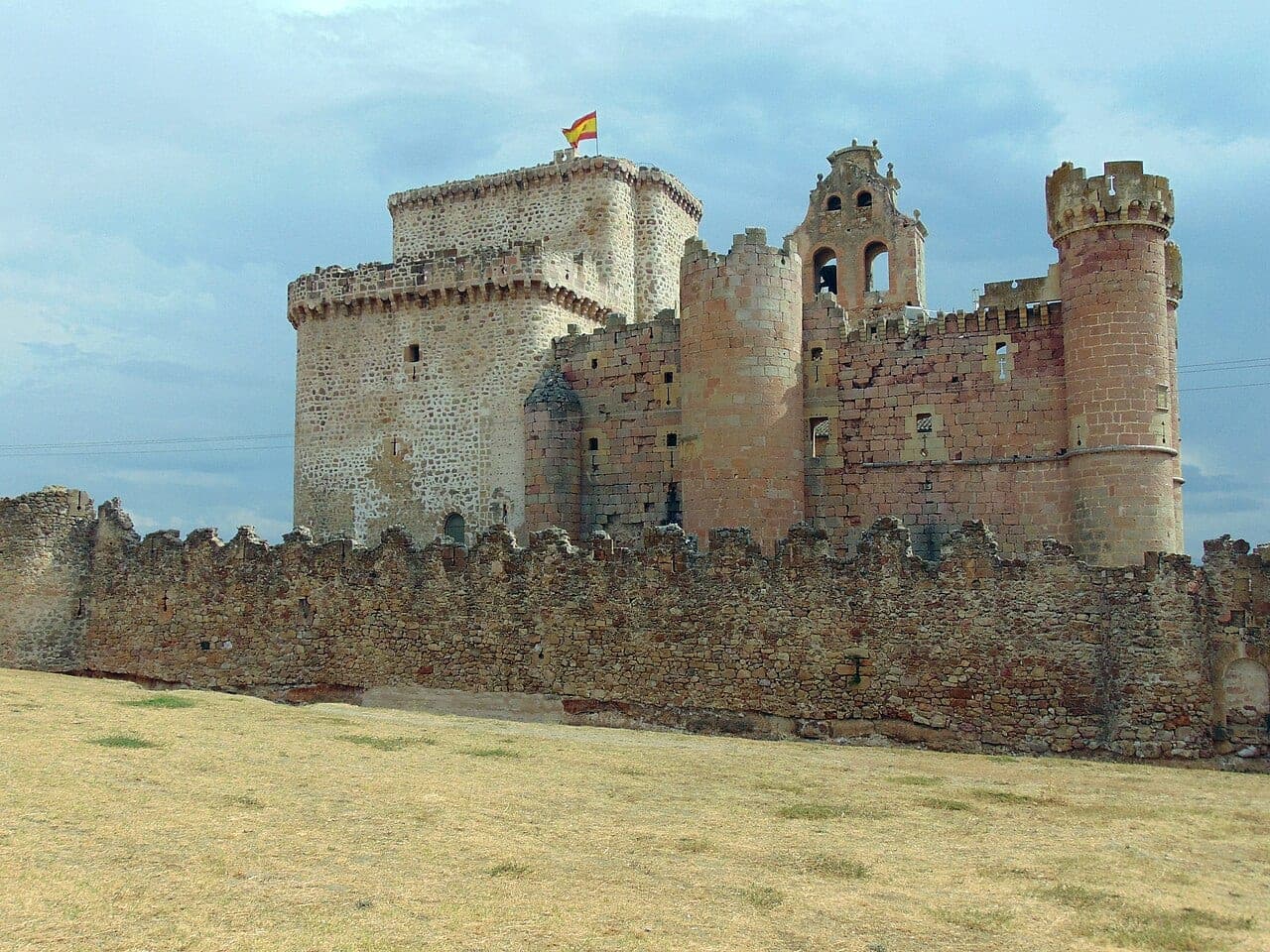
Turégano Castle
A 12th-century fortress crowning a promontory above the Segovian town of Turégano, the town's emblem and a National Monument since 1931.
 Castle
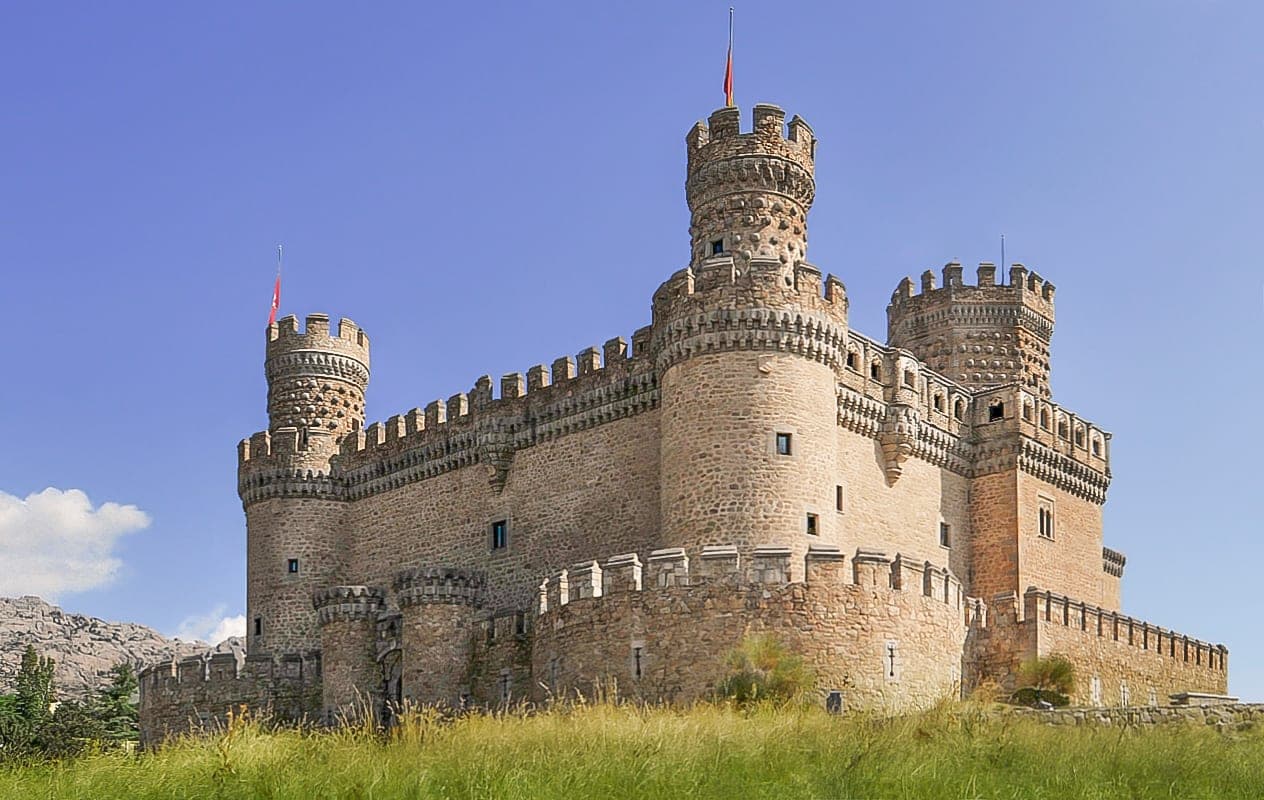
Manzanares el Real Castle
A 15th-century palace-fortress built by the Mendoza family at the foot of the Guadarrama, a Gothic gem by Juan Guas overlooking the Santillana reservoir.
 Castle
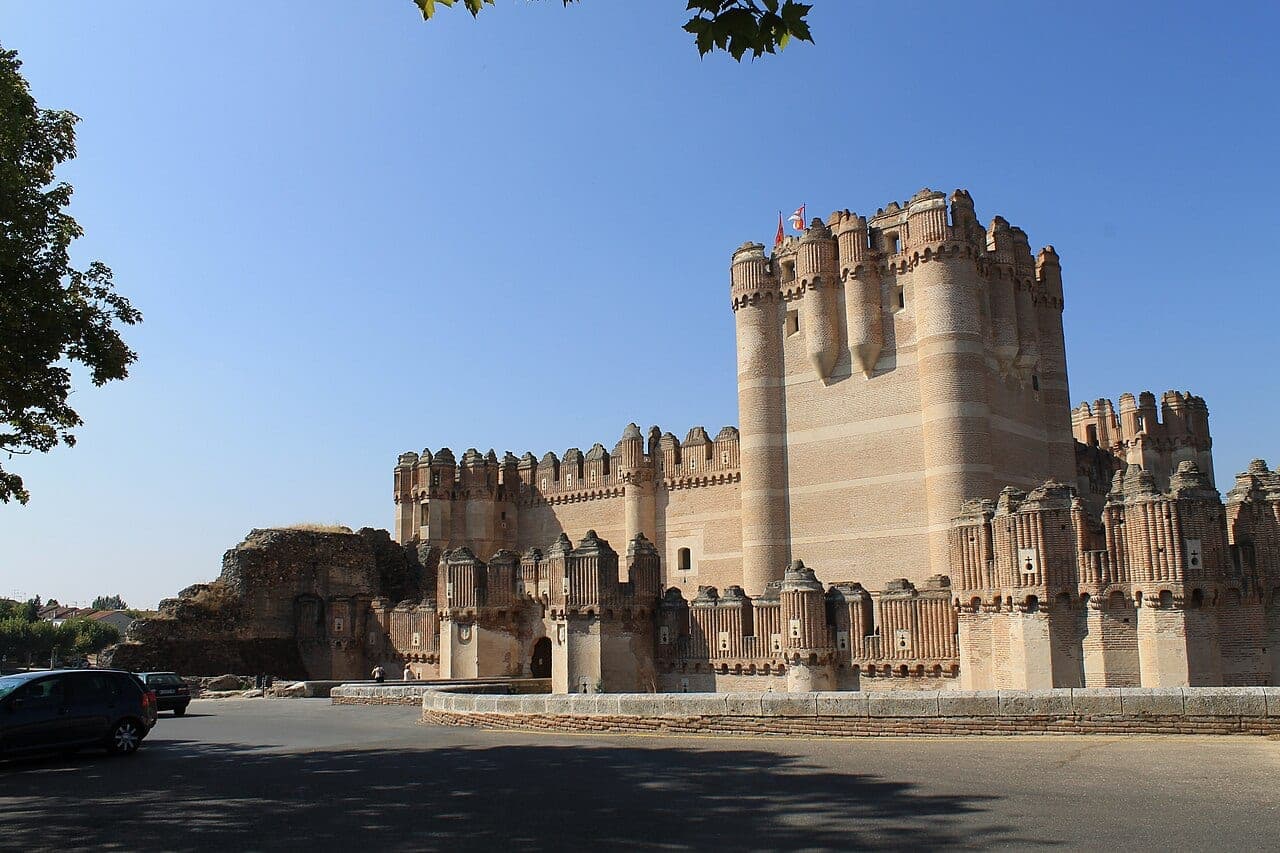
Coca Castle
A jewel of Gothic-Mudéjar architecture built in the 15th century, Coca Castle is a fortress so admired that it has replicas in Olmedo and even in Austria.
 Castle
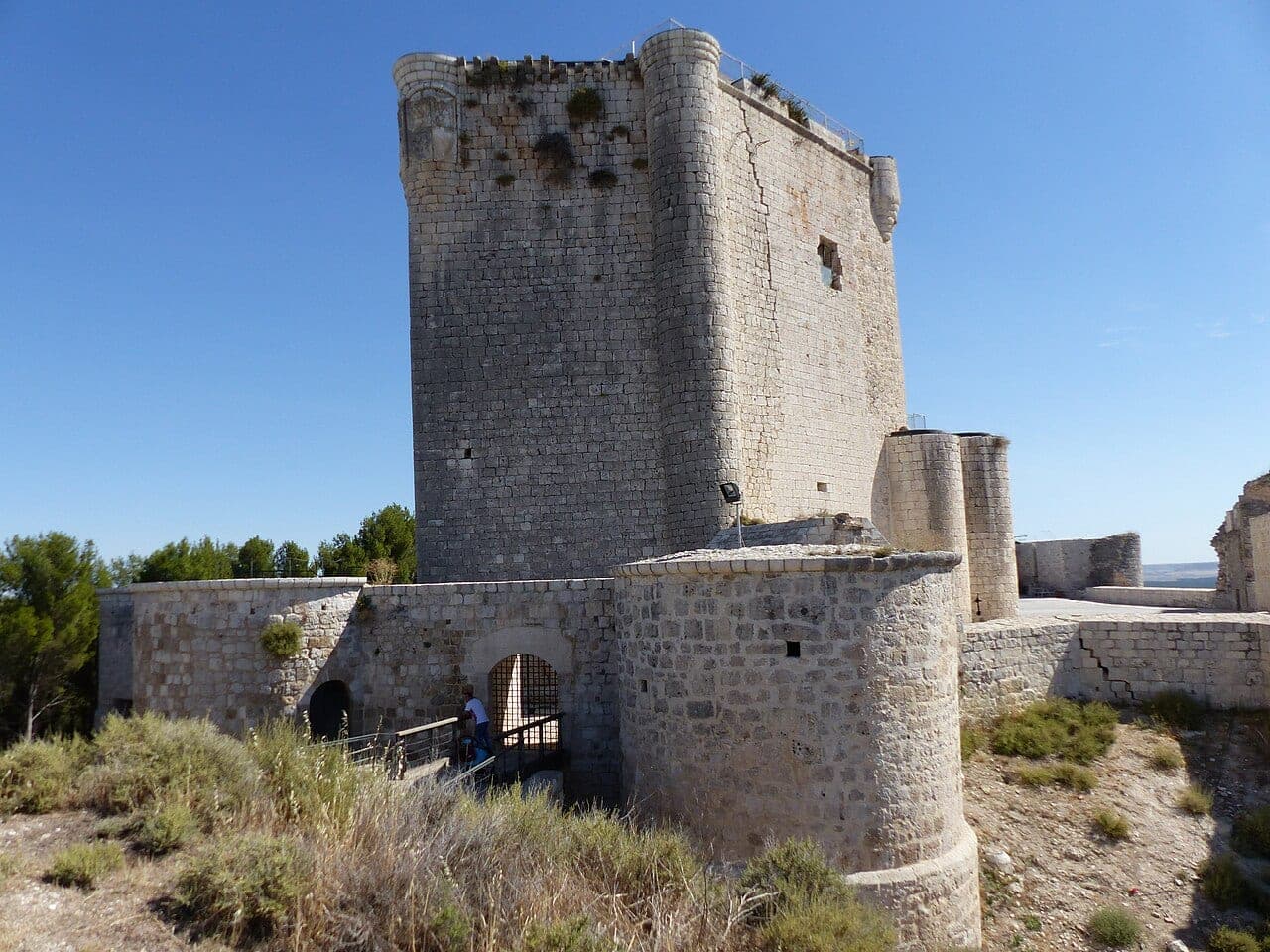
Íscar Castle
Íscar Castle, in the province of Valladolid, is a fine excuse to discover this corner of Castile and León by following the trail of its fortress.