
Royal Collegiate Church of San Isidoro, León
Description
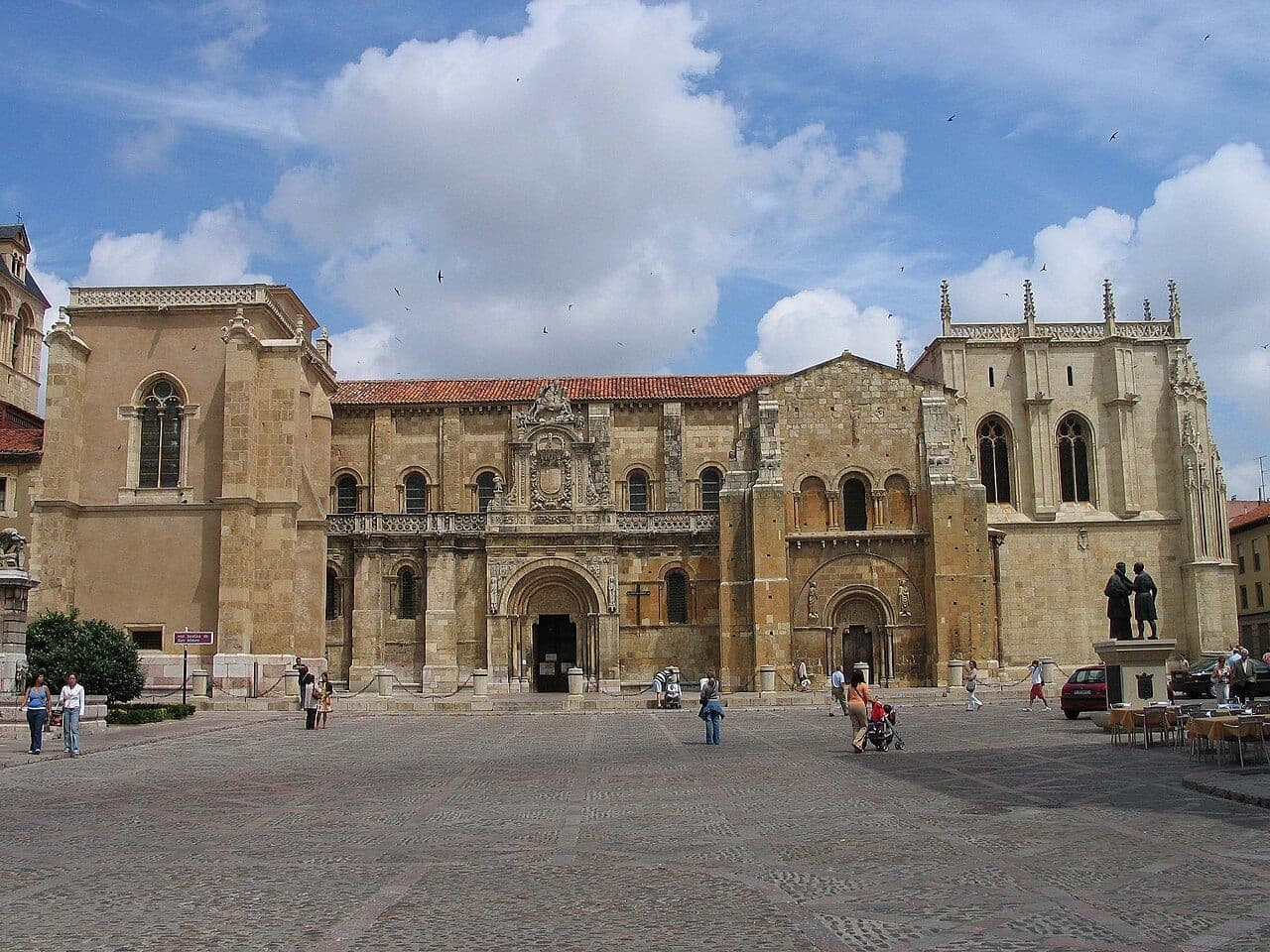
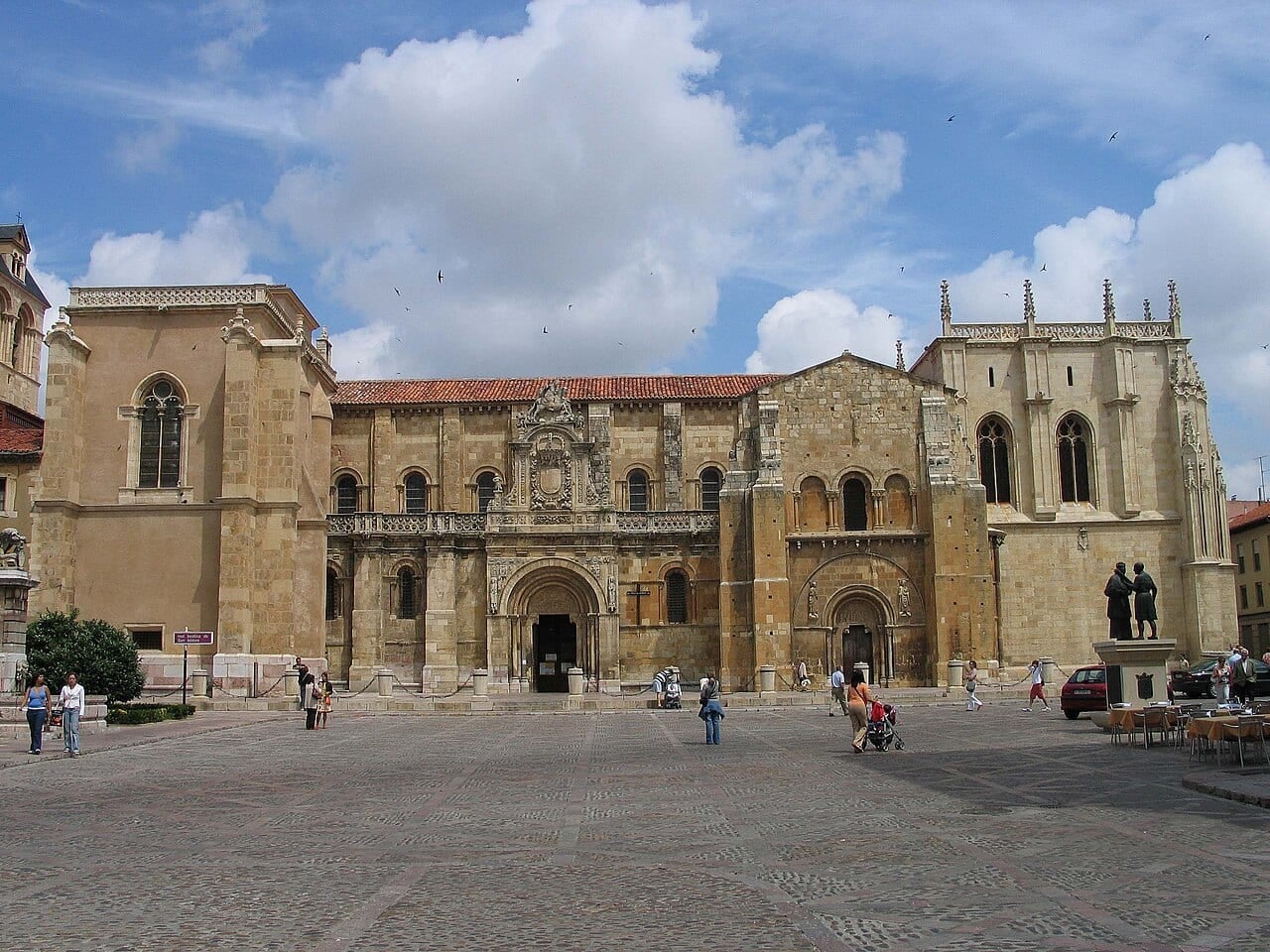
Few places offer such an intense glimpse into the Romanesque as the Royal Collegiate Church of San Isidoro, right in the heart of León. Its greatest treasure lies at the west end of the church: the Royal Pantheon, a space that preserves Romanesque mural painting and original capitals, and is therefore considered a unique piece in the Romanesque world of its time. It is well worth an unhurried visit, because here architecture, sculpture and colour come together as in very few other places.
The complex, built and enlarged over the course of the 11th and 12th centuries, ranks among the most outstanding examples of Romanesque in Spain, not only for its history and fabric but also for the luxury objects from the period that have survived to the present day. Before becoming what we see today it was a monastery dedicated to San Pelayo, and it is believed that a Roman temple may even have stood beneath its foundations.
The change of name came with the transfer to León of the remains of Saint Isidore, Bishop of Seville, known as the Doctor of the Spains. Since then the church has borne his dedication, forever linked to the memory of the Sevillian scholar.
As you walk around the outside, it is worth paying attention to the doorways. On the south façade are the Puerta del Cordero (Lamb Door) and the Puerta del Perdón (Door of Forgiveness), and to the north the so-called Puerta Capitular (Chapter Door). Together with the Pantheon, they are the earliest expressions of Romanesque art in the León region. A few traces of the original building commissioned by Ferdinand I and Sancha still survive in the church, although over time Gothic, Renaissance and Baroque alterations and additions accumulated, and these now sit alongside the original work.
Its value was officially recognised very early on: since 9 February 1910 it has been designated a Historic-Artistic Monument, a title any visitor understands the moment they step through its doors.
Routes that include this monument
Community photos
Log in to upload your photos of this monument.
Best time to visit
Spring and autumn (April–June and September–October), with mild summers and cold winters.
Location
Similar monuments
 Church
 of Santiago Apóstol
The Church of Santiago Apóstol in Calzada de los Molinos, Palencia, is a simple, authentic stop for anyone exploring the villages of Castile at an unhurried pace.
 Church
 of Santa María (Paredes de Nava)
A 15th-century church built on the site of a former synagogue in Paredes de Nava, dedicated to Our Lady of Cantomenudo and renovated in the 17th century by the Balbuena family.
 Church
Basilica of Covadonga
A Neo-Romanesque church of pink limestone in Covadonga, built between 1877 and 1901 and raised to the rank of minor basilica in the same year it was completed.
 Church
 of Jesús de Nazareno (Cudillero)
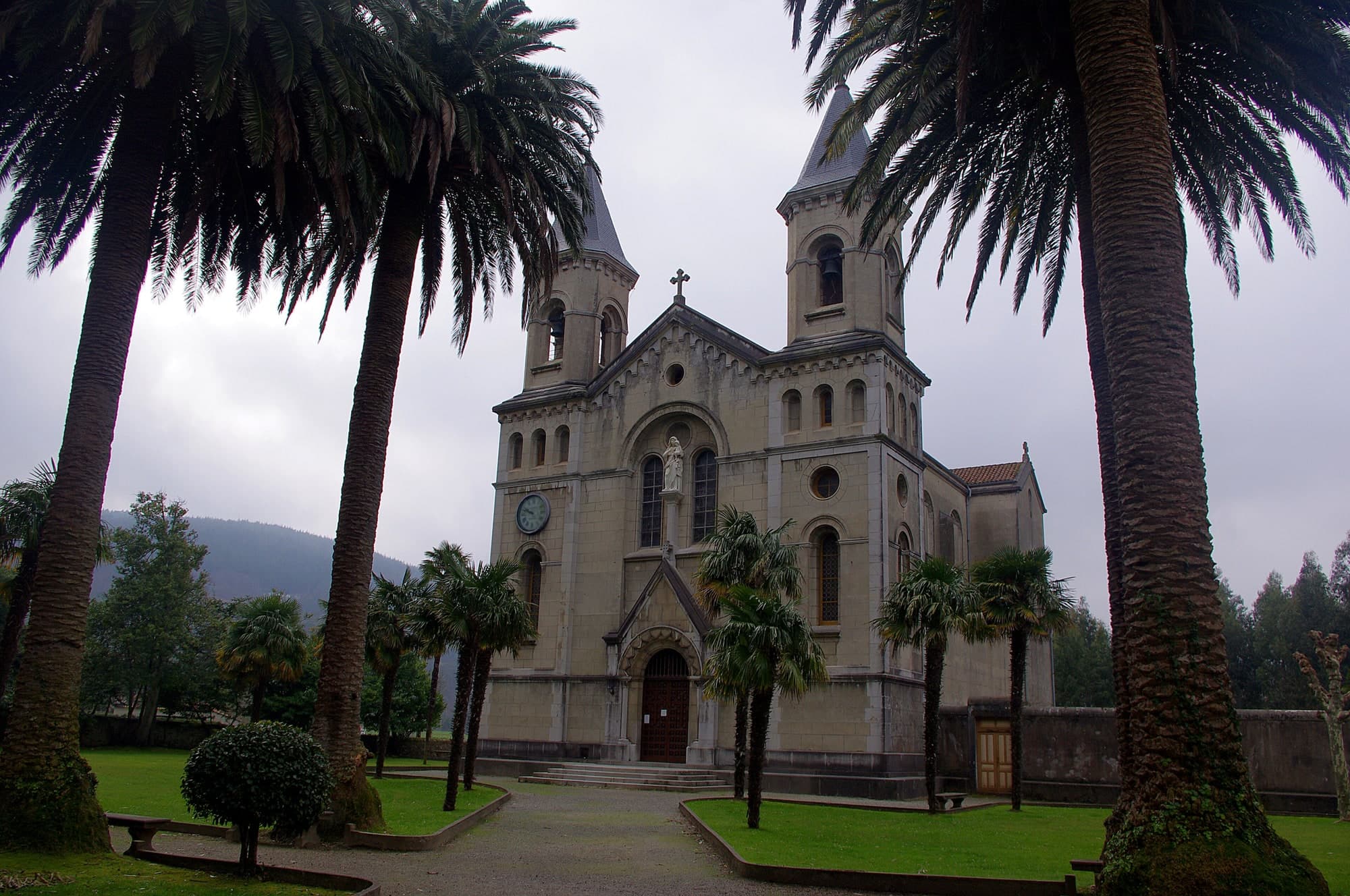
Neo-Romanesque church and pantheon commissioned by Fortunato de Selgas next to La Quinta in El Pito, inaugurated in 1914 by Infanta Isabel de Borbón.