

Sant Benet de Montserrat
Description
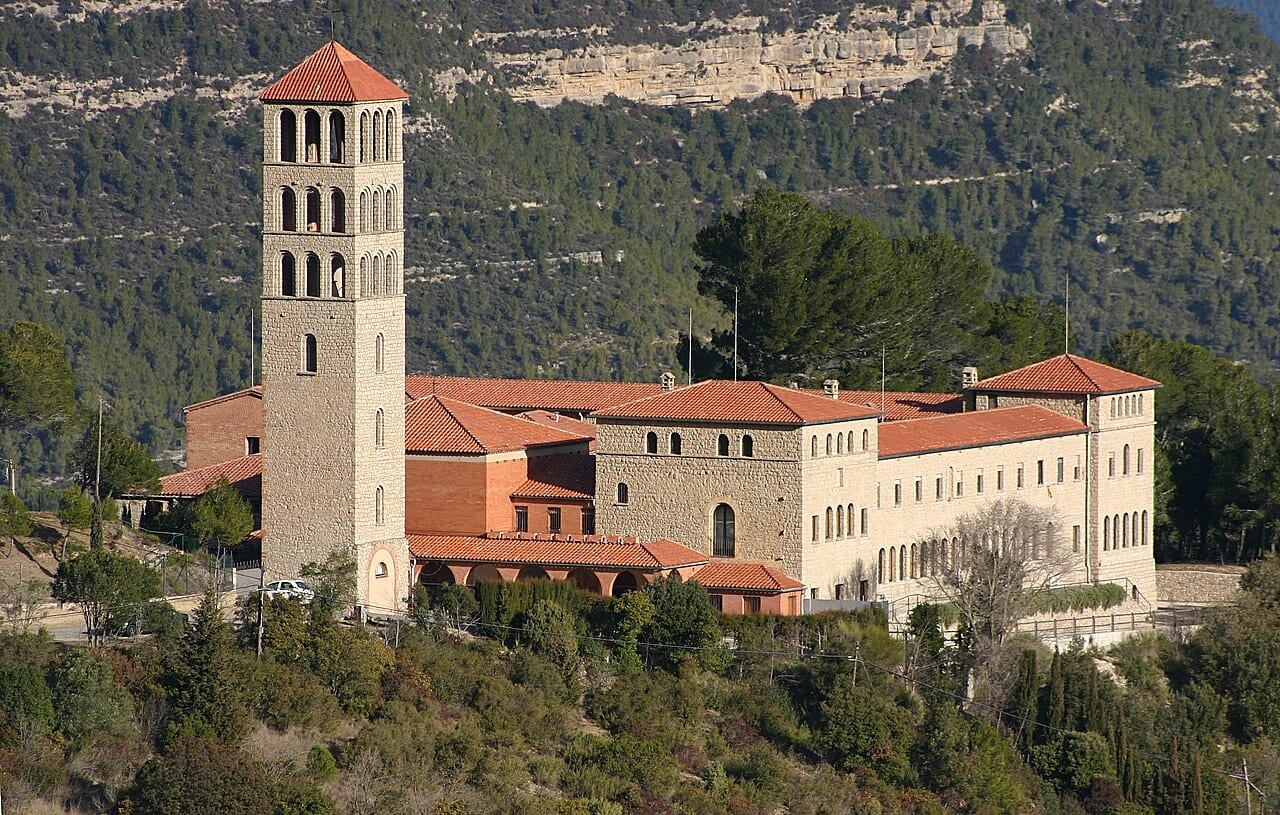
On one of the flanks of the Montserrat massif, on a rocky outcrop overlooking the road to Monistrol, stands the monastery of Sant Benet, home to a community of Benedictine nuns. Those who make their way here, within the municipality of Marganell and not far from the Colònia Puig, will find a place devoted to quiet reflection, where the rocky landscape and the silence are an essential part of the experience.
Beyond its contemplative life, the abbey has a very distinctive hallmark: the ceramics made by the nuns themselves. Vases, tiles decorated with drawings and small sculptures all come from their hands, a craft output that has made the community famous and is one of the best reasons to visit.
Although the building is modern, the community's history goes back a long way. The abbey was canonically established in 1952 through the union of two communities: that of Santa Clara in Barcelona, whose origins possibly date back to the 1230s, and that of Sant Benet in Mataró, founded in 1881. Within these walls, then, seven centuries of monastic tradition live side by side.
The present complex was built in 1954 to a design by the architect Lluís Bonet i Garí, while the church came later, in 1987, the work of Jordi Bonet i Armengol. The building is listed in the Inventory of the Architectural Heritage of Catalonia, a recognition of this 20th-century religious architecture set in one of the region's most iconic locations.
Routes that include this monument
Community photos
Log in to upload your photos of this monument.
Best time to visit
Spring and autumn, although it can be visited almost all year round on the coast.
Location
Similar monuments
 Monastery
Montserrat Abbey
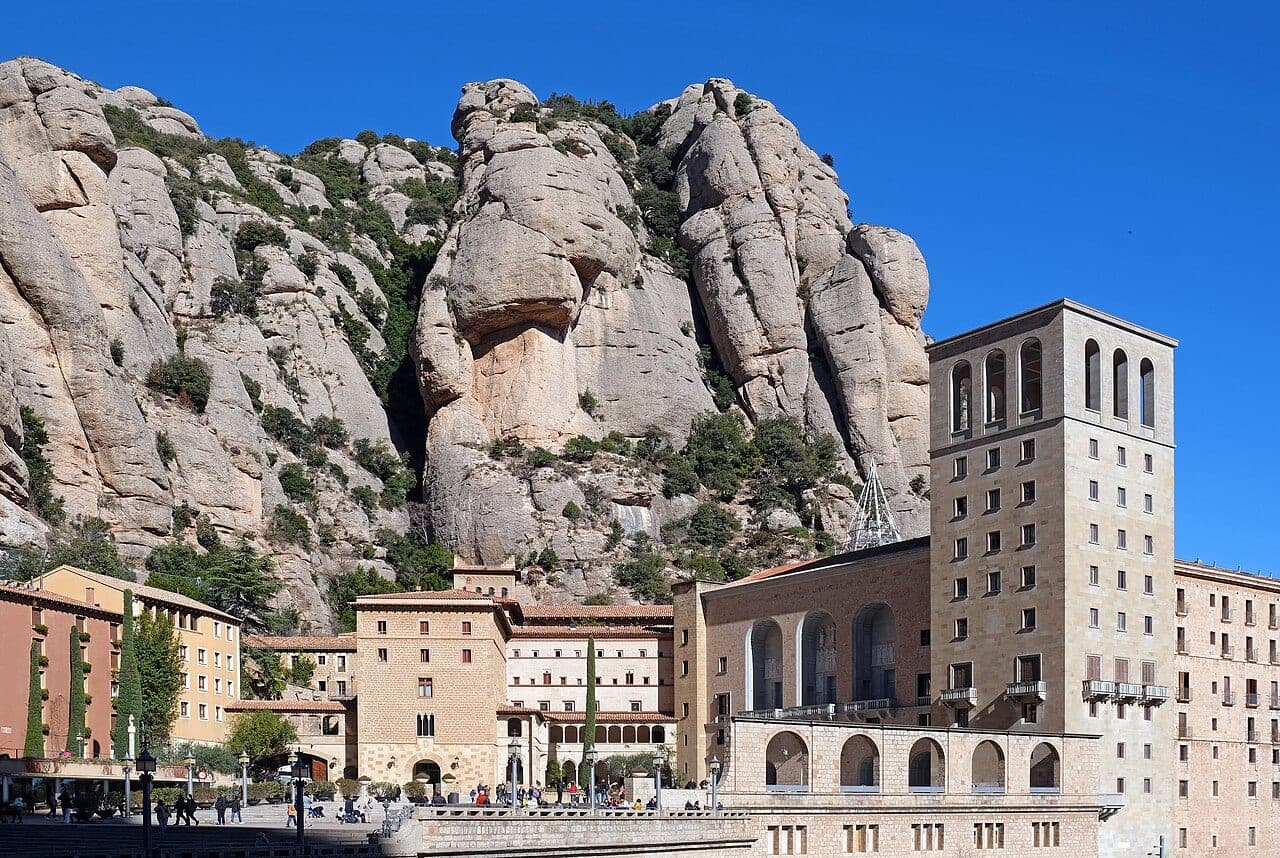
A Benedictine abbey perched 720 metres up on the mountain of Montserrat, a symbol of Catalonia, a destination for pilgrims and home to one of the oldest boys' choirs in Europe.
 Monastery
Sant Llorenç del Munt Monastery
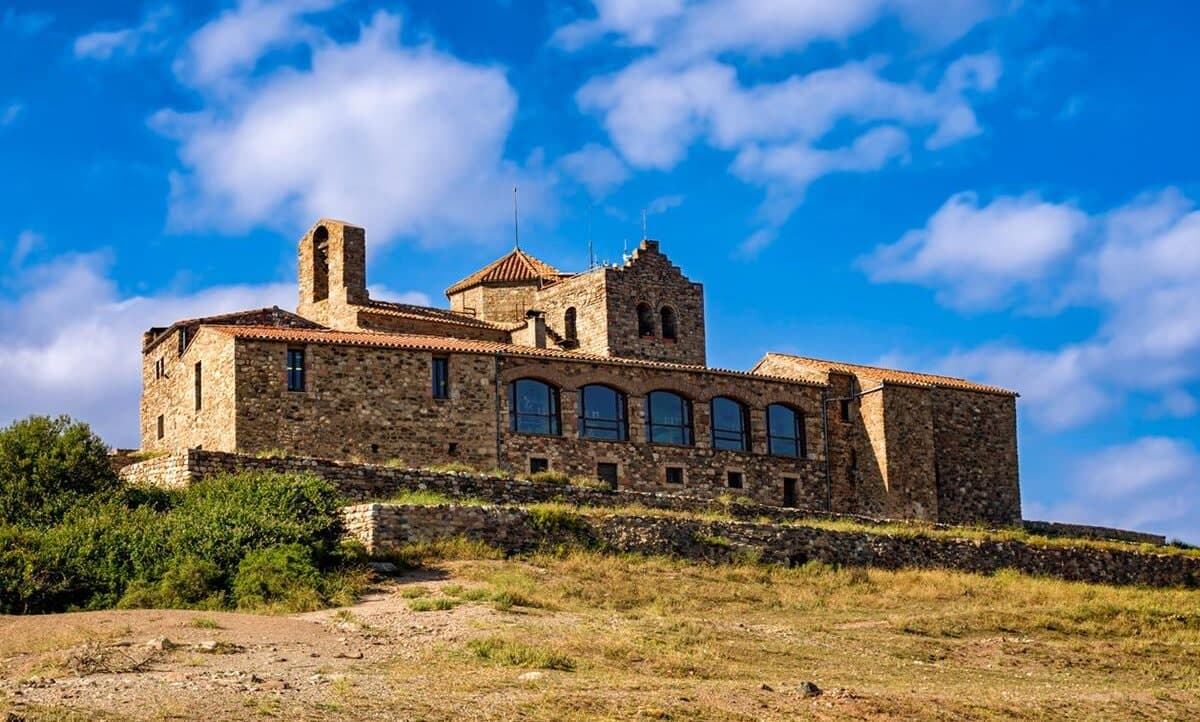
Perched on top of La Mola, this 11th-century Romanesque monastery, a half-scale replica of Sant Cugat, rewards the climb with reddish stone, silence and views over the Vallès.
 Monastery
 of Sant Cugat
A former Benedictine abbey built between the 9th and 14th centuries, once the most important in the County of Barcelona, with a cloister that alone makes the visit worthwhile.
 Monastery
Sant Miquel del Fai Monastery
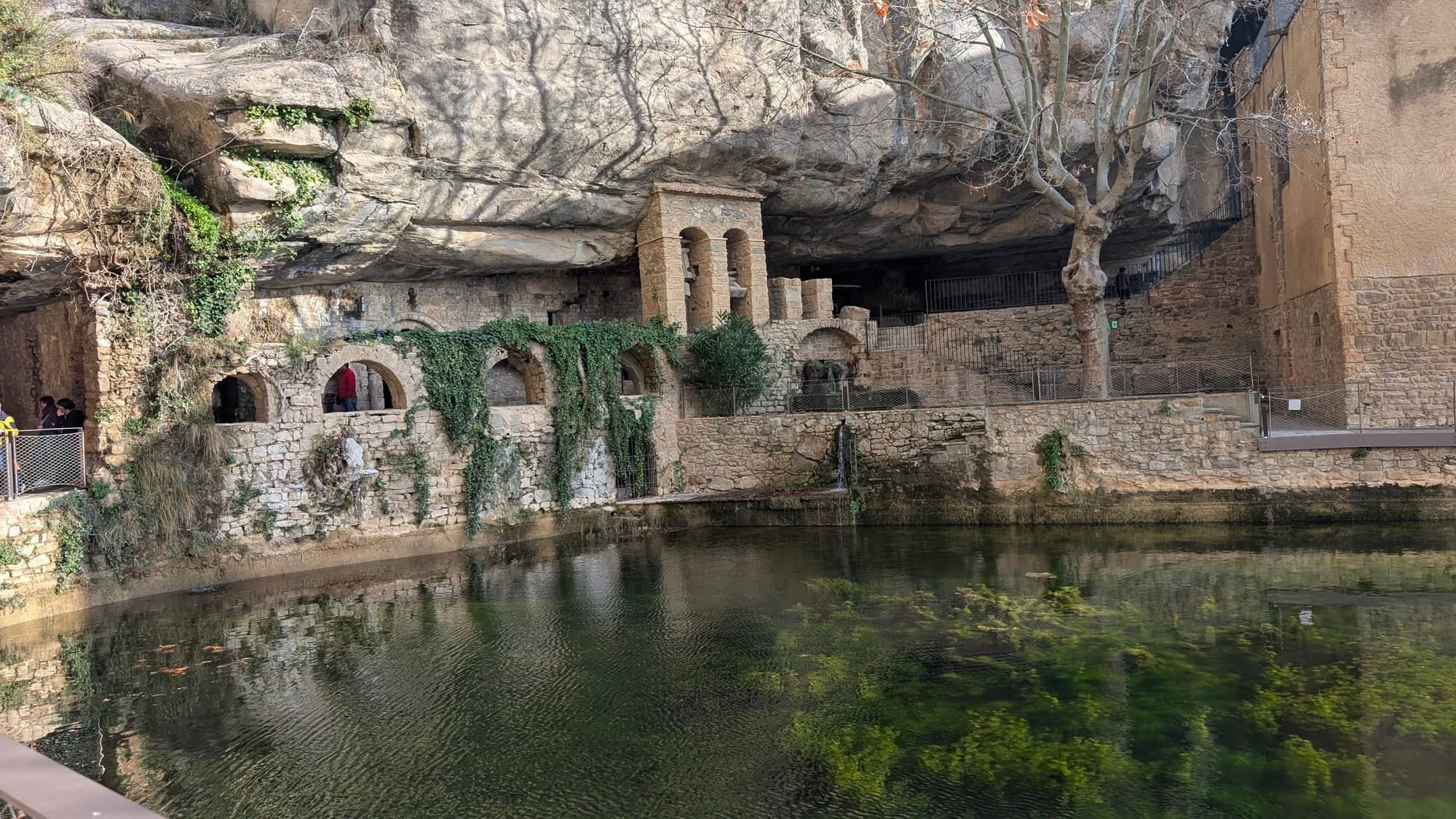
An 11th-century Benedictine monastery with a church carved into the rock, beside the Rossinyol waterfalls on the Cingles de Bertí cliffs (Barcelona).