
Sant Miquel del Fai Monastery
Description
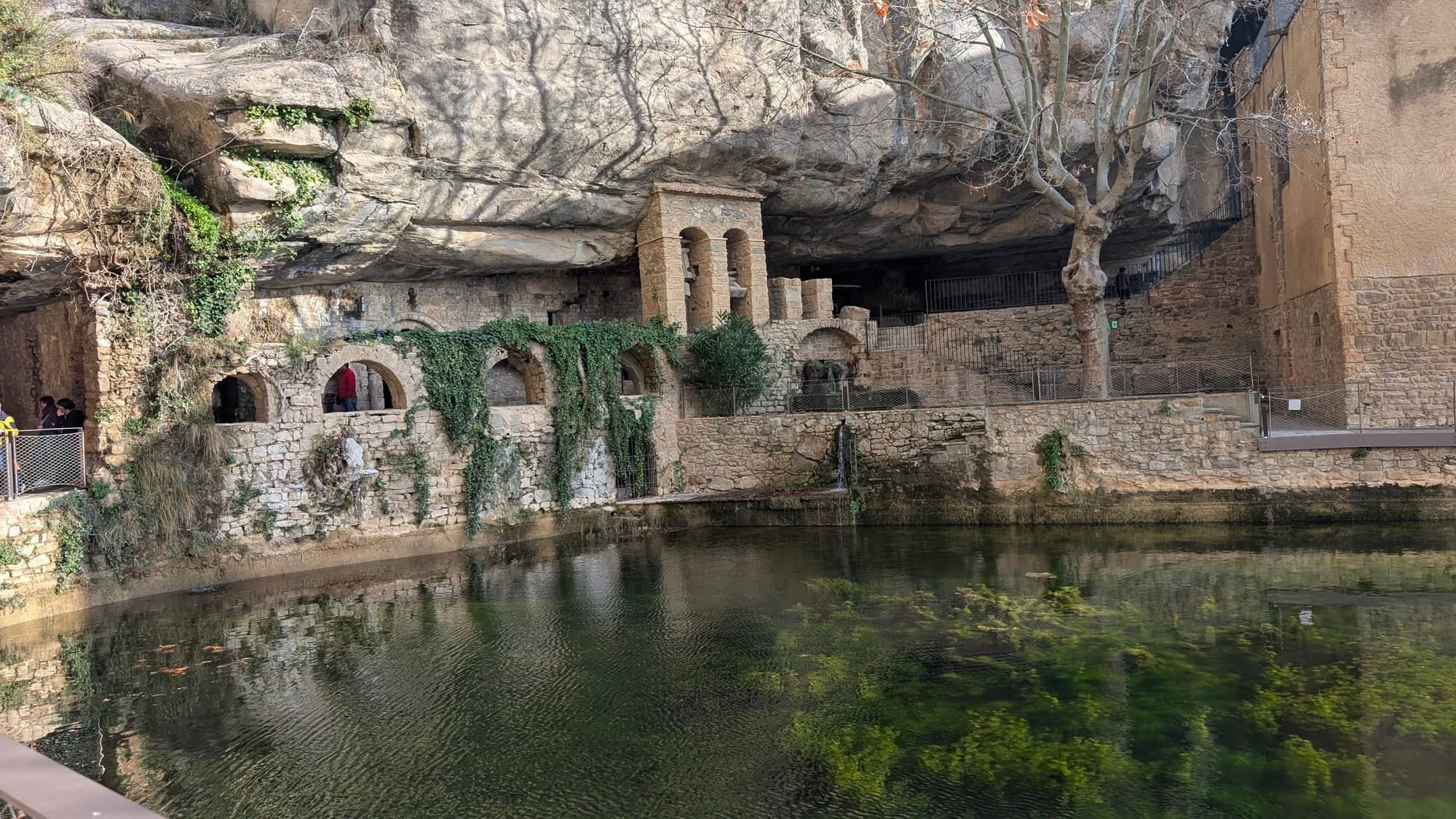
The monastery of Sant Miquel del Fai (San Miguel de Fay in Spanish) is one of the most astonishing spots in Catalonia. It is a former Benedictine community clinging to the Cingles de Bertí cliffs in the Vallès Oriental, some 7 km from Sant Feliu de Codines and less than an hour from Barcelona. It brings together three things you rarely find in one place: Romanesque architecture, a church carved into the rock and waterfalls tumbling down right beside the building.
History
It was founded by Gombau de Besora, lord of Montbui Castle, who bought this land from Count Ramon Borrell in 997. By 1006 a community of monks was already living here, with Guillemund as its first abbot. In 1042 it became a priory of the Abbey of Saint-Victor in Marseille. There were never more than five or six monks, yet it received some very valuable donations. One of them is a Romanesque cross in embossed silver, now kept in the Diocesan Museum of Barcelona. Monastic life came to an end in 1567. The site carried on as a sanctuary, visited on pilgrimage by people from the surrounding villages, until 1936. Barcelona Provincial Council reopened it to the public on 22 April 2023.
What to see
The highlight is the church: the rock of the cave itself serves as its roof, and it is the largest church of its kind in Catalonia. You enter through a Romanesque round-arched doorway with capitals decorated with plant motifs. Inside you'll find:
a small crypt;
the tombstones of former abbots set into the floor;
two medieval tombs. One is attributed to Guillem, Count of Osona and brother of Ramon Berenguer I, who gave up his rights to become a monk here.
Next to the church stands the Gothic priory house, dating from the 15th century, which for years served as a guesthouse.
A unique natural setting
The monastery lies within the Sant Miquel del Fai natural area, managed by Barcelona Provincial Council. Beside the building, the Rossinyol stream plunges over the precipice, and beneath the waterfall open the Sant Miquel caves, hollowed out by the water over centuries. The River Tenes, a tributary of the Besòs, has shaped the limestone cliffs that surround the site. The walk among the waterfalls and caves is every bit as appealing as the monastery itself.
Getting there
By car, take the road out of Sant Feliu de Codines, or turn off at km 7 of the C-1413b in Sant Quirze Safaja. From Riells del Fai the only way up is on foot, along the old Sant Miquel del Fai path. Check opening times and tickets on the natural area's official website before you go.
Routes that include this monument
Community photos
Log in to upload your photos of this monument.
Best time to visit
Spring and autumn, when the Rossinyol and the Tenes carry more water and the waterfalls are at their best. In high summer the falls can run almost dry. In winter, after a few days of rain, the scenery is spectacular.
Location
Similar monuments
 Monastery
Sant Llorenç del Munt Monastery
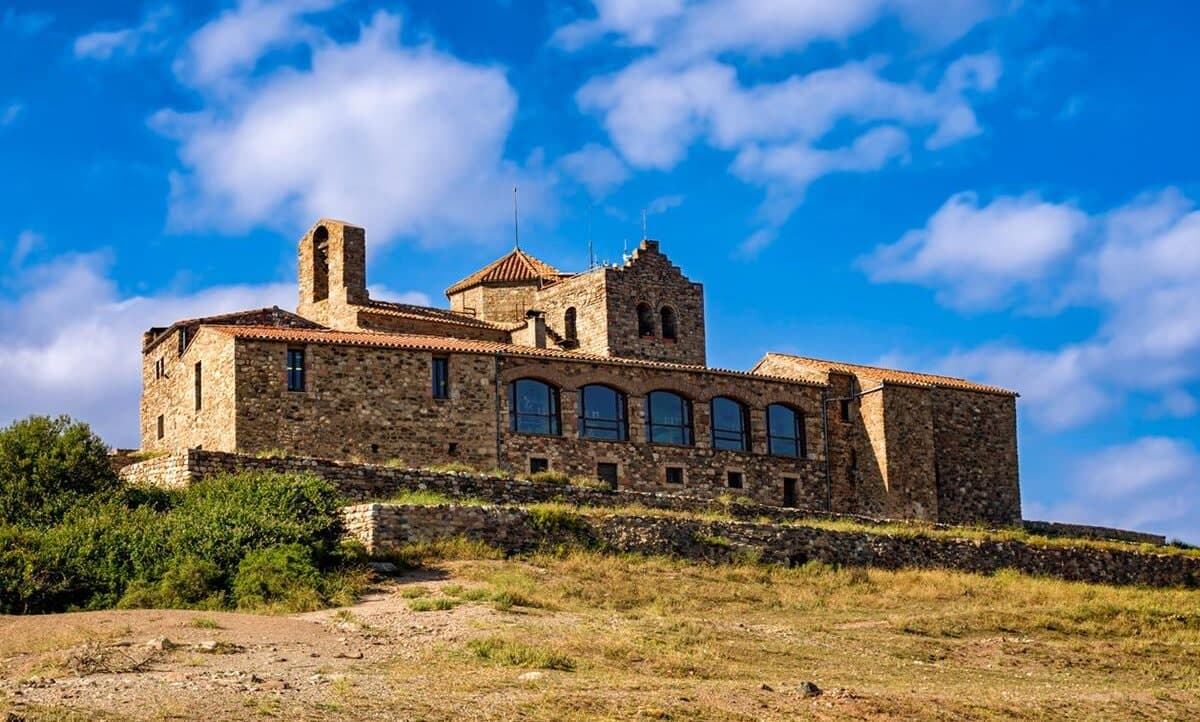
Perched on top of La Mola, this 11th-century Romanesque monastery, a half-scale replica of Sant Cugat, rewards the climb with reddish stone, silence and views over the Vallès.
 Monastery
 of Sant Cugat
A former Benedictine abbey built between the 9th and 14th centuries, once the most important in the County of Barcelona, with a cloister that alone makes the visit worthwhile.
 Monastery
Montserrat Abbey
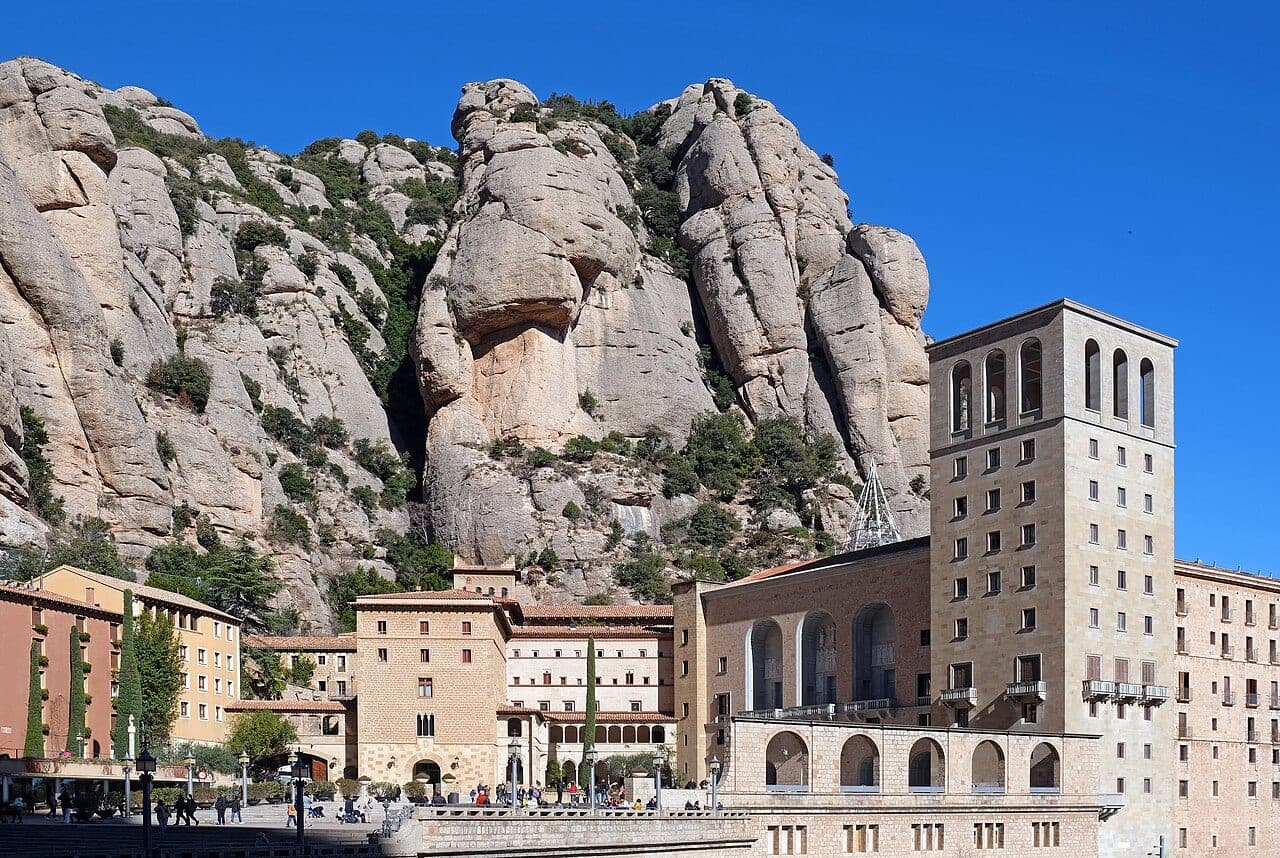
A Benedictine abbey perched 720 metres up on the mountain of Montserrat, a symbol of Catalonia, a destination for pilgrims and home to one of the oldest boys' choirs in Europe.
 Monastery
Sant Benet de Montserrat
An abbey of Benedictine nuns perched on a slope of Montserrat, a place of silence and prayer renowned for its handmade ceramics: vases, painted tiles and small sculptures.