
Barcelona Citadel
Description
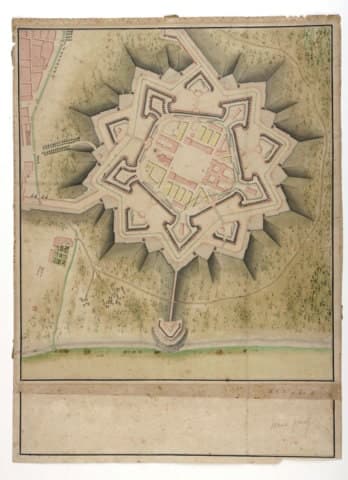
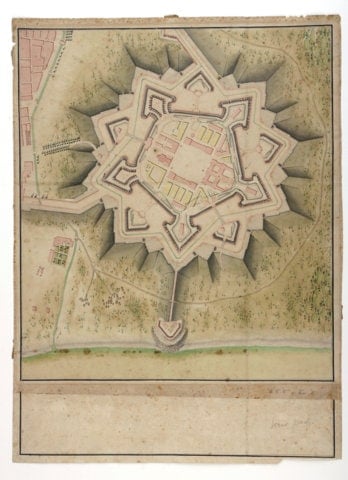
Anyone strolling through the Parc de la Ciutadella today may not realise they are walking on the site of one of the most feared buildings in Barcelona's history. Here stood a military fortress designed not to defend the city from outside enemies, but to watch over it and subdue it from within. That contrast between its origins and the pleasant use it is put to today is what turns a visit into something more than a simple stroll.
The Citadel was built on the orders of Philip V at the end of the War of the Spanish Succession. Barcelona had ended up on the losing side, and the new monarch wanted to make sure the city stayed under control. The fortress thus became a symbol of imposed power, a presence that the people of Barcelona had before their eyes for generations.
Its end came with the revolution of 1868, when it was finally demolished. Its destruction was very much an act of liberation, but it did not entirely erase the memory of the complex. Three of the buildings inside survived: the chapel, the governor's palace and the arsenal. They are well worth seeking out during your visit, as they are the only direct witnesses to what this military site once was and give you a sense of the life that went on behind its walls.
On the freed-up land, the Parc de la Ciutadela was laid out in 1888, its name preserving the memory of the old fortress. Exploring it with this history in mind changes the way you see it: the walkways and gardens occupy the ground where bastions once stood, and what was once an instrument of domination has been transformed into an open space for everyone to enjoy. Few visits in Barcelona sum up so well how a city can rewrite its own past.
Routes that include this monument
Community photos
Log in to upload your photos of this monument.
Best time to visit
Spring and autumn, although on the coast it can be visited almost all year round.
Location
Similar monuments
 Citadel
 of Roses
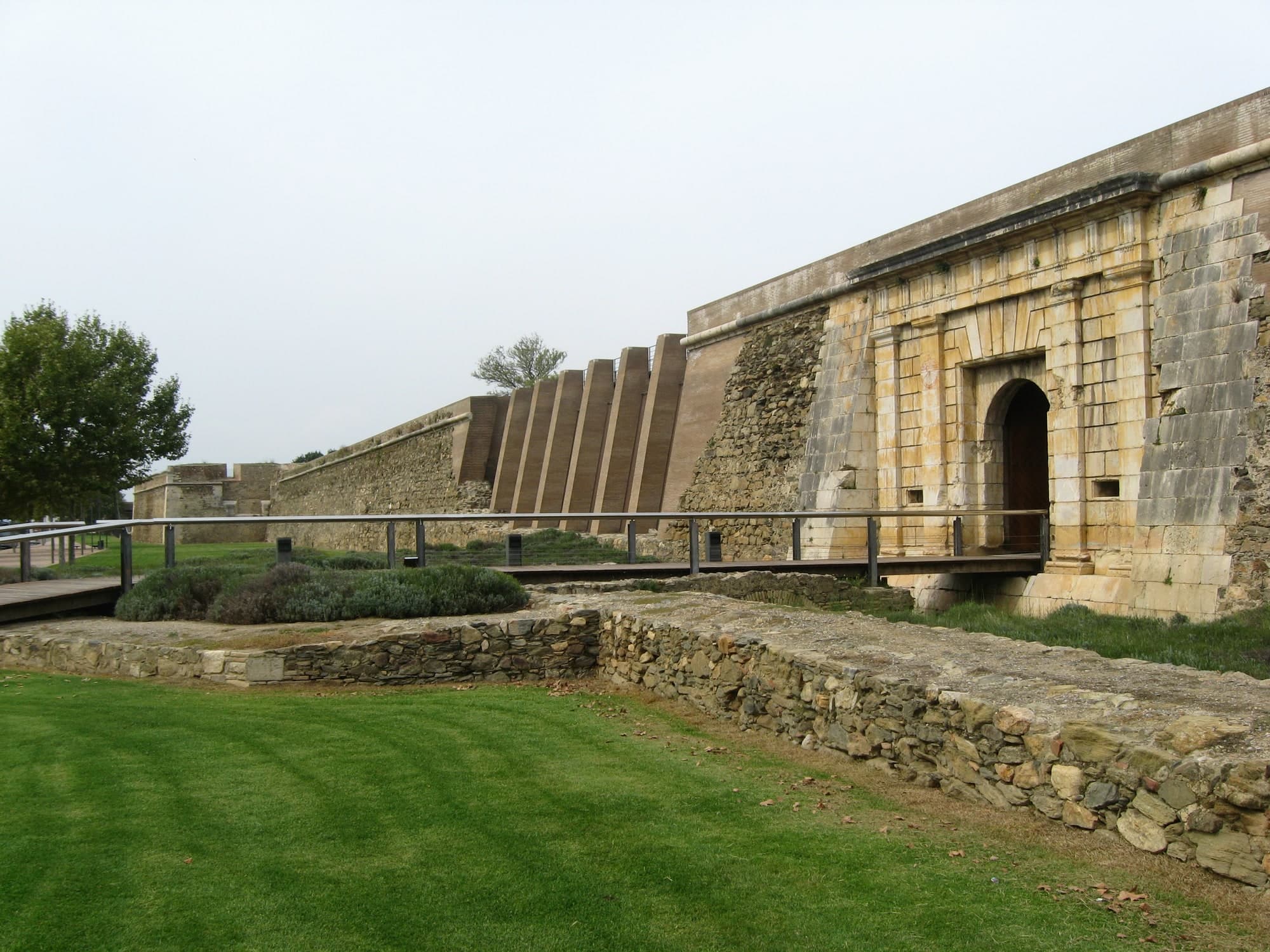
Renaissance walls whose refortification was ordered by Charles I, sheltering within them the memory of Rhode, the enigmatic Greek colony from which Roses grew.
 Cathedral
Barcelona Cathedral
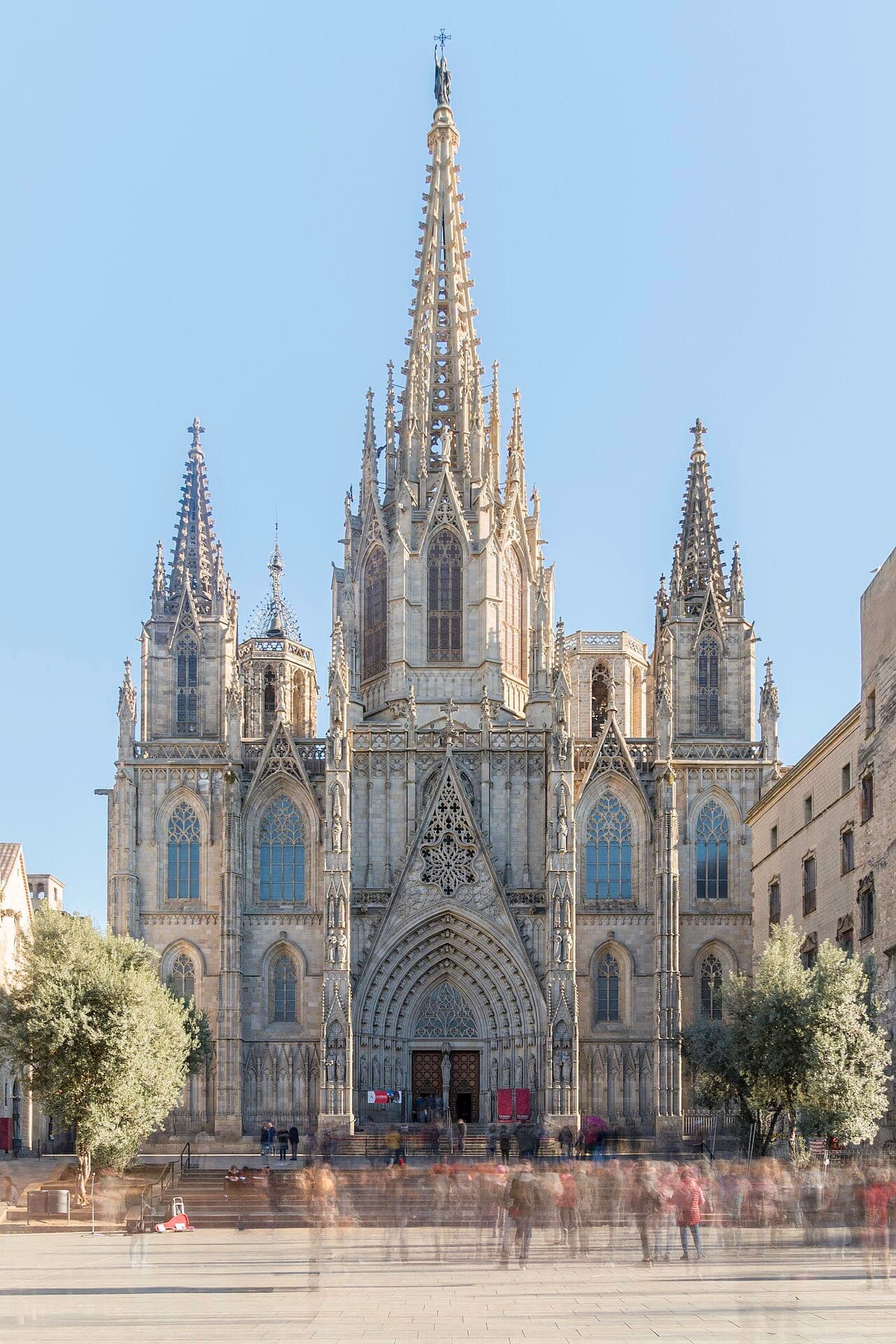
La Seu of Barcelona, a Gothic jewel built between the 13th and 15th centuries, preserves the memory of Saint Eulalia and has a cloister that is home to thirteen white geese.
 Monastery
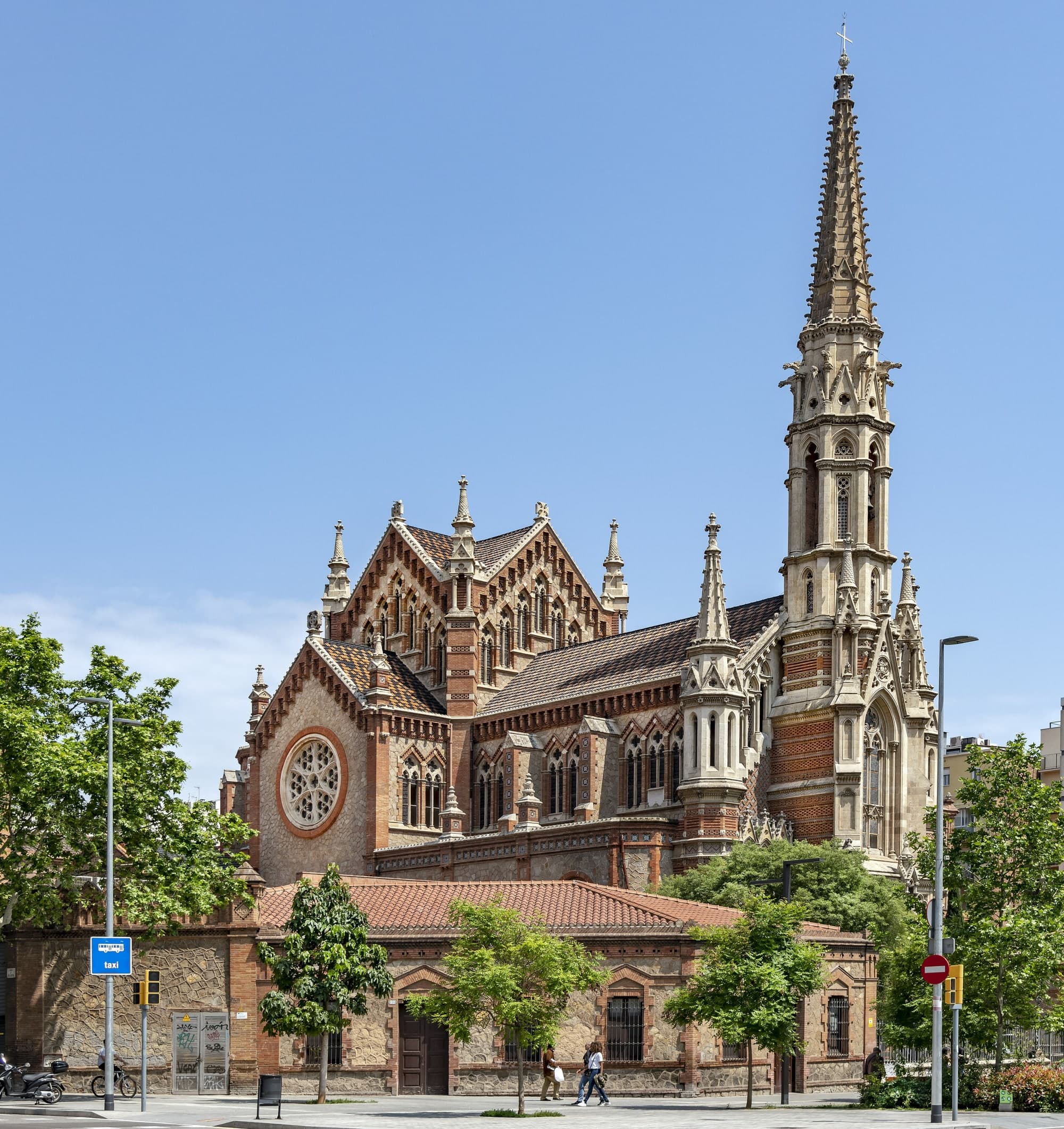
Church and Convent of Las Salesas
Right on Passeig de Sant Joan, the church and former convent of Las Salesas together make up the most important work by the architect Joan Martorell i Montells.
 Church
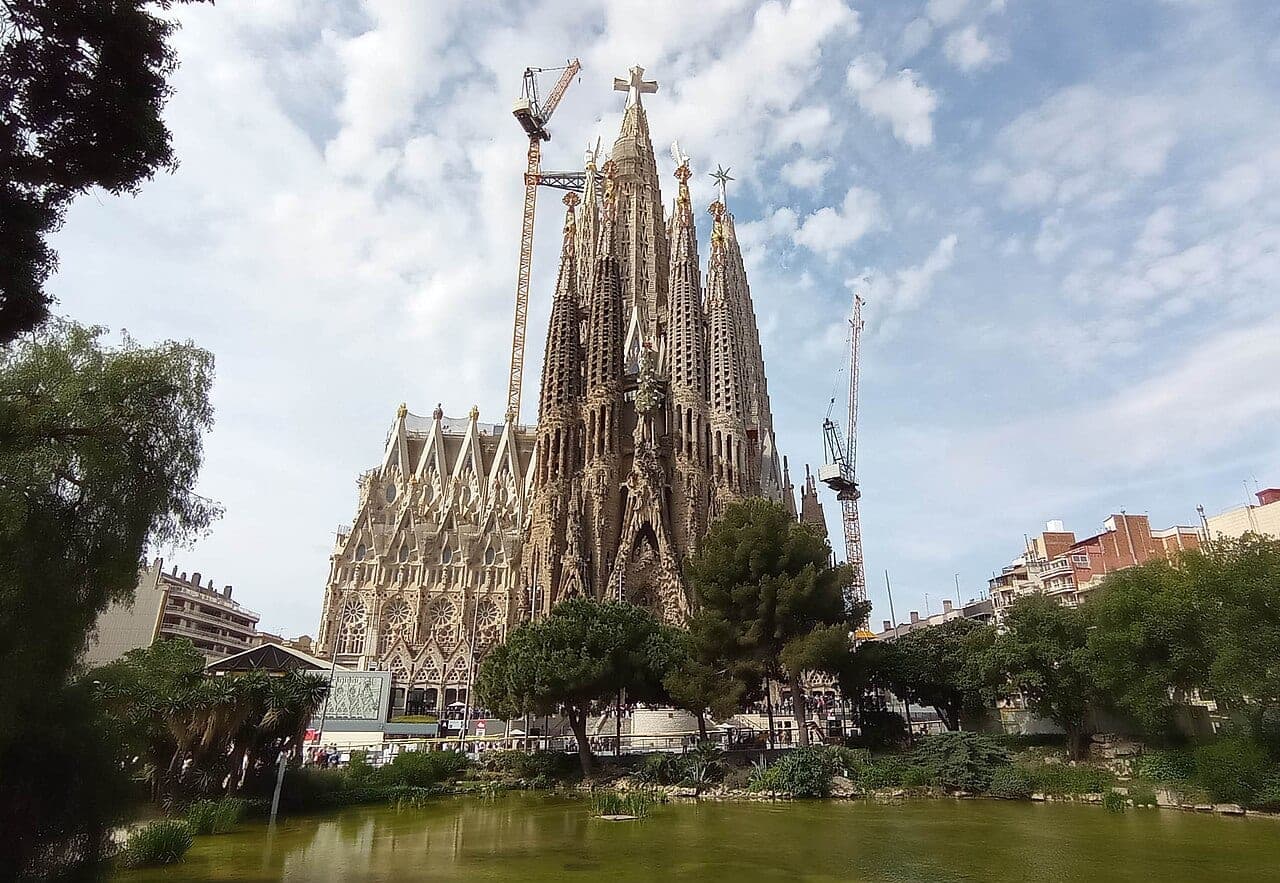
Sagrada Família
Gaudí's unfinished masterpiece, a stone forest of a temple under construction since 1882 that is now the tallest church in the world and the crowning jewel of Catalan Modernisme.