


Monastery of Sant Pere de Rodes
Description
Few abbeys look out over the Mediterranean quite like Sant Pere de Rodes. Built on the slopes of the Verdera mountain, north of Cap de Creus, the monastery rises in terraces beneath the ruins of the Castle of Sant Salvador de Verdera, which once protected it, and offers an exceptional view over the bays of Llançà and El Port de la Selva. Close by lie the remains of the medieval village of Santa Creu de Rodes, of which only its pre-Romanesque church, dedicated to Saint Helena, still stands.
The heart of the complex is the church, consecrated in 1022. Its Latin-cross plan with three barrel-vaulted naves, the double colonnade set on a high plinth with Corinthian-style capitals and the ambulatory around the apse, beneath which lies the crypt, make up a Romanesque style unlike anything else of its time, reminiscent of late Roman architecture. Some of the columns, in fact, come from an earlier Roman building. This blend of Carolingian, pre-Romanesque and Roman heritage makes it one of the high points of Catalan Romanesque.
The other buildings are arranged around the 12th-century cloister. On the west façade stands the square bell tower, from the same century and Lombard in influence, alongside the keep, probably begun in the 10th century.
Its origins remain a mystery. Legend tells of monks who came ashore with relics of Saint Peter while fleeing the barbarians, but the earliest document, from 878, mentions it merely as a monastic cell; by 945 it was already a Benedictine monastery with an abbot. Linked to the County of Empúries, it enjoyed its heyday in the 11th and 12th centuries as a place of pilgrimage and jubilees. After being plundered from the 17th century onwards, it was abandoned by the monks in 1793. Declared a national monument in 1930, excavations in 1990 and 1991 uncovered the 11th-century cloister, paintings predating the 12th century and a medieval necropolis.
Routes that include this monument
Community photos
Log in to upload your photos of this monument.
Best time to visit
Spring and autumn are ideal for exploring the terraces and enjoying the views without the summer heat or crowds; it is best to avoid days of strong tramontane wind, which is common in this part of Cap de Creus.
Location
Similar monuments
 Monastery
 of Sant Joan de les Abadesses
An ancient monastery in the Ripollès that gives its name to the town around it and which, until the year 945, was the only convent for women in the whole of Catalonia.
 Monastery
Sant Miquel del Fai Monastery
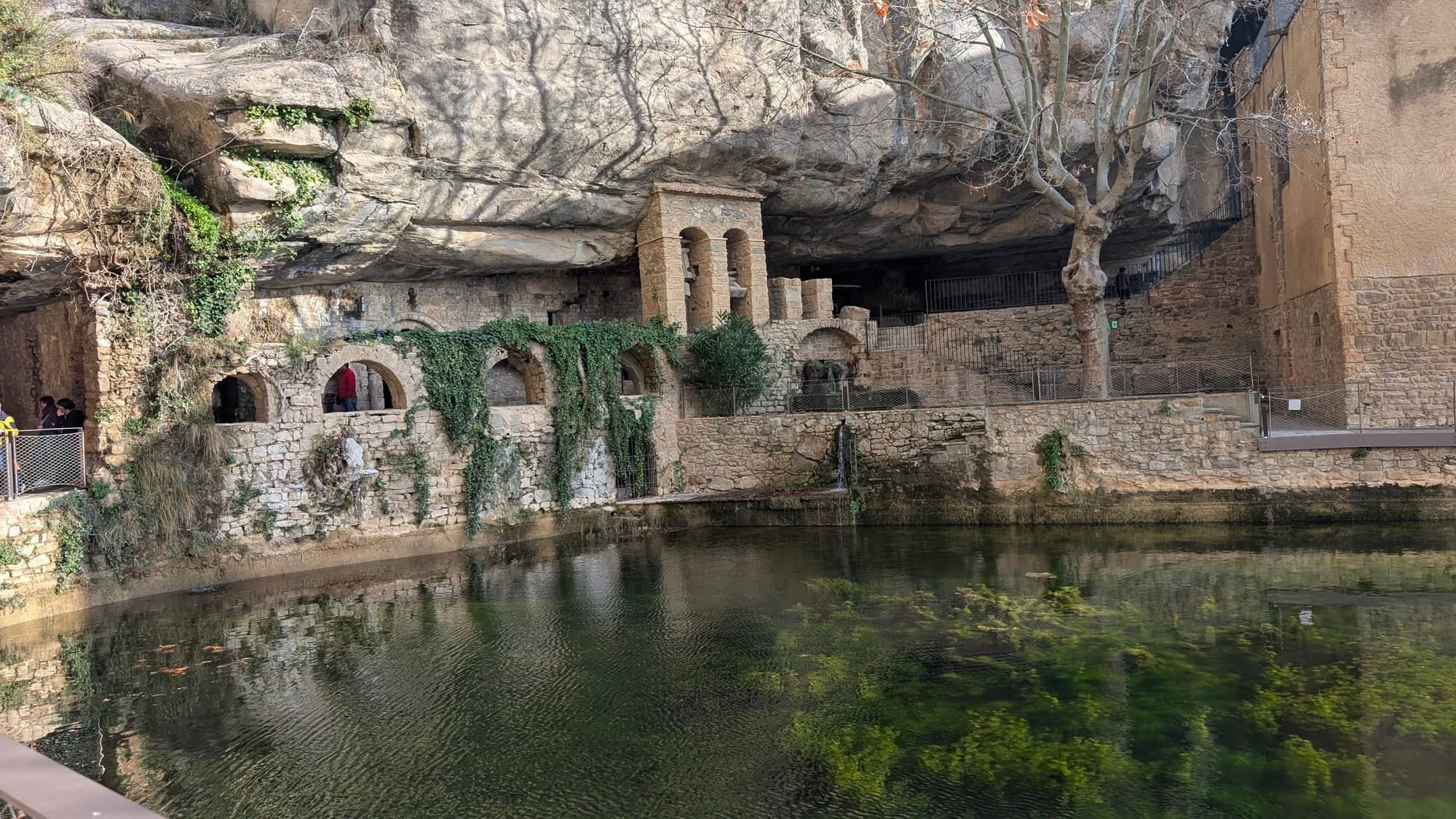
An 11th-century Benedictine monastery with a church carved into the rock, beside the Rossinyol waterfalls on the Cingles de Bertí cliffs (Barcelona).
 Monastery
Sant Llorenç del Munt Monastery
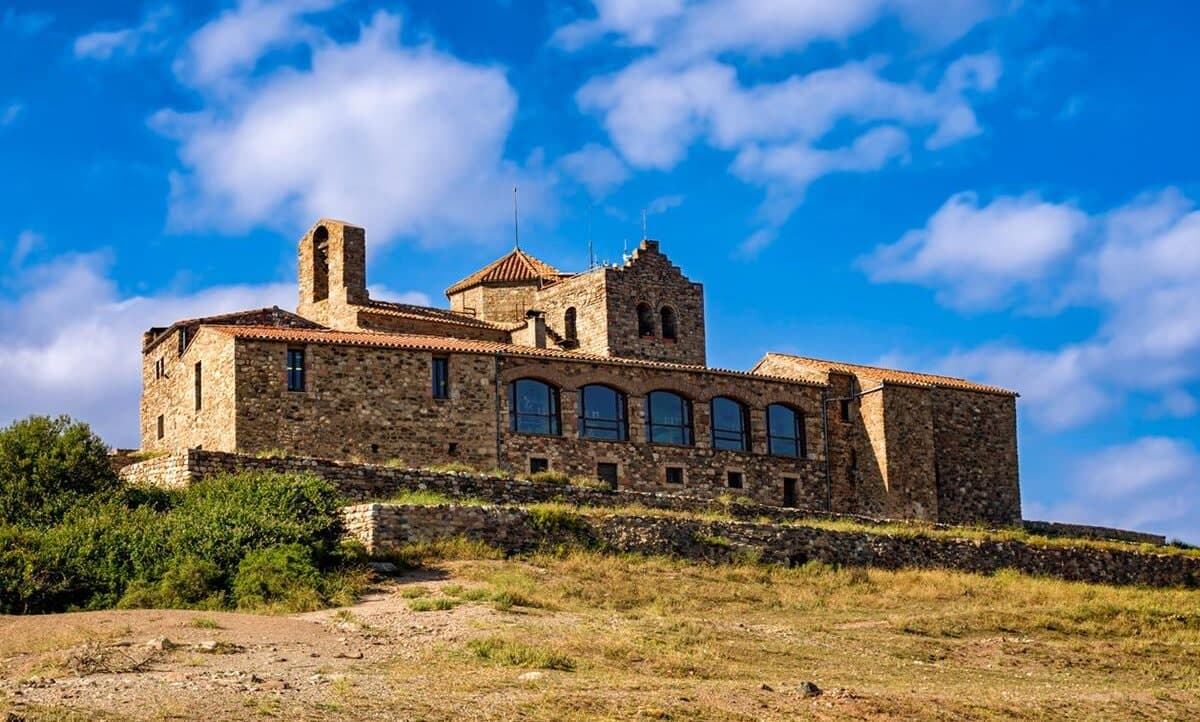
Perched on top of La Mola, this 11th-century Romanesque monastery, a half-scale replica of Sant Cugat, rewards the climb with reddish stone, silence and views over the Vallès.
 Monastery
 of Sant Cugat
A former Benedictine abbey built between the 9th and 14th centuries, once the most important in the County of Barcelona, with a cloister that alone makes the visit worthwhile.