


Monastery of San Millán de Suso
Description
Few corners of Spain can boast of having witnessed the birth of a written language. At the Monastery of San Millán de Suso, a monk jotted down the Glosas Emilianenses, regarded as the earliest texts written in an Ibero-Romance language and in Basque as well. That reason alone is enough to make the climb up here, to the left bank of the River Cárdenas, near the village of San Millán de la Cogolla, and to look at these walls with fresh eyes.
The name itself offers a clue to its location: *suso*, an old Castilian word now fallen out of use, means "above". Further down stands its younger sibling, the Monastery of Yuso, built later; together they form a monumental ensemble declared a World Heritage Site, and they are best visited as what they truly are: two chapters of the same story.
Suso began as a Visigothic community of monks that emerged in the late 6th century around the tomb of the hermit Aemilianus – Millán or Emiliano in Spanish – who died in 574. As the secluded life of the hermits gave way to a cenobitic community and later to a monastic one, the building continued to grow until the 12th century. These extensions left their mark on its architecture, where Mozarabic and Romanesque styles sit side by side. The monastery withstood the Islamic invasion and received substantial donations, above all from the kings of Navarre, which explains its considerable religious and cultural influence in Navarre and La Rioja.
To its linguistic legacy must be added a literary one. It was within these walls that Gonzalo de Berceo produced his work in the 13th century; he was the first named author in Spanish literature and one of the finest exponents of the *mester de clerecía*, the learned poetry of the clergy. Setting foot in Suso is, in short, a glimpse into the very foundations of Spain's written culture, in the same landscape where they were laid.
Routes that include this monument
Community photos
Log in to upload your photos of this monument.
Best time to visit
Spring and autumn (April–June and September–October).
Location
Similar monuments
 Monastery
 of San Millán de la Cogolla
In La Rioja, two monasteries, Suso and Yuso, preserve fifteen centuries of monastic life begun by the hermit Millán, along with a key legacy of medieval culture.
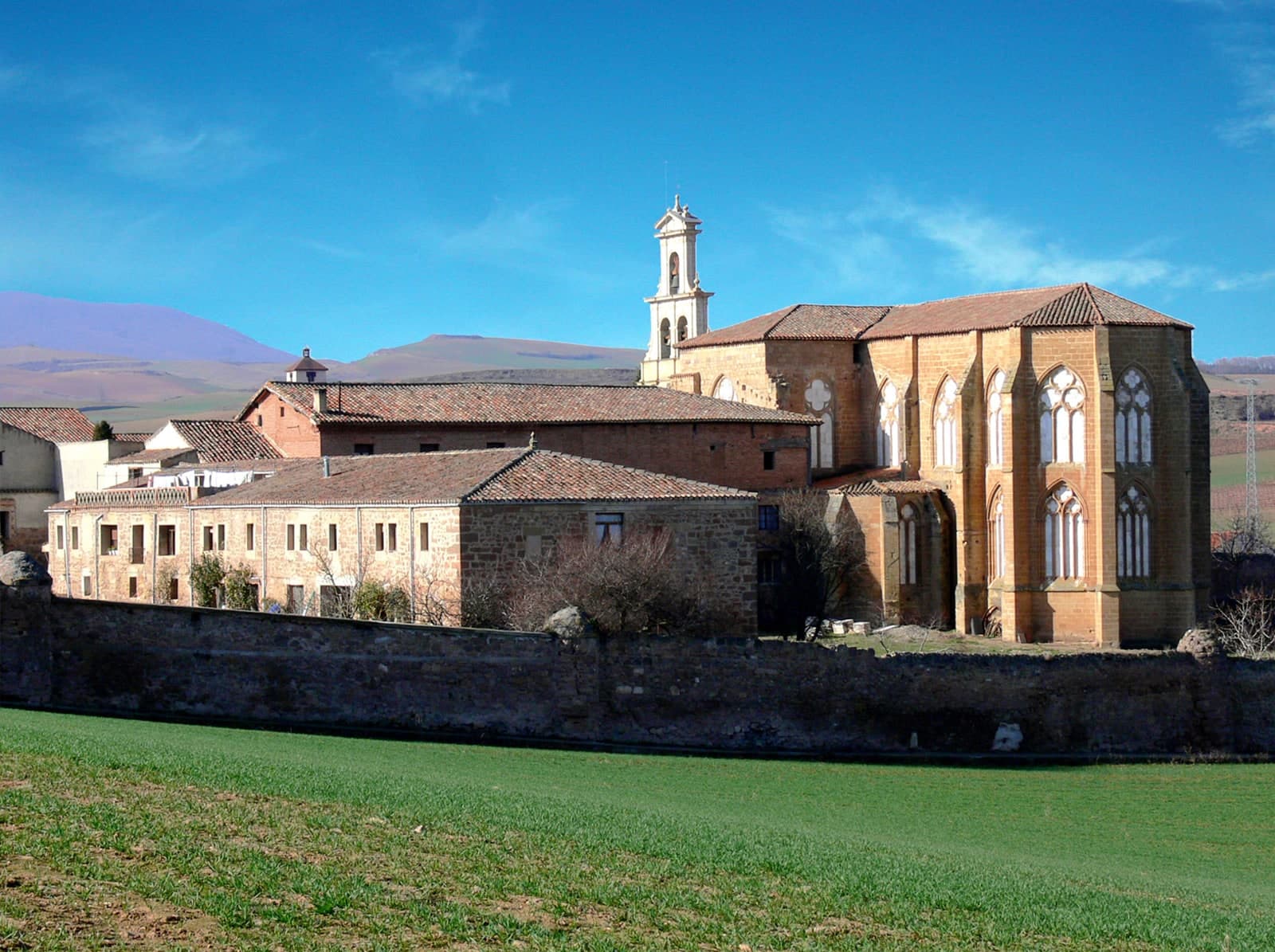 Monastery
Cañas Monastery
A Cistercian abbey in La Rioja known as the Monastery of Light, home to one of the first female Cistercian communities on the Iberian Peninsula and still inhabited by nuns.
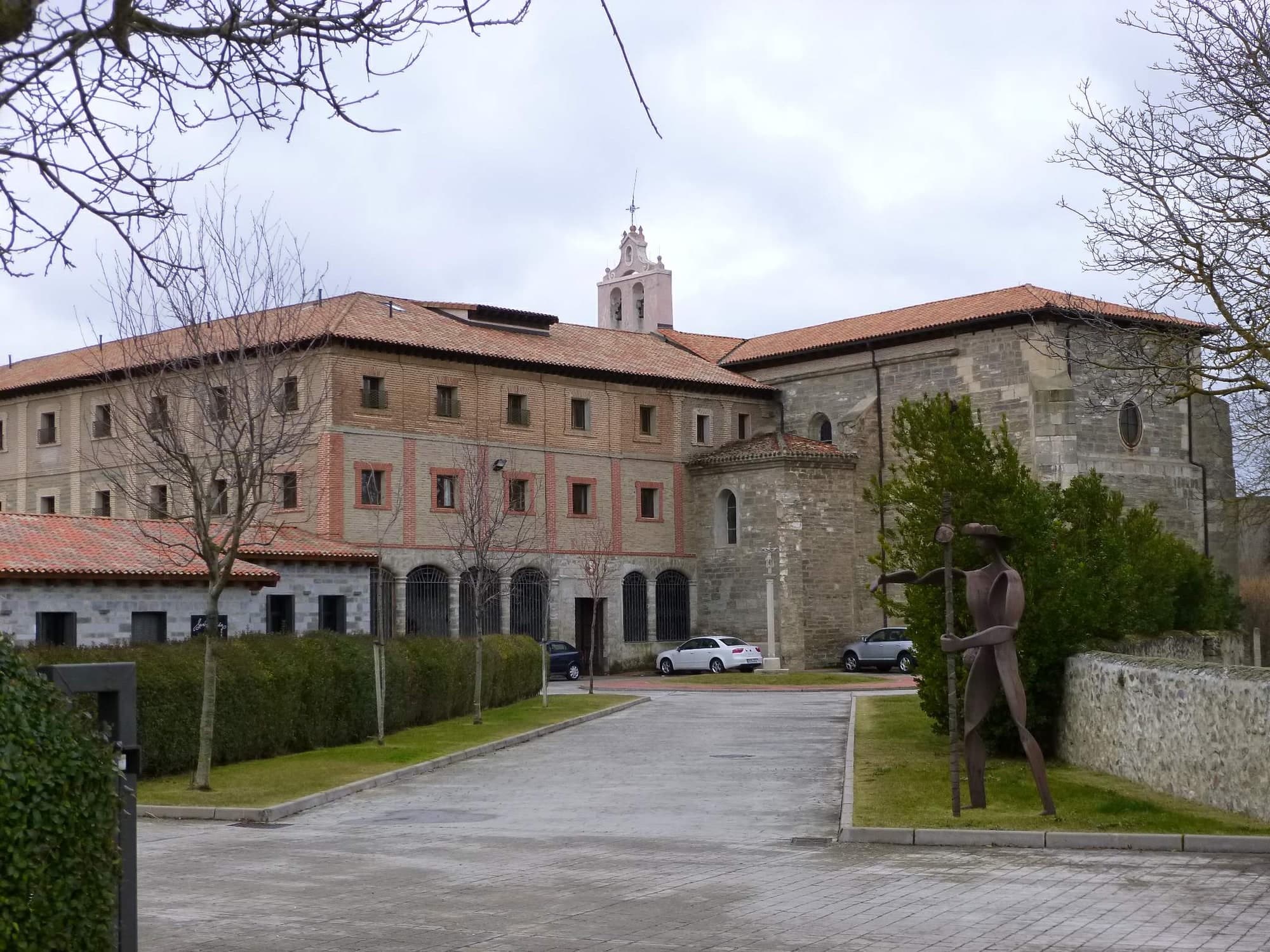 Monastery
 of Santa Clara
A convent of Poor Clare nuns in Belorado, also known as Nuestra Señora de Bretonera, recognised as an associated element of the Camino de Santiago.
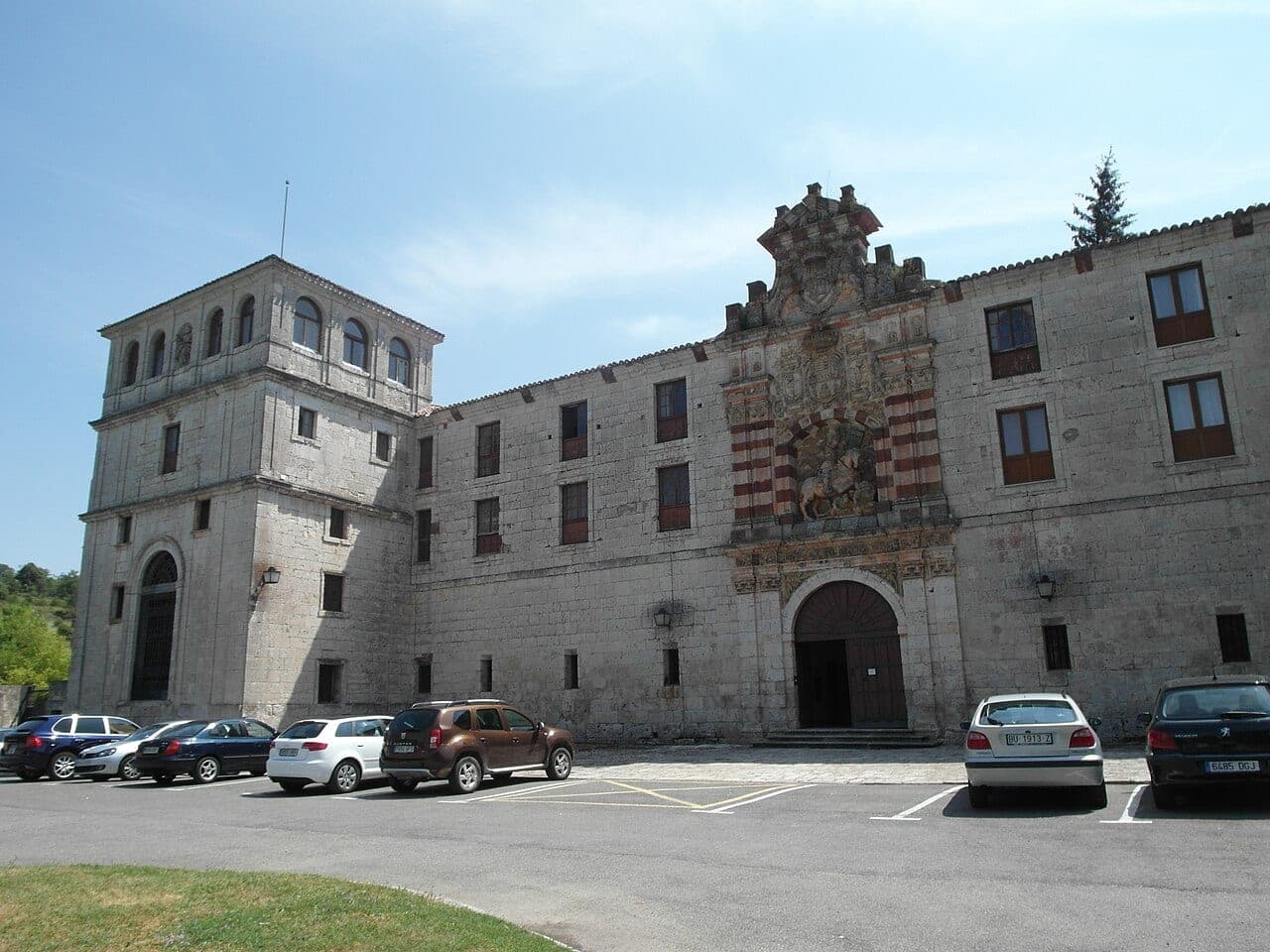 Monastery
 of San Pedro de Cardeña
A Trappist abbey just 10 km from Burgos, a Historic-Artistic Monument since 1931 and linked to the UNESCO-recognised legacy of the Camino de Santiago.