


Monastery of San Millán de la Cogolla
Description
Few places let you take in so many centuries of religious history at a glance as San Millán de la Cogolla. Visitors arriving in this corner of La Rioja find not one monastery but two: San Millán de Suso and San Millán de Yuso, which together form an institution founded in the 6th century that, remarkably, is still alive today.
It all began with a hermit, Millán, who chose this landscape as his place of retreat. A community gradually grew up around him and, with it, a tradition that has continued unbroken ever since. The monks who live here today regard themselves as the direct heirs of that hermit, which gives a visit an unusual sense of continuity.
What is fascinating is how this same community has changed shape over time. First there were hermits, then a cenobitic community; later came a Visigothic double monastery following the Hispanic rule, and after that a Mozarabic one. The Benedictines arrived next, and today the convent is in the hands of the friars of the Order of Augustinian Recollects. Each stage is a chapter in the history of monastic life on the Peninsula.
Such was its importance in the Middle Ages that San Millán is considered a true centre of medieval culture. That is why it pays to take your time and give both complexes, Suso and Yuso, the attention they deserve, to understand how a solitary retreat ended up becoming one of the most important cultural hubs of its age.
Routes that include this monument
Community photos
Log in to upload your photos of this monument.
Best time to visit
Spring and autumn (April–June and September–October).
Location
Similar monuments
 Monastery
 of San Millán de Suso
Founded around the tomb of Saint Aemilian in the 6th century, Suso preserves the memory of the Glosas Emilianenses and of Gonzalo de Berceo: one of the places where the Spanish language took its first steps.
 Monastery
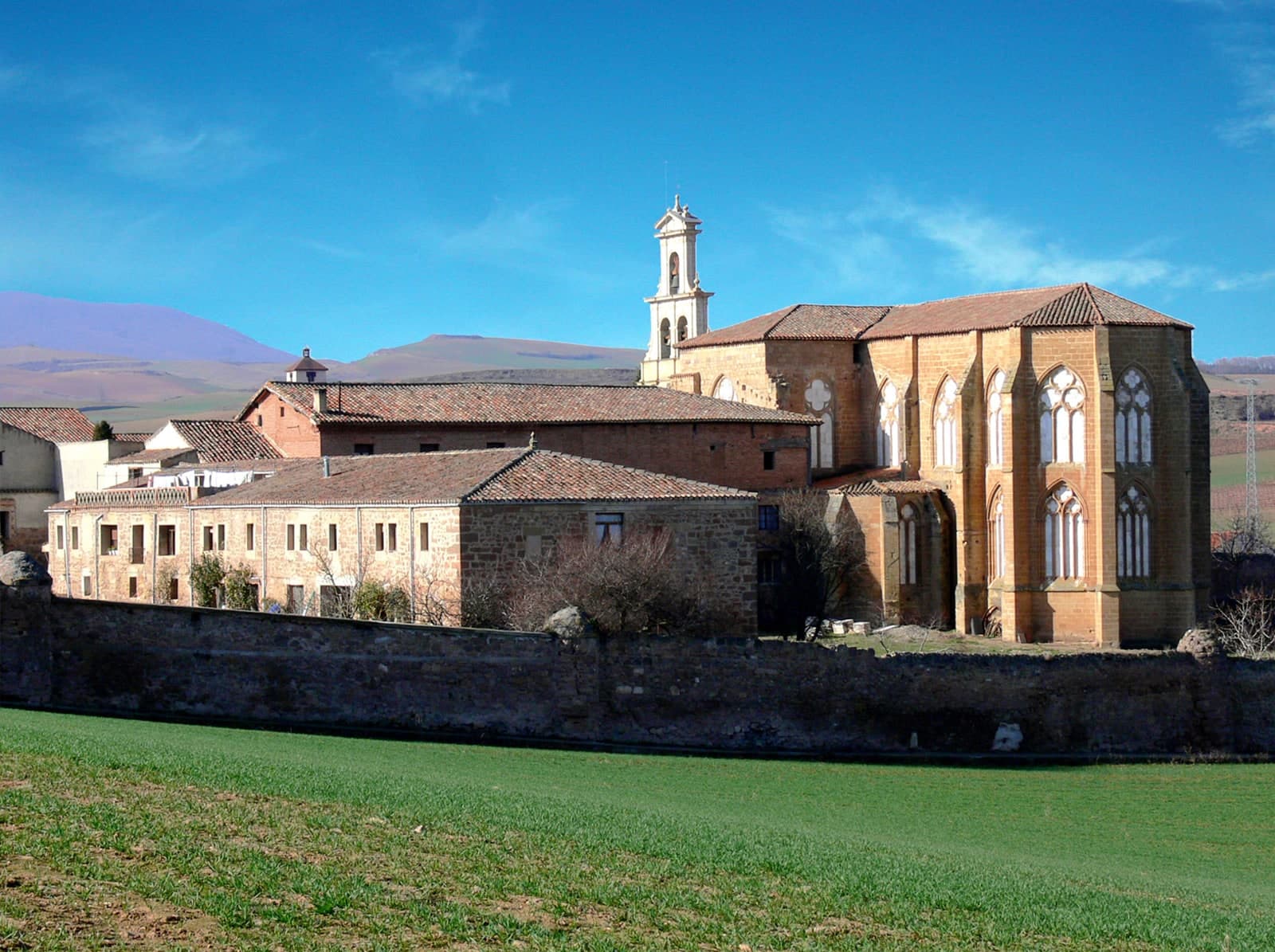
Cañas Monastery
A Cistercian abbey in La Rioja known as the Monastery of Light, home to one of the first female Cistercian communities on the Iberian Peninsula and still inhabited by nuns.
 Monastery
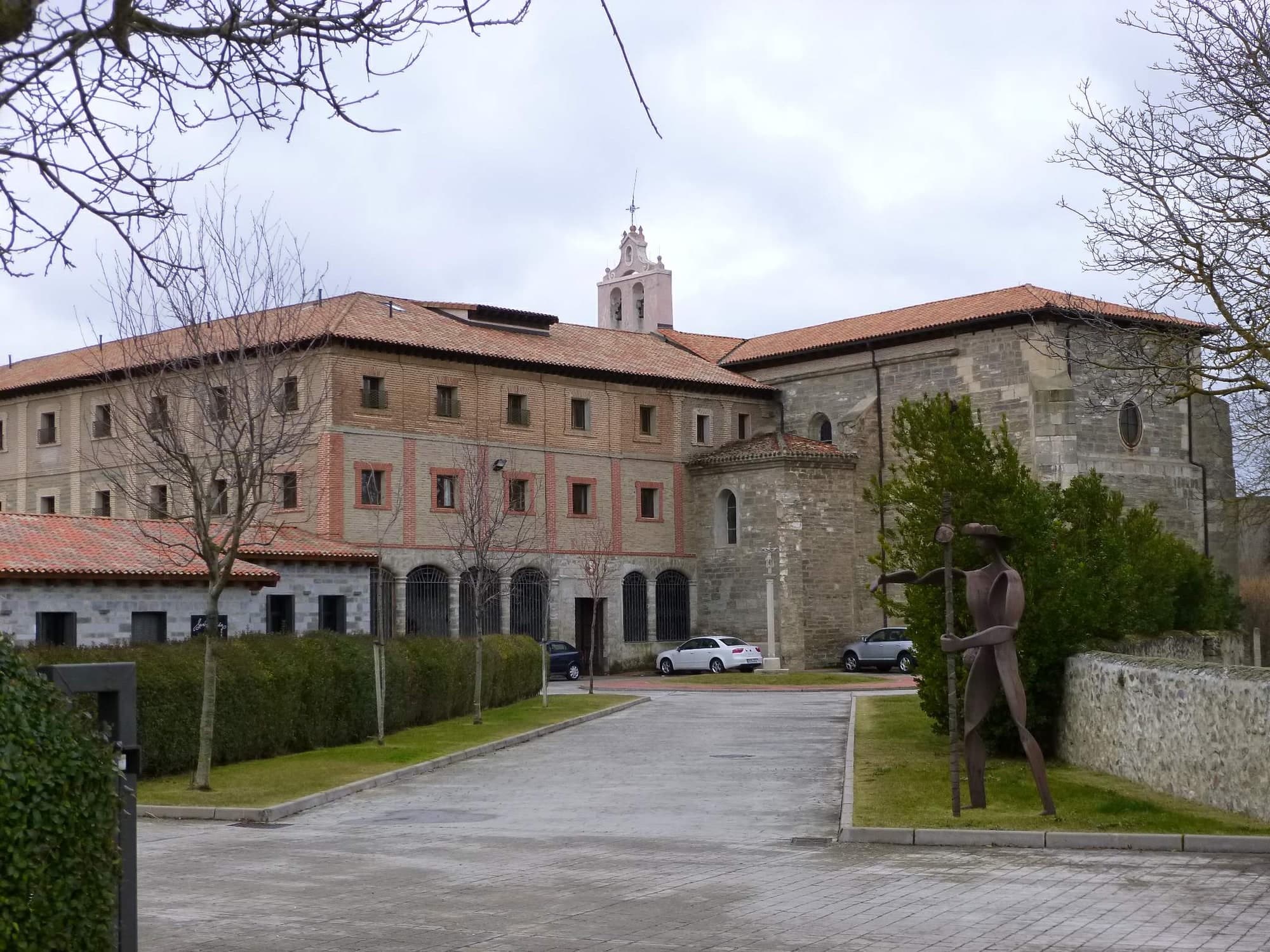
 of Santa Clara
A convent of Poor Clare nuns in Belorado, also known as Nuestra Señora de Bretonera, recognised as an associated element of the Camino de Santiago.
 Monastery
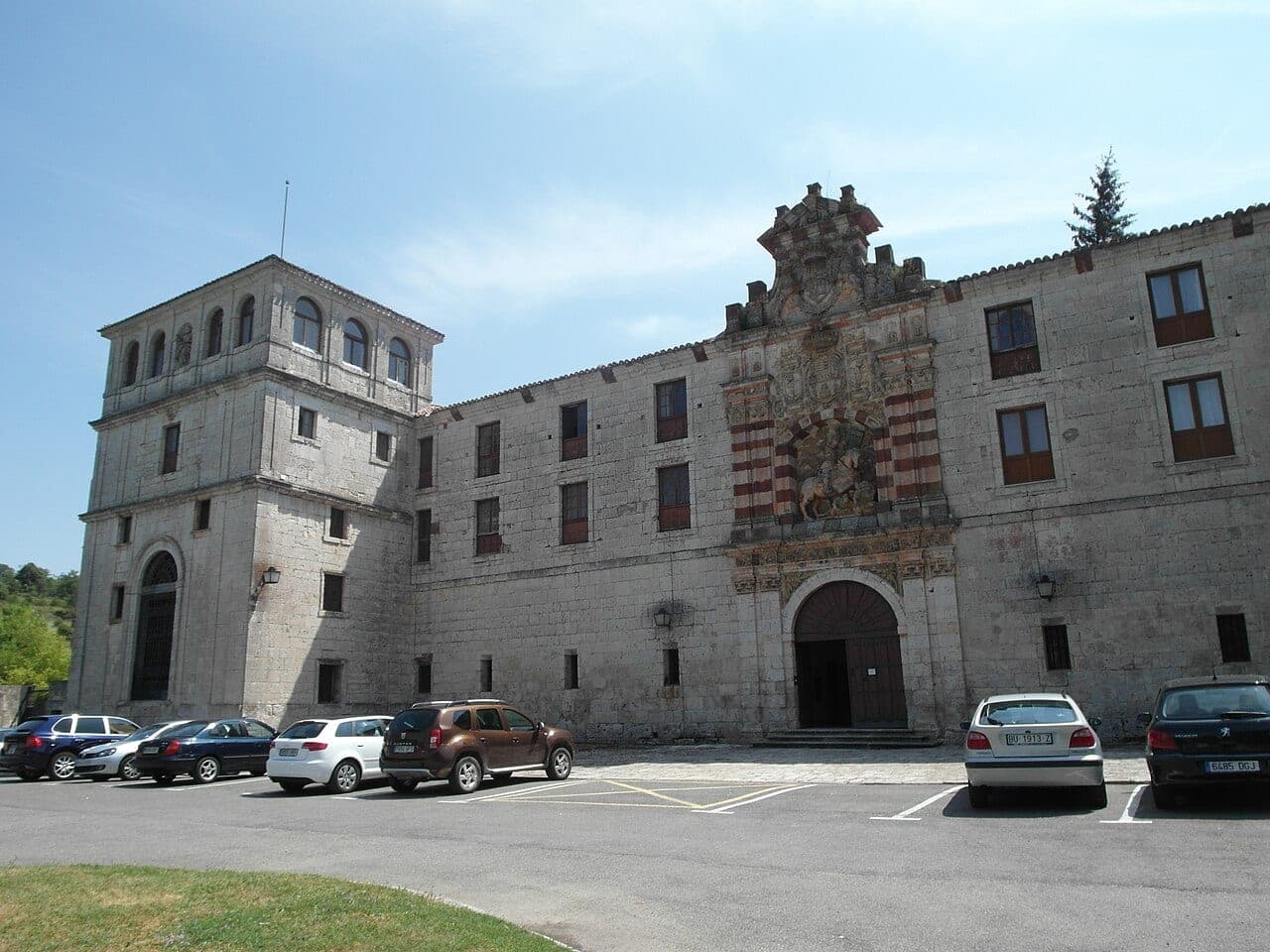
 of San Pedro de Cardeña
A Trappist abbey just 10 km from Burgos, a Historic-Artistic Monument since 1931 and linked to the UNESCO-recognised legacy of the Camino de Santiago.