
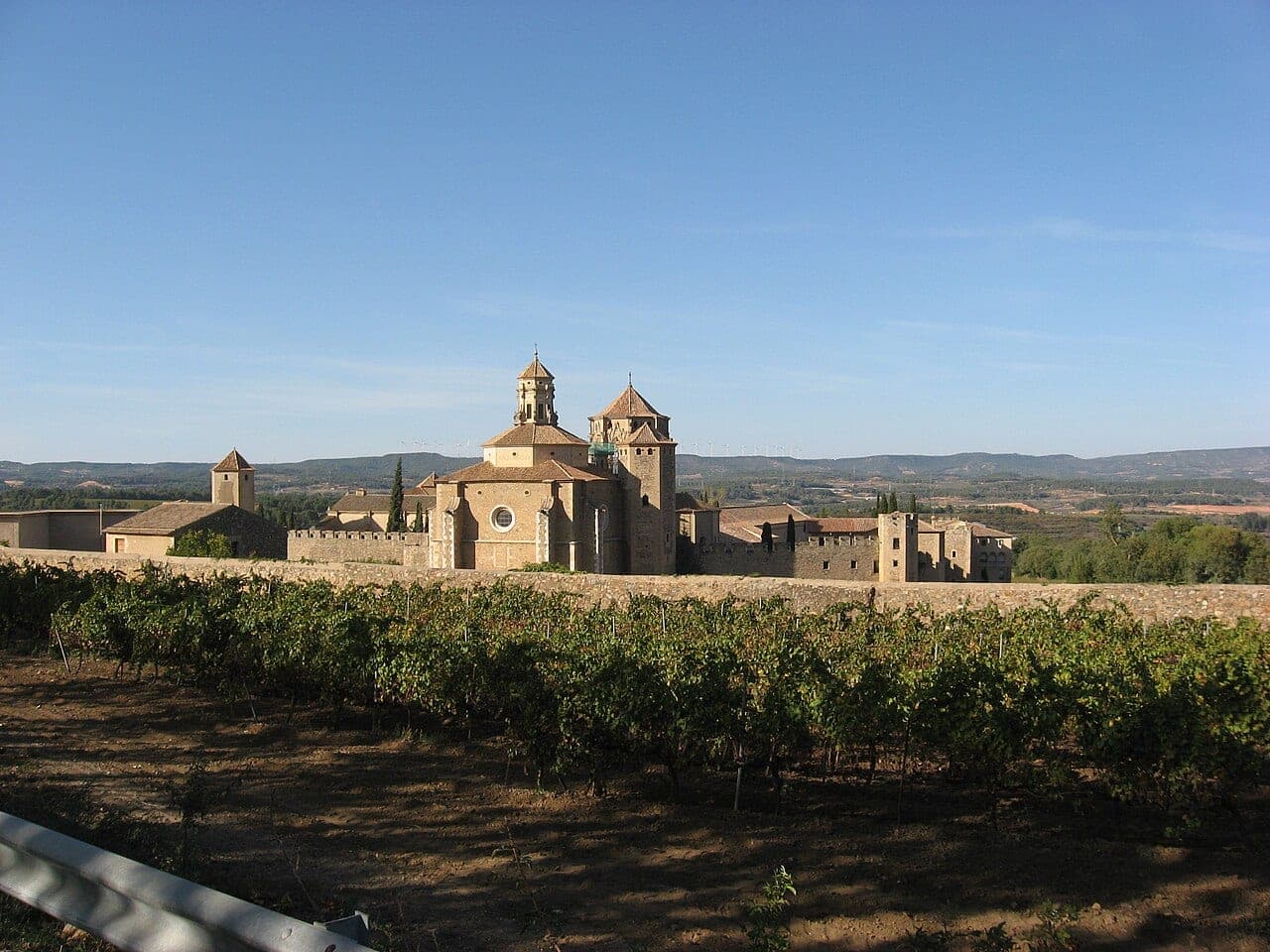
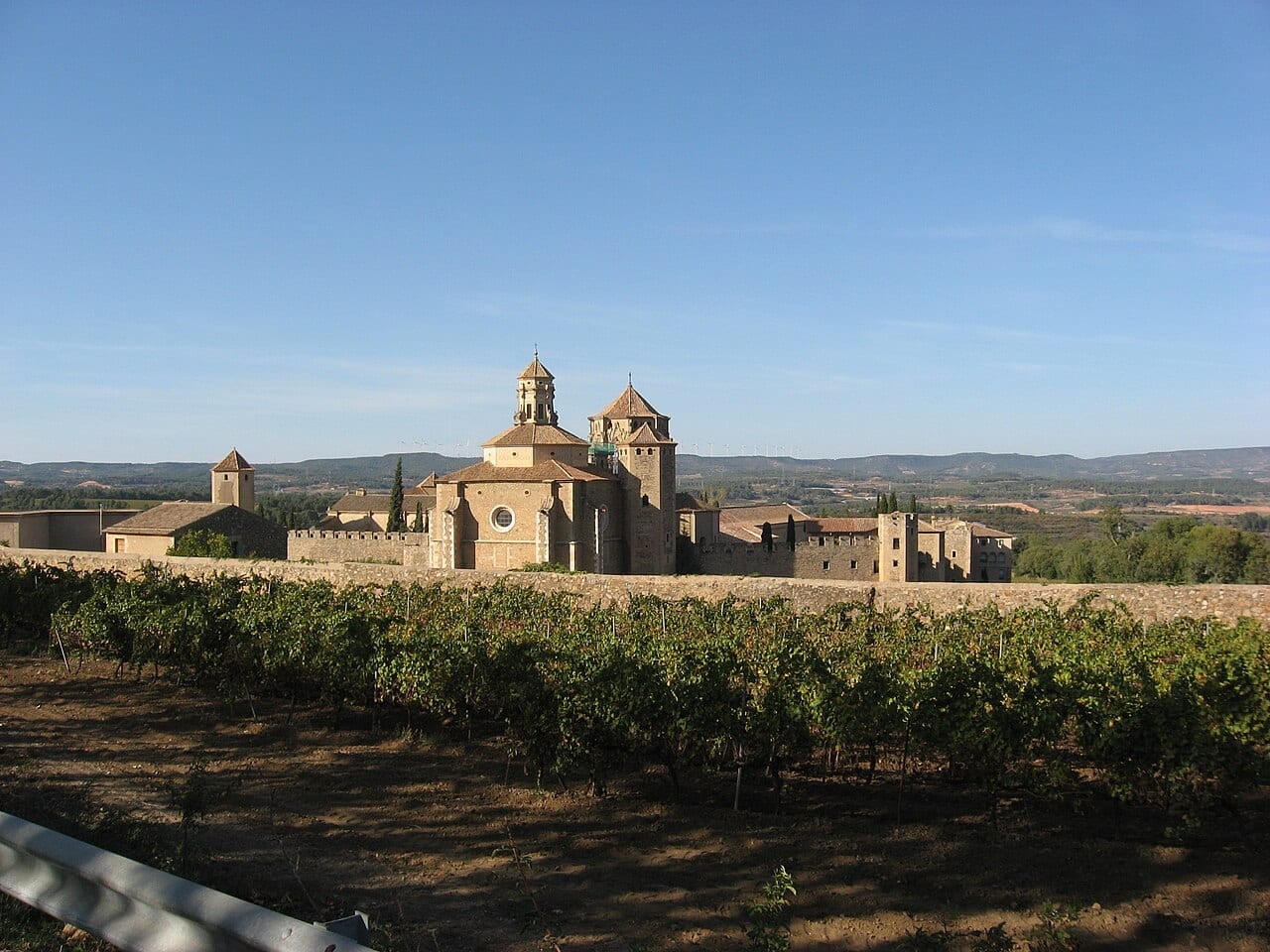
Poblet Monastery
Description
Few places capture the spirit of the Cistercian order quite like the Royal Monastery of Santa Maria de Poblet, regarded as the archetypal Cistercian abbey in Spain. Step inside its walls today and you are not simply visiting a monumental complex: you are entering a living house, once again home to a community of monks. That is why some areas remain cloistered and closed to visitors, a detail that, far from detracting from the experience, is a reminder that monastic life carries on here.
Its story begins in the mid-12th century in the Conca de Barberà, in what is now the municipality of Vimbodí i Poblet. It was Ramon Berenguer IV, Count of Barcelona, who championed and sponsored the first monastery, handing it over in 1149 to Bernardine monks who had come from Fontfroide Abbey. Successive donations gradually enriched it until it reached its golden age in the 14th century.
A decisive factor in this prestige was its role as the royal pantheon of the Crown of Aragon, a function it fulfilled from the late 14th century until the Aragonese royal line died out in the 15th century. Poblet thus became a place closely bound up with the memory of its monarchs.
Its fortunes took a turn for the worse in 1835, when Mendizábal's ecclesiastical confiscations plunged it into utter decline and abandonment. Recovery came almost a century later: restoration work began in 1930, the church reopened for worship in 1935, and the first monks returned in 1940.
In 1991 UNESCO declared it a World Heritage Site, an honour it shares in Spain with such notable monasteries as Guadalupe, El Escorial and San Millán de Yuso and Suso. All the more reason to give it an unhurried visit.
Routes that include this monument
Community photos
Log in to upload your photos of this monument.
Best time to visit
Spring and autumn, although it can be visited almost all year round on the coast.
Location
Similar monuments
 Monastery
Sant Benet de Montserrat
An abbey of Benedictine nuns perched on a slope of Montserrat, a place of silence and prayer renowned for its handmade ceramics: vases, painted tiles and small sculptures.
 Monastery
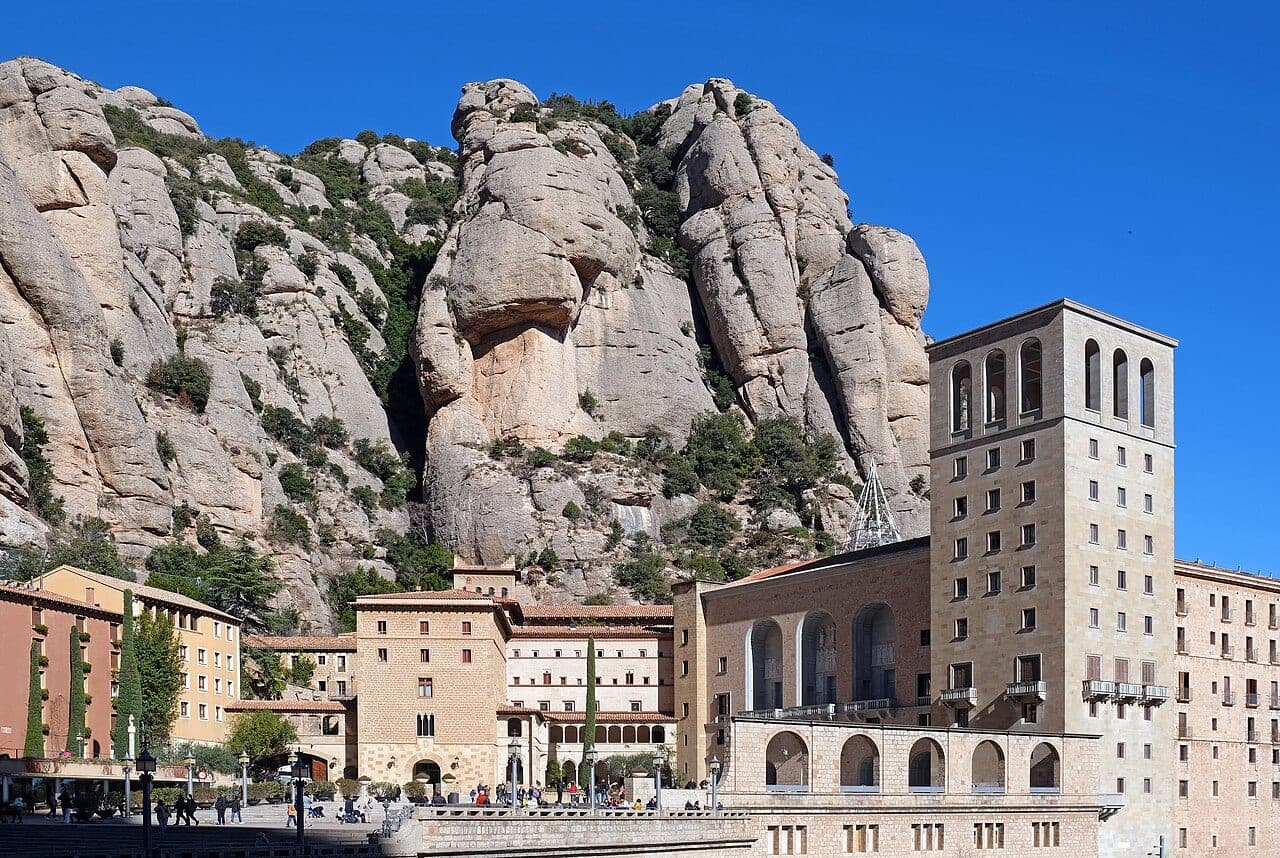
Montserrat Abbey
A Benedictine abbey perched 720 metres up on the mountain of Montserrat, a symbol of Catalonia, a destination for pilgrims and home to one of the oldest boys' choirs in Europe.
 Monastery
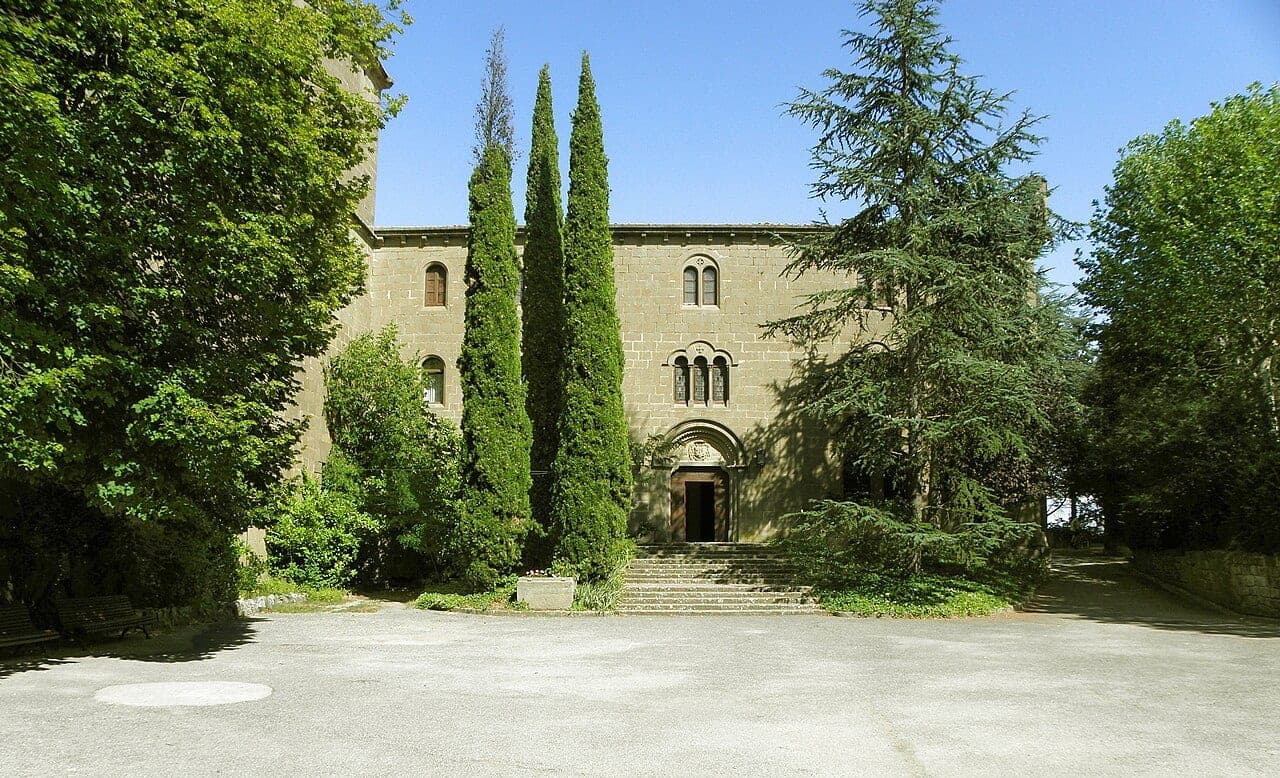
 of El Miracle
A Benedictine monastery within the Sanctuary of El Miracle, in Riner, where a small community of monks linked to Montserrat keeps monastic life alive.
 Monastery
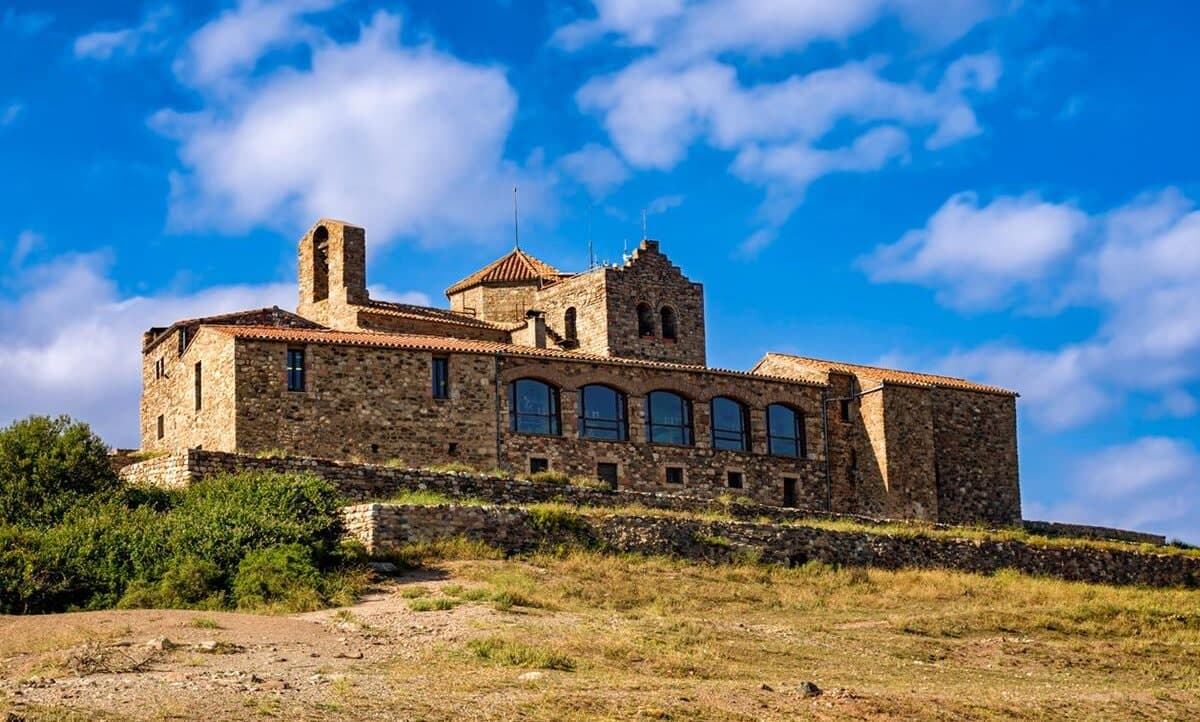
Sant Llorenç del Munt Monastery
Perched on top of La Mola, this 11th-century Romanesque monastery, a half-scale replica of Sant Cugat, rewards the climb with reddish stone, silence and views over the Vallès.