
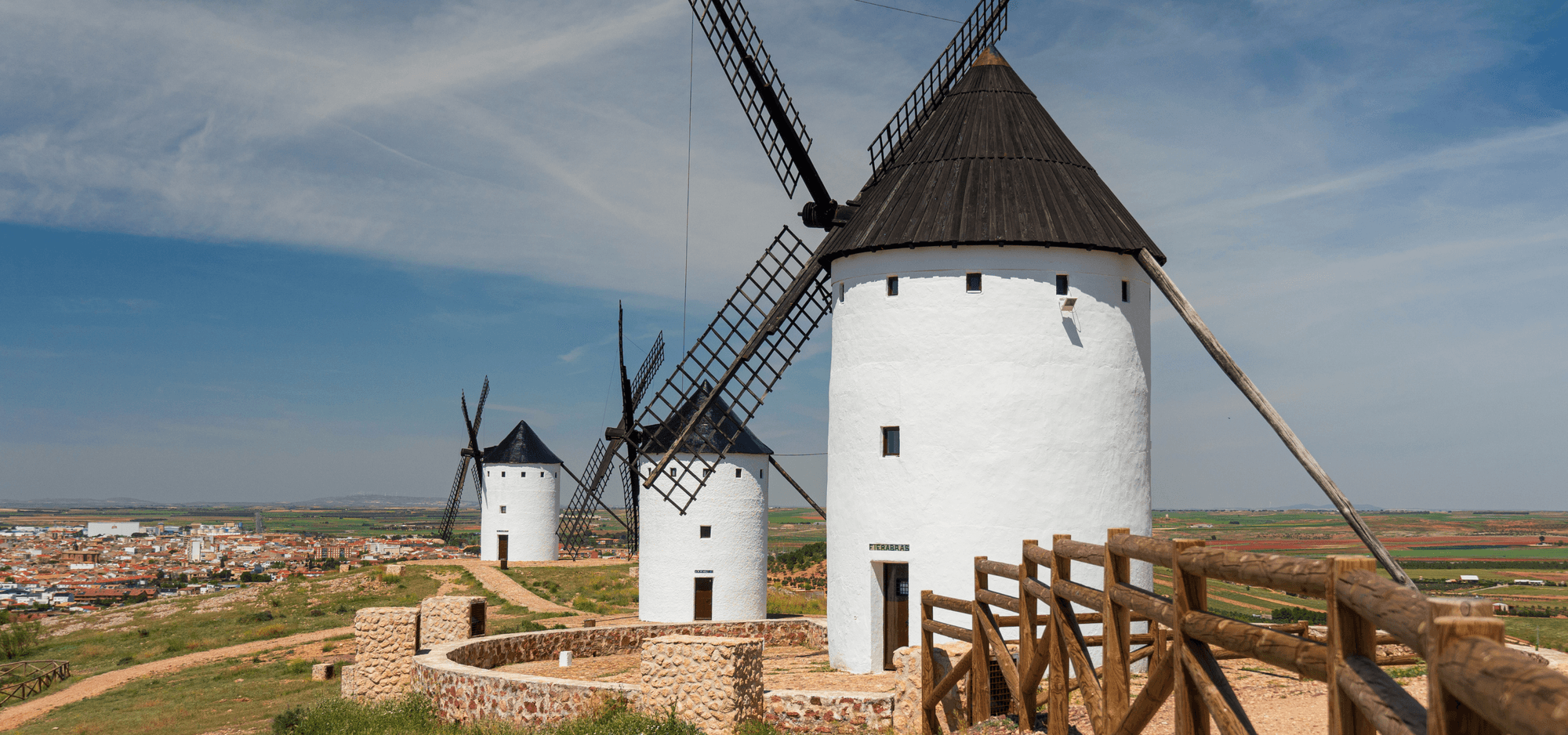
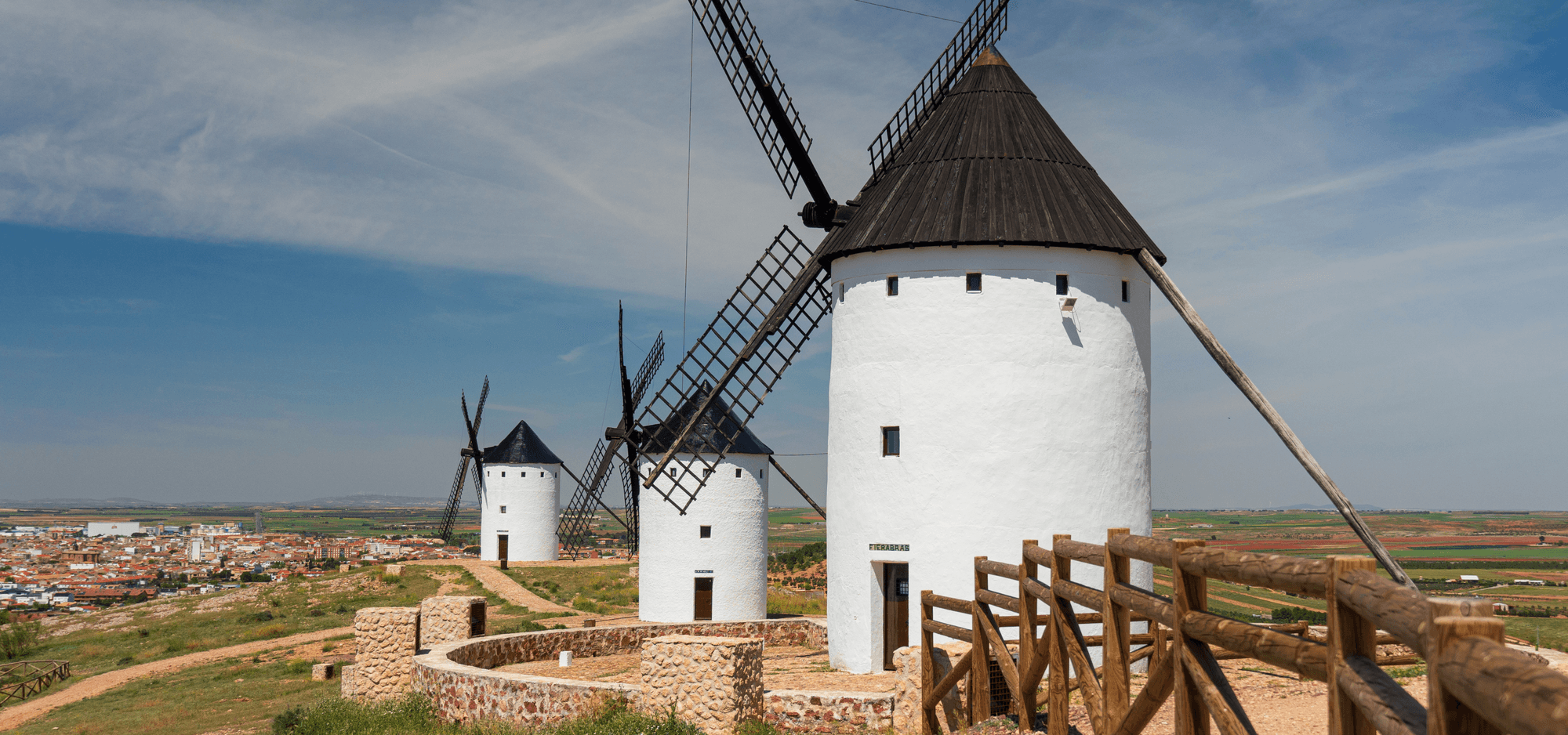
Windmills of Alcázar de San Juan
Description
Anyone who climbs up to see the windmills of Alcázar de San Juan will find at their feet a town with far more history than its flat plains might suggest. Its name comes from the Arabic Al-kasar, 'fortified palace', the defensive network built when La Mancha was a no-man's-land after 711. Before that, the Romans passed through here, alongside the road linking Mérida with Zaragoza via Toledo, and left behind mosaics discovered in 1953 that are now on display in the municipal museum.
The great medieval protagonist was the Order of the Knights Hospitaller of St John, which in the 13th century built the town's most emblematic building: the Tower of the Grand Prior, also known as the Tower of Don Juan of Austria. The nickname has its reasons, as between 1665 and 1670 Prince John Joseph of Austria, the illegitimate son of Philip IV and 'La Calderona', lived in exile in the Order's palace.
The 16th century was Alcázar's golden age. In 1532 the Convent of San Francisco, in Transitional Gothic style, was consecrated, and a Franciscan university operated there; the parish church of Santa María la Mayor, with Visigothic elements, became a collegiate church, and in 1742 a Baroque camarín was added, with a dado and floor of Talavera ceramic tiles. Also worth a visit are the Herrerian church of Santa Quiteria, designed to plans by Juan de Herrera, and the Baroque Convent of the Holy Trinity. The Poor Clares of Santa Clara are credited with the recipe for the famous tortas de Alcázar.
To round off the visit, on the outskirts lies the lagoon complex of La Veguilla, Camino de Villafranca and Las Yeguas, part of the Mancha Húmeda Biosphere Reserve, where flamingos and herons can be seen all year round.
Routes that include this monument
Community photos
Log in to upload your photos of this monument.
Best time to visit
With a continental Mediterranean climate of scorching summers and cold winters, spring and autumn are ideal for exploring the windmills, the historic centre and the lagoons in the open air, where birds can also be seen all year round.
Location
Similar monuments
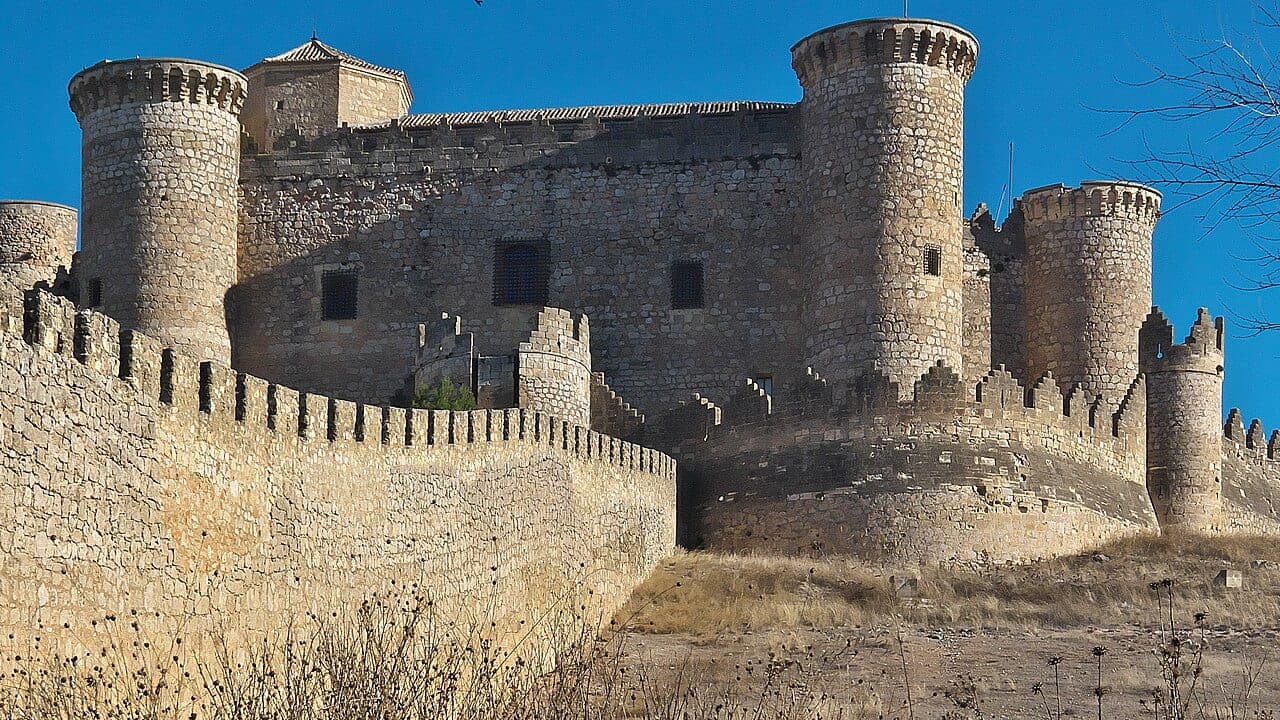 Castle
Belmonte Castle
A fortress rising above the hill of San Cristóbal on the outskirts of Belmonte, protected as a monument since 1931 and now a Site of Cultural Interest.
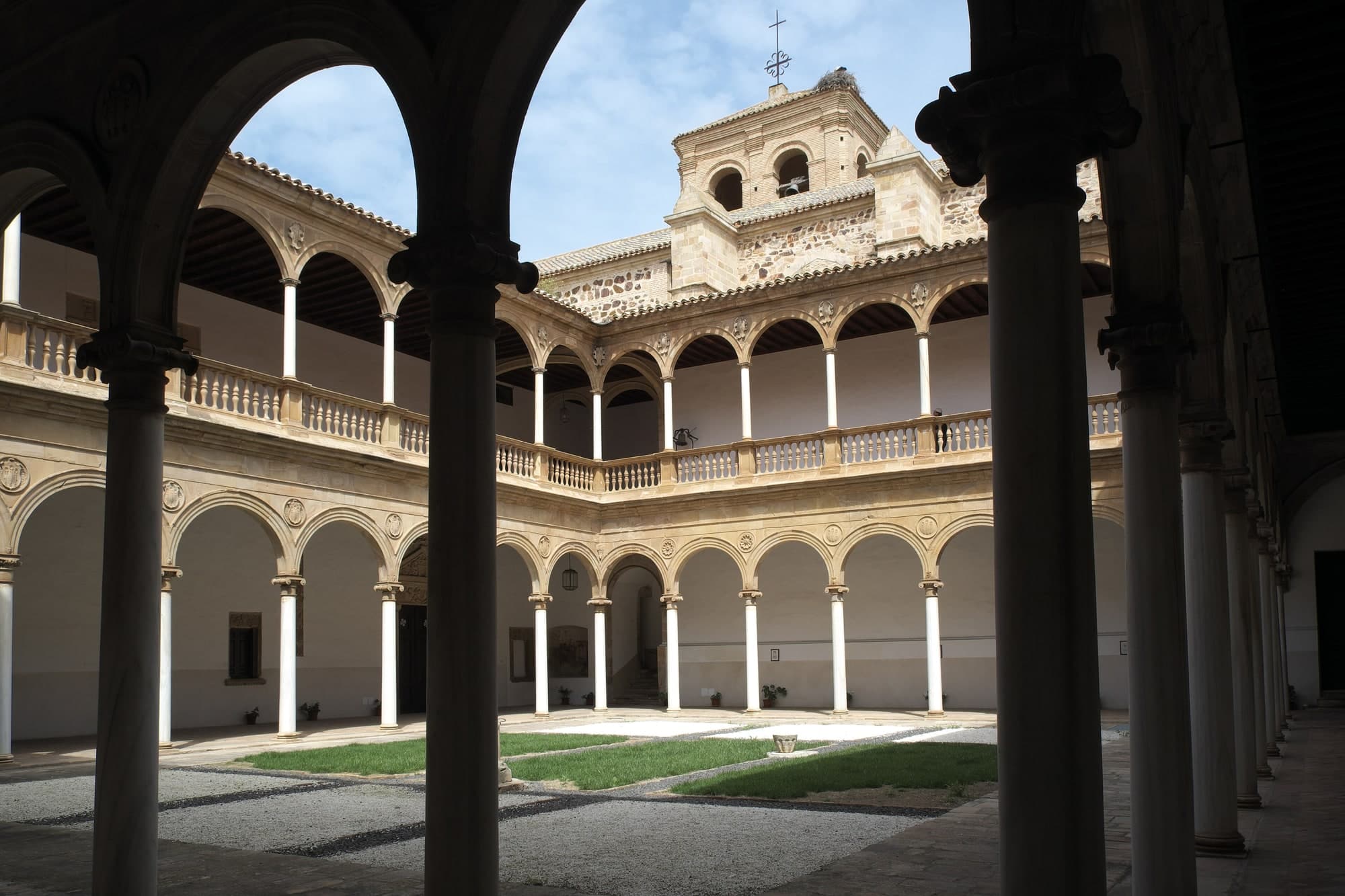 Monastery
Convent of the Assumption of Calatrava
A convent in Almagro, in the province of Ciudad Real, whose name brings together the dedication to the Assumption and the name of Calatrava. A worthwhile stop for anyone exploring the town at a leisurely pace.
 Castle
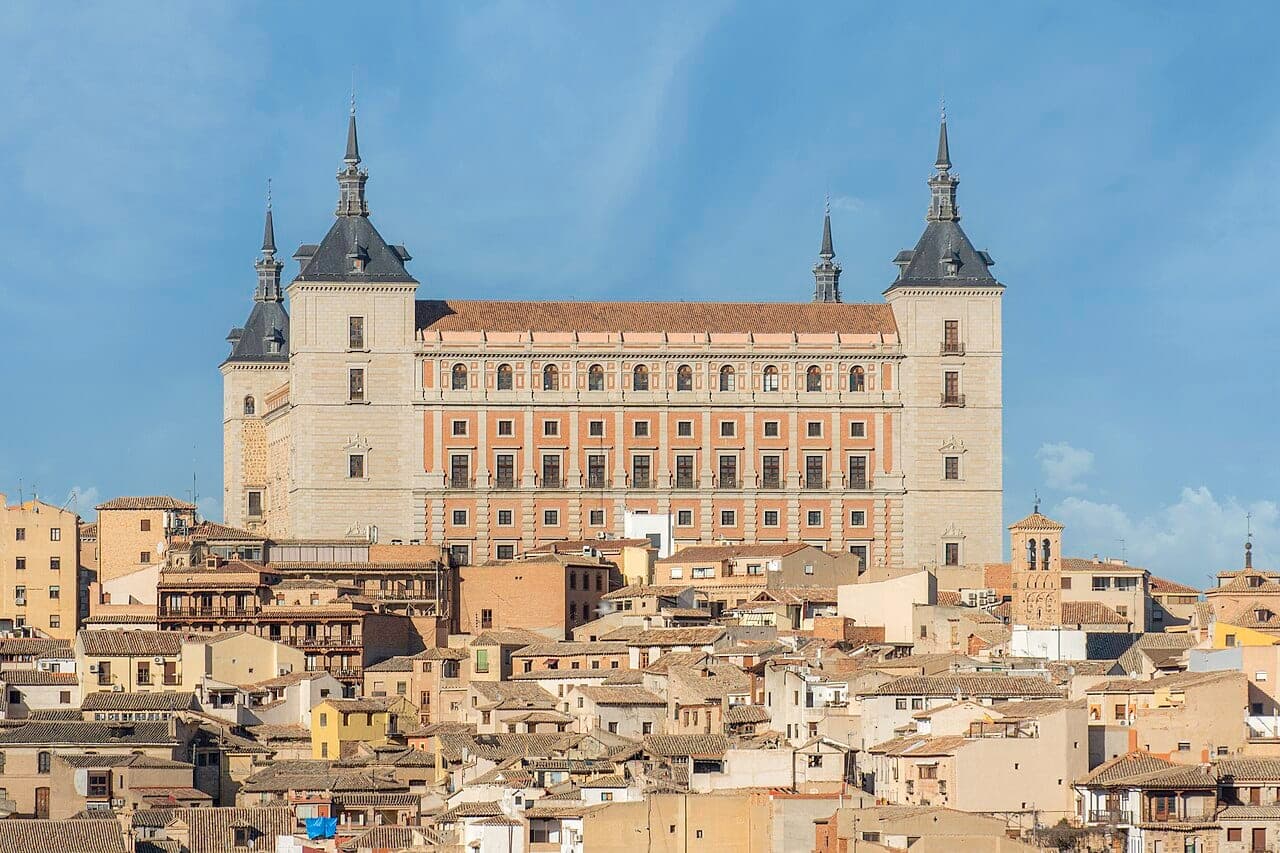
Alcázar of Toledo
Crowning the highest point of Toledo, the Alcázar sums up centuries of history, from Roman palace to imperial residence, and today houses the Army Museum and the Library of Castile-La Mancha.
 Monastery
Convent of Santa Isabel de los Reyes
The Toledo convent of Santa Isabel de los Reyes, a worthwhile stop for anyone keen to discover the religious heritage of the Imperial City.