
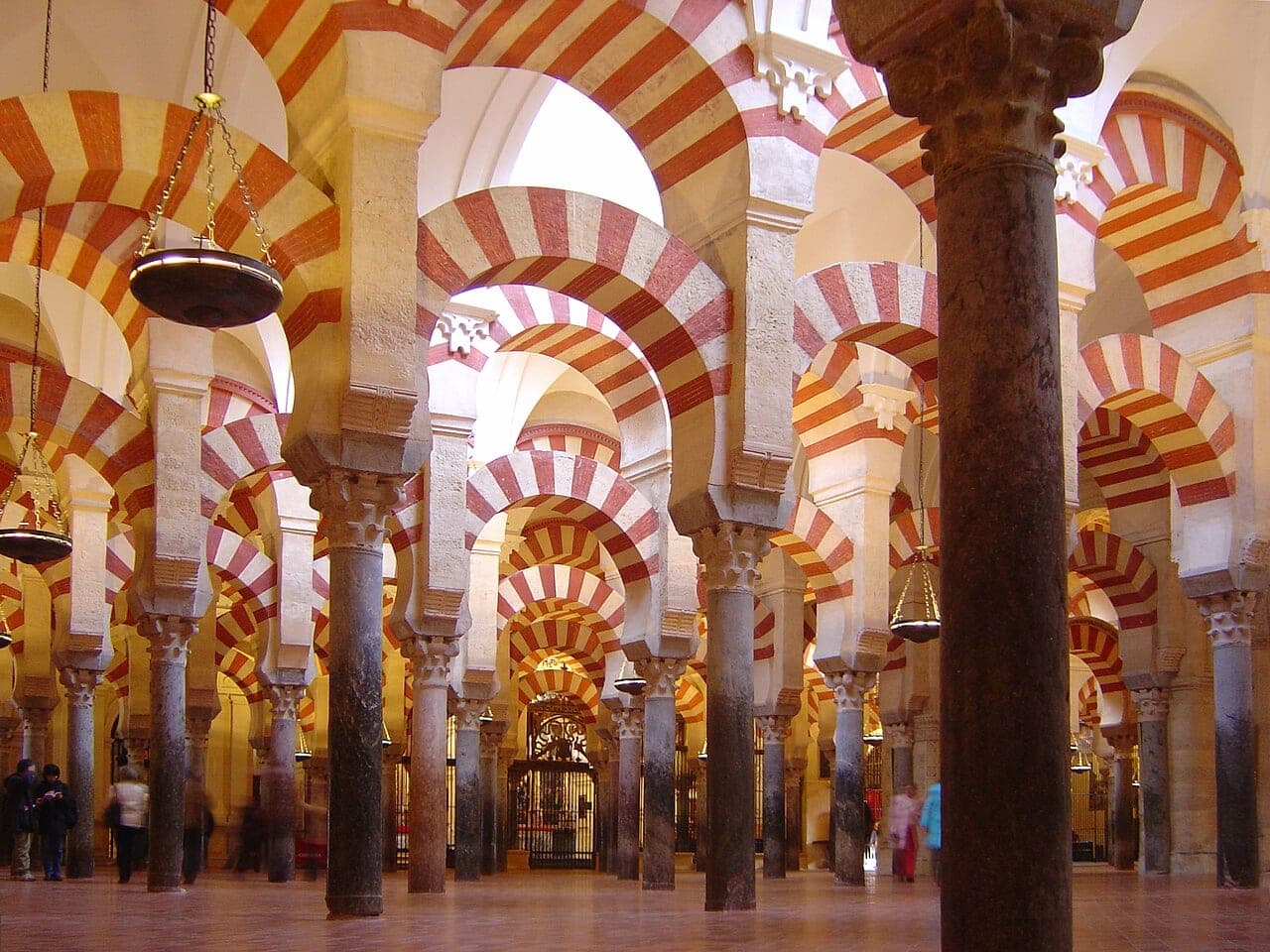

Mosque-Cathedral of Córdoba
Description
Few visits in Spain are as disconcerting and fascinating as the Mosque of Córdoba. Step through its doors and you pass from a forest of Andalusi columns and arches to a Christian main chapel built in the very heart of the Islamic temple, without ever leaving the same building. This coexistence of worlds, officially consecrated as the Cathedral of Our Lady of the Assumption, is the key to understanding the city's most important monument and the crowning jewel of Hispano-Muslim art.
The site's history begins before the Umayyads. Excavations have unearthed a 5th-century episcopal complex, and Islamic sources speak of a basilica dedicated to Saint Vincent that the Muslims are said to have partly reused. It was Abd al-Rahman I, founder of the Emirate of Córdoba, who towards the end of his life, in 786, ordered the congregational mosque to be built. His successors steadily enlarged it: Abd al-Rahman III, the first caliph, added a new minaret in 958, and his son al-Hakam II was responsible in 971 for the most sumptuous part, the new mihrab and the maqsura, which deserve to be admired at leisure.
At its height it covered some 23,400 square metres, making it the second-largest mosque in the world after the one in Mecca, a position it held until the Blue Mosque of 1588. A curious detail for the observant visitor: its qibla wall does not face Mecca but veers to the south, something common in the mosques of al-Andalus.
After the city was conquered by Ferdinand III in 1236, the building was consecrated for Christian worship, and two years later, with its first bishop, Lope de Fitero, it became a cathedral. The great transformation, however, came later, with the cruciform main chapel that Hernán Ruiz I, Hernán Ruiz II and Juan de Ochoa built between 1523 and 1607.
A UNESCO World Heritage Site since 1984 and chosen as one of the 12 Treasures of Spain, the Mosque-Cathedral forms part of Córdoba's historic centre and is one of the most visited monuments in the country.
Routes that include this monument
Community photos
Log in to upload your photos of this monument.
Best time to visit
Autumn, winter or spring (October to May); the heat in July and August can be extreme.
Location
Similar monuments
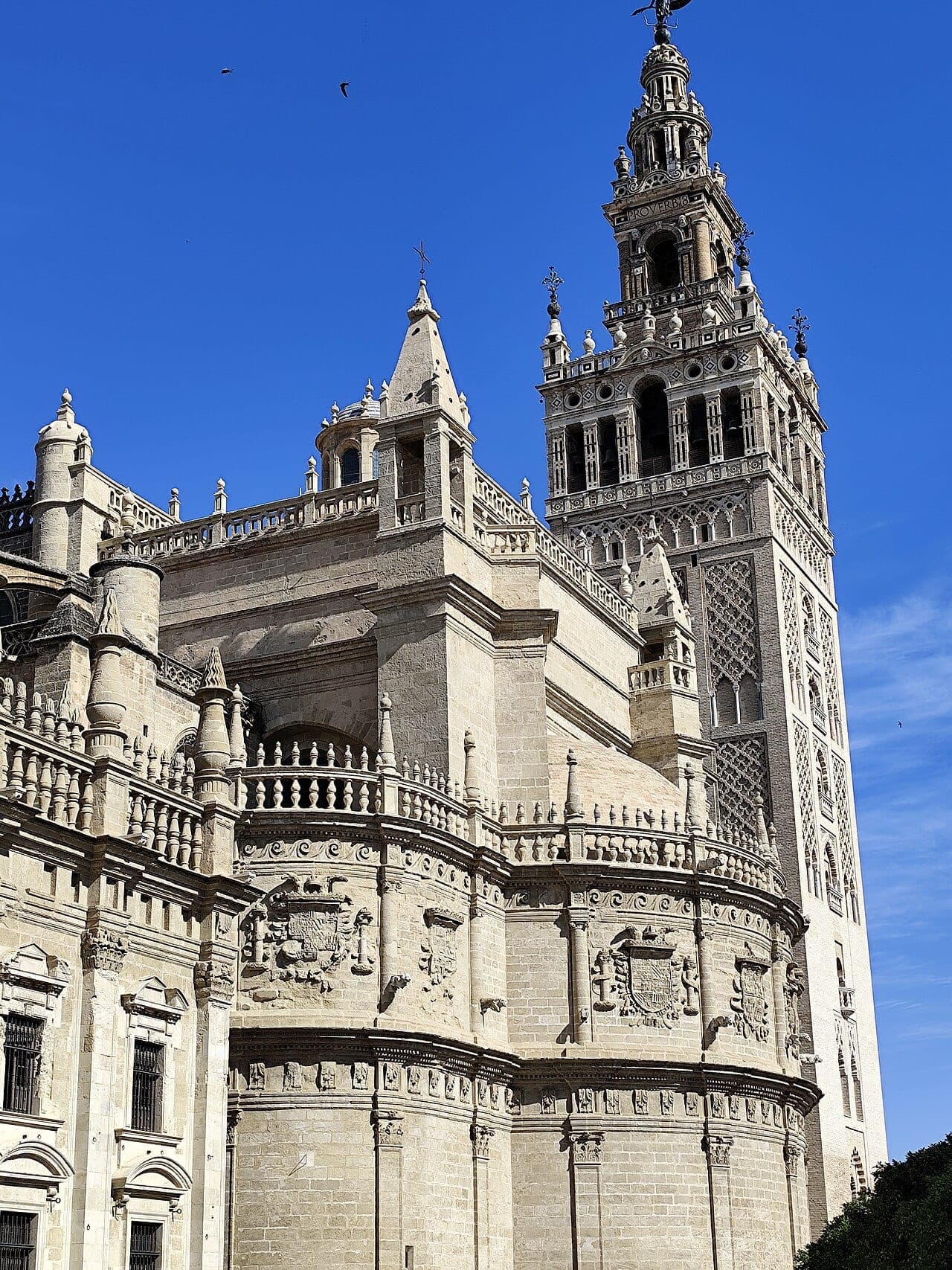 Cathedral
Seville Cathedral
The largest cathedral in the world by area, built on the site of the old great mosque, it is home to the Giralda, the Patio de los Naranjos and the tomb of Christopher Columbus.
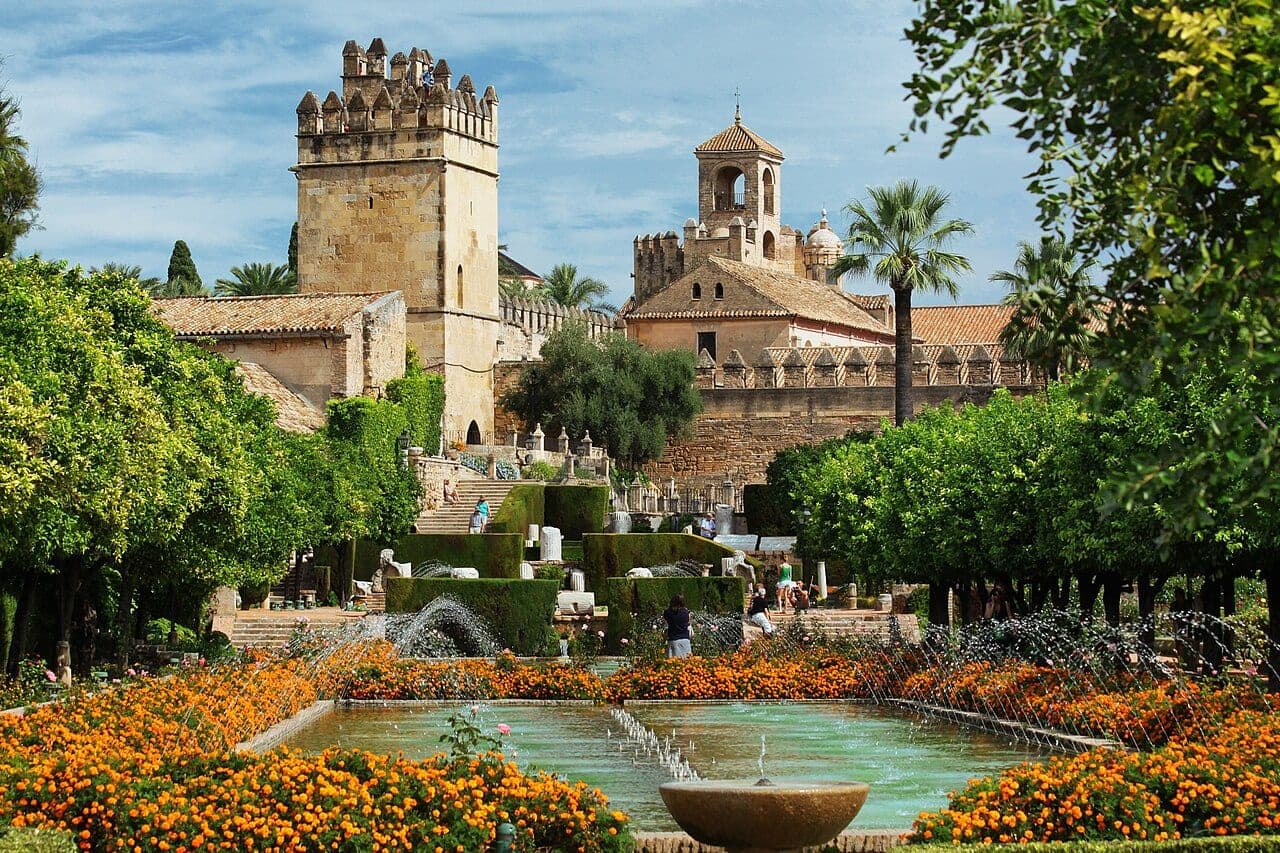 Castle
Alcázar of the Christian Monarchs
Beside the Guadalquivir, the Alcázar of the Christian Monarchs sums up centuries of Córdoba's history: Romans, Umayyads, Almohads, Castilian kings, the Inquisition and a prison.
 Church
 of San Miguel
One of Córdoba's Fernandine churches, built over a former mosque which in turn stands on the Roman forum: centuries of history layered on a single site.
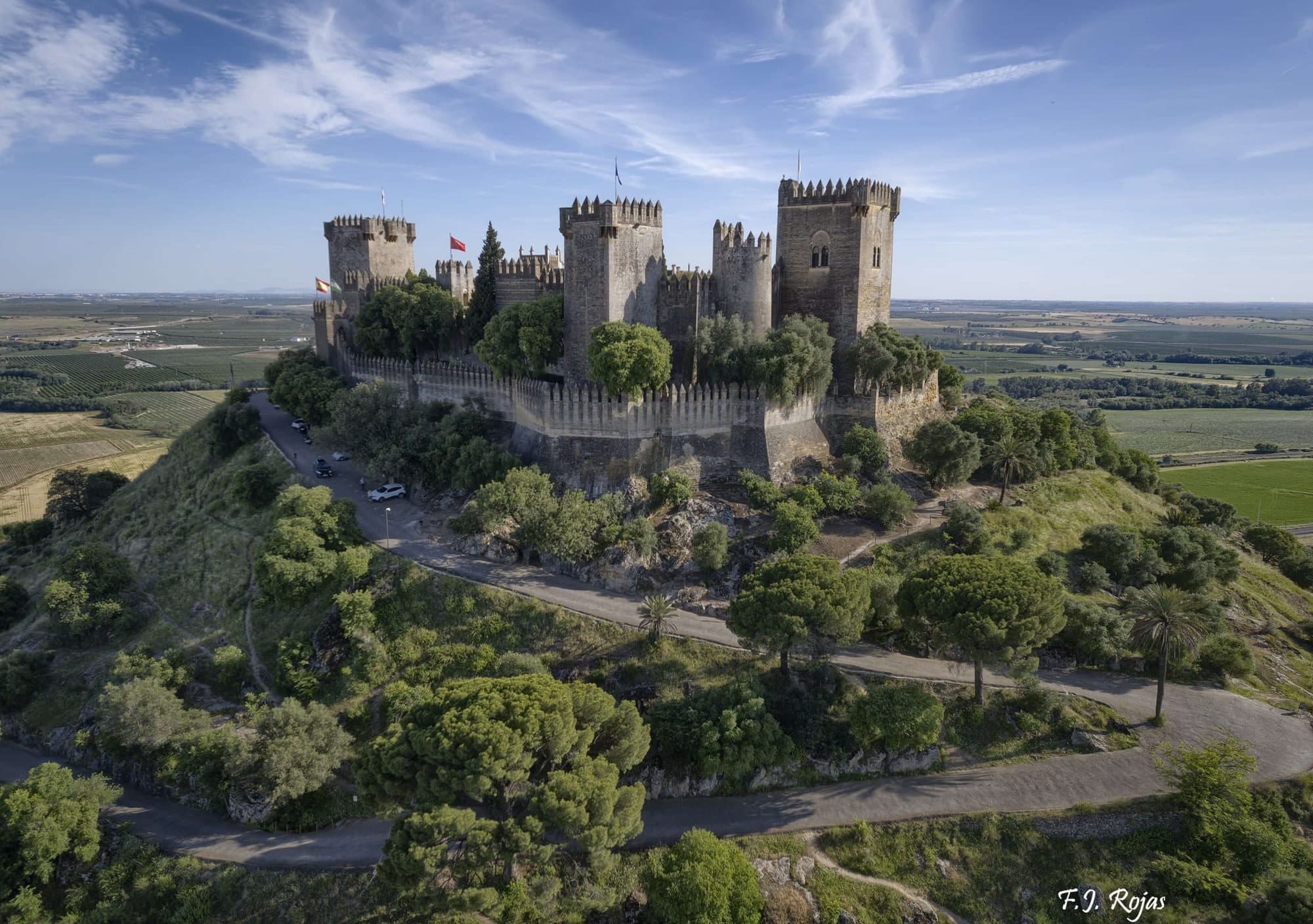 Castle
Almodóvar del Río Castle
An Andalusi fortress dating from 760, perched on the hill of El Redondo, with imposing towers and a careful early 20th-century restoration that keeps it standing.