
Seville Cathedral
Description
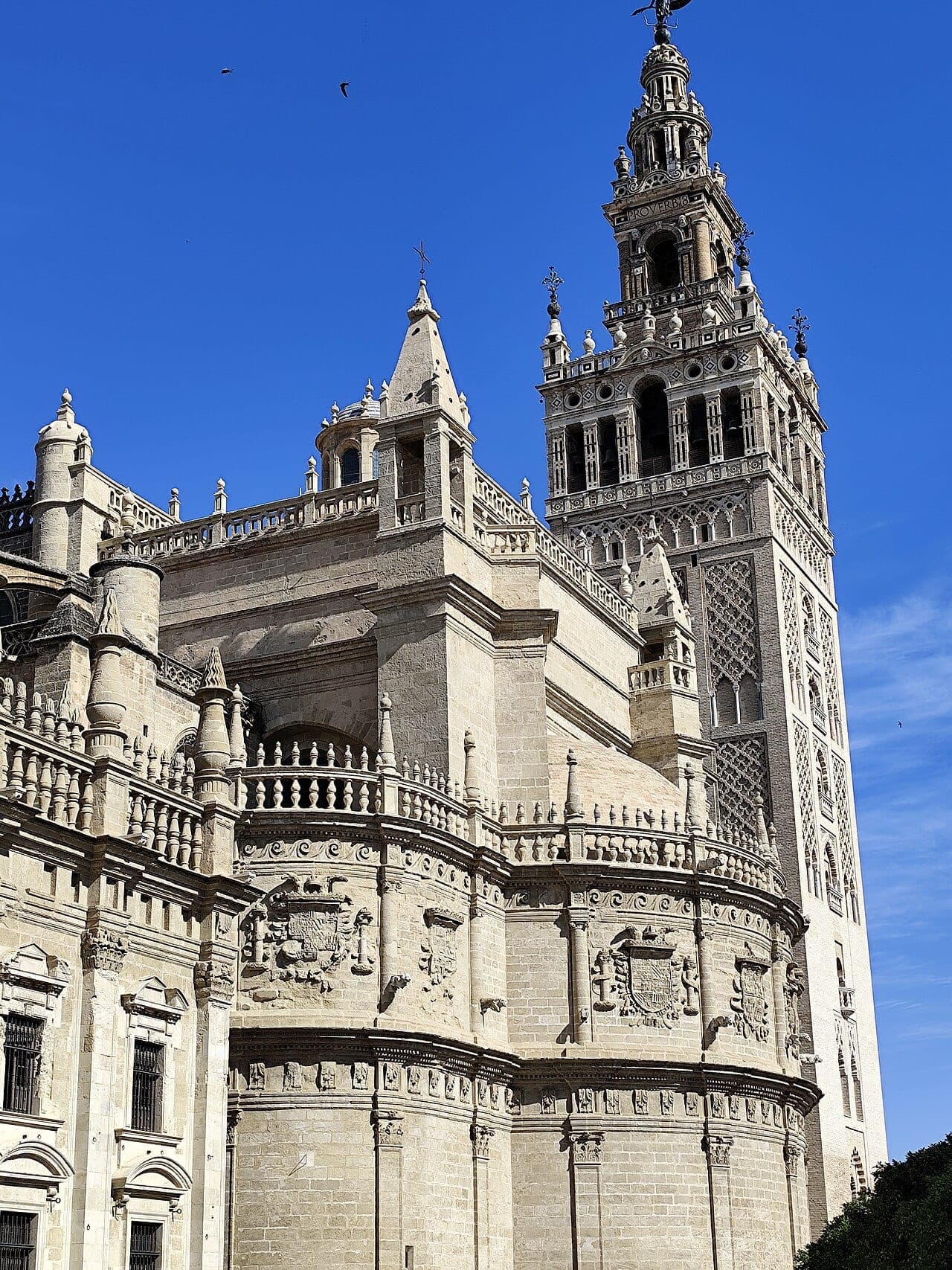
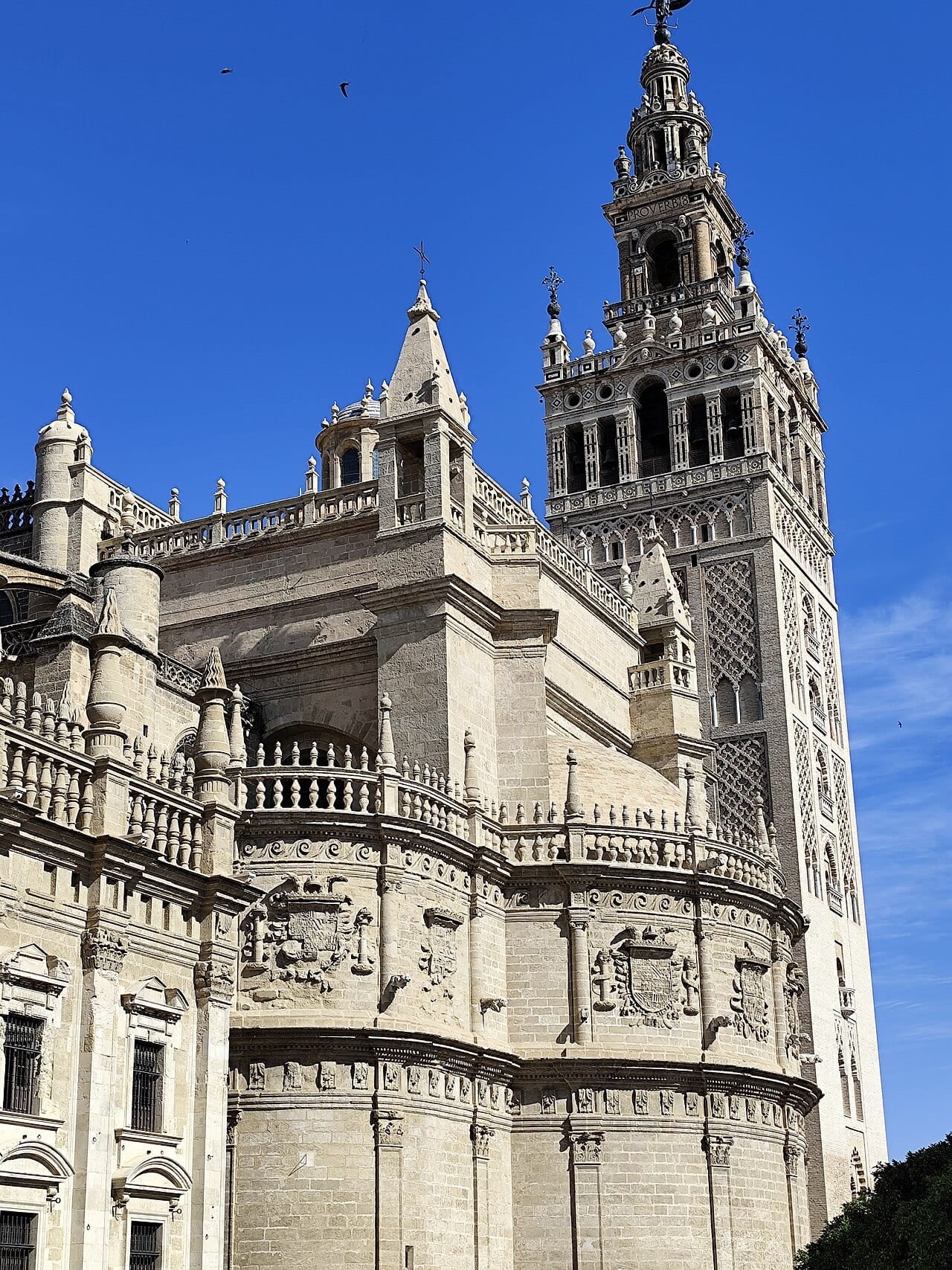
Few visits in Spain are as awe-inspiring as stepping inside Seville Cathedral. This is no local boast: in 1988 Guinness World Records certified it as the cathedral with the largest surface area in the world, and you sense its sheer scale the moment you cross the threshold. Gothic in structure and enriched with Renaissance additions, it forms part of the ensemble that UNESCO declared a World Heritage Site in 1987, together with the Royal Alcázar and the Archivo de Indias.
The building also holds a memory older than the cathedral itself. It rose on the site of the city's great mosque, which had served as a Christian church for more than a hundred and fifty years and was by then badly dilapidated. Two parts of that mosque survive and are now emblems of Seville: the minaret, transformed into the Giralda, whose uppermost section was built by Hernán Ruiz, and the Patio de los Naranjos (Court of the Orange Trees), a shady haven that makes the perfect place to end your visit.
Tradition places the start of construction in 1401, although the documents do not mention it until 1433. Among the first master builders was Master Carlín, a Norman seasoned on other great Gothic cathedrals in Europe who is believed to have arrived fleeing the Hundred Years' War. On 10 October 1506 the last stone was laid at the top of the dome, but work continued under architects such as Diego de Riaño, Martín de Gainza and Asensio de Maeda until the whole was completed in 1593. Its solidity was put to the test in 1755, when the Lisbon earthquake caused it only minor damage.
Beyond its stonework, the church is also a pantheon of the first rank. Here lie the remains of Christopher Columbus and of three Castilian kings: Ferdinand III the Saint, his son Alfonso X the Wise and Peter I the Cruel. And it remains a living place of worship, with daily services and major celebrations such as Corpus Christi, the Immaculate Conception and the Virgen de los Reyes, whose feast day is held every 15 August.
Routes that include this monument
Community photos
Log in to upload your photos of this monument.
Best time to visit
Autumn, winter or spring (October–May); the heat in July and August can be extreme.
Location
Similar monuments
 Cathedral
 of the Holy Cross
Set beside the sea and visible from almost anywhere in the city, Cádiz Cathedral blends Baroque and Neoclassical styles after more than a century of building work, and you can climb its Clock Tower.
 Cathedral
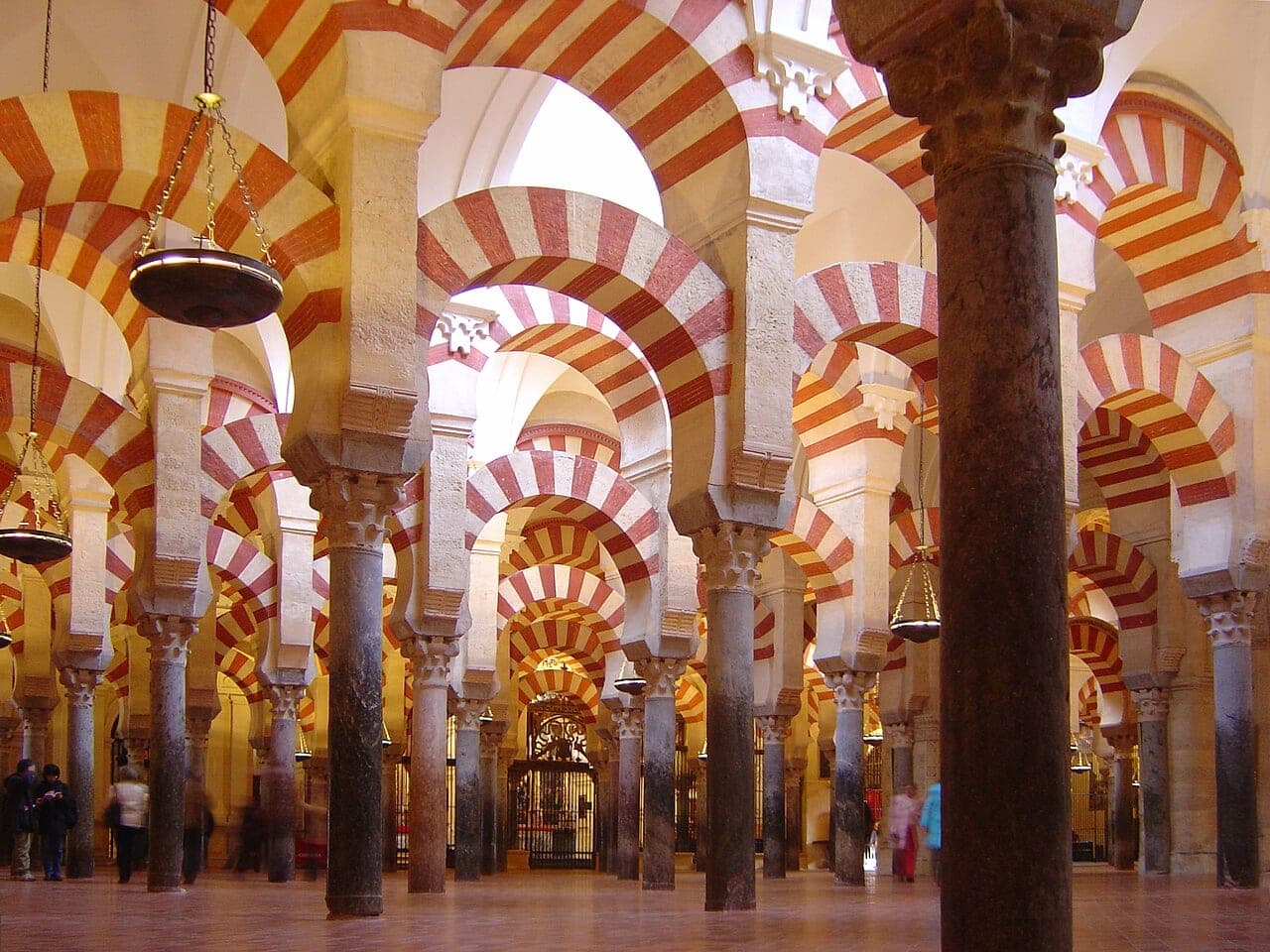
Mosque-Cathedral of Córdoba
Congregational mosque, Christian cathedral and UNESCO World Heritage Site: the great monument of Caliphal art, where twelve centuries of history coexist under a single roof.
 Church
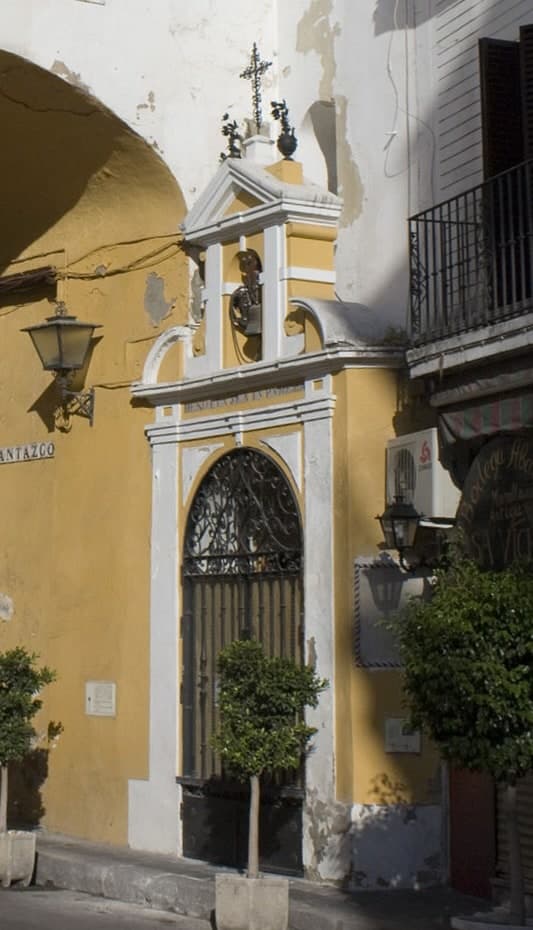
Chapel of the Pura y Limpia
A small 18th-century street chapel beside the Postigo del Aceite, one of the few surviving reminders in Seville of popular devotion to the Immaculate Conception.
 Monastery
Museum of Fine Arts of Seville
One of Spain's great art galleries, housed in the former Convent of La Merced and essential viewing for anyone wanting to discover Murillo, Zurbarán and Valdés Leal.