
Peñíscola Castle
Description
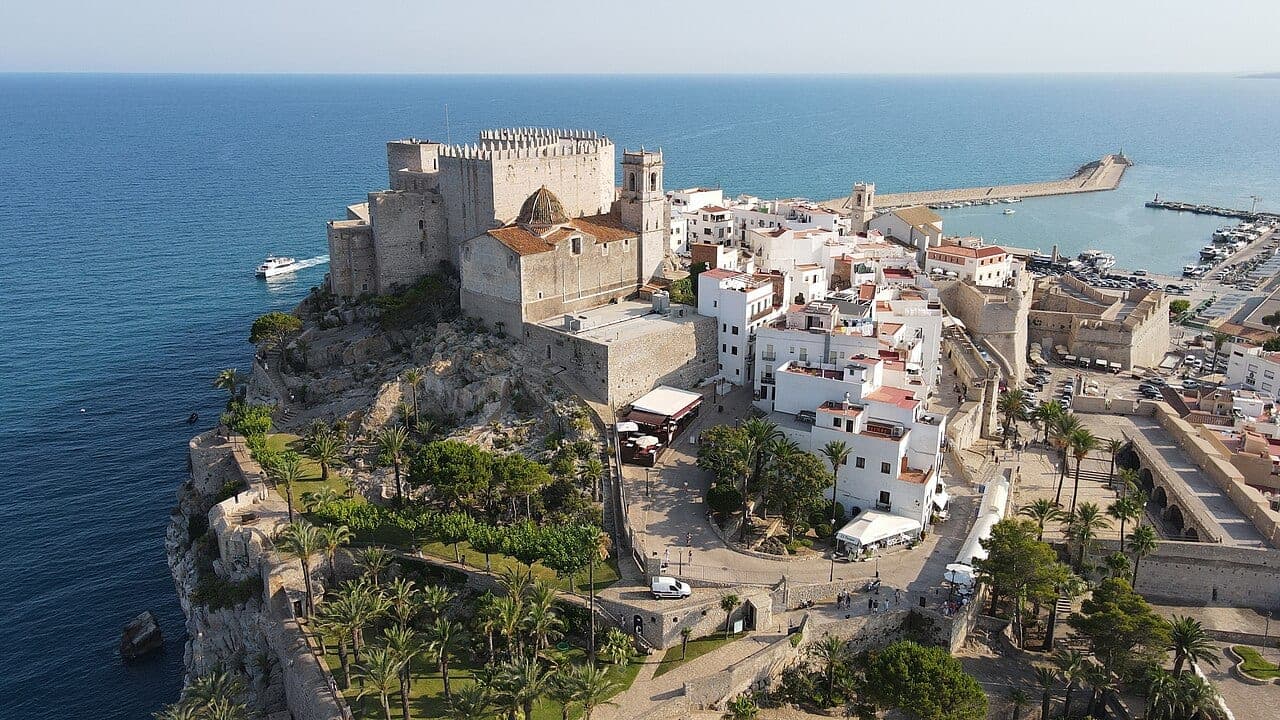
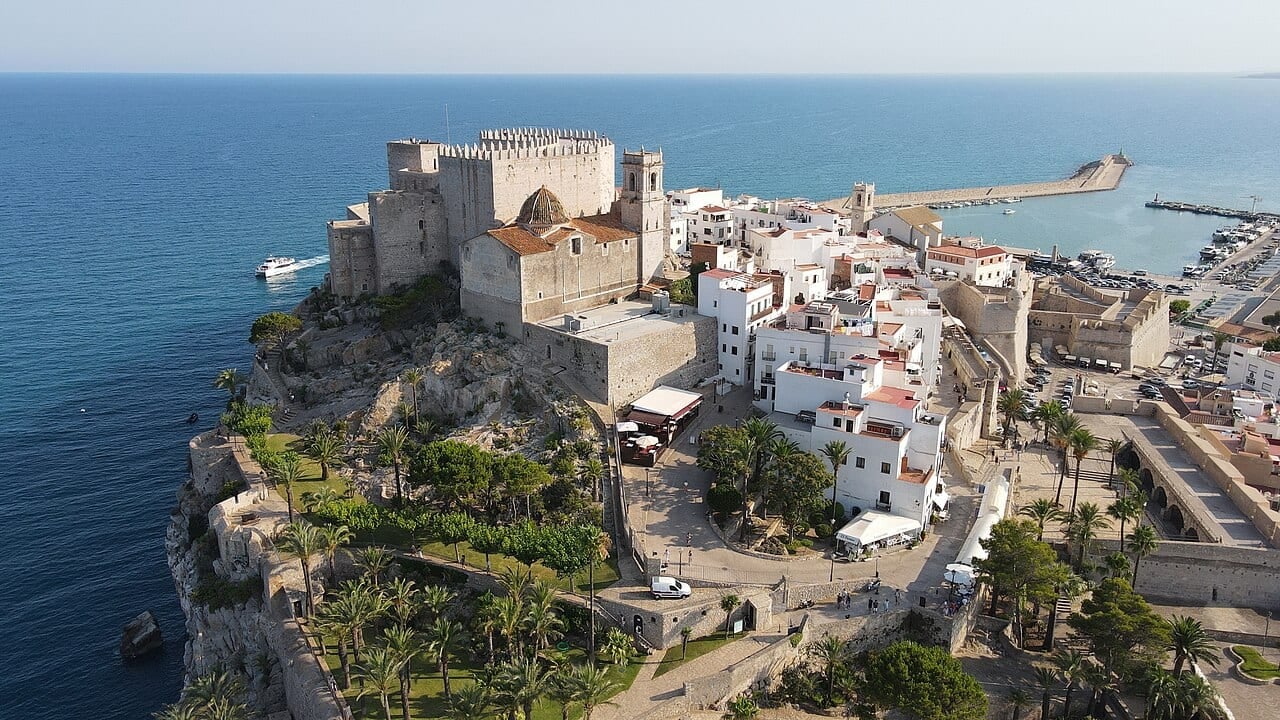
Few castles can boast of having given a language one of its expressions. At the very top of the rock that towers over Peñíscola, this castle-palace was the refuge and papal seat of Benedict XIII, the famous Pope Luna, whose unshakeable refusal to give up the papacy eventually turned into the popular Spanish phrase «mantenerse en sus trece» – literally, to stand firm on one's thirteen. Climbing up to its walls is, therefore, a chance to glimpse one of the most remarkable episodes in the history of the Church.
The protagonist of this story was Pedro Martínez de Luna y Pérez de Gotor, elected pope by the Avignon obedience during a long dispute over papal legitimacy. Far from yielding to his enemies, he made this seaside fortress the centre of his court and a symbol of his resistance, so much so that many people today know it simply as the Castle of Pope Luna.
The building, however, predates his arrival. It was the Knights Templar who built it between 1294 and 1307, making use of the remains of the old Moorish citadel that once occupied the same spot. The result is a sober, solid Romanesque structure, designed as much for defence as for the daily life of its inhabitants, which follows the shape of the rock on which it stands.
Its dimensions help explain the presence it has in the landscape: a perimeter of around 230 metres and walls averaging 20 metres in height, all crowning the rock 64 metres above sea level. From up there you can take in the entire town and the Mediterranean that surrounds it, so a visit combines historical interest with views that alone make the climb through the streets of the old town worthwhile.
Routes that include this monument
Community photos
Log in to upload your photos of this monument.
Best time to visit
Spring and autumn, to avoid the heat and the summer crowds on the coast.
Location
Similar monuments
 Castle
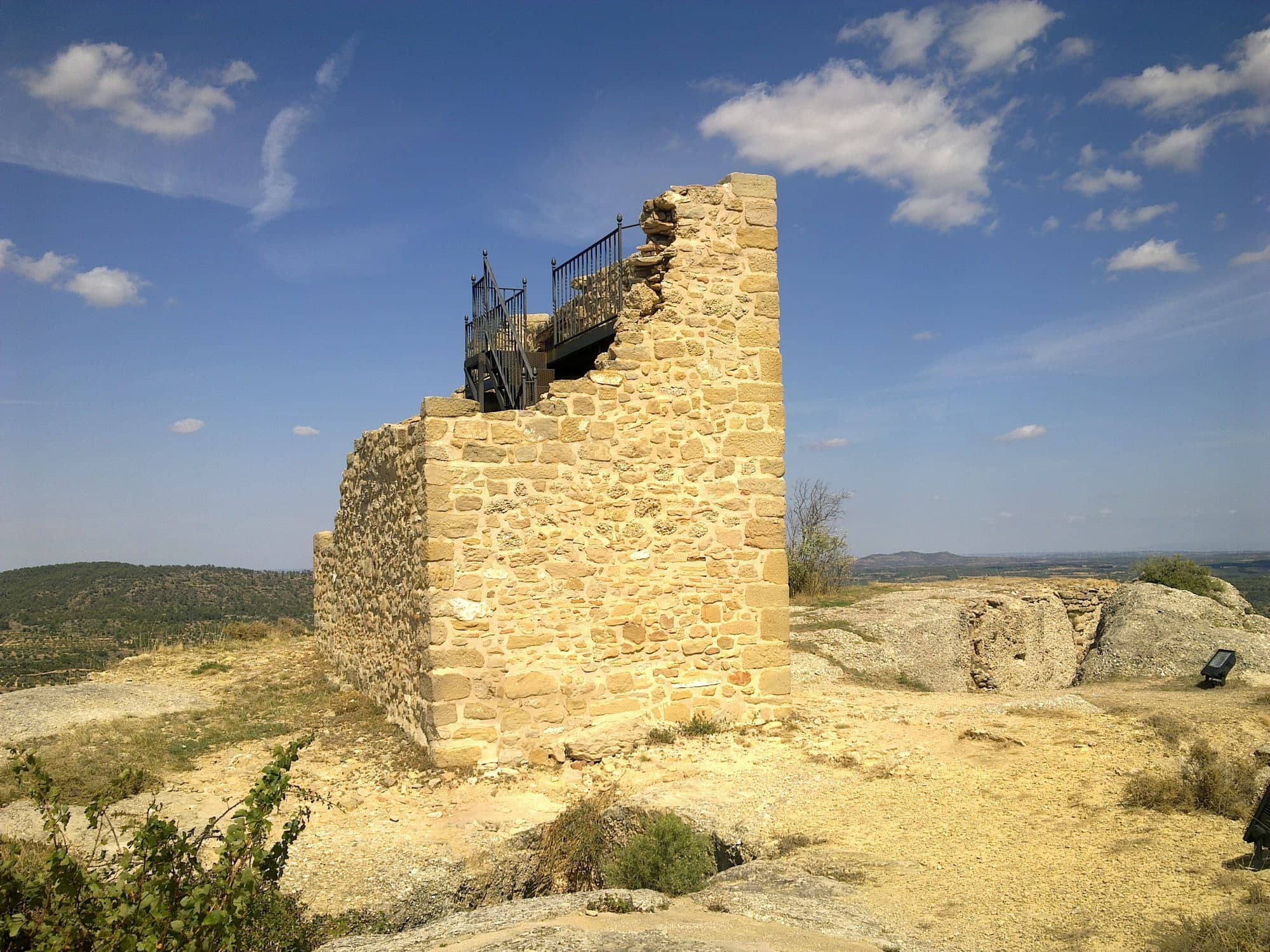
Santa Bárbara Castle (La Fresneda)
On the hill overlooking La Fresneda, the scant remains of the Order of Calatrava's medieval castle invite you to imagine the Matarraña's past.
 Castle
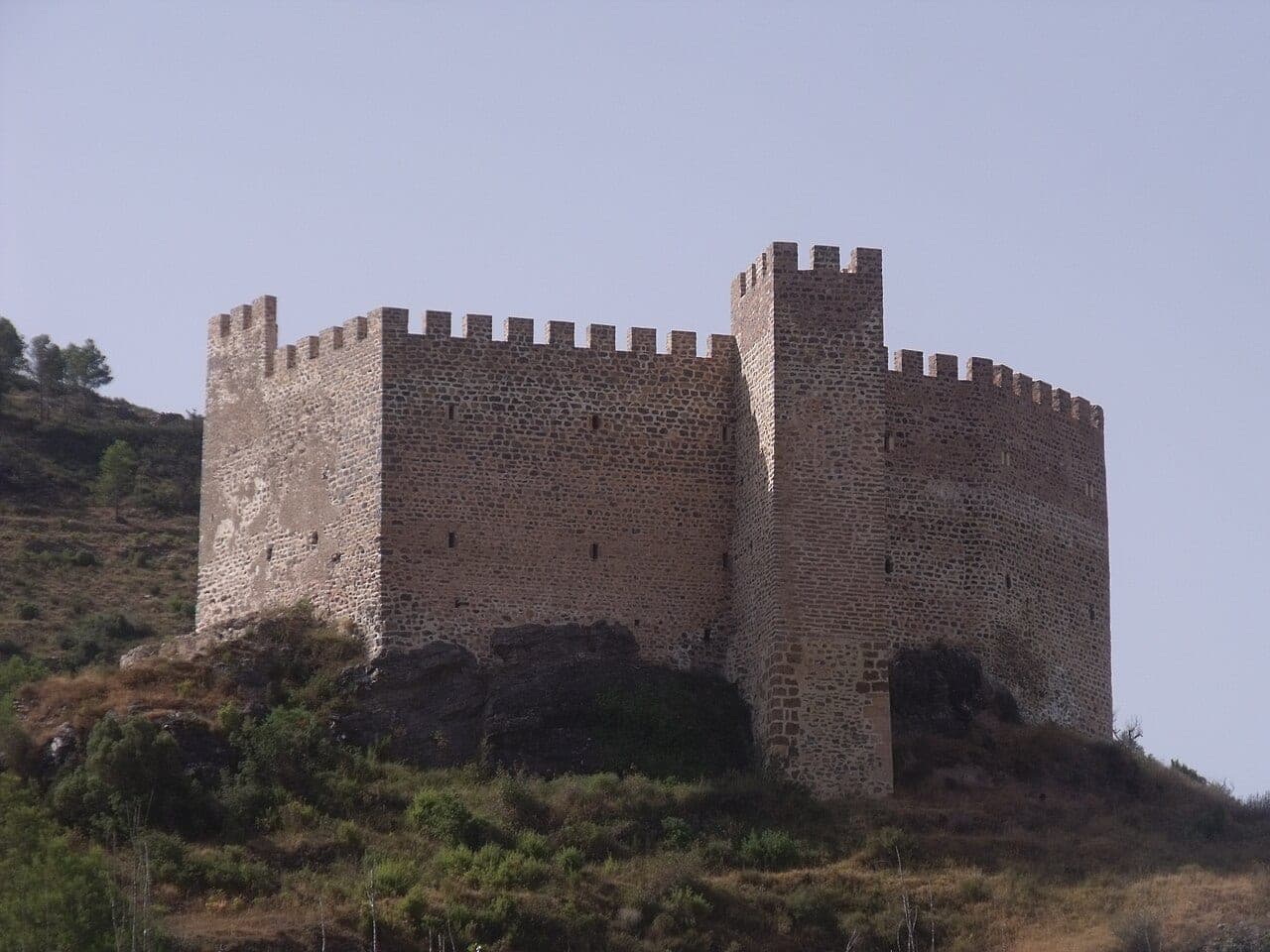
Gaibiel Castle
A small fortress perched on top of La Umbría hill, facing Gaibiel, protected as a Site of Cultural Interest (Bien de Interés Cultural) in the heart of Castellón's Alto Palancia.
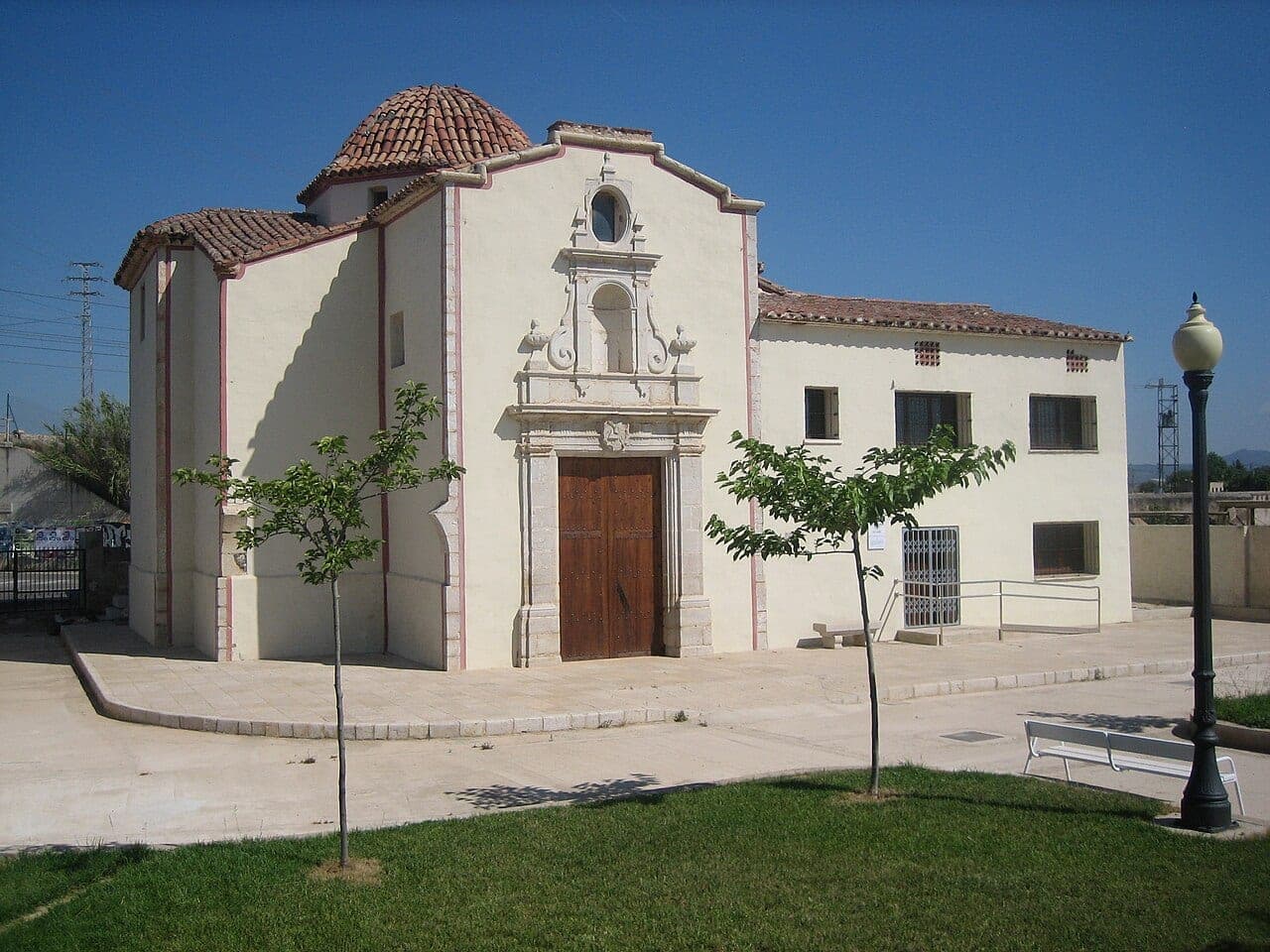 Hermitage
 of San Gregorio
A small hermitage on the outskirts of Vinaròs, at a crossroads of traditional paths, ideal as the destination for a short walk from the town centre.
 Church
Basilica of El Salvador
A Valencian Gothic church built in Burriana after the conquest by James I, a monument in stone to his first great victory and now a minor basilica.