


Basilica of El Salvador
Description
Rising over Burriana's Plaza de la Iglesia, the Basilica of El Salvador was born with a very clear purpose: to record in stone the first great military victory of James I in his conquest of the Muslim kingdom of Al-Balensiya. Work began in the late 13th century, and it is worth viewing it in the knowledge that it is both a commemorative monument and a statement of power.
That propagandistic character makes sense when you picture the landscape of the time. Set against the modest mosques of the rural medinas of La Plana, a church built entirely of stone must have impressed the Muslim inhabitants of the nearby towns. Its monumental scale was no accident: it spoke of the new order arriving with the conquerors.
As with so many foundations in the conquered cities, the church was first dedicated to the Virgin Mary. Only in the mid-14th century was it placed under the patronage of Christ the Saviour, the name by which it is known today.
The building we see today is the result of several centuries of change. In the 17th century a Baroque remodelling transformed its appearance; in the 18th century the Chapel of the Communion was added, and in the 19th century the nave was extended by two further bays. Then, in the 20th century, after the Civil War, it was decided to restore the original Gothic appearance of the chevet, which is now one of its greatest attractions for anyone with an appreciation of Valencian Gothic.
Its more recent history brought an important honour: on 16 June 2013 Pope Francis raised it to the rank of minor basilica, a title that underlines the significance this church still holds in the life and memory of Burriana.
Routes that include this monument
Community photos
Log in to upload your photos of this monument.
Best time to visit
Spring and autumn, to avoid the heat and the summer crowds on the coast.
Location
Similar monuments
 Church
 of Santa María la Mayor (La Fresneda)
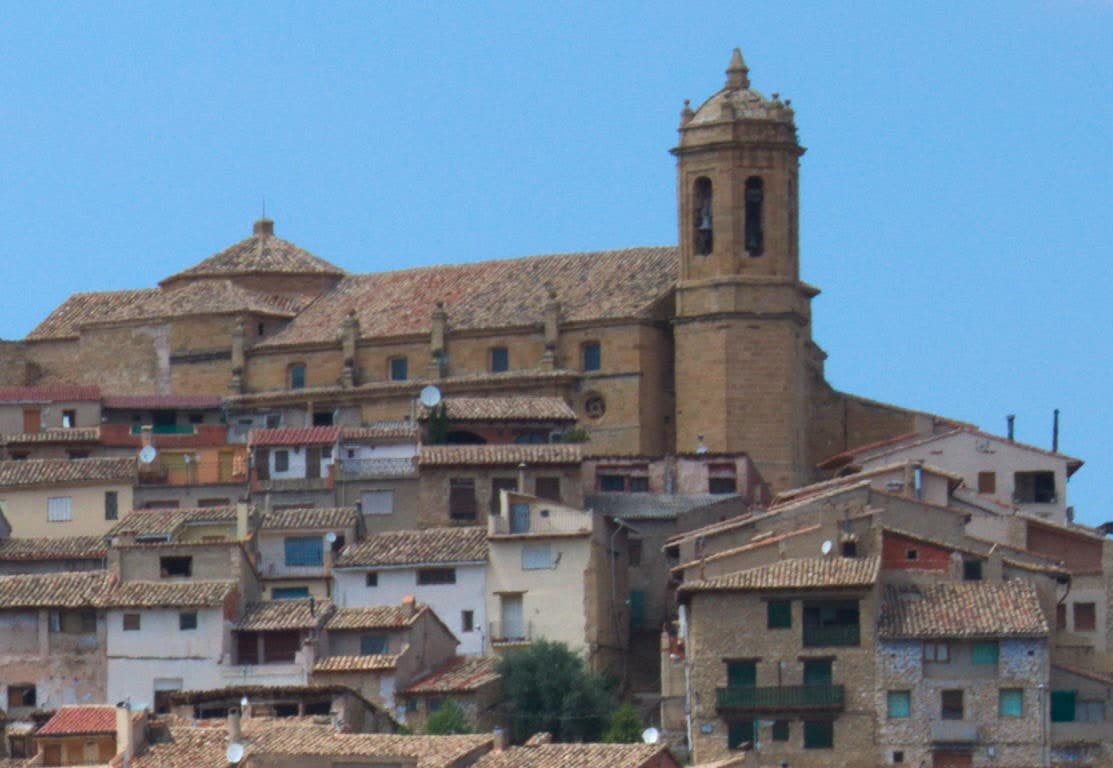
A 17th-century Baroque parish church in La Fresneda, dedicated to Santa María la Mayor, or Our Lady of the Snows – an essential stop when exploring this corner of Teruel.
 Church
Hermitage of the Virgen de los Navarros
In Fuentes Claras, the hermitage of the Virgen de los Navarros is home to the village's most deeply rooted devotion, an essential stop for understanding the soul of this town in the province of Teruel.
 Cathedral
Segorbe Cathedral
Segorbe Cathedral, built from the 13th century onwards alongside the town walls, boasts an unusual Valencian Gothic cloister with a trapezoidal plan that is striking in its simplicity.
 Castle
Gaibiel Castle
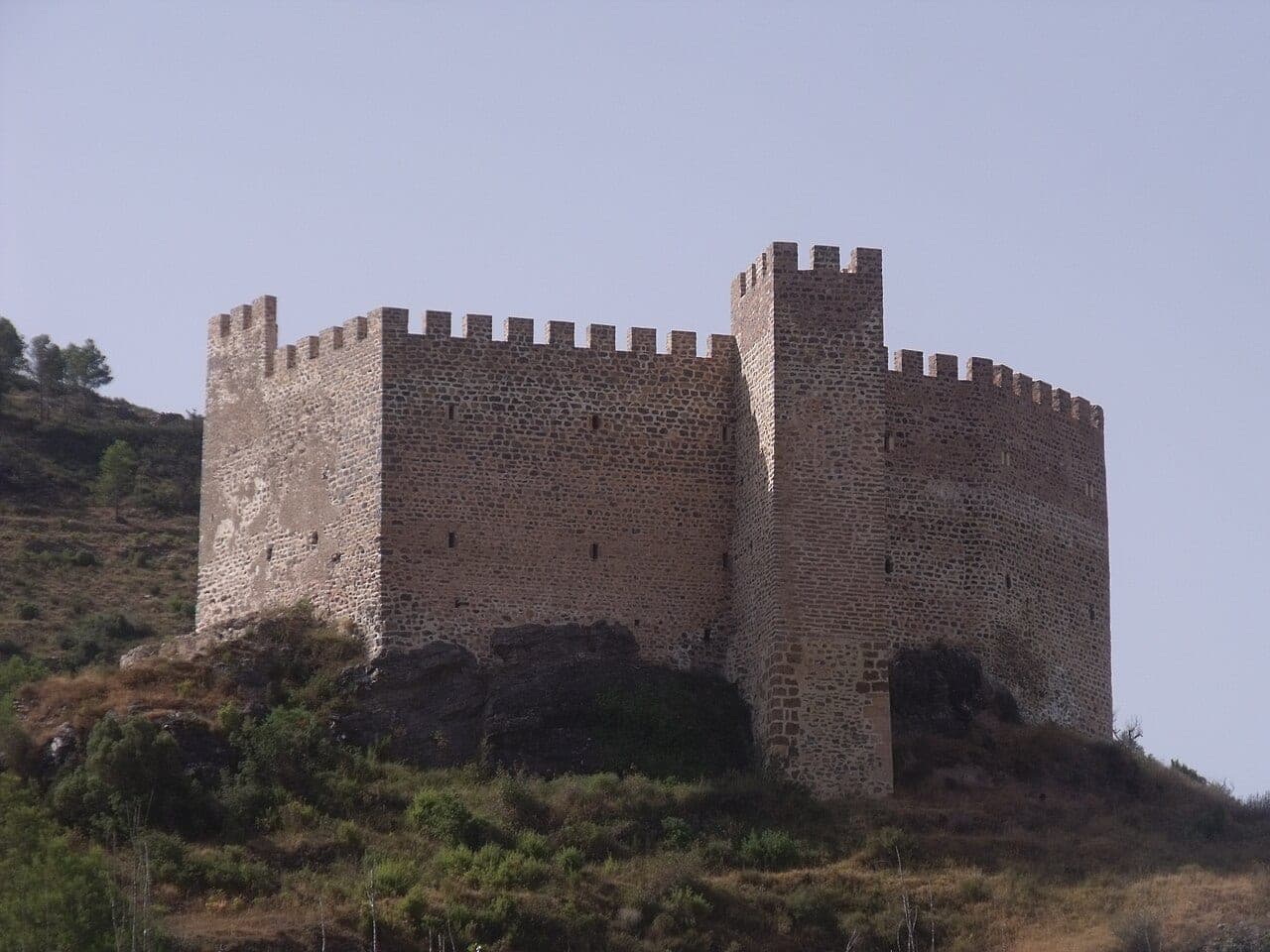
A small fortress perched on top of La Umbría hill, facing Gaibiel, protected as a Site of Cultural Interest (Bien de Interés Cultural) in the heart of Castellón's Alto Palancia.