
Sóller
History and heritage
Few Majorcan towns hold on to their past as vividly as Sóller. Every May, the town re-enacts in a festival the day in 1561 when a powerful fleet of Algerian corsairs, led by Uchali and Iusuf-Arrais with twenty-two galleons, chose this corner of the north-west coast to launch its attack on the island. Knowing that story before you wander its streets completely changes the way you see them.
The tale reads almost like a novel. Forewarned because the fleet had stopped in Ibiza to take on water, the Majorcans made ready, but some 1,600 corsairs landed unseen and split into two groups: one marched on the harbour while the other circled the town to plunder it from the north. Caught between two fronts, the townspeople first retook the harbour and lay in wait there for the raiders returning laden with loot and captives, then chased them all the way to the cliffs. Tradition remembers the brave women of Can Tamany, who used trickery to overcome the attackers in their house, and a band of outlaws whose help earned them a pardon from Philip II.
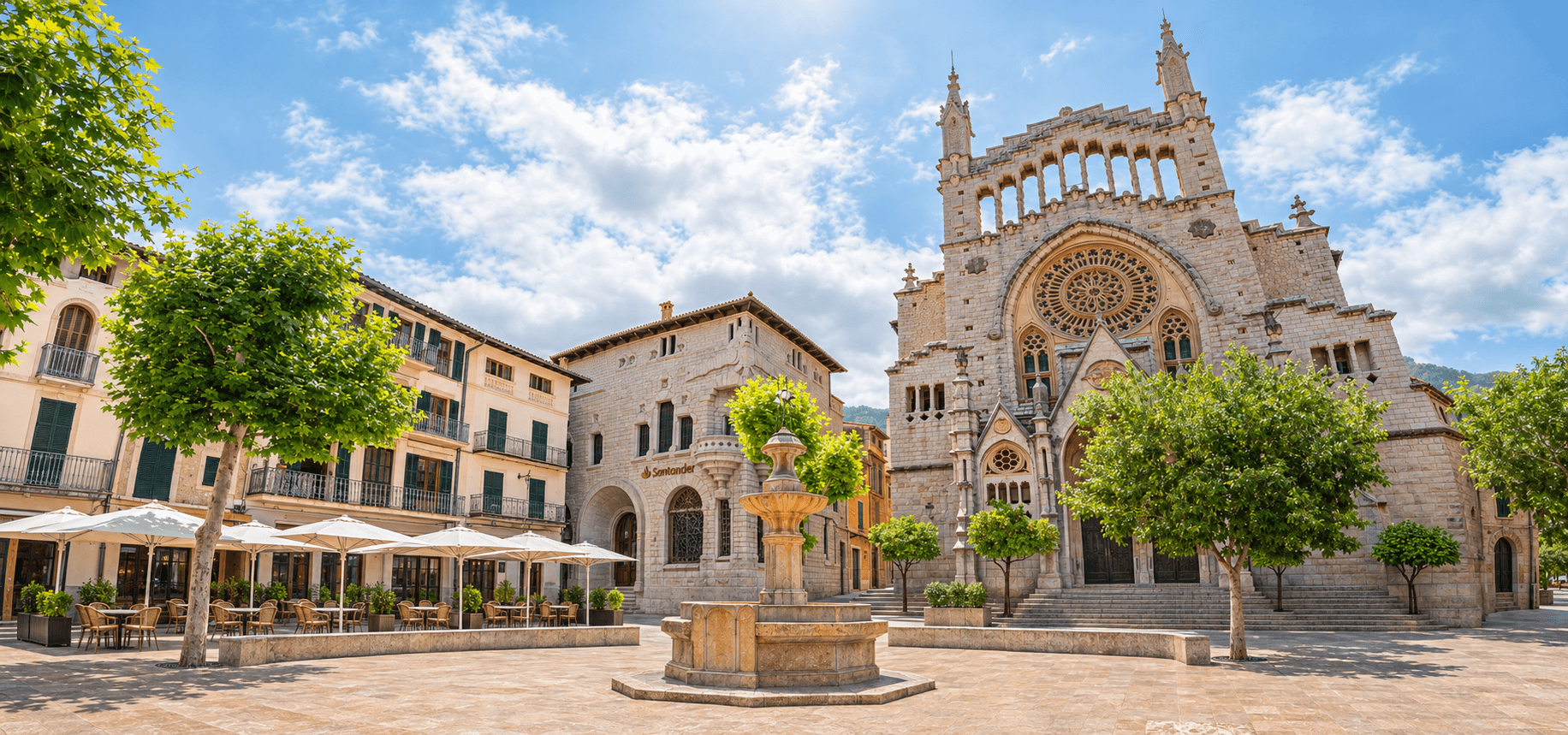
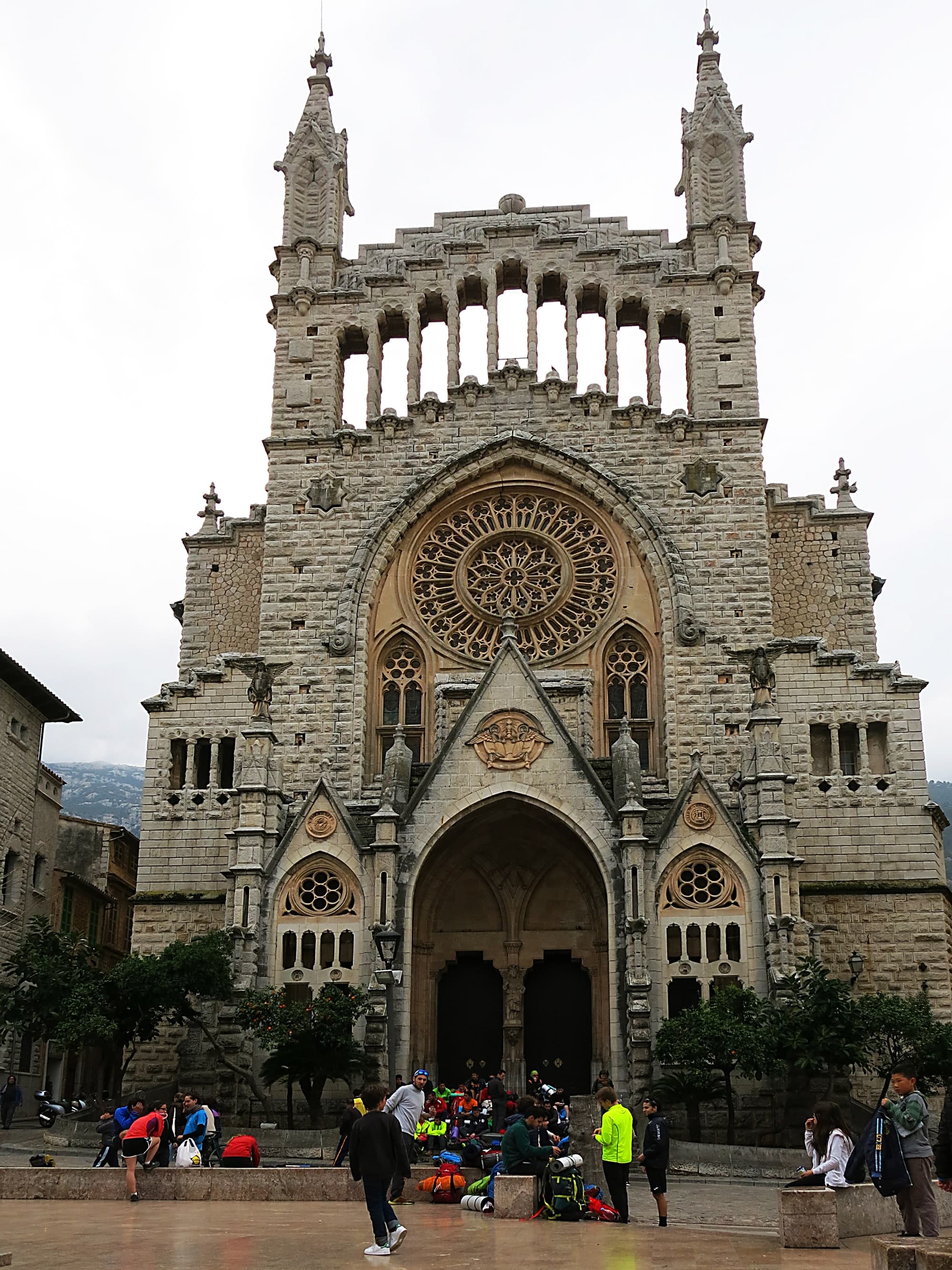
That danger left its mark on the landscape. From the 16th century onwards, the Torre Picada and the castle at Port de Sóller were built, and part of the town was also fortified, though all that survives of the wall is a stretch next to the parish church – a detail well worth seeking out.
The municipality, nestled in the Serra de Tramuntana, takes in four settlements: Sóller itself, Port de Sóller, L'Horta and Biniaraix. Its history, however, goes back much further than the corsairs: remains from the Talaiotic period have been found at Muleta, and Roca Roja yielded three bronze statues of a warrior deity from Balearic prehistory, dated to between the 4th and 3rd centuries BC, which are now kept in the Museu de Mallorca.
Nearby monuments
The monuments in our catalogue closest to Sóller (the village is shown in orange).


Community photos
Log in to upload your photos of this village.