
Cudillero
History and heritage
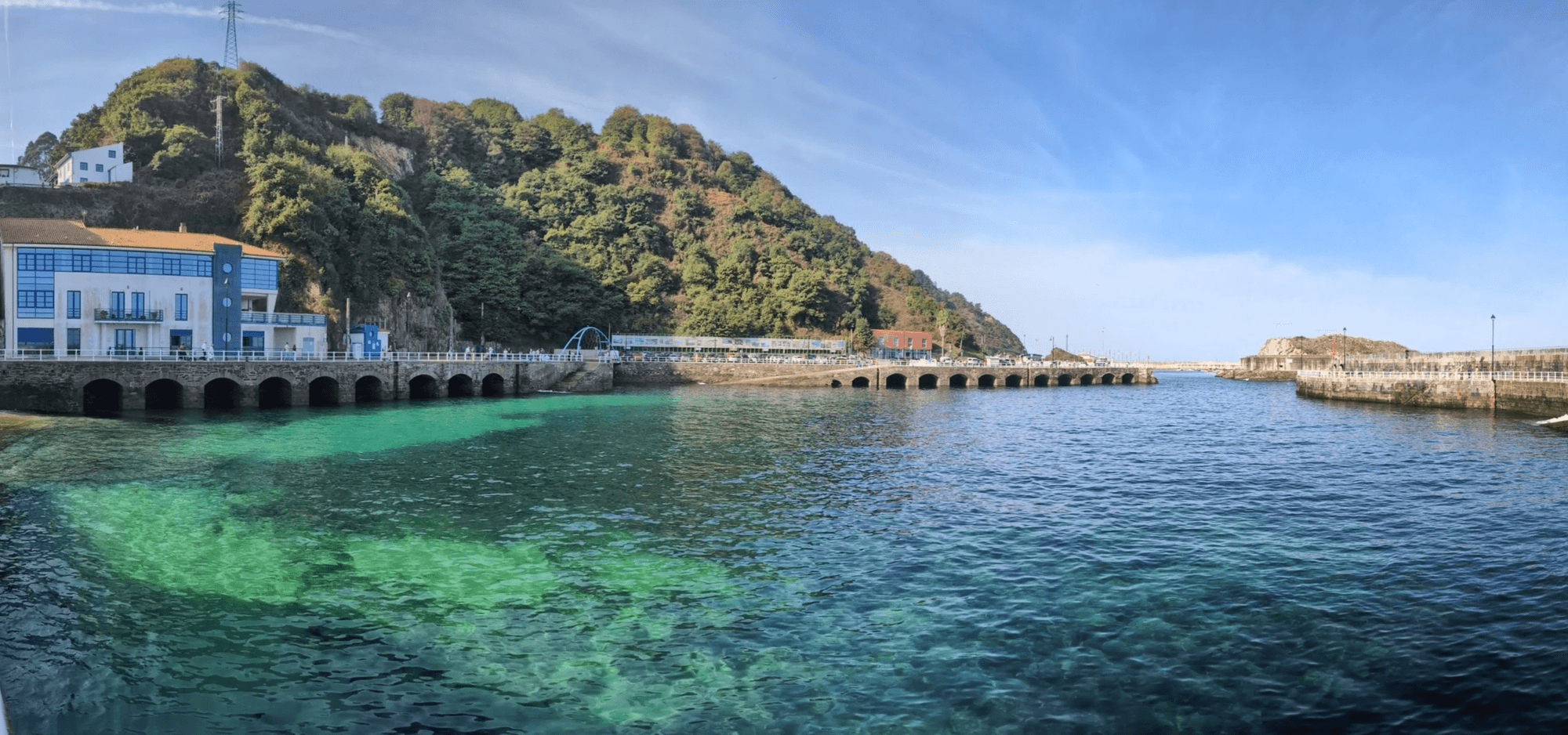
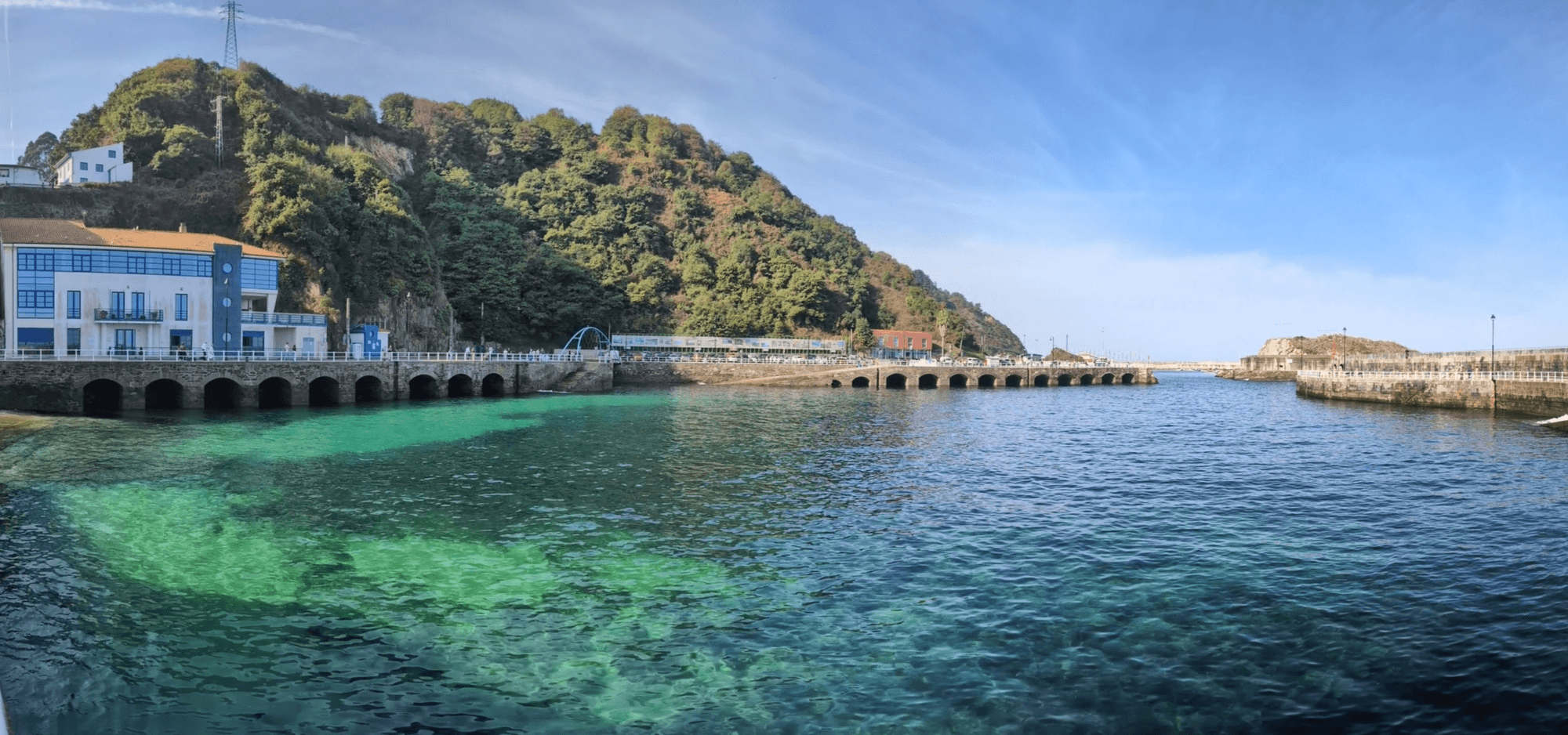
Cudillero is, above all, a port. The town grew up around it in the 13th century and has lived off it ever since, to the point that in the early modern period it became the great fishing centre of Asturias. Today it remains an important port and, in summer, one of the busiest spots on the coast, which comes as no surprise to anyone since it joined the association of The Most Beautiful Villages in Spain in 2021.
The first written mention of the town reads almost like a scene from everyday life: in 1285, Arias González de Valdés granted the monastery of Obona a plot in the port of Cudillero for selling bread, along with a hut with access to the sea, with no lord permitted to interfere. During the late Middle Ages it was a modest fishing harbour under the authority of Pravia, and by the 15th century it was well enough established to request the salt store, a monopoly held by the town of Pravia that it never managed to obtain.
That long dependence shaped its character. In the early modern period the townspeople themselves built the Church of San Pedro, a quay was constructed and San Juan Castle was raised to defend against English raids. In the 18th century, tired of being unable to appoint their own officials, they offered no less than a thousand doubloons to break away from Pravia, although the longed-for independence did not come until a century later.
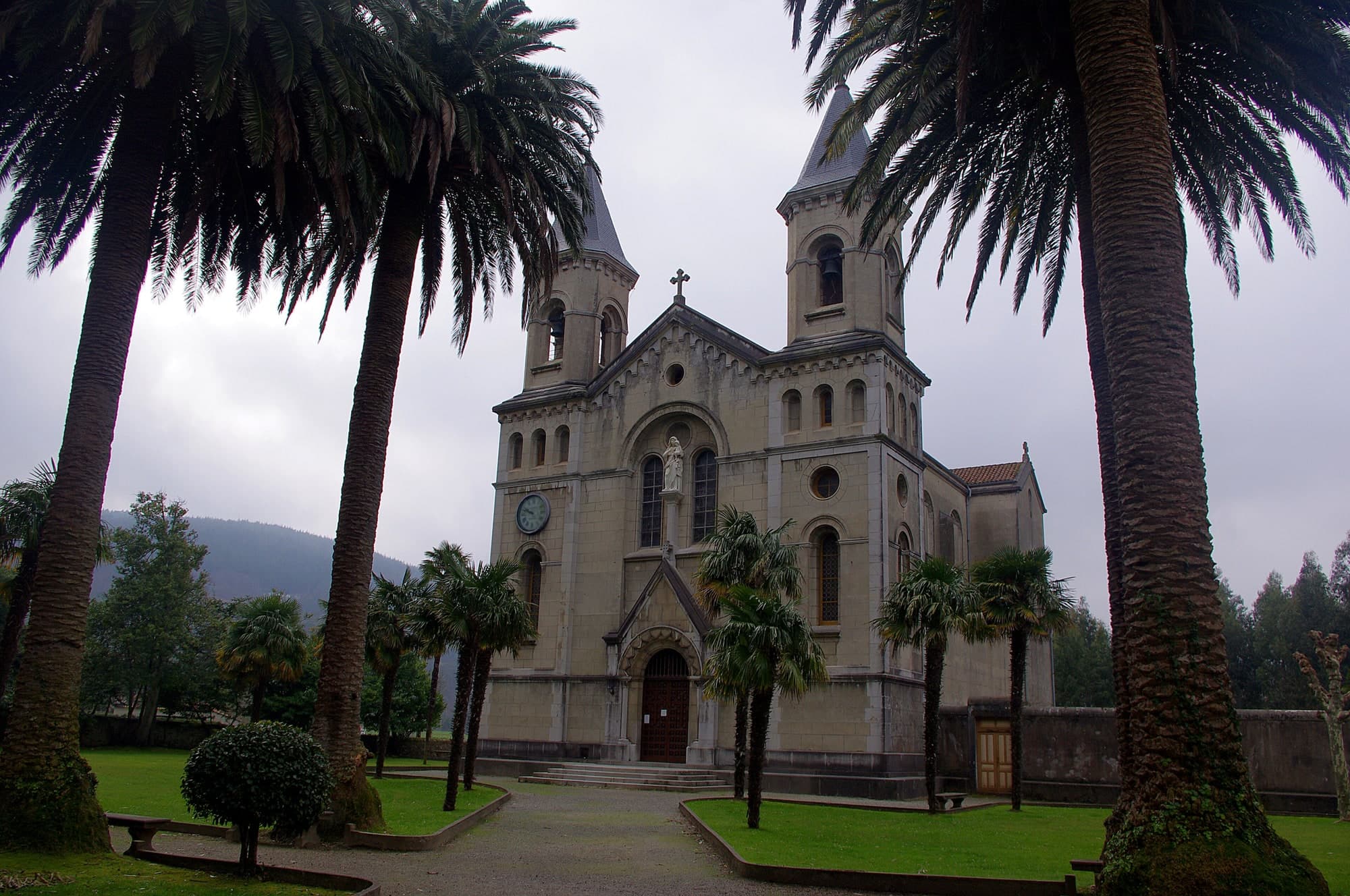
The municipality also holds traces of a far older past: the hillforts of La Garita and La Cavona, recently joined by the Gurión site, all apparently pre-Roman in origin. And in contrast to that distant past, no visit would be complete without the Quinta de Selgas, an opulent 19th-century palace surrounded by extensive gardens that houses works by Goya.
Nearby monuments
The monuments in our catalogue closest to Cudillero (the village is shown in orange).
Community photos
Log in to upload your photos of this village.