
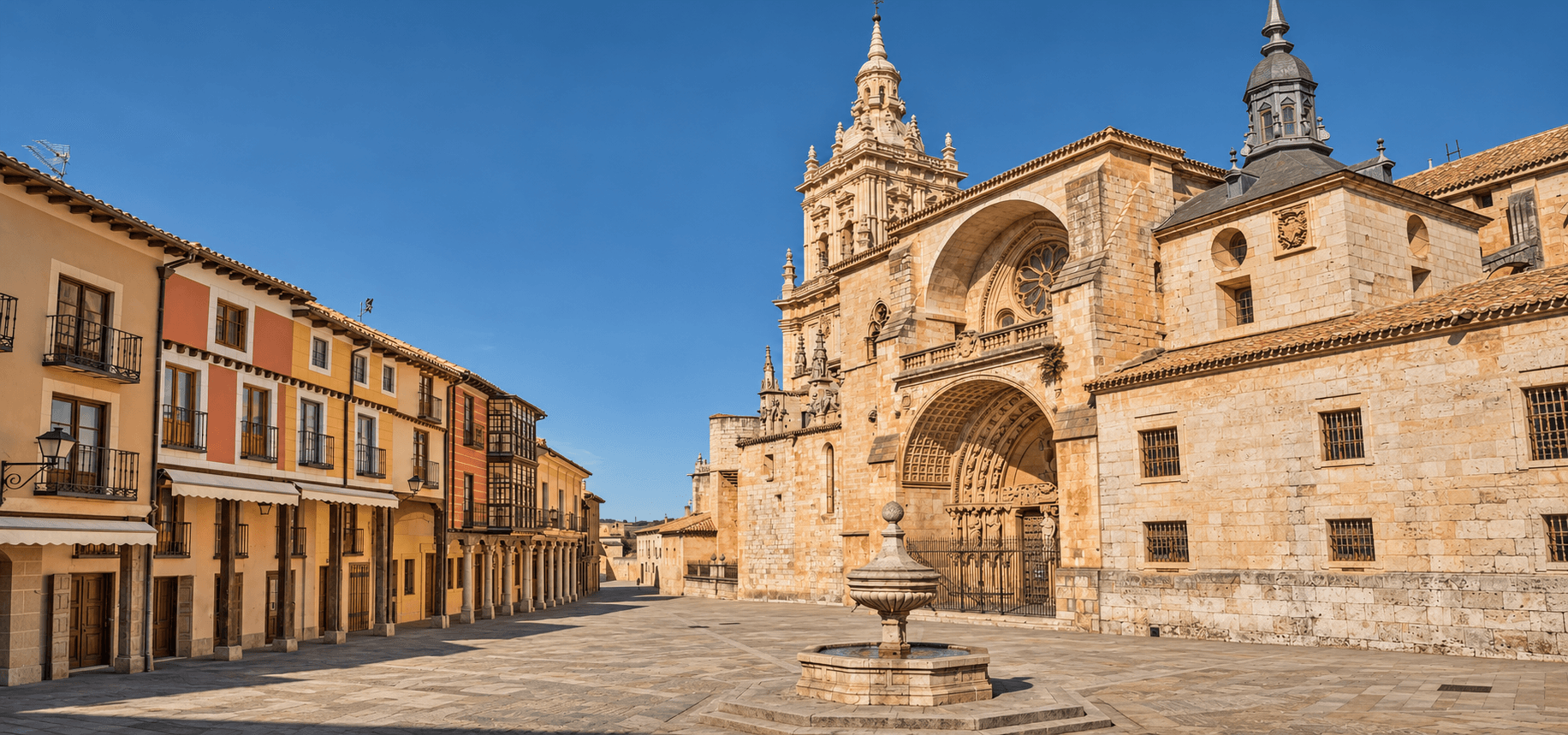
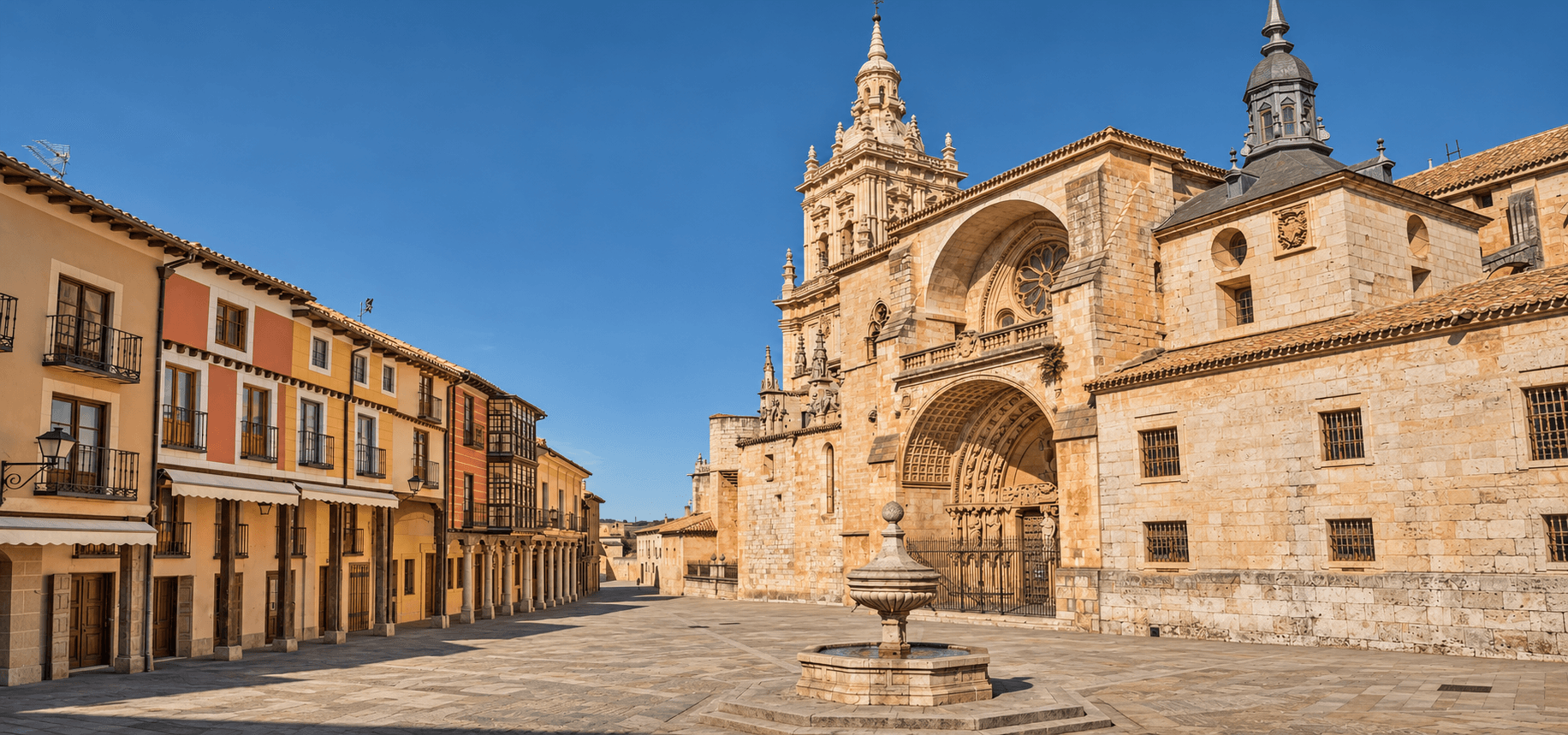
Berlanga de Duero
Community photos
Log in to upload your photos of this village.
History and heritage
Berlanga de Duero sits tucked into the gorge of the River Escalote, beneath the hill crowned by its castle, and from your very first stroll it makes clear that this was once a place of power and ambition. Much of what visitors admire today is owed to the Tovar family, lords of the town and Marquesses of Berlanga, who in the 16th century drove a sweeping urban overhaul and built the present castle, the collegiate church, the Hospital of San Antonio, the convent of the Corazonista nuns, the Hermitage of Paredes Albas and a palace whose Renaissance gardens were considered, according to chroniclers of the day, among the finest in Europe.
The collegiate church is the highlight. Commissioned by María de Tovar and Íñigo Fernández de Velasco, whose coats of arms adorn the north doorway, it was built between 1526 and 1530 to a design by Juan de Rasines. To make way for it, the town's medieval churches were demolished and their congregations brought together in this Gothic-Renaissance hall church: three naves of equal height, cylindrical columns supporting vaults with quatrefoil tracery, and six chapels set between the buttresses. Inside awaits a Renaissance walnut choir by Vandoma and Valderrama, with 63 stalls; only the prior's seat is decorated, with Saint Peter and Saint Paul. The plans also included a cloister and a second tower, neither of which was ever completed for lack of funds.
The old town rewards an unhurried wander. The Plaza Mayor, square and arcaded on all four sides with wooden pillars on stone bases, is a superb example of a Castilian main square. Around it are arcaded streets, adobe and half-timbered houses, Calle Real with its emblazoned façades, and the Aljama, the old Jewish quarter, which retains its medieval layout.
The town's history runs deep: there are Chalcolithic, Celtiberian and Roman remains, and in the days of al-Andalus it was a frontier stronghold of the Caliphate, with an alcazaba that preceded the castle. Ferdinand I captured it in 1059, and it became the head of a comunidad de villa y tierra, a self-governing town and its surrounding lands. Setbacks followed: the castle burned and was abandoned in 1660, and during the Peninsular War Napoleon's troops looted the collegiate church and set fire to several noble houses and the palace.
Nearby monuments
The monuments in our catalogue closest to Berlanga de Duero (the village is shown in orange).
 in the village
Berlanga de Duero Castle
Castle · Soria
 22 km
El Burgo de Osma Cathedral
Cathedral · Soria
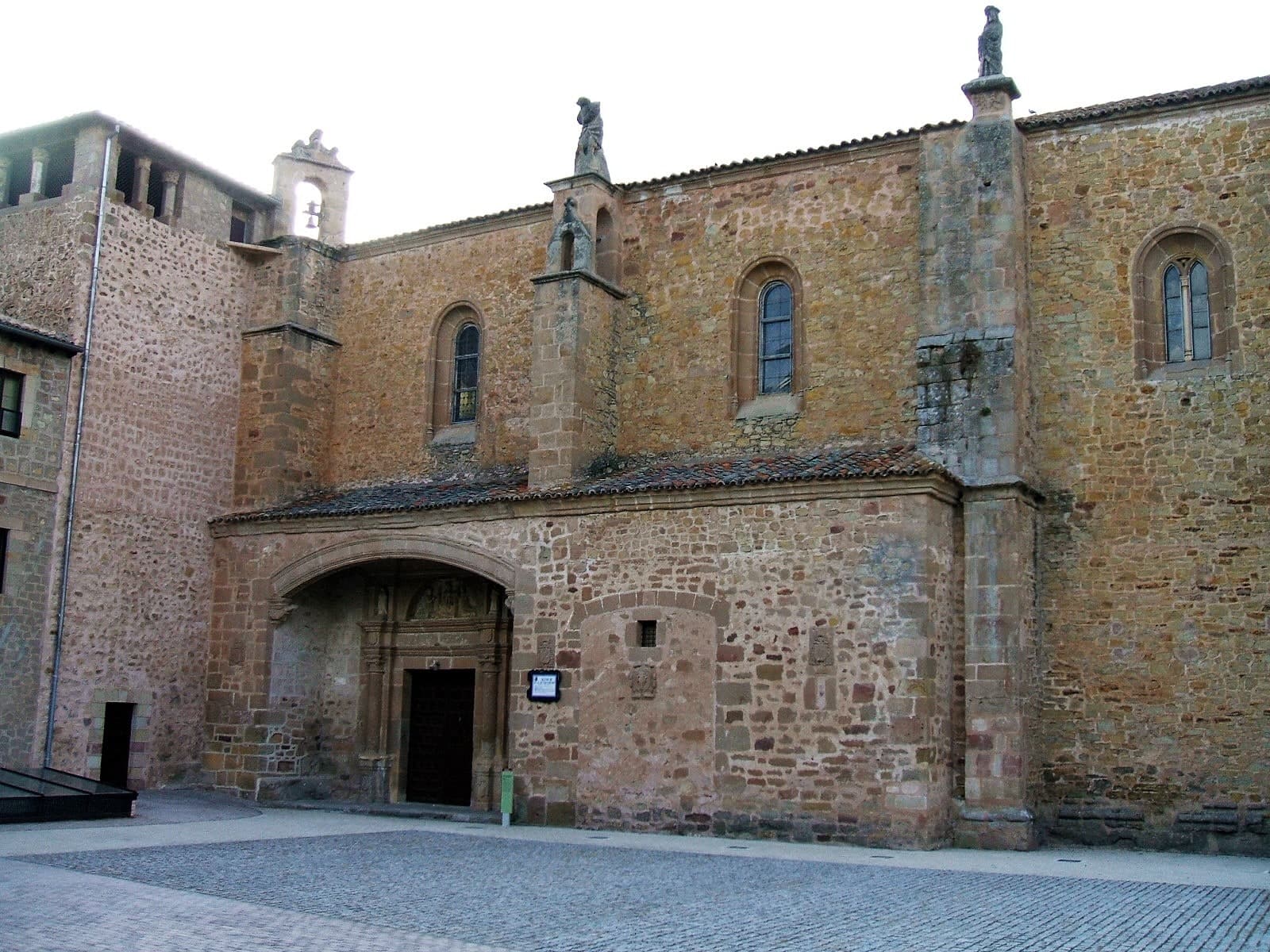 47.4 km
Monastery of Nuestra Señora de los Huertos (Sigüenza)
Monastery · Guadalajara
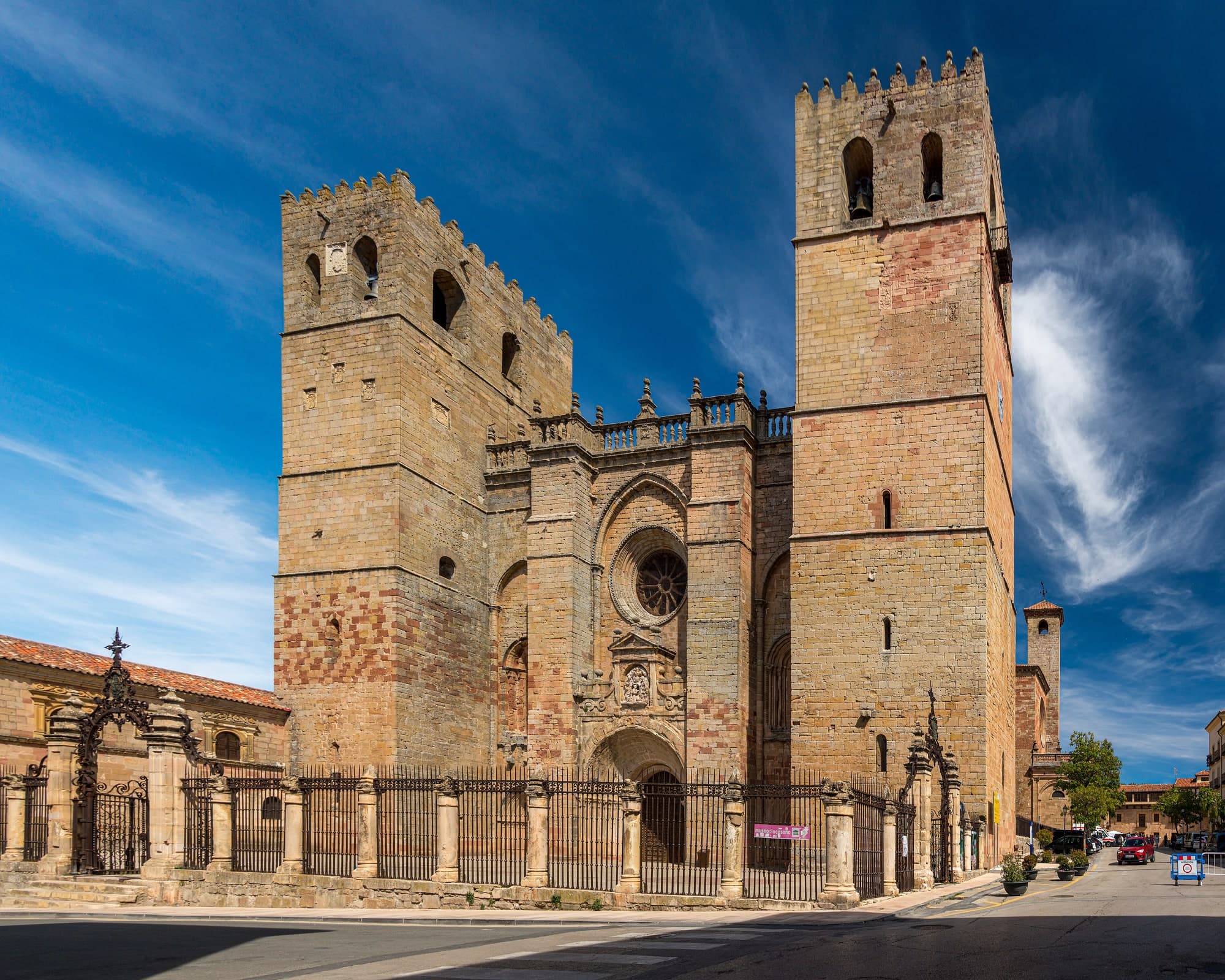 47.8 km
Cathedral of Santa María (Sigüenza)
Cathedral · Guadalajara
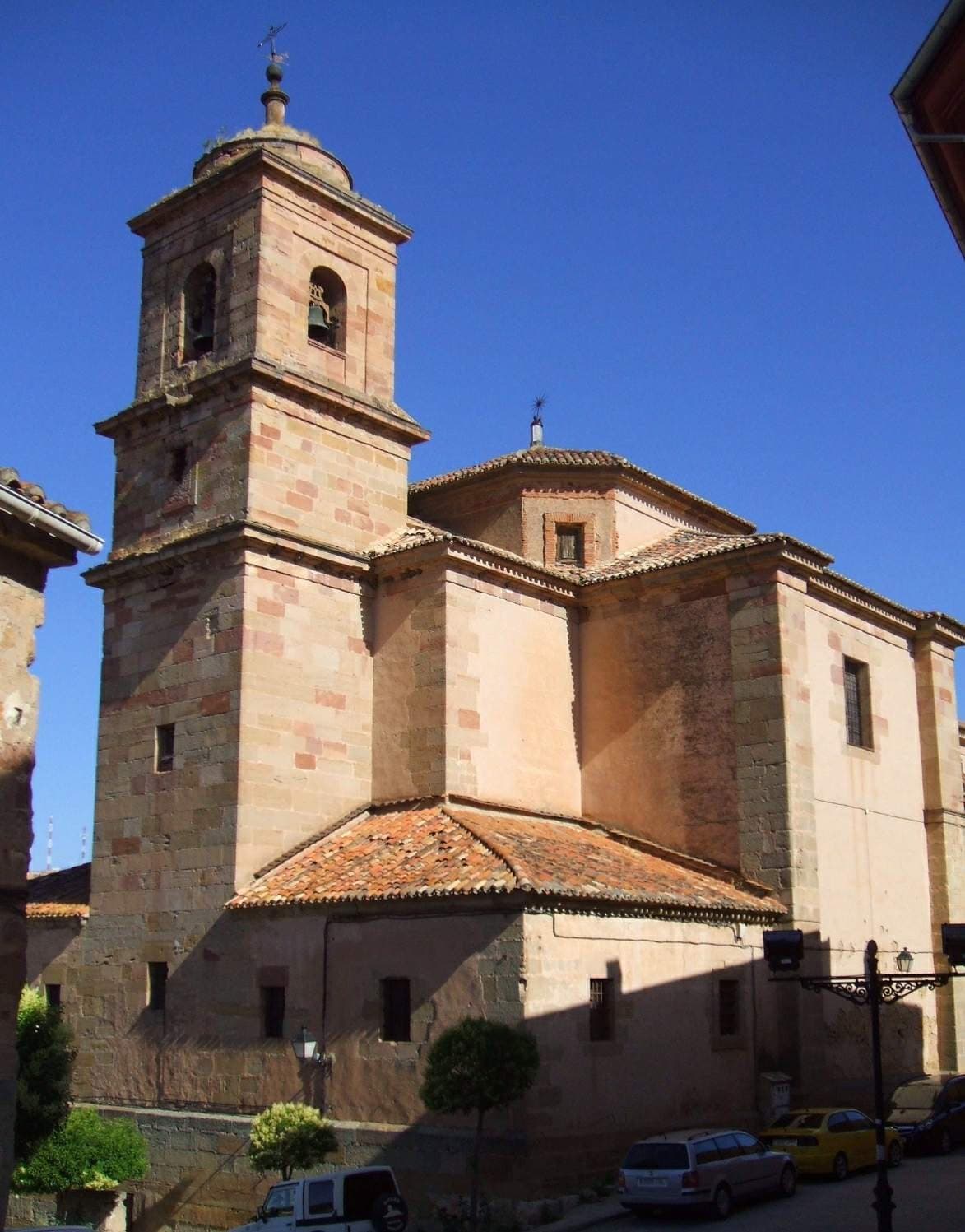 48 km
Church of Santa María (Sigüenza)
Church · Guadalajara
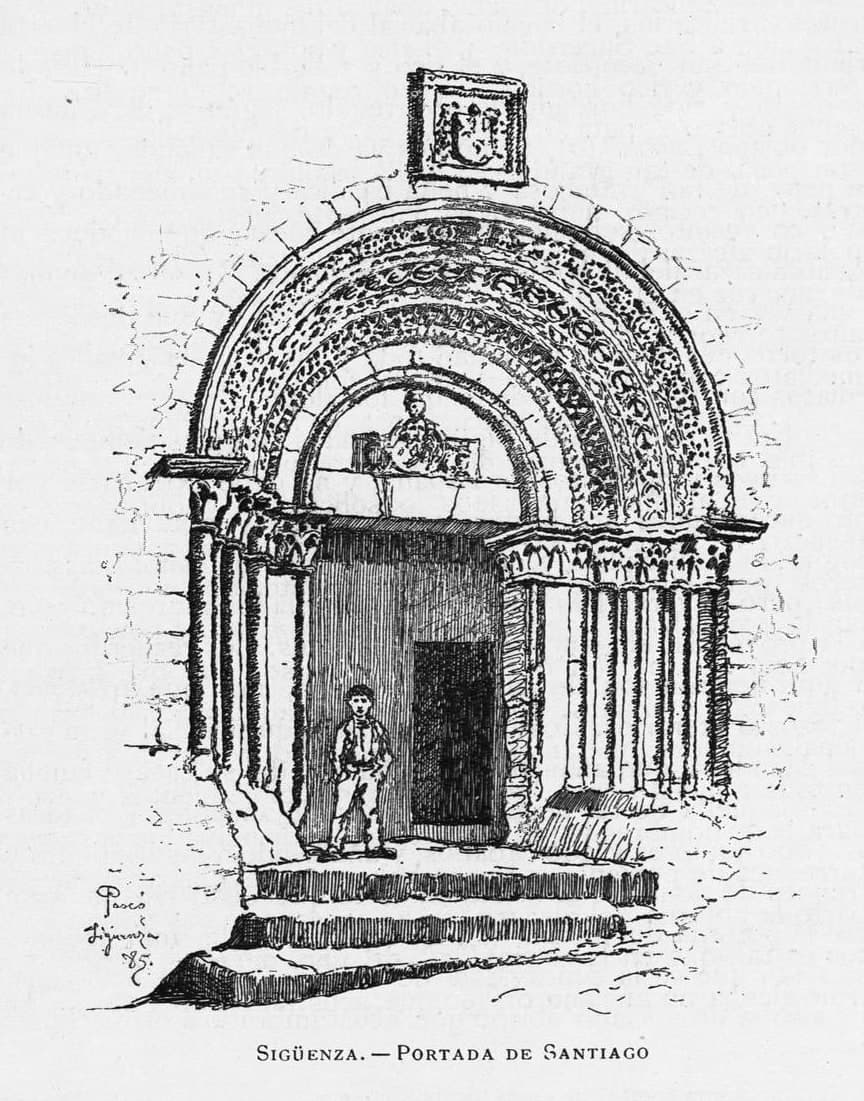 48 km
Church of Santiago (Sigüenza)
Church · Guadalajara