

Albarracín
History and heritage
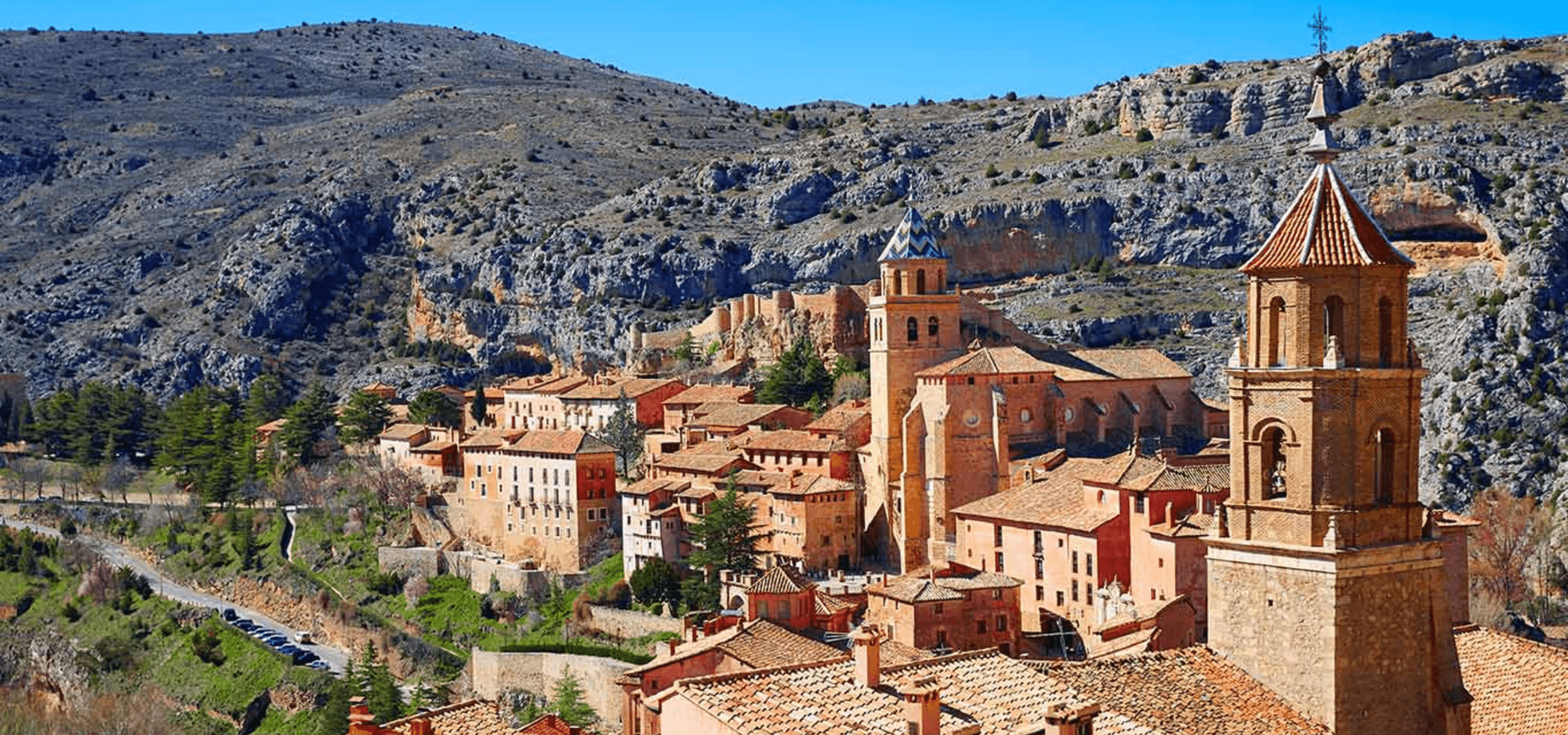
Few Aragonese towns can boast a history as singular as that of Albarracín. Its very name recalls the Banu Razin, a Berber clan that seized power in the 11th century and made the town the capital of a small taifa. That Andalusi period left traces that still dominate the landscape: the Andador Tower, high up on the outer walls, and the castle that housed its old alcazaba. It is no coincidence that the town has been a National Monument since 1961, that it received the Gold Medal for Merit in the Fine Arts in 1996 and that it is among the candidates for World Heritage status.
The alcázar, right in the heart of the old town, has been restored and fitted out for visitors following excavations carried out between 2004 and 2006. Behind its mighty ring of walls lies a medieval archaeological site that traces its evolution: residence of the lords of Albarracín in the 13th and 14th centuries, extensively transformed after the Aragonese conquest, inhabited until the late 16th century and destroyed in the 18th after the War of the Spanish Succession. The 14th-century Christian walls link up with the Doña Blanca Tower, which stands at the tip of the spur, mirroring the Andador Tower.
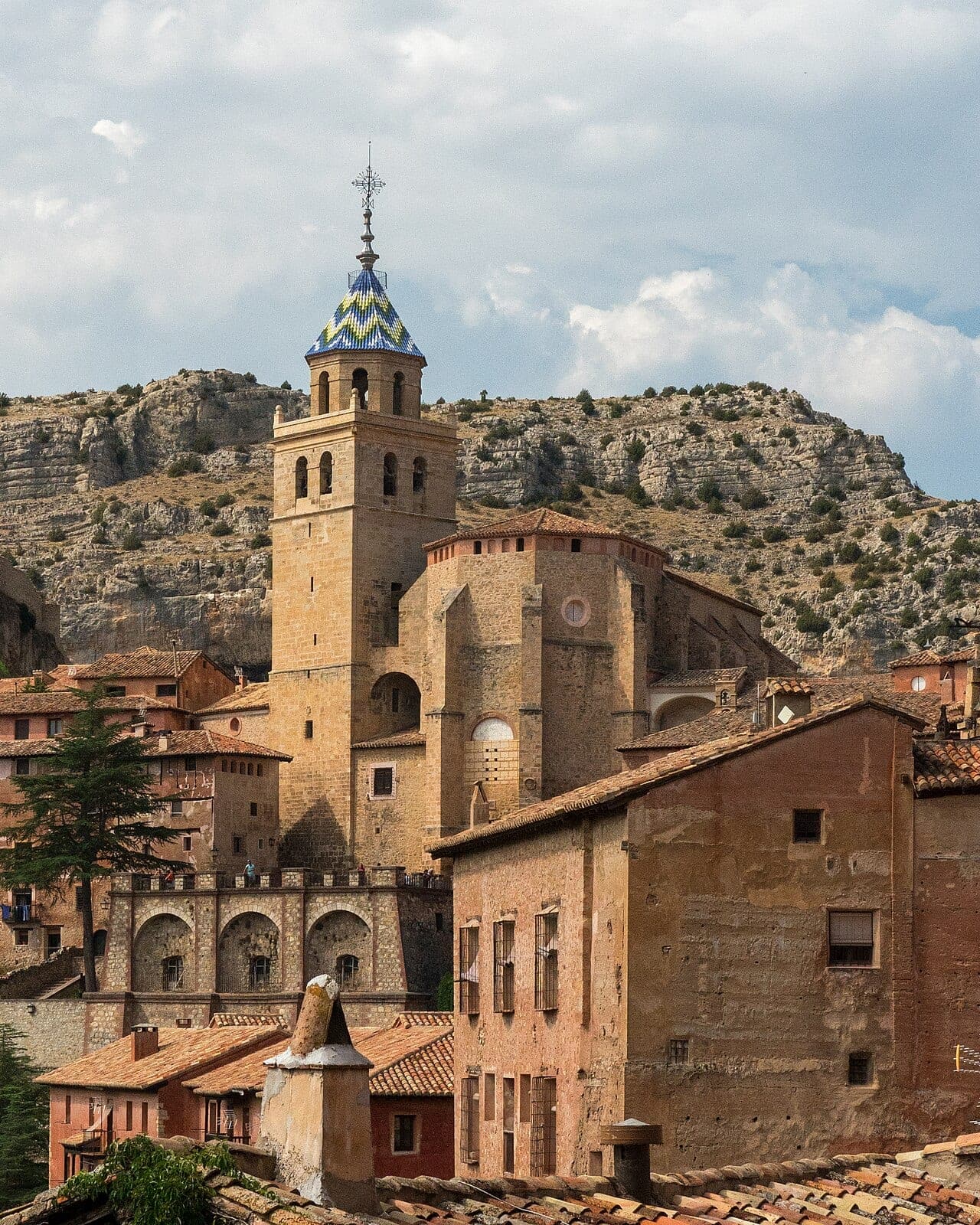
The walk continues to the 16th-century Cathedral of El Salvador, with a single nave and side chapels, whose museum holds Flemish tapestries depicting the life of Gideon. Beside it stands the Bishop's Palace, with its Baroque doorway, a testament to a long-standing episcopal see. On the Plaza del Ayuntamiento, the 16th-century town hall features wooden balconies and a gallery overlooking the river, while the Casa de la Julianeta, at the Portal de Molina, sums up the local vernacular architecture.
The importance of its fortress explains an unusual political history. Granted to the Azagra, a Navarrese lineage, Albarracín remained effectively independent of both Castile and Aragon from 1170 and even had its own bishopric. It held out against James I in 1220 and only fell to Peter III after a siege, before being definitively incorporated into the Crown of Aragon in 1300. Long before that, in the nearby Rodeno pine forest, prehistoric inhabitants left their rock paintings, and in the Iron Age the area was home to the Celtic Lobetani.
Nearby monuments
The monuments in our catalogue closest to Albarracín (the village is shown in orange).

Community photos
Log in to upload your photos of this village.